
If you have been scrolling through travel news or checking public health updates before your summer vacation, you might have seen alarming headlines regarding a rapidly spreading intestinal parasite.
The Cyclospora cayetanensis outbreak has triggered international health alerts across North America, leaving many tourists wondering if their upcoming trip to Cancun is safe.
The short answer? While the contaminated produce at the center of the current outbreak has been traced back to a farm in central Mexico, Cancun and the state of Quintana Roo are not currently facing an active, localized outbreak.


However, with millions of tourists dining in the Hotel Zone every month, local business and health authorities in Cancun are taking the international health alert incredibly seriously and are launching proactive prevention campaigns to ensure the resort city remains a safe haven for travelers.
Here is exactly what you need to know about the parasite, how Cancun authorities are responding, and how to protect your health during your all-inclusive getaway.

Understanding The 2026 Cyclospora Outbreak
To understand the risk, it is important to look at where the outbreak is actually happening. Currently, the United States is bearing the brunt of the infections. The CDC and FDA are actively investigating a massive multistate outbreak of Cyclospora infections that has resulted in over 1,600 confirmed cases across 34 states and numerous hospitalizations.
The outbreak has been directly linked to shredded iceberg lettuce distributed in the U.S., prompting a massive voluntary recall by Taylor Farms de Mexico. Because the contaminated lettuce was grown in central Mexico, the situation has put all Mexican food export and domestic hospitality industries on high alert.


In a bizarre twist of events, the Mexican government’s National Epidemiological Surveillance System (Sinave) actually issued a travel advisory for Mexican citizens traveling to the United States, warning them to avoid eating raw salads and unwashed produce while north of the border. So, while the parasite originated in central Mexican agricultural hubs, the primary wave of human infections is currently exploding across the United States—not on the beaches of Quintana Roo.
Cancun Authorities Call For Aggressive Prevention
Despite the fact that Cancun is not the epicenter of the outbreak, local tourism and business leaders are refusing to take any chances. Maria Jovita Portillo Navarro, the president of the Employers’ Confederation of the Mexican Republic (Coparmex) in Cancun, recently issued a strong public call to action, demanding that the local hospitality industry prioritize preventive measures over reactive panic.
Portillo Navarro emphasized that in a state like Quintana Roo—where tourism is the absolute engine of the economy—millions of people consume food prepared daily in local hotels, commercial establishments, and massive all-inclusive restaurants. She noted that consumer trust is built entirely by guaranteeing the highest possible standards of hygiene and food safety.
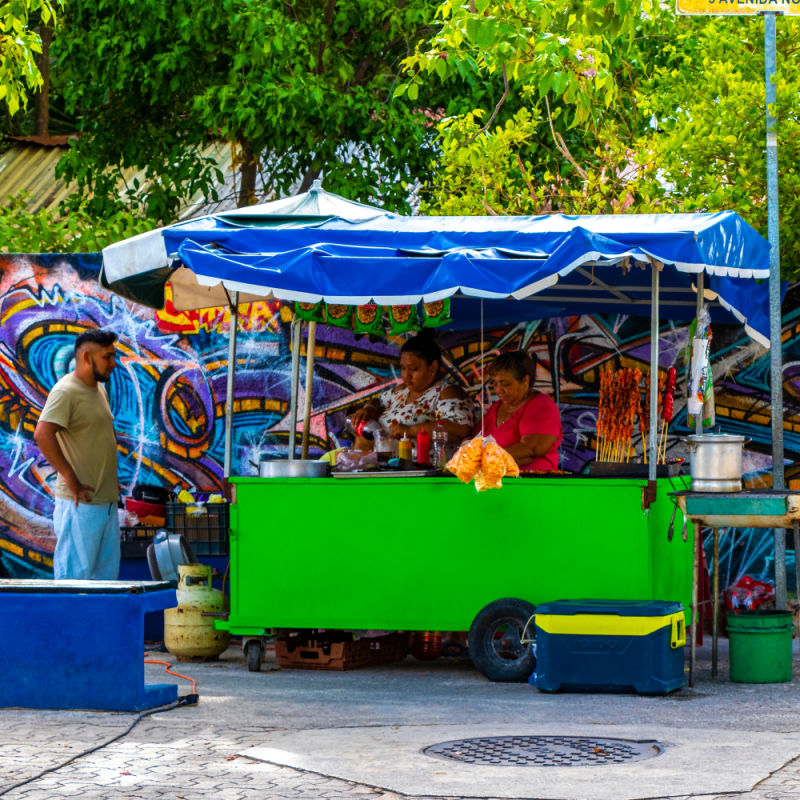
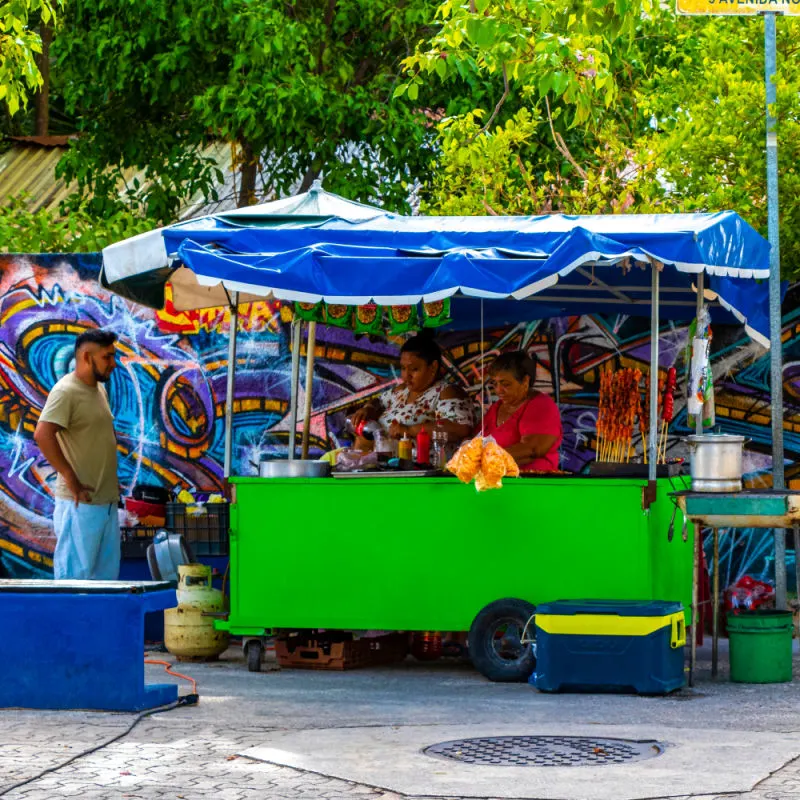
To highlight the severity of foodborne illnesses globally, the business leader pointed to sobering data from the World Health Organization, which states that one in ten people worldwide become ill each year from consuming contaminated food. This translates to approximately 600 million cases and 420,000 deaths annually. These staggering figures demonstrate that food safety is not solely the responsibility of the government’s health sector, but a shared commitment among agricultural producers, resort kitchens, and the tourists themselves.
“Health alerts shouldn’t generate fear, they should generate awareness,” Portillo Navarro stated. “An informed society responds better, prevents risks, and protects those it loves most.”


What is Cyclospora? Symptoms to Watch For
If you are traveling to Cancun, it is crucial to understand what this parasite actually is. Cyclospora cayetanensis is a microscopic parasite that causes an intestinal infection known as cyclosporiasis. It is primarily transmitted when people consume fresh produce or water that has been contaminated with infected fecal matter.
Unlike a standard 24-hour stomach bug, cyclosporiasis has a distinct and frustrating pattern. Symptoms typically begin 7 to 10 days after exposure, meaning a tourist could easily contract the parasite on vacation but not show symptoms until they return home. The hallmark symptom is severe, explosive watery diarrhea that can persist for weeks or even months if left untreated. Other common symptoms include profound fatigue, significant appetite loss, weight loss (often 5 to 10 pounds within the first two weeks), abdominal cramping, and intense bloating that worsens after eating.

The illness is also known for its relapsing nature—patients often feel better for a few days, only for the severe symptoms to return without warning. Fortunately, the infection is highly treatable. The first-line medical treatment is a 7 to 10-day course of the prescription antibiotic trimethoprim-sulfamethoxazole (TMP-SMX), commonly known as Bactrim.
How To Outsmart the Parasite on Your Vacation
Coparmex Cancun is urging the community to make prevention a permanent habit to protect both lives and the local tourism economy. If you are heading down to the Mexican Caribbean, here are the simple, effective actions you should take to protect yourself from Cyclospora and other common foodborne illnesses:
- Wash Your Hands Relentlessly: Always wash your hands thoroughly with soap and warm water before eating or preparing food. Hand sanitizer is a great backup, but nothing beats actual handwashing.
- Stick to Treated Water: Only consume purified bottled water, which is standard across all major Cancun resorts. Avoid drinking tap water, and ensure the ice in your cocktails is made from filtered sources (a standard practice in the Hotel Zone).
- Be Cautious With Raw Produce: While high-end resorts meticulously disinfect their fruits and vegetables, you should be extremely cautious if eating at off-resort street vendors. Avoid raw, unpeeled fruits and leafy green salads if you are unsure of the establishment’s sanitation practices.
- Do Not Self-Medicate: If you develop severe, persistent gastrointestinal symptoms, do not just take over-the-counter anti-diarrhea pills and hope it passes. Seek medical attention immediately from your resort doctor, as a specific antibiotic is required to clear the parasite.
By staying informed and practicing basic hygiene, you can safely enjoy the incredible culinary scene that Cancun has to offer without letting a microscopic parasite ruin your summer getaway.
Join Our Cancun Sun Community of 16,000+ Members
Get real-time answers to your travel questions from our team of local experts and thousands of fellow travelers directly inside our interactive group.
Find Your Perfect Cancun & Riviera Maya Resort In Seconds
This simple, powerful tool was built by our on-the-ground experts to match you with the ideal resort for your specific budget and travel style.
The Ultimate Cancun Trip Planner
When’s the best time to go? Our powerful month-by-month guide breaks down the weather, crowds, sargassum, and prices for your perfect trip.
Enter your email address to subscribe to The Cancun Sun’s latest breaking news affecting travelers, straight to your inbox.