
If you have been keeping an eye on the financial news before your next trip to the Riviera Maya, you might have noticed a recurring headline: the Mexican peso is flexing its muscles.
Recently, the peso strengthened to below 16.90 per U.S. dollar—a massive shift if you remember the days when a single American dollar consistently bought you 20 or even 22 pesos. Driven by a rapidly growing Mexican economy and the central bank (Banxico) holding benchmark interest rates steady at 6.5 percent to combat persistent services inflation, the so-called “Super Peso” is firmly holding its ground.
But unless you are a day trader or an international economist, you are probably only asking one question: What does this actually mean for my upcoming vacation to Cancun?
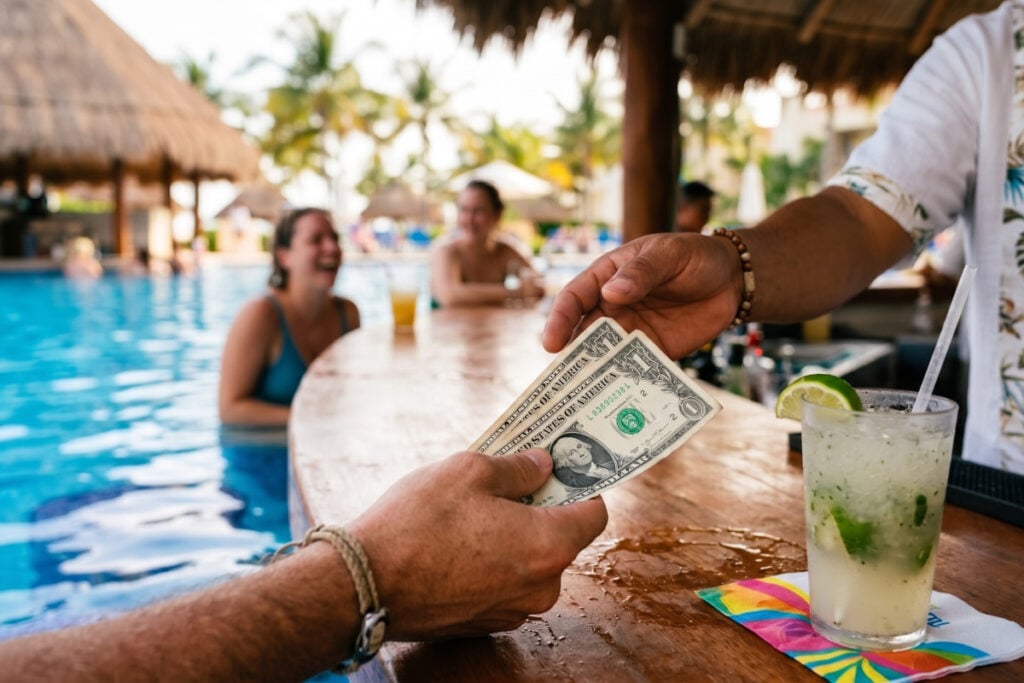
The short answer is that the strength of the peso acts like a subtle, hidden price increase for international tourists. Because your U.S. dollars simply do not buy as many pesos as they used to, things on the ground are going to cost you slightly more. However, exactly how much you feel that financial pinch depends entirely on your travel style.
Here is exactly how the surging peso will—and will not—impact your Mexican Caribbean getaway.
The All-Inclusive Bubble: Why You Might Not Notice
If you are the type of traveler who books a mega-resort in the Cancun Hotel Zone, pre-pays for your entire stay online, and rarely leaves the property, you can take a deep breath. You are largely insulated from the currency fluctuations.
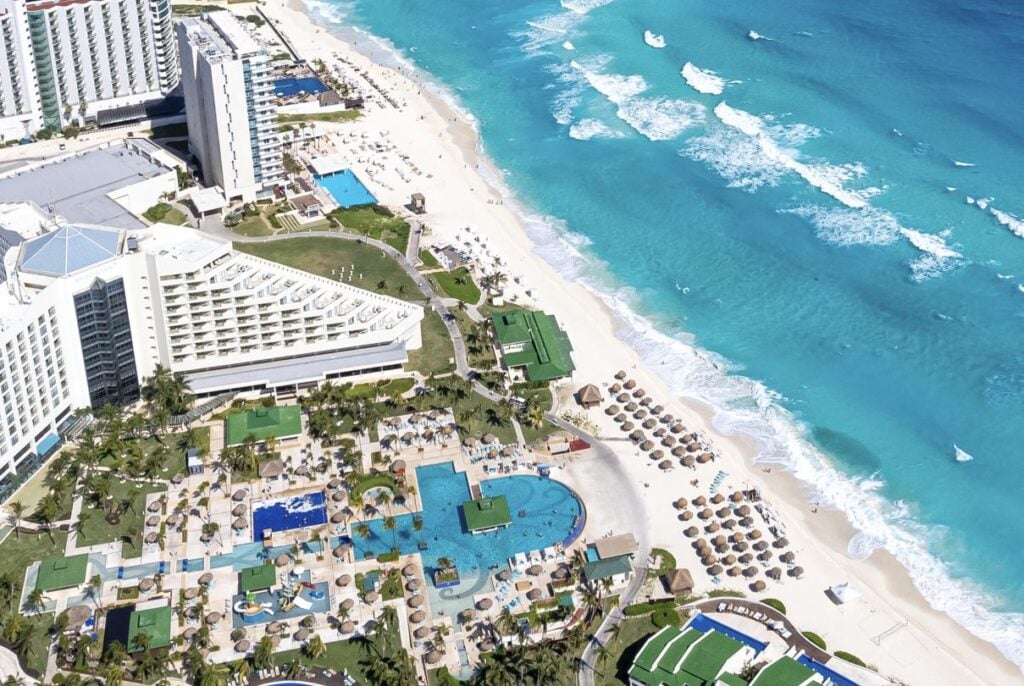
When you book an all-inclusive vacation package through a U.S.-based travel agency or directly on a major hotel brand’s website, those rates are almost always negotiated and locked in U.S. dollars.
Your room, your meals, your premium drinks at the swim-up bar, and your pre-arranged airport transfers are already paid for.
Inside that all-inclusive bubble, the daily exchange rate is completely irrelevant to your experience. The only time you will need to reach into your wallet is to pull out those stacks of $1 bills for tips. Since resort staff are accustomed to receiving gratuities in USD, the strength of the peso will not require you to change your tipping habits.
Stepping Off the Resort: Where You Will Feel the Pinch
The story changes drastically the moment you step off the resort property. If you prefer boutique hotels, Airbnb rentals, or simply love taking day trips to explore the local culture, the strong peso is going to quietly eat into your travel budget.
When you venture into downtown Cancun, take a taxi down to Playa del Carmen, or book an independent snorkeling excursion in Puerto Morelos, the local economy operates in pesos.
Imagine you sit down at an incredible, authentic seafood restaurant in downtown Cancun, and your dinner bill comes out to 1,000 pesos. A few years ago, when the exchange rate hovered around 20 to 1, that meal cost you $50 USD. Today, with the exchange rate dipping below 16.90, that exact same 1,000-peso meal will cost you nearly $60 USD. The restaurant did not raise its prices; your dollars just lost some of their purchasing power.
You will notice this premium on almost everything off-resort:
- Local Dining and Bars: Drinks and meals at independent establishments on 5th Avenue in Playa del Carmen or the Tulum beach road.
- Transportation: Taxi fares, ADO bus tickets, and rental car agreements that are calculated in local currency.
- Shopping: Souvenirs, artisan crafts, and groceries at local markets.
- Excursions: Independent tour guides, cenote entrance fees, and archaeological site tickets.
How to Protect Your Vacation Budget
You cannot control global currency markets, but you can absolutely control how you pay for things on the ground to minimize the damage.
The absolute biggest mistake U.S. tourists make when the peso is strong is paying for off-resort goods with physical U.S. cash. When you hand a merchant a $20 bill for a souvenir, they get to determine the exchange rate on the spot—and you can guarantee it will not be in your favor. Some shops will offer you an abysmal rate of 14 or 15 pesos to the dollar, essentially charging you a massive hidden tax just for the convenience of using American cash.
To combat this, your best strategy is to use a travel credit card with zero foreign transaction fees for all your off-resort dining and shopping. When the credit card terminal asks if you want to pay in USD or MXN, always choose to pay in local pesos (MXN). Your credit card network will automatically convert the charge at the exact, official daily market rate, ensuring you get every single fraction of a peso you are owed.
For smaller purchases where cash is required—like street tacos or cenote entrance fees—hit a legitimate bank ATM in Mexico (like Santander or BBVA) and withdraw physical pesos.
The Mexican Caribbean is still an incredible destination, and the strong peso should not deter you from exploring outside your resort. It just requires a little more financial awareness before you swipe your card.
Join Our Cancun Sun Community of 16,000+ Members
Get real-time answers to your travel questions from our team of local experts and thousands of fellow travelers directly inside our interactive group.
Find Your Perfect Cancun & Riviera Maya Resort In Seconds
This simple, powerful tool was built by our on-the-ground experts to match you with the ideal resort for your specific budget and travel style.
The Ultimate Cancun Trip Planner
When’s the best time to go? Our powerful month-by-month guide breaks down the weather, crowds, sargassum, and prices for your perfect trip.
Enter your email address to subscribe to The Cancun Sun’s latest breaking news affecting travelers, straight to your inbox.