
If you have ever tried to cross the street in the heart of the Cancun Hotel Zone, you already know that it can feel like a high-stakes game of Frogger. Boulevard Kukulcán, the massive, multi-lane artery that connects the entire coastal strip, is notorious for fast-moving traffic, aggressive taxi drivers, and chaotic pedestrian crossings.
After a recent spike in pedestrian accidents, the Cancun, Puerto Morelos, and Isla Mujeres Hotel Association is officially stepping in to completely overhaul how tourists navigate the roads.
According to Rodrigo de la Peña, the organization’s president, a major road safety and education plan is rolling out in direct coordination with state and municipal authorities.
The goal is to better protect the millions of walking tourists, local hospitality employees, and pedestrians who cross this busy roadway every day.


Trading Traffic Lights for Speed Bumps
One of the most aggressive and hotly debated tactics on Boulevard Kukulcán is a major shift in physical traffic infrastructure.
Instead of relying on traditional stoplights—which hurried drivers and public transit buses often ignore or try to beat—the local government has quietly been running a pilot test that involves removing electronic traffic lights in key crossing zones.
In their place, authorities are actively installing heavy speed bumps (known locally as topes). In Mexico, a properly installed tope is an unforgiving piece of concrete that forces a vehicle to come to an almost complete stop, regardless of how much of a hurry the driver is in.
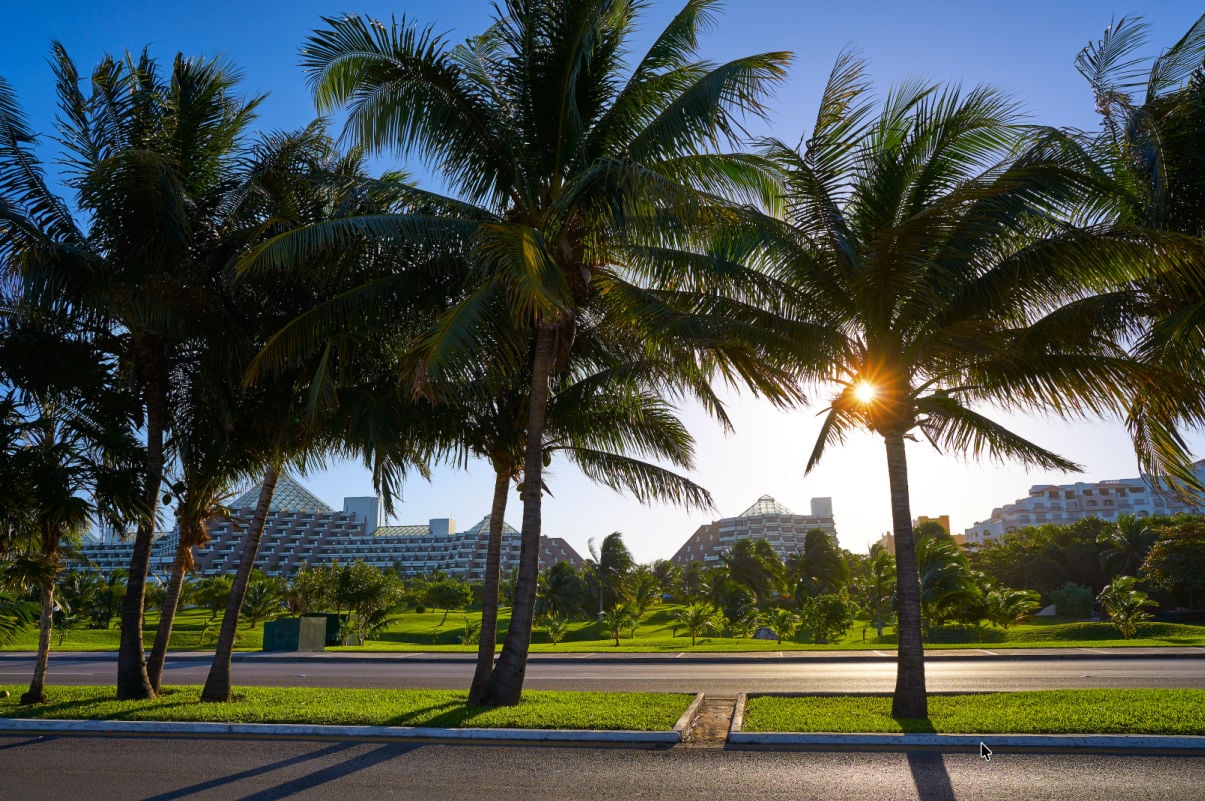
While some locals initially feared that replacing traffic lights with heavy speed bumps would completely paralyze the Hotel Zone with bumper-to-bumper gridlock, the early data suggests the exact opposite.
De la Peña publicly noted that the serious mobility studies conducted so far prove that these physical barriers are not creating more traffic than the old stoplights. Instead, they are physically forcing drivers to respect pedestrian right-of-ways, immediately lowering the risk of high-speed collisions in front of massive mega-resorts.
In the short term, the installation of even more of these aggressive speed bumps is heavily expected up and down the boulevard.
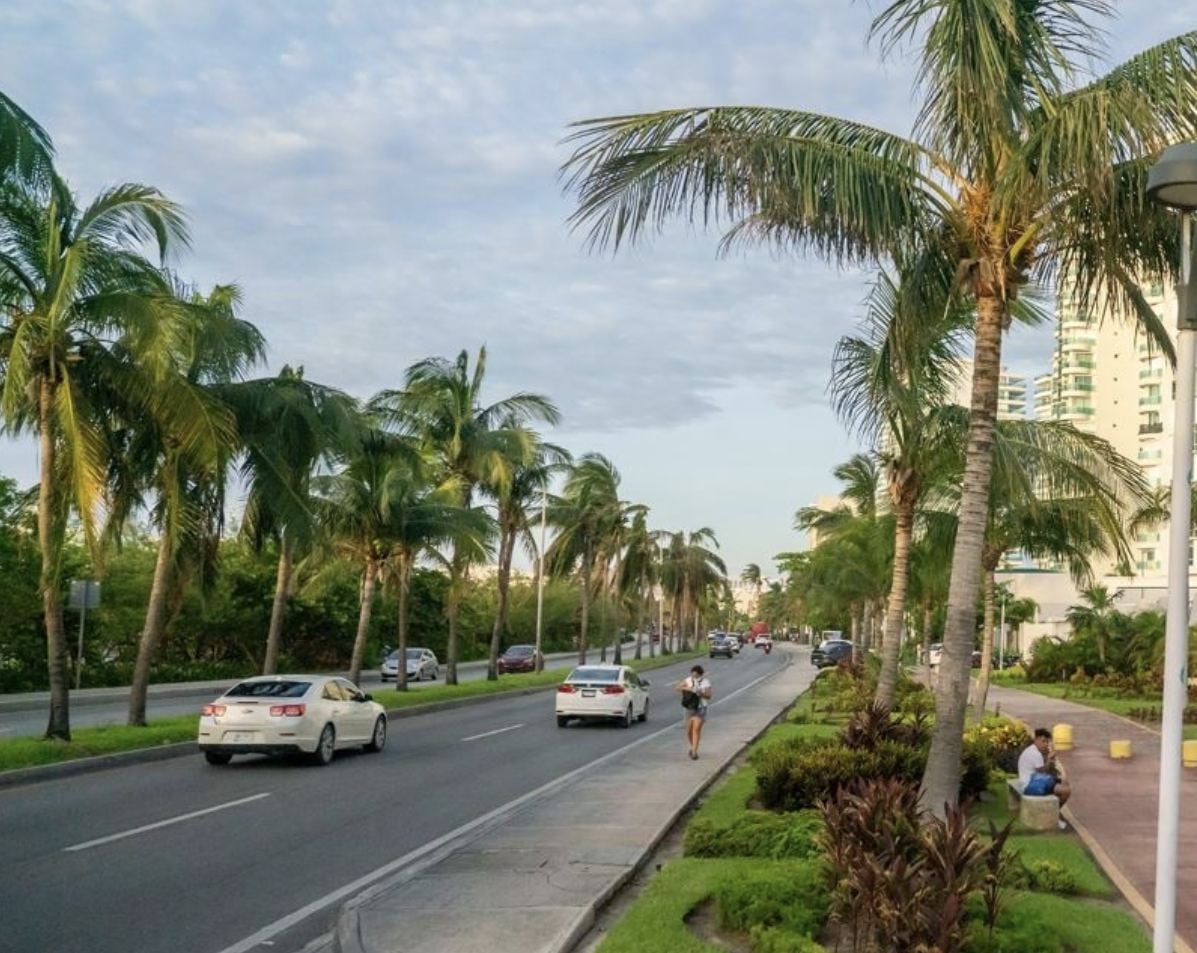
The Road Safety Education Campaign
Physical infrastructure is only half of the battle. The other major component of this new crackdown is a comprehensive, highly visible road safety education campaign aimed directly at incoming tourists.
When international travelers arrive in the Mexican Caribbean, they often let their guard down, assuming that a painted yellow crosswalk guarantees that a speeding transit bus will immediately stop for them. The reality of driving culture in Quintana Roo is vastly different. To combat this disconnect, the Hotel Association is launching a massive media blitz.

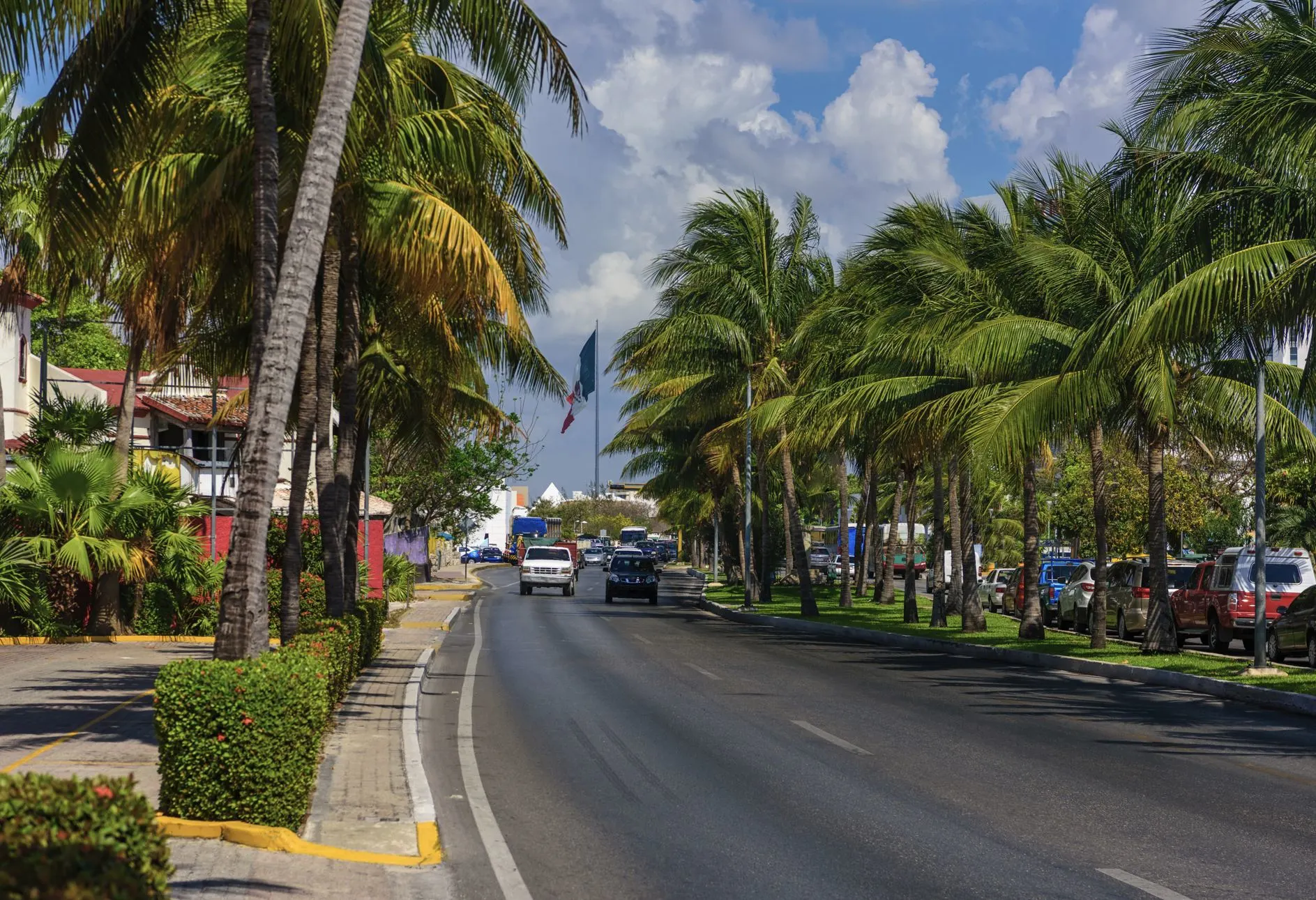
A Quiet Season Makes Upgrades Easier
The timing of this massive infrastructure and safety overhaul is not a coincidence. Cancun is currently sitting in the absolute middle of its deepest low-season trough.
Following the massive back-to-school exodus of family travelers in late August, the overall hotel occupancy across the Hotel Zone has plummeted to an average of just 50 percent. Numbers are even lower statewide. Quintana Roo is currently hovering at a 45 percent statewide occupancy rate, well below the projected 65 percent mark. Destinations further south, including Puerto Morelos, Tulum, Bacalar, and Mahahual, are currently dragging the state average down as they deal with incredibly thin crowds.
For travelers, this quiet period is the absolute perfect time to visit. The beaches are relatively empty, the resorts are dropping their nightly rates, and the local authorities have the physical breathing room to install these massive new speed bumps without causing absolute chaos during the peak winter rush.
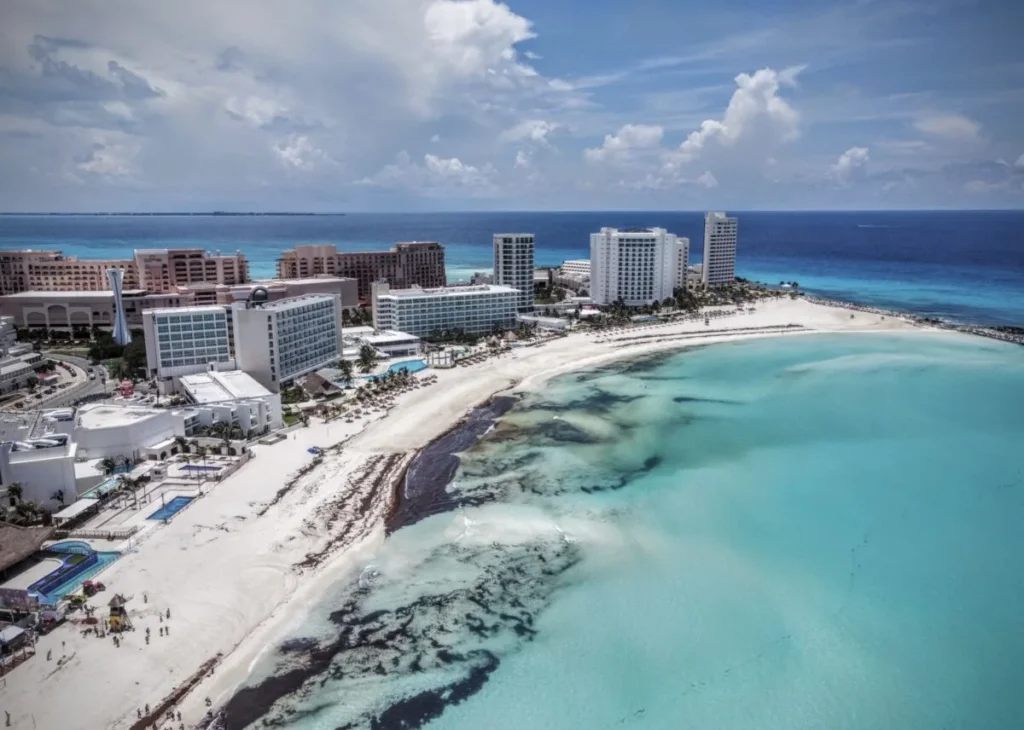
How to Stay Safe on Boulevard Kukulcán
While the new safety campaign is rolling out, you still need to actively protect yourself when walking out of your resort. Keep these crucial street-smart tactics in mind to ensure your trip remains completely accident-free:
- Make Direct Eye Contact: Never step onto the asphalt just because a crosswalk is painted on the ground. Wait on the curb, make absolute direct eye contact with the driver of the approaching vehicle, and wait until they physically hit their brakes before you start walking.
- Do Not Trust the Walk Signals: Even at intersections that still have physical traffic lights, a white pedestrian “walk” signal does not mean the intersection is actually safe. Right-turning vehicles will frequently push through the crosswalk regardless of the light. Look left, right, and left again before moving.
- Board the R1/R2 Buses Smartly: The public transit buses that fly up and down the Hotel Zone are famously aggressive. When you are waiting at a bus stop, stay far back on the sidewalk until the bus comes to a complete, dead stop. They frequently pull in hot and fast, clipping the edge of the curb.
- Skip the Late-Night Wander: The vast majority of pedestrian accidents happen after the sun goes down when tourists are leaving the massive nightclubs at Punta Cancun. If you have been drinking, do not attempt to walk two miles back to your resort in the dark. Pay the premium for a secure taxi waiting at the official cab stand.
The Mexican Caribbean is actively working to make the Hotel Zone safer for everyone on foot. By paying attention to the new infrastructure and keeping your head on a swivel, you can easily navigate the strip without a single issue.
Join Our Cancun Sun Community of 16,000+ Members
Get real-time answers to your travel questions from our team of local experts and thousands of fellow travelers directly inside our interactive group.
Find Your Perfect Cancun & Riviera Maya Resort In Seconds
This simple, powerful tool was built by our on-the-ground experts to match you with the ideal resort for your specific budget and travel style.
The Ultimate Cancun Trip Planner
When’s the best time to go? Our powerful month-by-month guide breaks down the weather, crowds, sargassum, and prices for your perfect trip.
Enter your email address to subscribe to The Cancun Sun’s latest breaking news affecting travelers, straight to your inbox.