
Planning a trip to the Mexican Caribbean usually involves a strict budget and a lot of time spent hunting for the perfect flight. You watch the numbers fluctuate on flight aggregators, waiting for the perfect moment to lock in the absolute lowest possible fare to Cancun. However, once you finally hit the purchase button, it is highly unlikely that you review the specific breakdown of national taxes attached to your receipt.
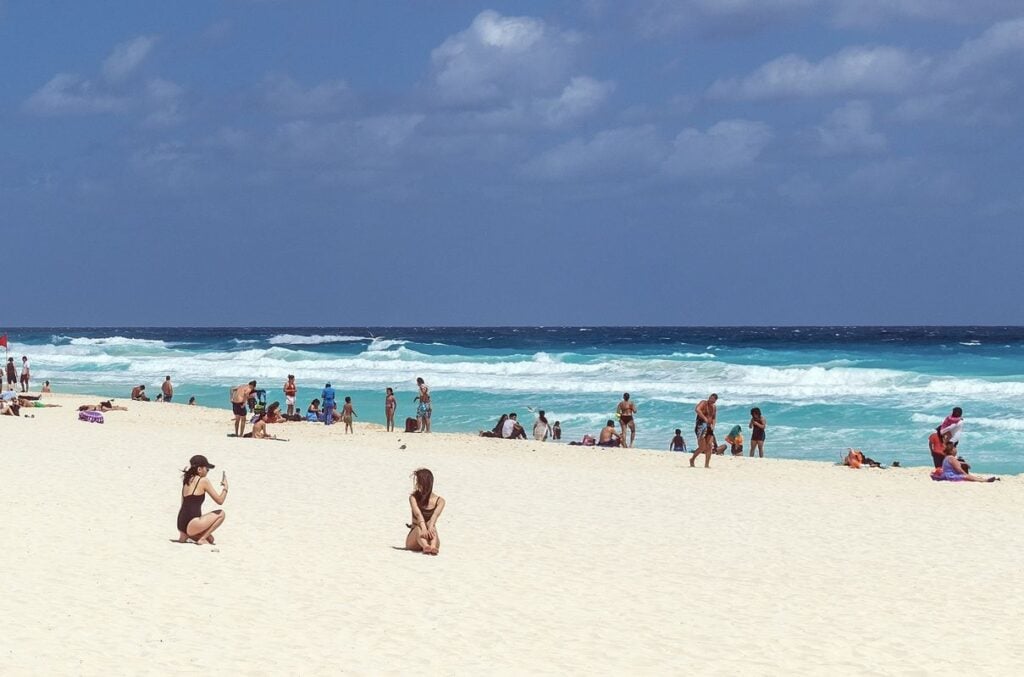
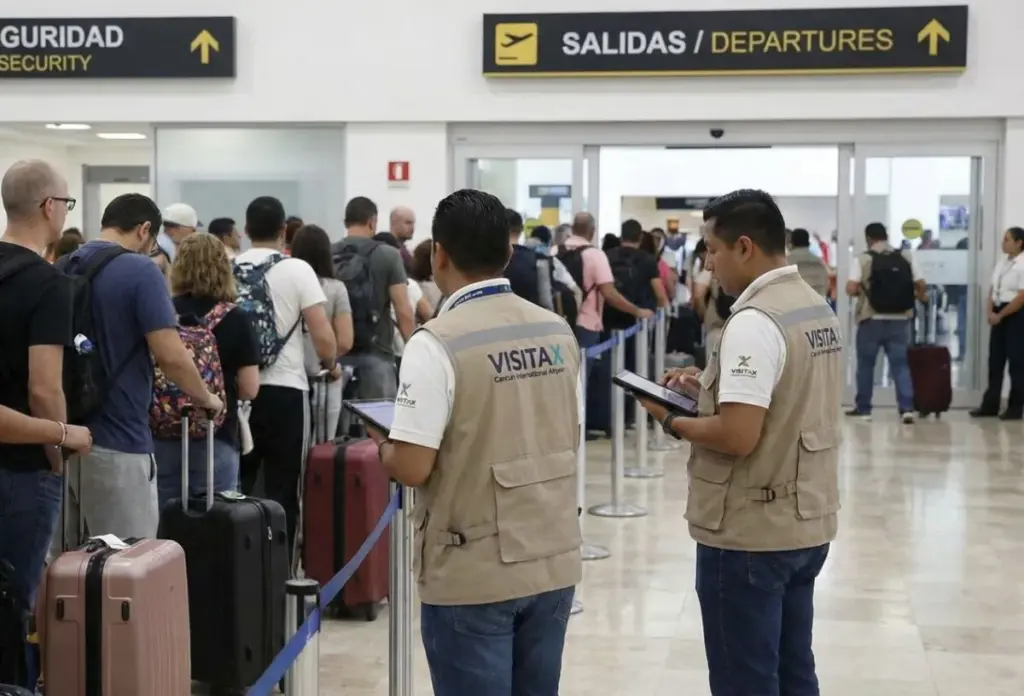
This time, we aren’t talking about the separate Visitax fee that you pay separately. A current proposal has ignited a fierce debate over a planned 35% increase that will automatically hit your flight ticket. Known as the Derecho de No Residente, or DNR, every single international tourist arriving in Mexico is required to pay this entry tax. Depending on the final outcome of this proposal, your next family vacation to the Riviera Maya could become a little more expensive.
The Hidden Federal Price Tag
To grasp why this proposal is causing such a massive stir among local tourism officials, you have to look at the sheer scale of the financial increase. Right now, the mandatory tourist entry fee sits at 983 pesos.If federal agencies successfully push their new proposal through the upcoming 2027 budget approvals, that baseline fee will jump by nearly 36 percent to 1,334.80 pesos. When converted to United States dollars, every international traveler will be paying roughly $66 just for the right to step off the plane in Cancun. That is a $17 per person increase on top of the already mandatory Visitax of $16 per person.
While an extra $66 might not sound like a completely deal-breaking amount for a solo traveler or a couple on a honeymoon, the financial impact becomes absolutely brutal for families. If you are flying down with a family of four, you will be hit with over $260 in mandatory entry fees before you even buy your first round of beachfront tacos or pay for a private shuttle to your resort in the Hotel Zone.
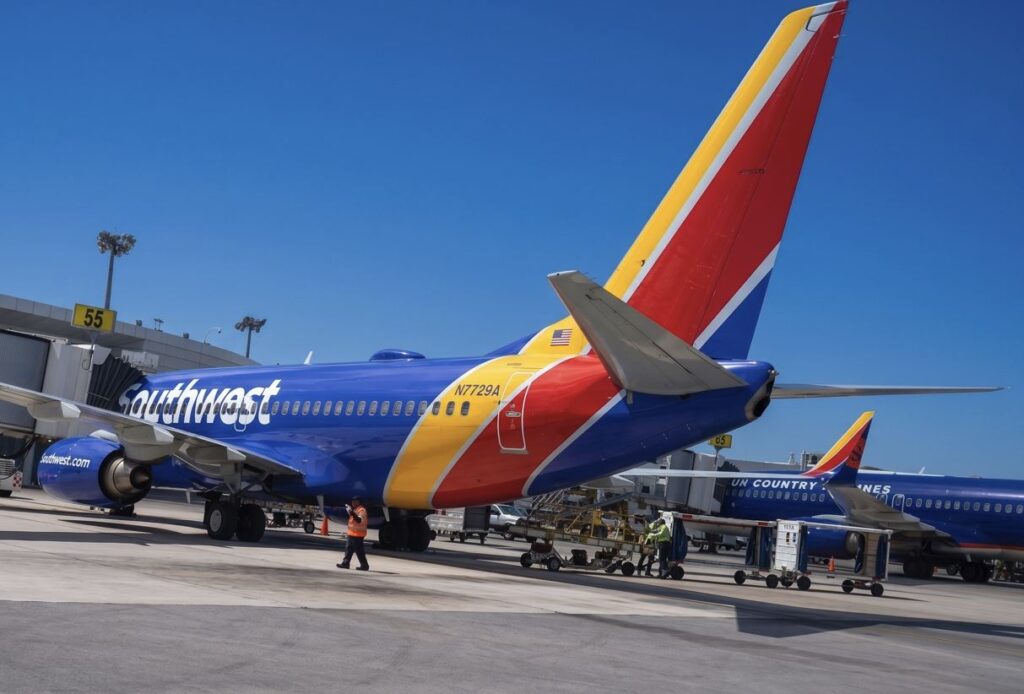
Despite this substantial price hike, there is a very specific reason why it has not yet caused a massive uproar among American tourists. The fee is practically invisible to the average consumer. Mexico does not require you to line up at a physical toll booth in the Cancun airport to pay your $66 in cash. Instead, national agencies mandate that commercial airlines collect the DNR fee on their behalf. The charge is quietly baked directly into the final advertised price of your airline ticket. Because airfare fluctuates wildly based on the season, a twenty dollar price increase on a flight receipt is essentially imperceptible.

Where Exactly Is The Money Going?
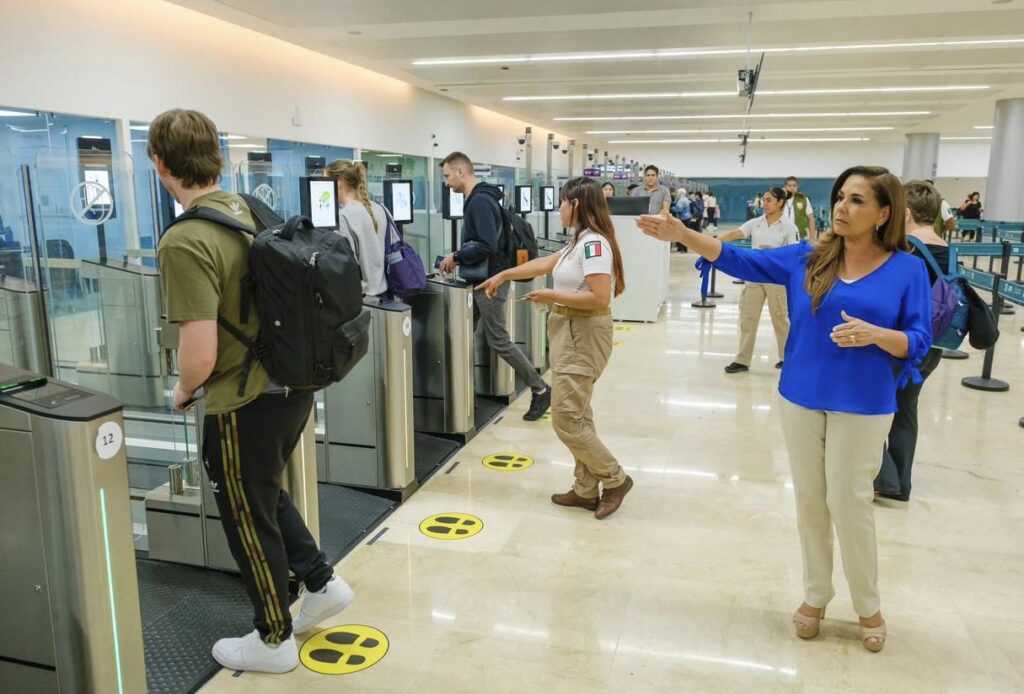
If the system is going to extract a massive revenue increase from every tourist landing in Quintana Roo, travelers deserve to know exactly how that money will be spent. For years, the federal government claimed DNR funds were needed to modernize immigration checkpoints. However, Cancun International Airport has already undergone massive technological upgrades, installing automated e-gates that allow travelers to clear customs in minutes.
With airport modernization already largely completed, the revenue from this proposed 35% hike is slated for a very different destination. In recent years, federal lawmakers restructured the distribution of the DNR tax, redirecting the funds away from traditional tourism promotion and into a military run trust. This trust is managed by the Secretariat of National Defense and is primarily used to fund massive federal infrastructure projects, most notably the ongoing expansion and operation of the Mayan Train. When you pay this hidden entry fee, you are directly funding federal rail and infrastructure developments rather than local resort level improvements.
The Mexican Caribbean Hotel Council Fights Back
This redirection of funds is exactly why the Mexican Caribbean Hotel Council is actively fighting the proposal. This organization represents hotel and timeshare associations across Quintana Roo, and they are incredibly protective of the region’s tourism numbers. It all comes down to fierce global competitiveness.
Local hospitality leaders rely heavily on United States and Canadian visitors who strictly budget their trips months in advance. The council argues that making travel more expensive will severely damage the competitiveness of Cancun and the Riviera Maya compared to other tropical options. They point out that tourists visiting the state already have to pay the state level VISITAX and a nightly municipal environmental room tax. Adding a massive federal hike to fund national rail projects creates a heavy cumulative financial impact. A suddenly more expensive plane ticket could easily push a budget conscious family to pivot their vacation plans entirely and choose a cheaper island destination.
What This Means For Your Travel Budget
As the proposal undergoes review for the 2027 economic package, travelers should start preparing for slightly higher airfare costs. If approved, the hike will take effect in the new year. You will not need to carry extra cash to the airport to cover this specific federal increase, as the airlines will continue to handle the collection seamlessly behind the scenes.
However, it is crucial to factor this into your overall vacation budget. When you start comparing the total cost of a Cancun vacation against a trip to Punta Cana or Jamaica, that hidden ticket cost might start to tip the scales. For now, it remains to be seen if the strong local pushback from Quintana Roo tourism leaders can stop the hike, or if your next flight south is about to get permanently more expensive.
Tourist Entry Fee Hike
Join Our Cancun Sun Community of 16,000+ Members
Get real-time answers to your travel questions from our team of local experts and thousands of fellow travelers directly inside our interactive group.
Find Your Perfect Cancun & Riviera Maya Resort In Seconds
This simple, powerful tool was built by our on-the-ground experts to match you with the ideal resort for your specific budget and travel style.
The Ultimate Cancun Trip Planner
When’s the best time to go? Our powerful month-by-month guide breaks down the weather, crowds, sargassum, and prices for your perfect trip.
Enter your email address to subscribe to The Cancun Sun’s latest breaking news affecting travelers, straight to your inbox.