
If you are packing your bags for a Mexican Caribbean getaway, I know the last thing you want to see pop up on your news feed is a warning about a “brain-eating amoeba.” A recent tragic case in neighboring Yucatán state has understandably sparked intense anxiety among travelers heading to Cancun, Playa del Carmen, and Tulum. But before you panic and cancel your resort reservation, local health officials want to set the record straight: your vacation is completely safe.
After a confirmed fatality in Mérida involving the incredibly rare Naegleria fowleri amoeba, Cancun’s municipal health director, Dr. Héctor González Rodríguez, immediately addressed the public. His message was crystal clear. There are absolutely zero reported cases of this amoeba anywhere in Cancun or the northern Quintana Roo tourist corridors.
Let’s break down exactly what happened, why Cancun remains totally safe, and how you can enjoy the water without a second thought.
Understanding the Isolated Case in Mérida
The incident in Mérida was a highly isolated medical anomaly. Regional health teams traced the infection directly to a specific, untreated body of warm, stagnant freshwater in Yucatán. Authorities immediately isolated the exact site and treated the water with high-level chemical decontamination agents to completely eliminate any lingering biological hazards.
Because Naegleria fowleri requires incredibly specific environmental conditions to survive—namely, stagnant freshwater baking in 95°F to 115°F summer heat—the risk of encountering it is exceptionally low. This microscopic organism is not contagious. It cannot be transmitted from person to person, and you cannot get sick simply by swallowing contaminated water. Infection only occurs if warm, infested freshwater is forcefully pushed deep up into your nasal passages, usually from jumping or diving.
Where You Are 100% Safe in Cancun
When I’m out exploring the Riviera Maya, I never worry about this specific amoeba, and neither should you. The vast majority of standard tourist activities carry absolutely zero risk of exposure.
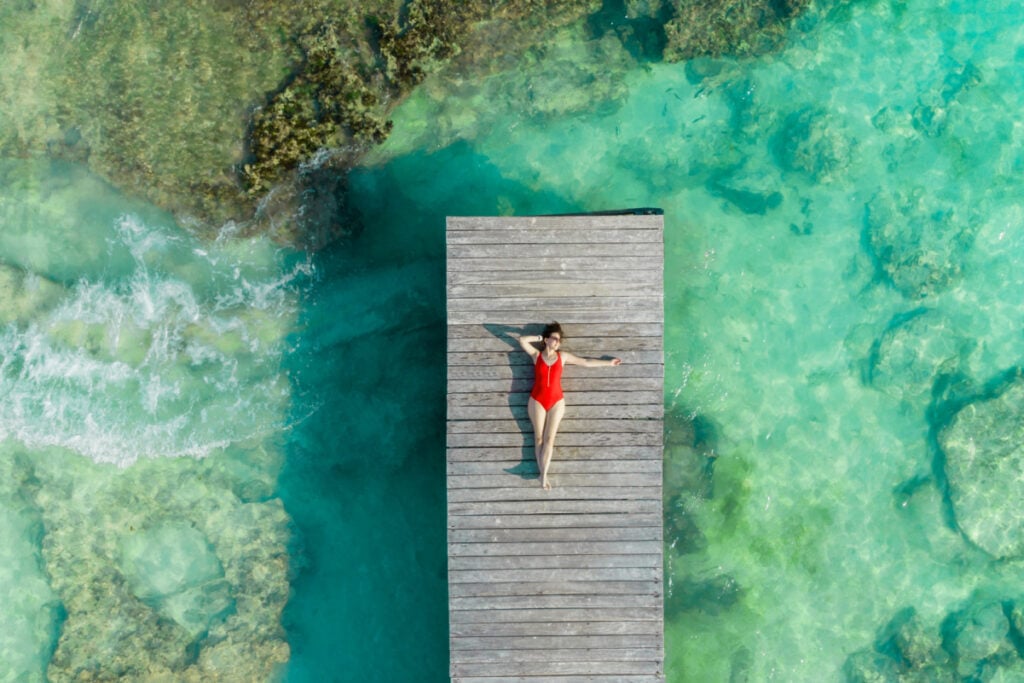
- The Caribbean Sea:Naegleria fowleri instantly dies in saltwater. Every single ocean beach from Cancun down to Tulum is completely immune to this parasite. You can swim, snorkel, and scuba dive in the open ocean with total peace of mind.
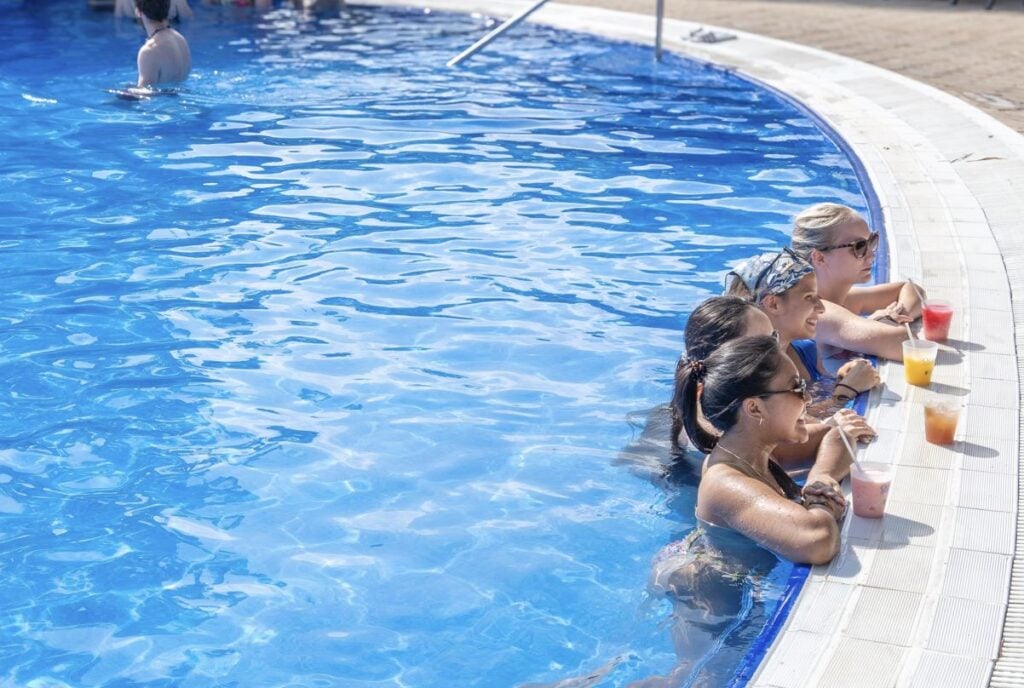
- Resort Swimming Pools: Properly chlorinated water kills the amoeba on contact. Whether you are swimming at a massive all-inclusive resort in the Hotel Zone or a boutique hotel rooftop pool, standard commercial filtration systems make transmission impossible.
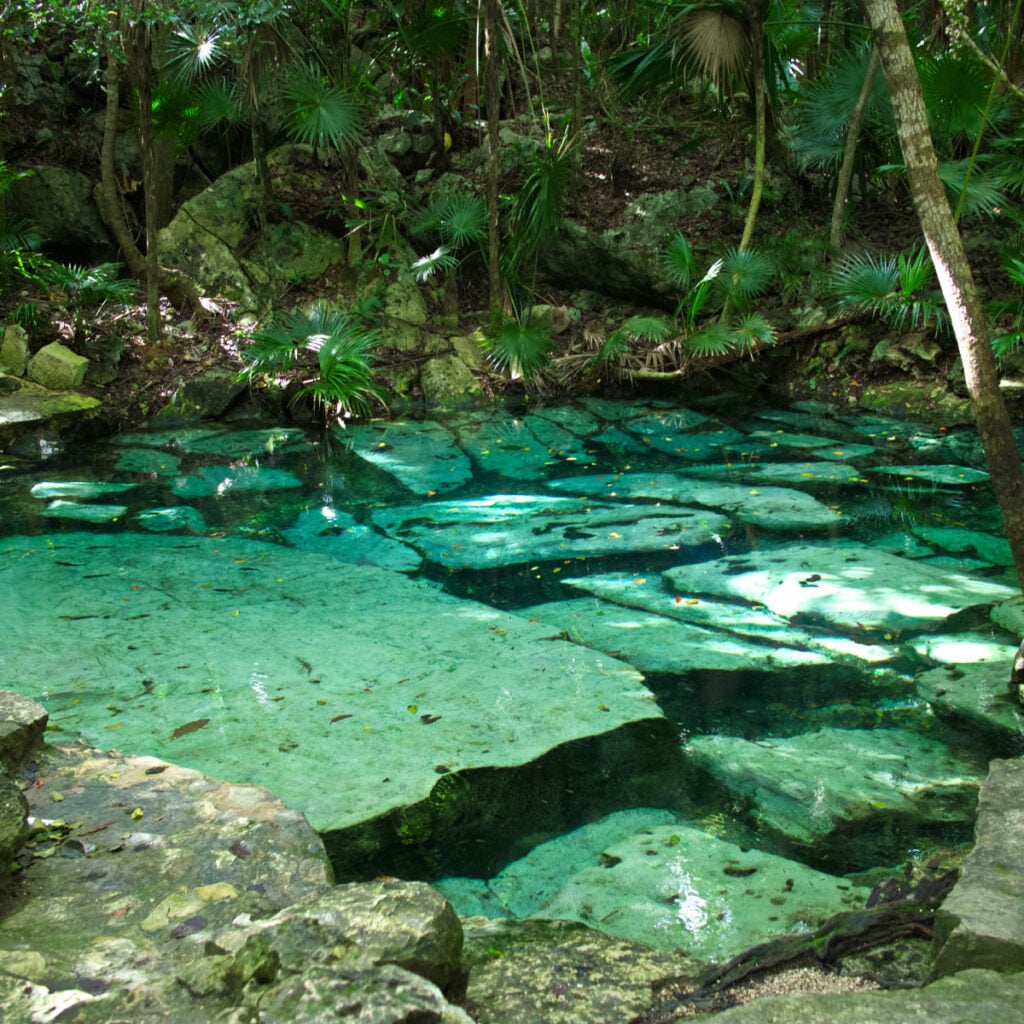
- Jungle Cenotes: Our famous subterranean swimming holes are generally fed by freezing cold, fast-moving underground limestone rivers. The water temperature in the vast majority of cenotes is far too cold for the amoeba to thrive.
The Real Warning: Avoid Stagnant Urban Fountains
While the beaches and resorts are perfectly safe, Dr. González Rodríguez did issue one highly specific warning for locals and visitors alike. Stay out of the decorative public fountains.
During intense heat waves, it is common to see children or unhoused individuals splashing in the decorative water jets at downtown plazas like El Crucero Park or Kilometer Zero. These public fountains use untreated, recycled runoff water. They are entirely unmonitored for biological hazards and are absolutely not intended for bathing or recreation.
If you are walking through downtown Cancun, simply admire the fountains from a distance and keep your family out of the stagnant splash basins.

Simple Water Safety Tactics for Your Trip
Practicing smart water discipline is always a good idea whenever you travel. If you plan on renting a car and venturing off the beaten path this season, just keep these basic rules in your back pocket to ensure a flawless trip:
- Keep Your Head Above Stagnant Water: If you find a rural, muddy-bottomed pond or a warm, slow-moving freshwater lagoon, do not dive in or submerge your head under the surface.
- Use a Nose Clip: If you plan on cliff-jumping into warmer natural freshwater bodies, wear a simple nose clip or pinch your nose closed to prevent water from shooting up your nasal canal.
- Drink Purified Water: Never drink from the tap in Mexico. Rely exclusively on the sealed bottled water provided by your resort or the filtered water served in local restaurants.
- Stick to Certified Eco-Parks: If you want to explore underground rivers without a worry in the world, stick to highly regulated eco-parks like Xcaret or Xel-Há, which conduct rigorous, daily water quality testing.
Cancun remains one of the most heavily monitored tourist destinations on the planet. With the fall season bringing cooler coastal breezes and pristine weather, you can look forward to enjoying your tropical escape without the stress.
Join Our Cancun Sun Community of 16,000+ Members
Get real-time answers to your travel questions from our team of local experts and thousands of fellow travelers directly inside our interactive group.
Find Your Perfect Cancun & Riviera Maya Resort In Seconds
This simple, powerful tool was built by our on-the-ground experts to match you with the ideal resort for your specific budget and travel style.
The Ultimate Cancun Trip Planner
When’s the best time to go? Our powerful month-by-month guide breaks down the weather, crowds, sargassum, and prices for your perfect trip.
Enter your email address to subscribe to The Cancun Sun’s latest breaking news affecting travelers, straight to your inbox.