
When you mention shopping in Cancun, most people immediately think of the massive, high-end commercial centers located directly in the Hotel Zone. Luxury complexes like La Isla Shopping Village and Puerto Cancun Marina Town Center are designed to cater heavily to the affluent American tourist, featuring the same global designer brands you can find in any major U.S. city—but often with a massive, localized price markup.
However, a massive shift is happening right now in how travelers and locals are spending their money. Driven by a desire for authentic cultural experiences and the need to maximize travel budgets, tourists are increasingly skipping the overpriced air-conditioned malls and flocking directly into Cancun’s vibrant, open-air street markets (known locally as tianguis).
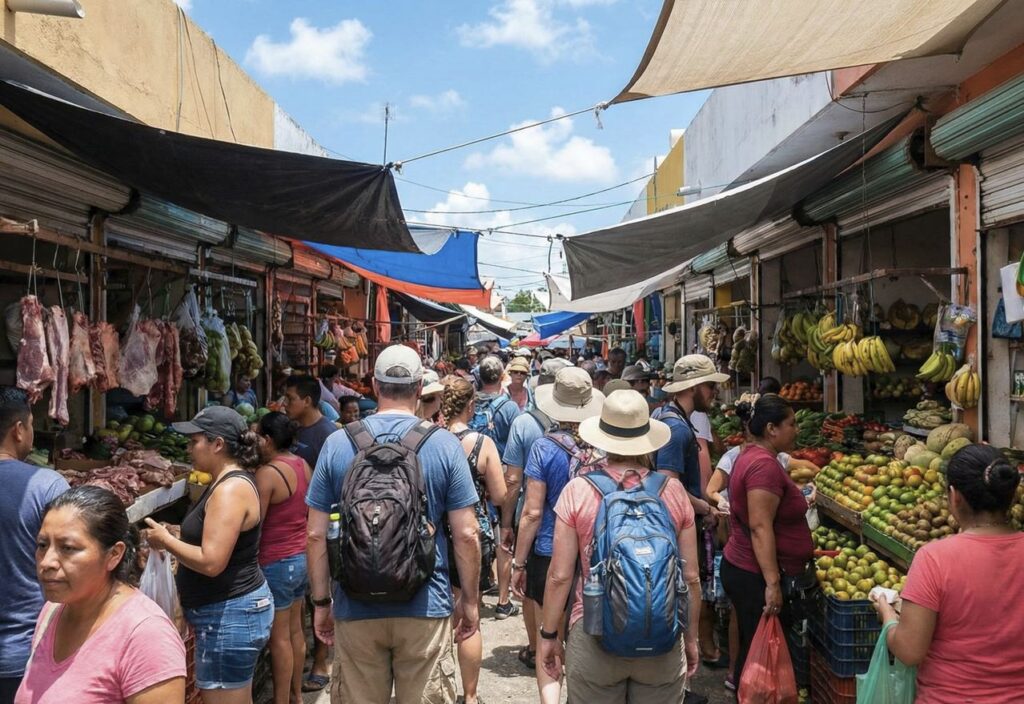
Following a remarkably slow summer and early fall, these traditional local markets are suddenly booming again. Here is why the local street markets are seeing a massive resurgence this November, what you can find there, and how it completely changes the dynamic of your Mexican Caribbean vacation.
The 30% Resurgence
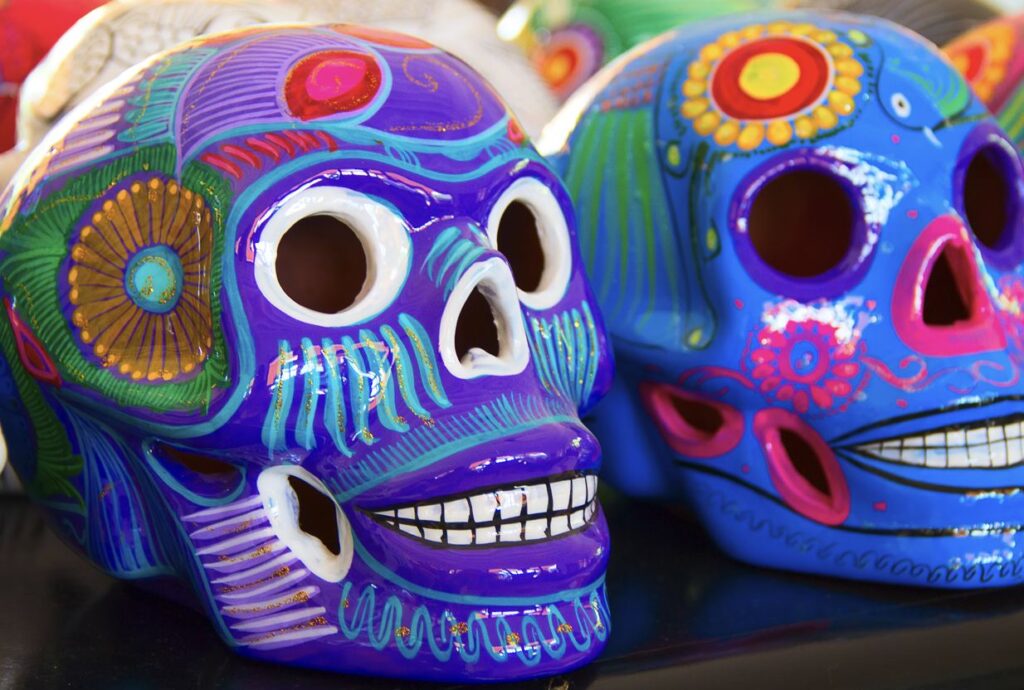
The end of summer and the early fall months are notoriously slow for local vendors in Quintana Roo, as heavy rains and peak hurricane season keep both locals and tourists indoors. But the momentum shifted dramatically during the massive Day of the Dead (Día de los Muertos) celebrations in early November.
According to Paloma Ortega Cuervo, the general secretary of the Union of Street Vendors and Market Stallholders of the State of Quintana Roo, attendance and foot traffic at the open-air markets have skyrocketed by roughly 30 percent since the holiday.
This is not just a modest bump in window shopping; actual spending is heavily increasing. Cuervo noted that during the most difficult, slow months, the average consumer was severely restricting their spending, often dropping from an average of 500 pesos down to a strict 200 pesos per visit. Today, as the winter high season approaches and the economic outlook improves, that average spend is already rebounding back up to around 400 pesos per shopper.
Why Are Tourists Flocking to the Markets?
So, why are international visitors suddenly trading the luxury of La Isla for the chaotic, vibrant energy of the local tianguis?
1. Authentic Cultural Immersion: The modern traveler is actively seeking authentic, hyper-local experiences rather than generic, sterilized luxury. Walking through a bustling Cancun street market offers a sensory overload that you simply cannot replicate inside a massive corporate mall. It is a genuine, boots-on-the-ground look at everyday Mexican life, far removed from the heavily guarded resort corridors.

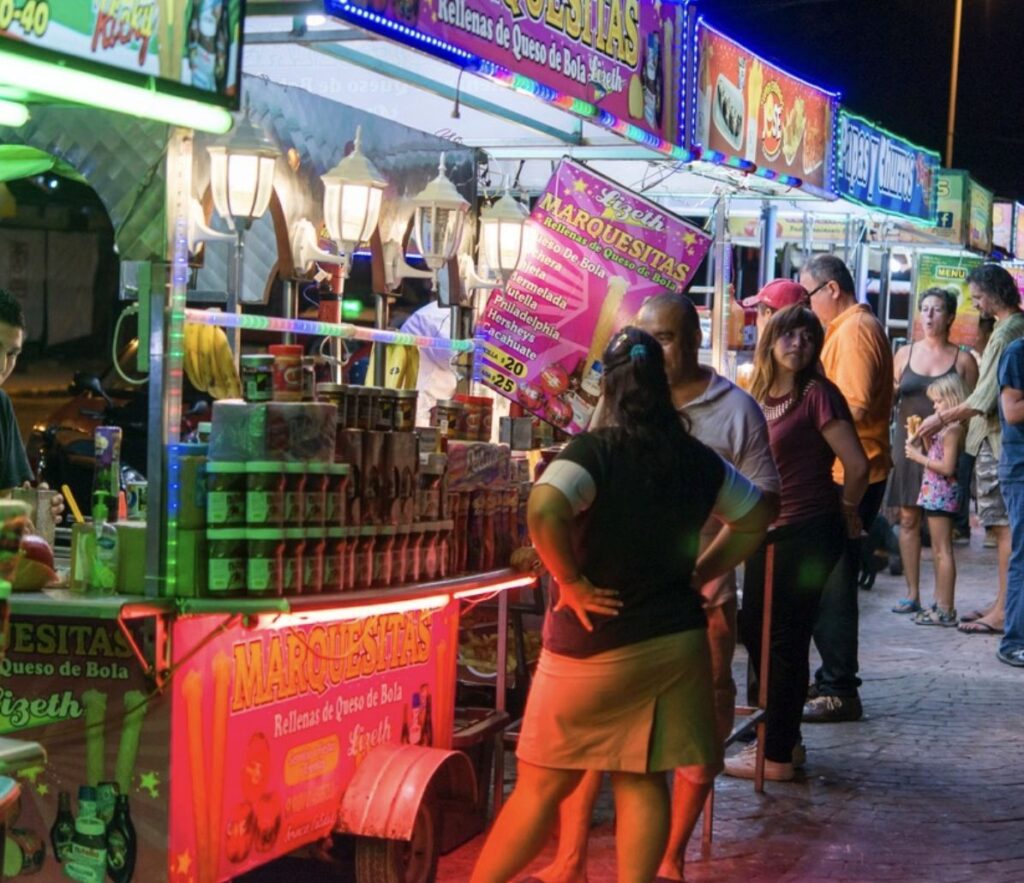
2. Incredible Local Street Food: The food is arguably the massive driving force behind this shift. In the Hotel Zone, a mediocre plate of tacos and a margarita can easily set you back $30 to $40 USD. In the open-air markets, the culinary experience is radically different. Vendors offer spectacular, deeply traditional dishes—like slow-roasted cochinita pibil, fresh tamales, elotes, and handmade empanadas—for just a few dollars. Furthermore, local food vendors are currently rolling out aggressive promotions for Buen Fin (Mexico’s version of Black Friday), making the street food scene even more affordable.
3. Unique, Artisan Goods: If you want to buy a designer handbag, you go to the Hotel Zone. But if you want to buy beautiful, hand-painted Talavera pottery, intricate textiles, authentic silver jewelry from Taxco, or unique wooden carvings, the street markets are the only place to go. You are buying directly from the artisans or local merchants, meaning your money stays completely within the local community.
The Boom Will Continue Into 2027
The massive increase in foot traffic is not just a temporary holiday spike. Local union leaders and market vendors are actively expecting to maintain this robust recovery straight through the peak winter travel season, riding the massive wave of tourism all the way until March 2027.
In fact, the financial opportunity in Cancun is currently so strong that merchants from completely different states across Mexico are already arriving in the city early, setting up shop specifically to take advantage of the massive end-of-year economic rush.
If you are traveling to Cancun this winter, do yourself a massive favor: skip the designer stores you can find back home. Grab a few hundred pesos, head into the downtown markets like Market 28 (Mercado 28), and experience the actual, vibrant culture that makes Mexico so spectacular.
The 30 Percent Resurgence
Following Day of the Dead celebrations, market traffic jumped 30 percent and average visitor spending rebounded up to 400 pesos.
Authentic Street Food
Skip overpriced Hotel Zone meals and enjoy slow-roasted cochinita pibil, fresh tamales, and handmade empanadas for just a few dollars.
Unique Handcrafted Goods
Buy hand-painted Talavera pottery, authentic silver jewelry, and wooden carvings directly from artisans so your money stays local.
Real Mexican Life
Explore vibrant open-air tianguis for a genuine sensory experience far removed from the heavily guarded resort corridors.
Sustained Growth Into 2027
Vendors expect this robust recovery to continue straight through the peak winter travel season until March 2027.
Join Our Cancun Sun Community of 16,000+ Members
Get real-time answers to your travel questions from our team of local experts and thousands of fellow travelers directly inside our interactive group.
Find Your Perfect Cancun & Riviera Maya Resort In Seconds
This simple, powerful tool was built by our on-the-ground experts to match you with the ideal resort for your specific budget and travel style.
The Ultimate Cancun Trip Planner
When’s the best time to go? Our powerful month-by-month guide breaks down the weather, crowds, sargassum, and prices for your perfect trip.
Enter your email address to subscribe to The Cancun Sun’s latest breaking news affecting travelers, straight to your inbox.