
Anyone who has visited the Mexican Caribbean knows that navigating the local taxi system can often be the most stressful part of the entire vacation. For decades, the local taxi syndicate has operated entirely without meters, relying on a confusing, zone-based pricing grid that is frequently ignored by drivers. This lack of technological regulation has led to rampant, aggressive overcharging, with tourists routinely quoted $30 to $40 USD for a simple five-minute ride down the Hotel Zone.
After years of traveler complaints and massive friction with ride-sharing apps, the days of curbside price haggling are officially numbered. Following immense pressure to modernize from both the public and the state government, Cancun is finally rolling out a massive fleet of digital taximeters.
Here is exactly how the new digital system works, the high-tech safety features being installed in the cabs, and what this massive transportation overhaul means for your next trip to Quintana Roo.

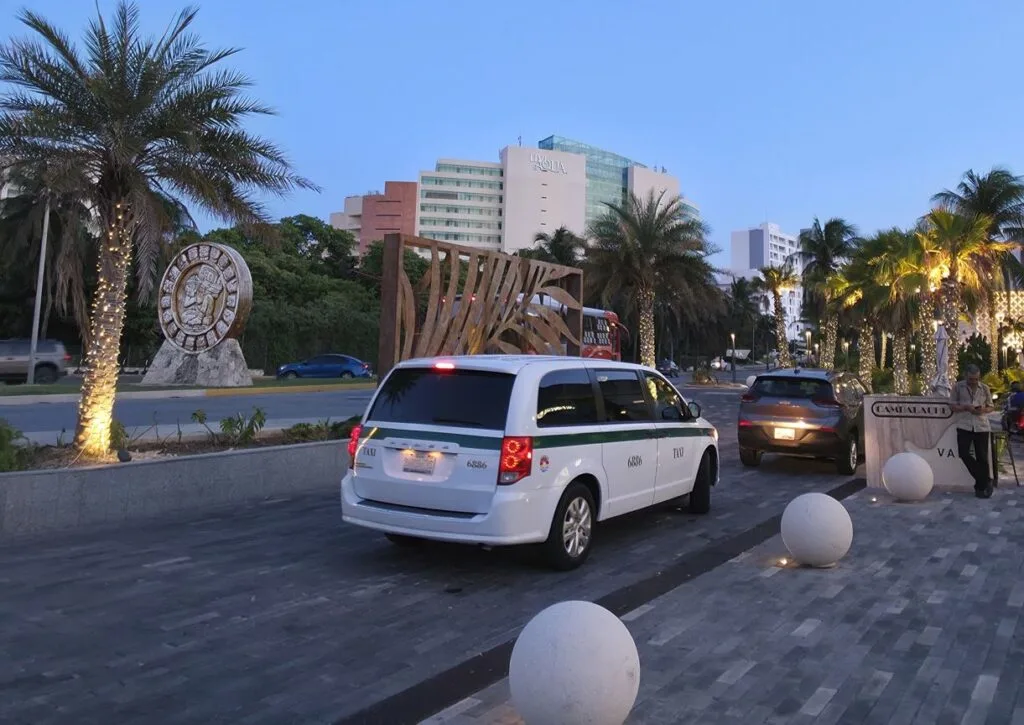
The 3,000-Taxi Rollout Target
The implementation of digital taximeters is no longer just a highly debated concept; the pilot testing phase has officially begun on the streets of Cancun.
According to Rubén Antonio Carrillo Buenfil, the leader of the powerful “Andrés Quintana Roo” taxi union, the comprehensive digital system is actively being integrated into local rental cars right now. The aggressive technological rollout targets a massive milestone: by March 2027, the union expects to have a staggering 3,000 metered taxis actively operating across the city’s urban areas and the highly trafficked Hotel Zone.
For a union that has historically pushed back against digital modernization, this is a massive operational shift. Carrillo Buenfil explicitly acknowledged that the taximeter has ceased to be a taboo subject among drivers. Instead, union leadership now views the technology as an indispensable tool designed to provide absolute fare certainty to anxious tourists while guaranteeing fair, regulated income to the operators.


How The New Fares Are Calculated
Under the old, unmetered system, drivers could essentially quote whatever price they felt they could get away with, often heavily inflating the cost the moment they heard an American or Canadian accent.
The new comprehensive system completely eradicates these discretionary charges by relying strictly on verifiable data. The taximeters will operate using a standard starting signal—often referred to as a “flag drop” fare. From there, the digital system will automatically and progressively adjust the final price based on exact mileage and the time spent idling in traffic congestion.
This time-and-distance calculation is incredibly necessary given Cancun’s massive recent urban sprawl. A standard trip from downtown shopping centers like Plaza Las Américas out to the expanding neighborhoods of Nuevo Cancun can easily take 40 minutes in heavy traffic. The digital meters ensure that tourists are only paying for the exact distance traveled, completely removing the anxiety of a surprise fare hike at the end of the ride.

High-Tech Safety and Card Payments
The new devices being installed in Cancun taxis are not just simple digital calculators; they are comprehensive, state-mandated security hubs.
To comply with the strict regulatory requirements set by the Quintana Roo State Mobility Institute (Imoveqroo), every authorized taximeter must feature a suite of high-tech upgrades. The devices are equipped with active GPS geolocation, allowing authorities to track the vehicle’s exact route in real-time. Even more importantly for traveler safety, the meters feature built-in panic buttons that establish a direct, instant communication link to the local C5 (Command, Control, Computing, Communications, and Citizen Contact Center) security headquarters.


Furthermore, the new digital screens are built with tamper-proof security locks to prevent drivers from manually altering the fare rates. In a massive win for international travelers who prefer not to carry large stacks of local currency, these digital devices will also possess the capability to process credit and debit card payments directly.
To fund this massive technological leap, the union is currently evaluating multiple supplier options, with the devices costing between 1,500 and 3,000 Mexican pesos each. Drivers will acquire the equipment through structured monthly credit schemes or by integrating commercial advertising sponsorships directly onto the digital screens.
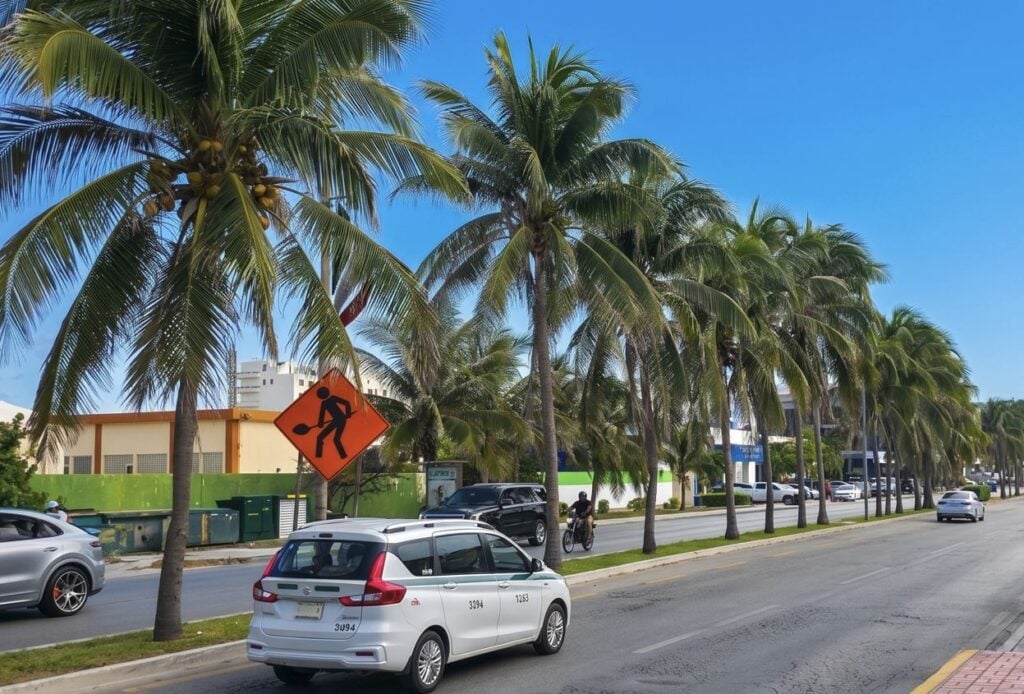
Navigating the Transition This Winter
While the pilot program is actively underway, it is vital to remember that the fleet will not reach its 3,000-vehicle milestone until March 2027. If you are traveling to the Mexican Caribbean for the upcoming winter holidays, you will likely encounter a mix of new metered cabs and traditional unmetered taxis.
If you step up to a taxi that does not yet have a digital meter installed, the old rules still apply: you must explicitly ask for the price and agree on the final fare before you open the door and get inside the vehicle. If the quoted price seems astronomically high, simply walk away and order an Uber or hop on the new, highly affordable MOBI public bus system.
Cancun is finally forcing its transportation sector into the modern era. By next spring, the anxiety of the airport taxi hustle will be a thing of the past, allowing you to focus entirely on enjoying the spectacular beaches of the Riviera Maya.
3,000 Metered Cabs
The Andrés Quintana Roo union is actively integrating digital meters across urban areas and the Hotel Zone with full rollout by spring 2027.
Distance & Time Fares
Meters calculate pricing using a standard flag drop plus exact mileage and traffic idling time, ending arbitrary tourist overcharging.
GPS Tracking & Panic Buttons
Authorized taximeters feature active real-time GPS geolocation, tamper-proof locks, and direct panic buttons linked to C5 police headquarters.
Credit & Debit Cards
New digital taximeters possess the capability to process card payments directly on screen, eliminating the need for stacks of local cash.
Mixed Fleet Operation
During the pilot phase, travelers will encounter unmetered cabs requiring pre-agreed pricing, Uber backups, or the MOBI public bus.
Join Our Cancun Sun Community of 16,000+ Members
Get real-time answers to your travel questions from our team of local experts and thousands of fellow travelers directly inside our interactive group.
Find Your Perfect Cancun & Riviera Maya Resort In Seconds
This simple, powerful tool was built by our on-the-ground experts to match you with the ideal resort for your specific budget and travel style.
The Ultimate Cancun Trip Planner
When’s the best time to go? Our powerful month-by-month guide breaks down the weather, crowds, sargassum, and prices for your perfect trip.
Enter your email address to subscribe to The Cancun Sun’s latest breaking news affecting travelers, straight to your inbox.