
The recent 15% drop in international arrivals at the Cancun airport has been celebrated by off season travelers seeking quiet resorts and empty pools. However, that massive reduction in foot traffic has triggered a reality check for the local economy. The culinary scene across the Mexican Caribbean is currently facing one of its most severe financial crises in recent memory. While fewer crowds mean a more relaxed vacation for those visiting the region, the local businesses that rely on consistent dining volume are being completely hollowed out by the sudden lack of demand. The reality on the ground is stark, and the collateral damage is starting.

The Wave Of Permanent Closures
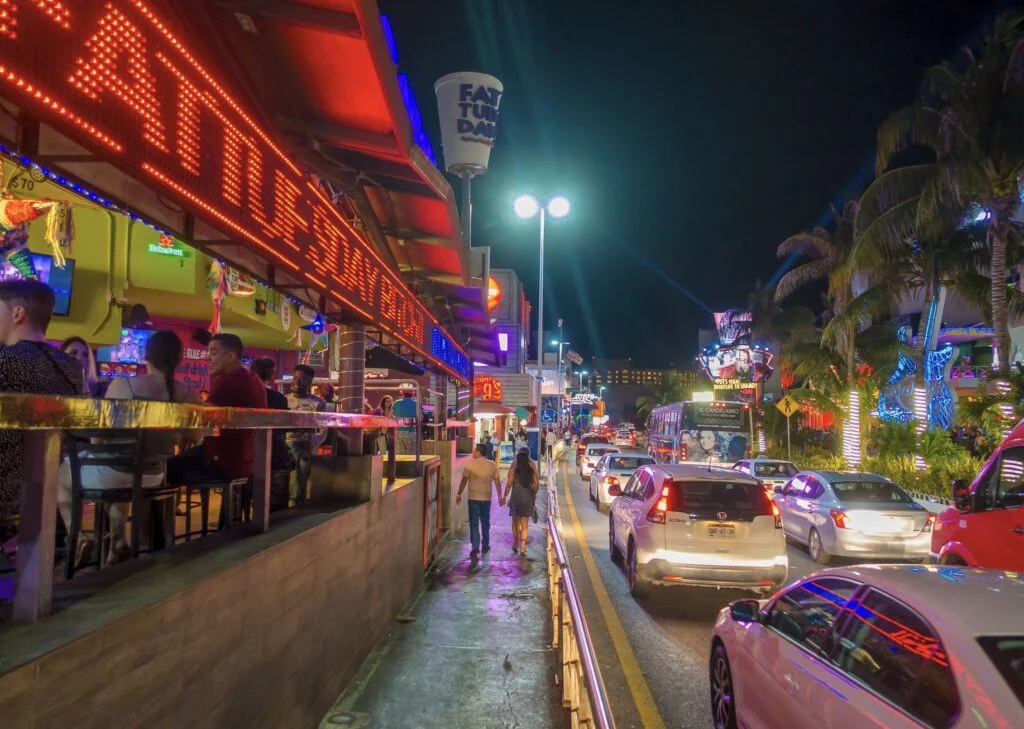
According to Perla Flores Navarro, the president of the National Chamber of the Restaurant and Seasoned Food Industry in Cancun, the situation has reached a highly critical point. The organization, known locally as Canirac, confirmed that 20 different restaurant establishments have already permanently closed their doors so far this year. Furthermore, industry analysts expect at least six more dining venues to go completely out of business before the end of September.
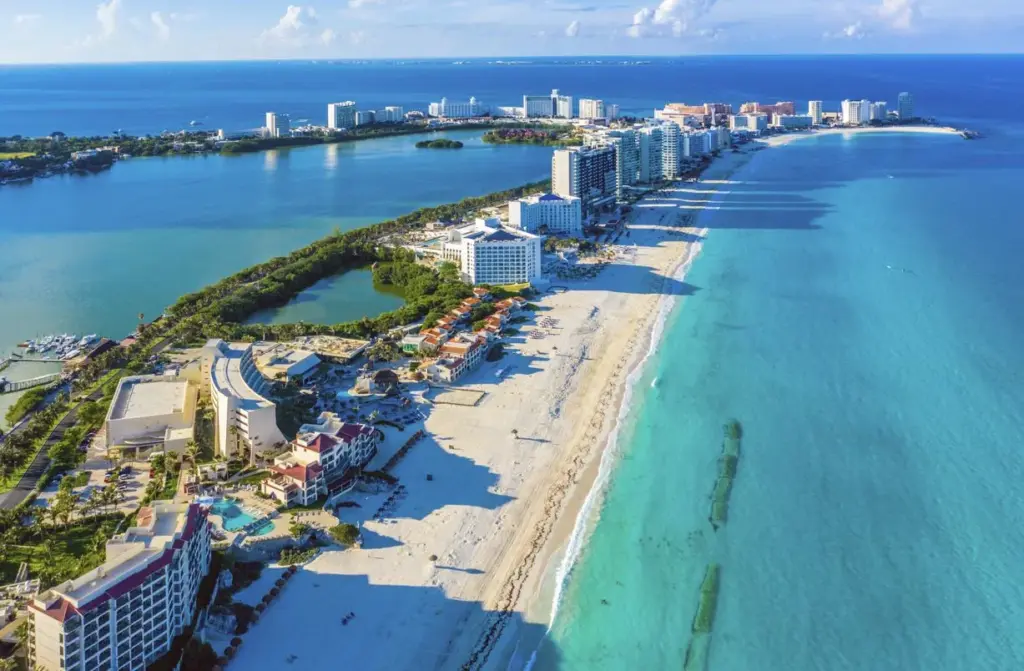
These are not temporary, seasonal pauses designed to ride out a slow month. These are permanent closures hitting both the famous Hotel Zone and the downtown city center. While some massive, corporately backed dining concepts can absorb a bad quarter, the venues shutting down are heavily concentrated among smaller, independent restaurants with seating capacities of around fifty diners. Although ten to twelve new food businesses have managed to open this year, the total number of closures is vastly outpacing the new additions, resulting in a net negative for the local gastronomy scene.
The Impossible Double Squeeze
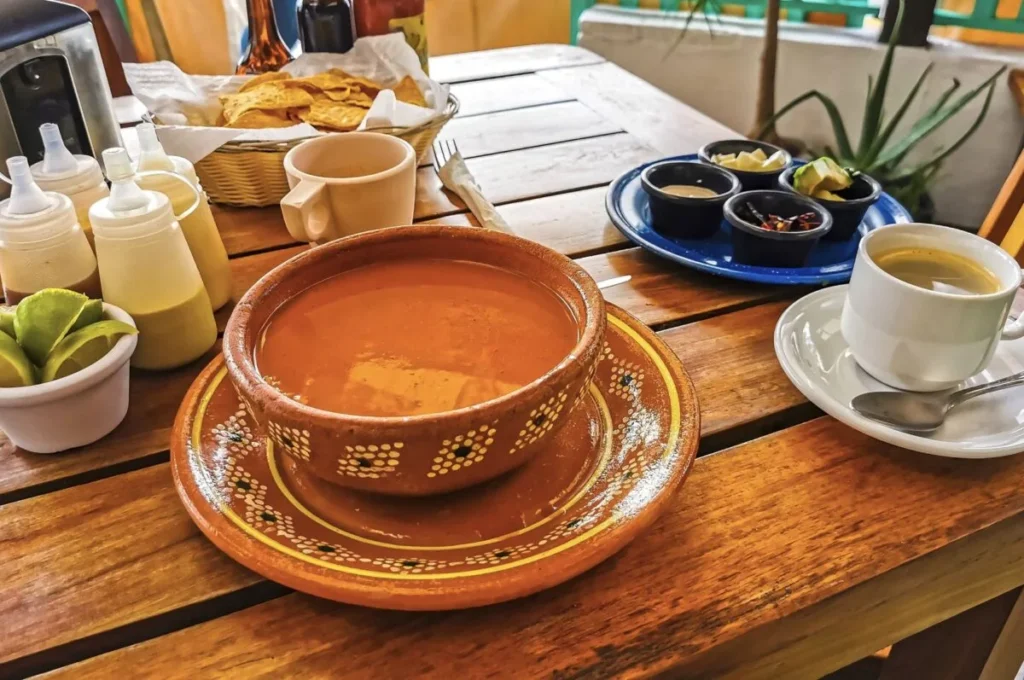
The primary catalyst behind this wave of closures is a relentless double pressure. On one side, restaurants are dealing with soaring inflation that has drastically increased the wholesale cost of essential ingredients. The price of fresh proteins and basic boxed goods has skyrocketed, eating directly into already razor thin profit margins.
On the other side of the equation, these venue owners find themselves completely unable to pass those increased costs onto the consumer. Because international passenger traffic has slowed down so heavily, restaurants are terrified of scaring away the few diners who are actually walking the streets. Establishments are actively trying to maintain the exact same menu pricing they used last year just to encourage people to sit down and eat. Even during the Holy Week holidays in the spring, which typically serves as a massive financial windfall for the sector, restaurants only hit a peak activity rate of 65 percent. That falls completely short of the required volume needed to survive the slower fall months.

The Human And Financial Cost
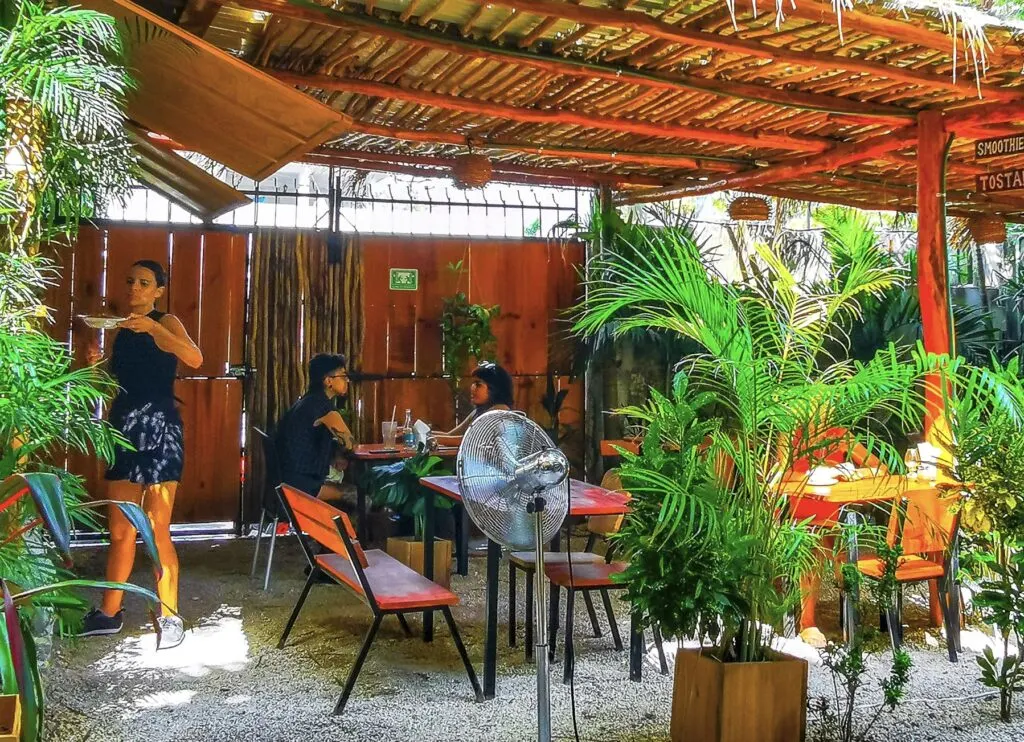
The fallout from these closures ripples instantly through the local community. Every single time a restaurant turns off its open sign for good, between 15 and 20 direct jobs are wiped out. That includes servers, line cooks, administrative staff, and front of house hosts.
Additionally, going out of business is incredibly expensive. Closing a venue, dismantling the dining room, and formally handing back the commercial lease costs a minimum of 30,000 pesos per establishment. In many tragic scenarios, the business owners have completely run out of financial liquidity. To cover mandatory severance packages for their laid off staff, operators are being forced to literally give away their industrial kitchen equipment and remaining assets as payment.
Waiting For The Winter Rebound
In an effort to stop the bleeding, Canirac is actively engaging with regional authorities and requesting immediate tax incentives to help lower baseline operating costs. They are specifically pushing to ensure that the upcoming municipal revenue packages do not include any new regulatory fees, as the sector simply cannot sustain another financial hit.
The entire hospitality community is now holding its breath, waiting for the traditional high season to arrive. The hope is that by November and December, the international flight schedules will surge and bring back the necessary foot traffic to keep the remaining restaurants afloat. Until then, travelers visiting Cancun this fall should make a conscious effort to venture off their all inclusive resorts. Eating at a local neighborhood restaurant right now goes far beyond simply enjoying a great meal. It provides crucial, immediate support to a culinary community that is fighting every single day just to keep its doors open.
Local Impact Guide
Join Our Cancun Sun Community of 16,000+ Members
Get real-time answers to your travel questions from our team of local experts and thousands of fellow travelers directly inside our interactive group.
Find Your Perfect Cancun & Riviera Maya Resort In Seconds
This simple, powerful tool was built by our on-the-ground experts to match you with the ideal resort for your specific budget and travel style.
The Ultimate Cancun Trip Planner
When’s the best time to go? Our powerful month-by-month guide breaks down the weather, crowds, sargassum, and prices for your perfect trip.
Enter your email address to subscribe to The Cancun Sun’s latest breaking news affecting travelers, straight to your inbox.