
Cancun is the undisputed capital of adventure. It’s a place where you can swim in a sacred underground river in the morning, rip through the jungle on an ATV before lunch, and find yourself ziplining over a jungle canopy by mid-afternoon.
But here’s a hard truth we at The Cancun Sun see travelers overlook all the time: that basic travel insurance policy you bought with your flight likely considers your entire vacation itinerary “high-risk.”
When you see “adventure,” your insurer often sees “exclusion.”
This isn’t just a guess. Travel insurance experts recently warned in USA Today that many of the most common vacation activities—things you’d assume are totally normal—are frequently not covered by standard plans. An injury from a “simple” activity could leave you with a massive bill for medical care or, worse, a costly evacuation.
Before you book that all-in-one adventure park, here are six iconic Riviera Maya experiences that almost always require you to buy an “adventure sports” add-on for your policy.
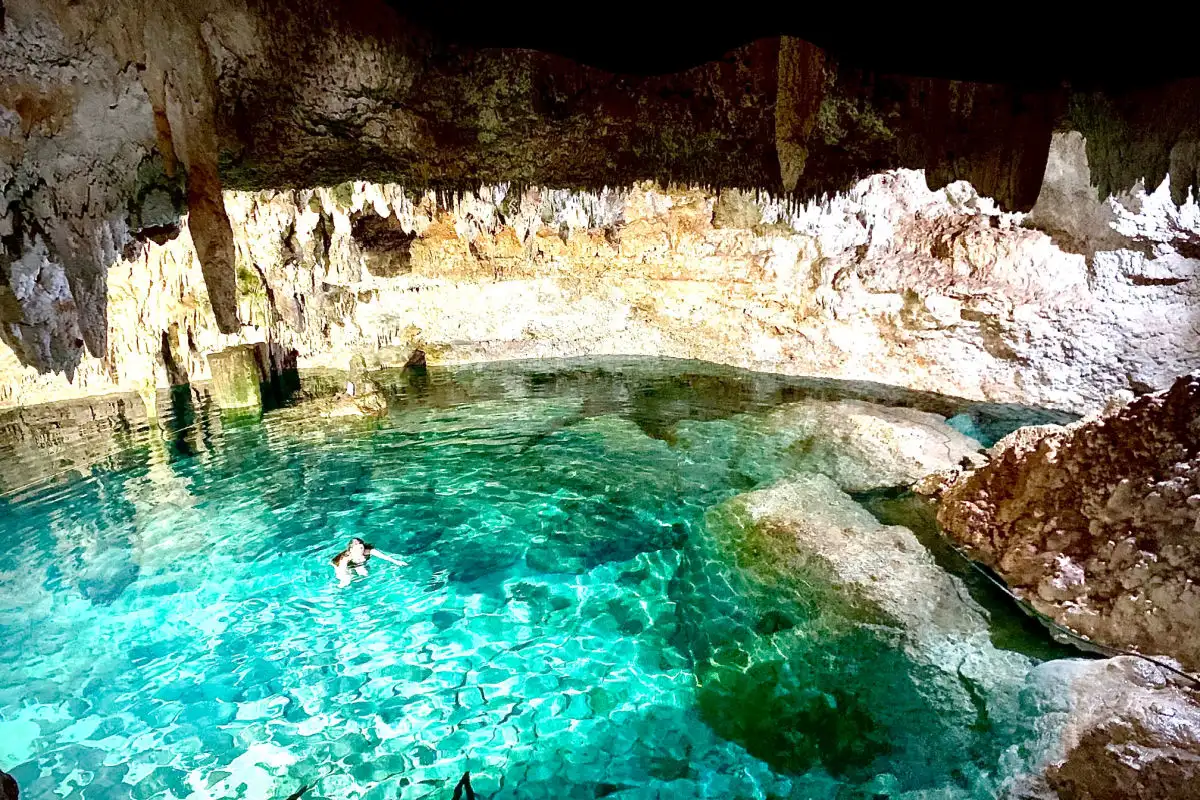
1. Swimming and Exploring Cenotes
Dipping into a crystal-clear cenote is a magical, must-do experience. But to an insurer, this isn’t like swimming in a hotel pool. These are deep, natural sinkholes, often in remote locations, with slippery rocks and uneven steps. If your policy has a vague exclusion for “cave swimming” or “spelunking,” a provider could argue that exploring a cenote falls into that category, especially if you’re injured in a less-accessible part of the cavern.
Before you go, check out our ultimate guide to the top cenotes and then ask your insurer if “swimming in a natural cenote” is covered under your basic plan.

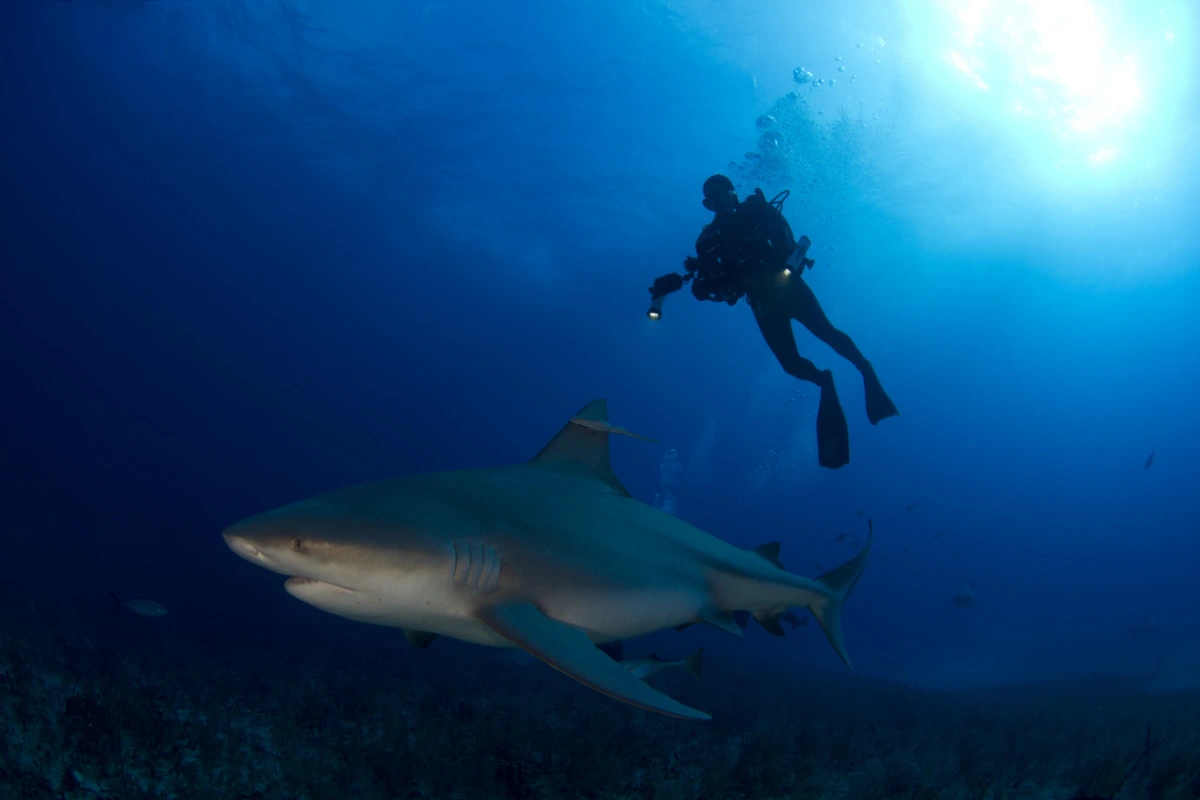
2. Scuba Diving the Reefs or MUSA
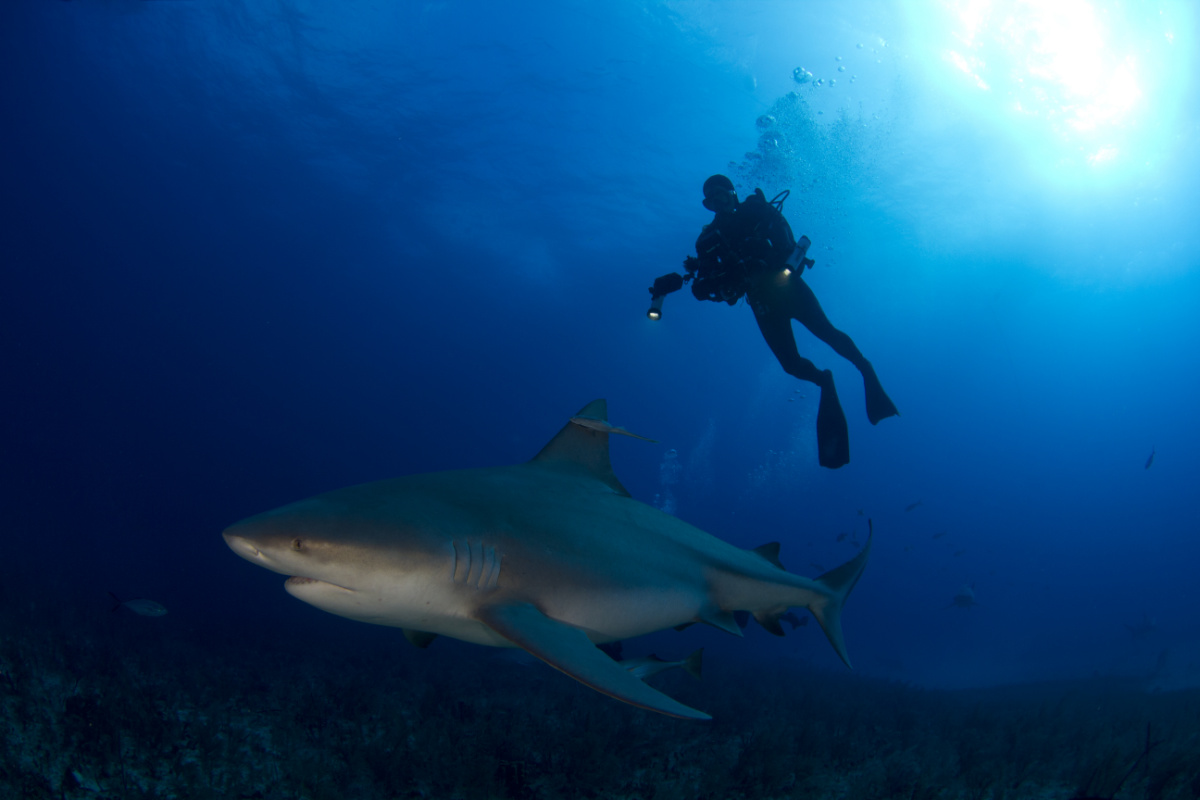
The Mesoamerican Reef is breathtaking, and a dive at the MUSA underwater museum is unforgettable. But for insurers, there’s a huge difference between snorkeling and scuba diving. Most basic policies will cover snorkeling, but the moment you strap on a tank, you fall under a new set of rules.
Many plans cap coverage at a specific depth (e.g., 20 feet) or require you to have a specific PADI certification, which they’ll want proof of. If you’re planning any of the region’s unforgettable deep dives, you absolutely must get a policy that explicitly names “scuba diving” as a covered activity.
3. All-in-One Adventure Parks (Xplor, Selvatica)
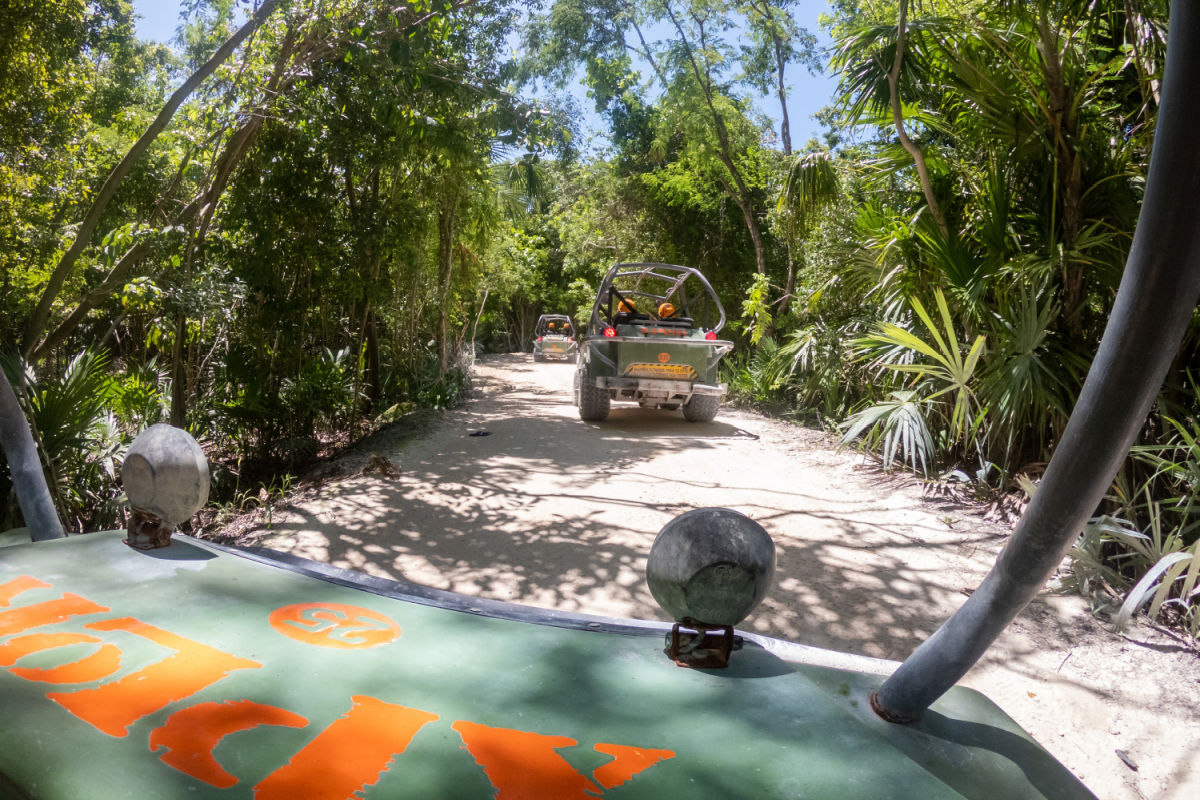
These parks are brilliant one-stop shops for thrills. You can drive an amphibious vehicle through a cave, paddle an underground river, and ride a 1,000-foot zipline.
Insurers, however, see a cocktail of high-risk activities. “Ziplining” is almost always on the exclusion list, right next to bungee jumping and skydiving. The same goes for driving the “amphibious vehicles,” which they may classify as off-road driving. If your day includes the high-speed ziplines at parks like Selvatica, you need the adventure upgrade.


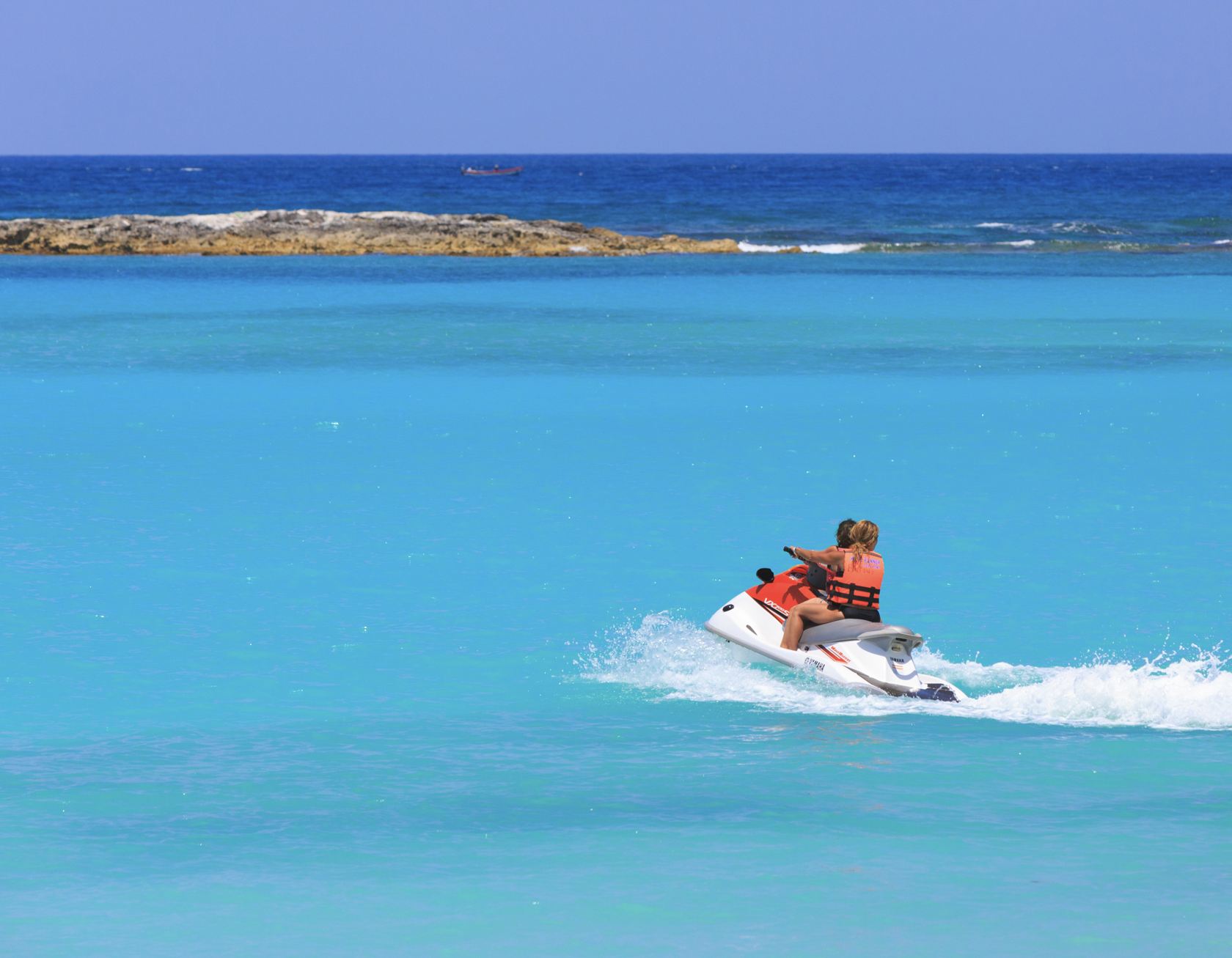
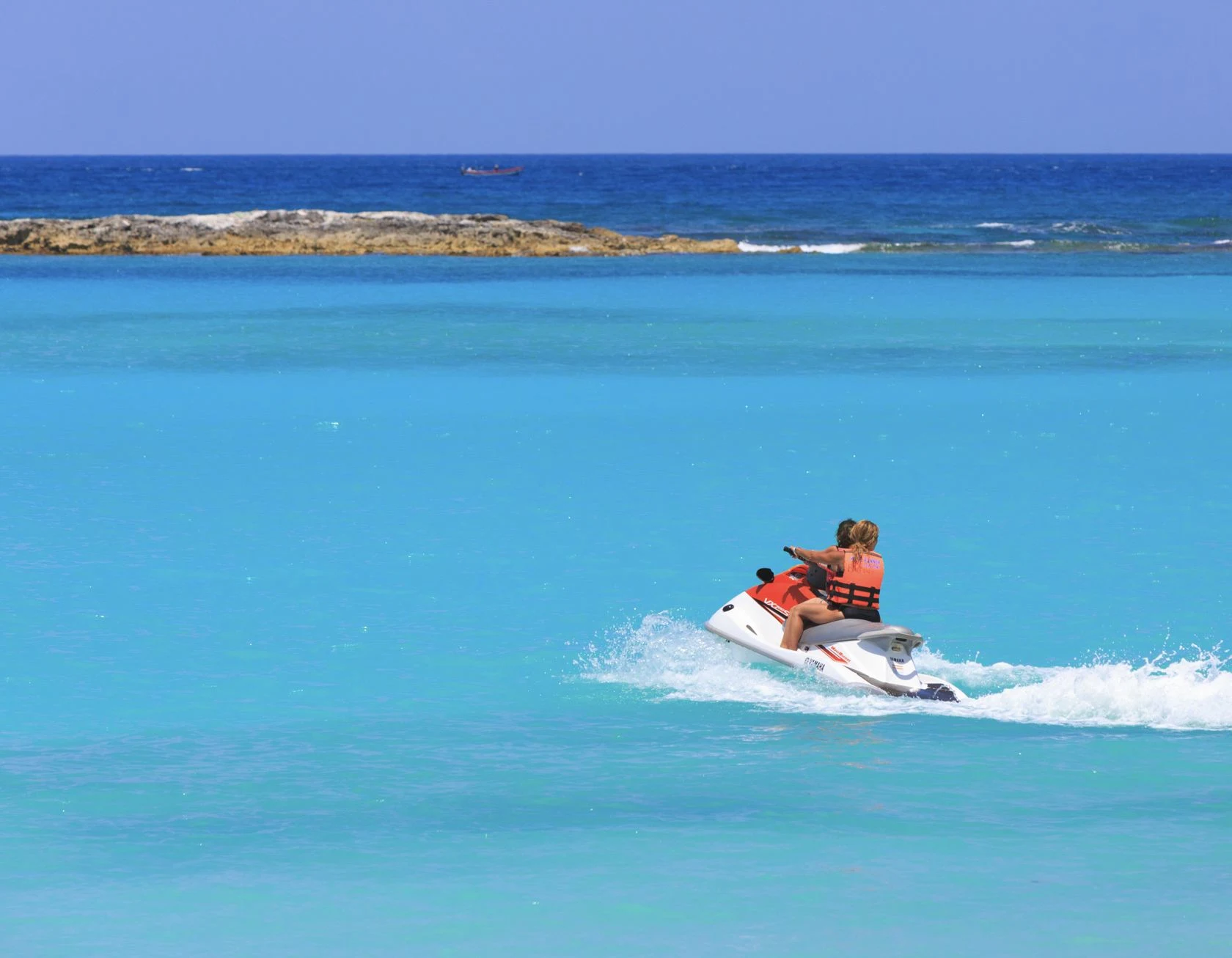
4. Motorized Water Sports (Jet Skis & Parasailing)
Renting a jet ski for an hour to blast around the Nichupte Lagoon seems like a standard beach activity. But to an insurer, you are operating a motorized vehicle without local licensing, which is a massive red flag. Injuries involving powered watercraft are a top exclusion.
The same goes for parasailing; insurers see “height” and “harness” and lump it in with other aerial risks. Don’t assume that just because it’s one of the top adventure activities in Cancun that it’s covered.
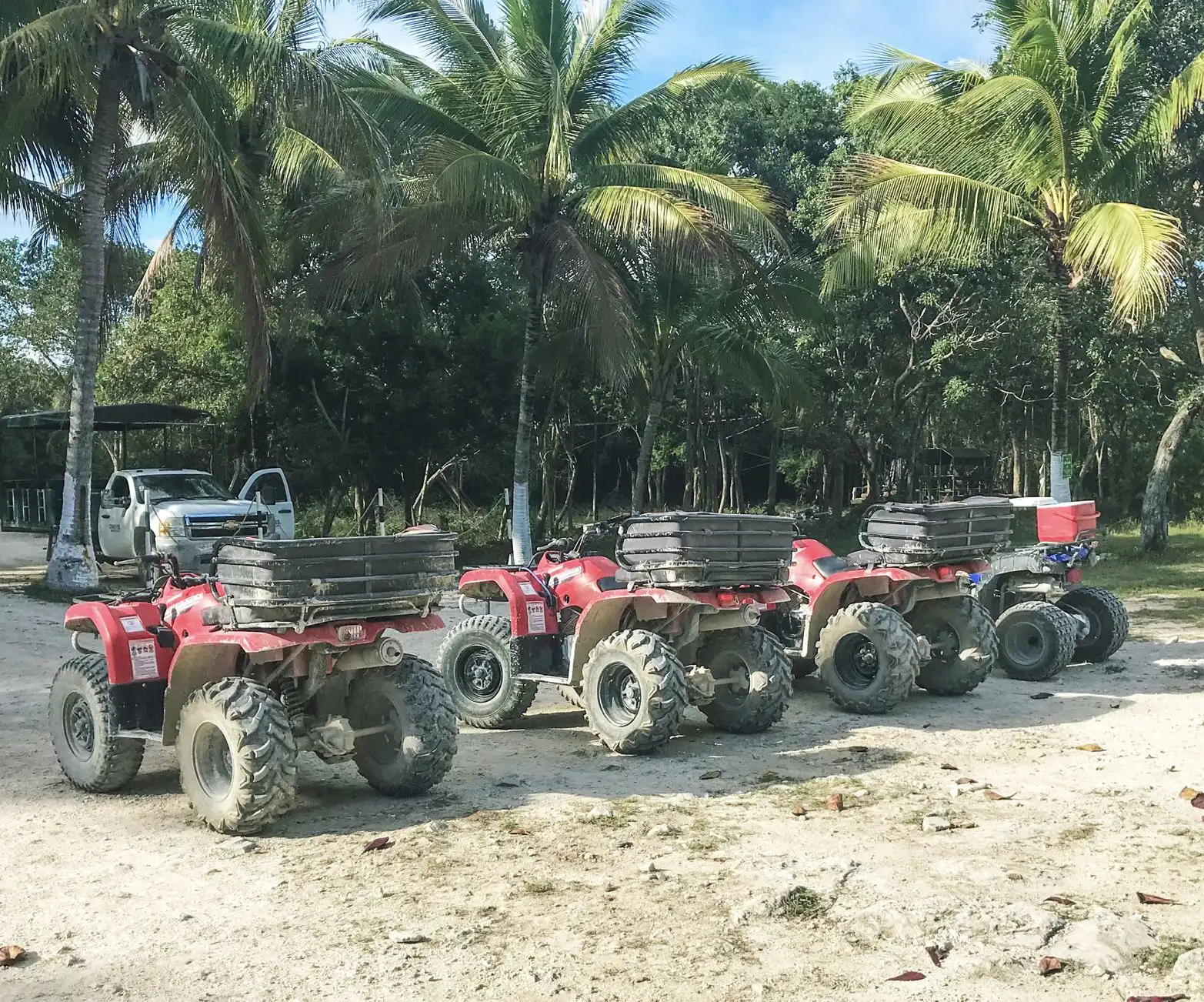
5. Jungle ATV Tours
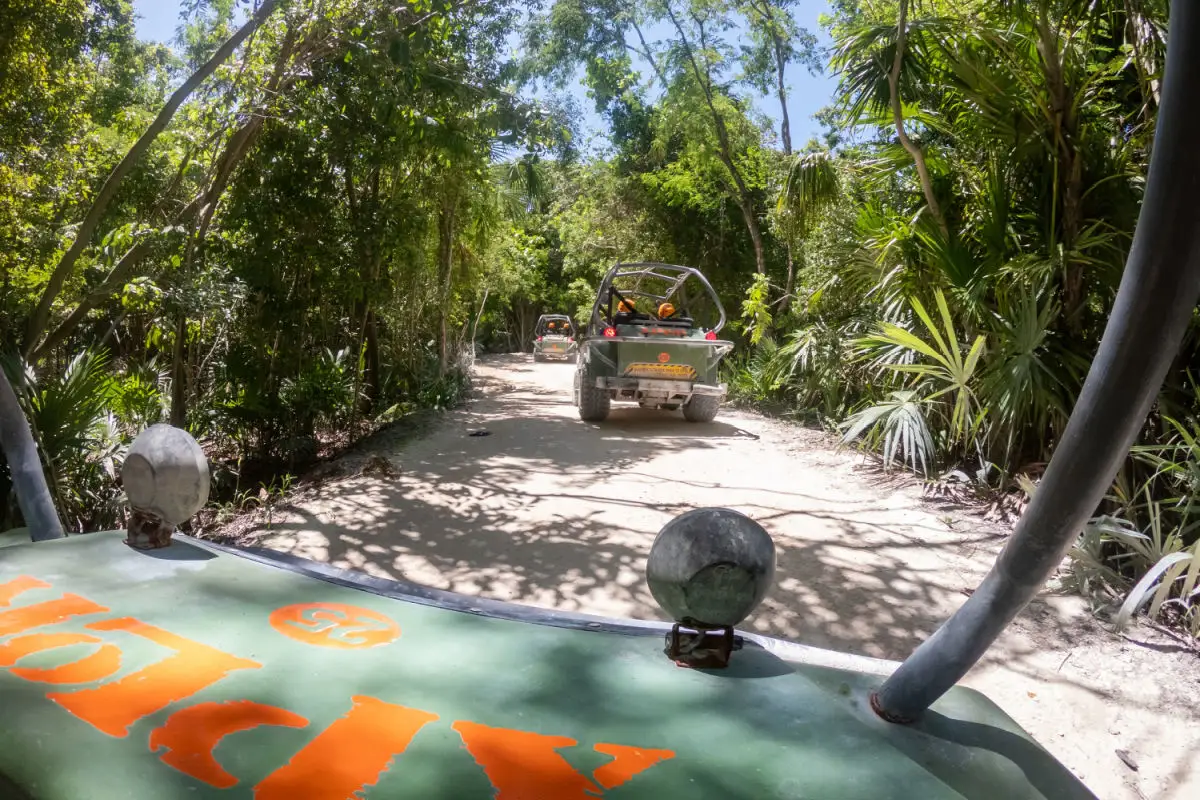
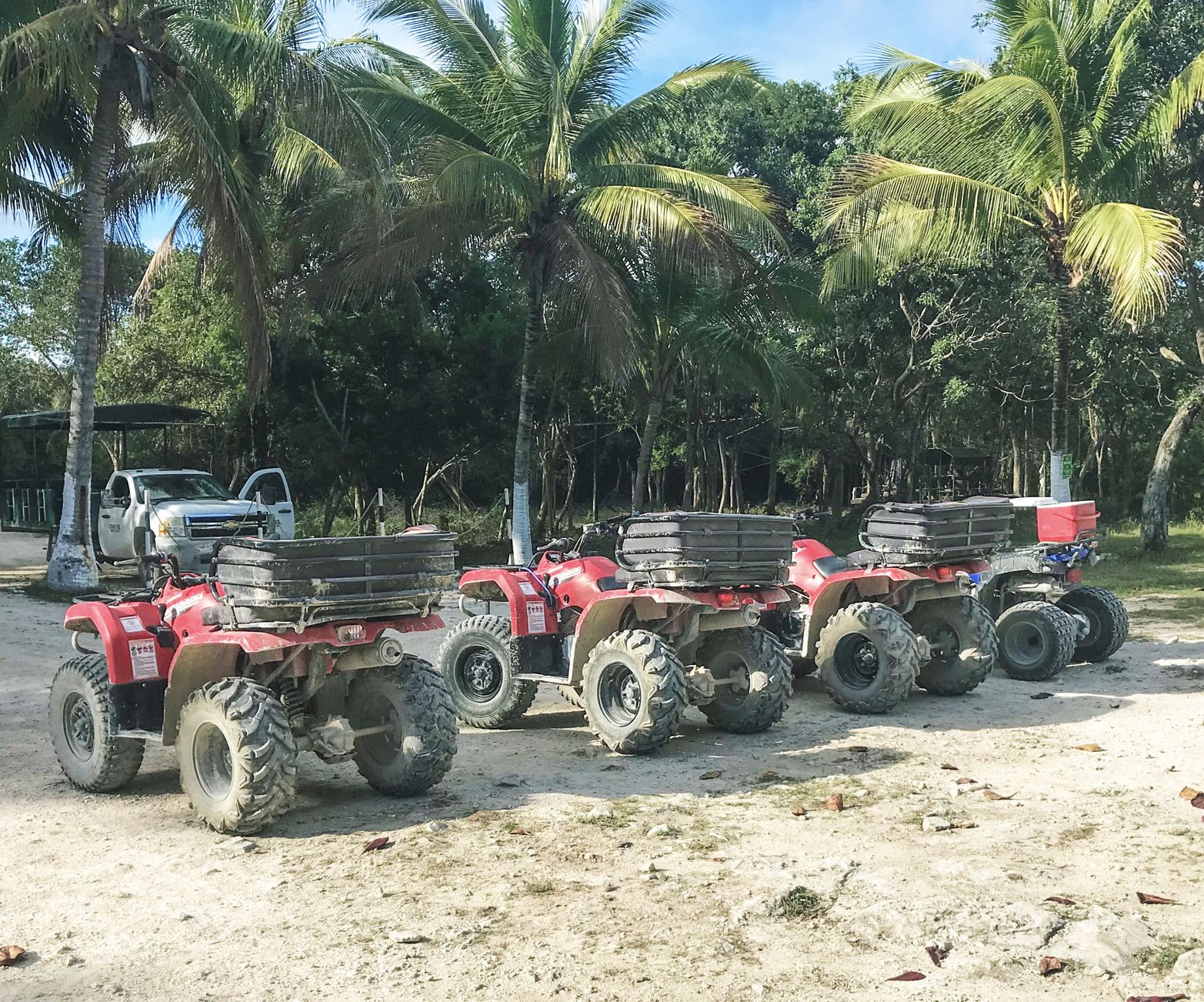
Those tours that have you ripping through muddy jungle paths on an all-terrain vehicle are incredibly popular. They are also a classic “no” for basic insurance. Insurers hate “off-road” activities, especially on a motorized vehicle.
The routes are remote, the risk of collision or a rollover is real, and the cost of an evacuation from a deep jungle trail is astronomical. If your tour includes an ATV, even for just 20 minutes, you need to tell your provider. This is especially true for tours along the popular ‘Ruta de los Cenotes’, which are by definition in a remote area.
6. Trekking “Remote” Ruins like Coba
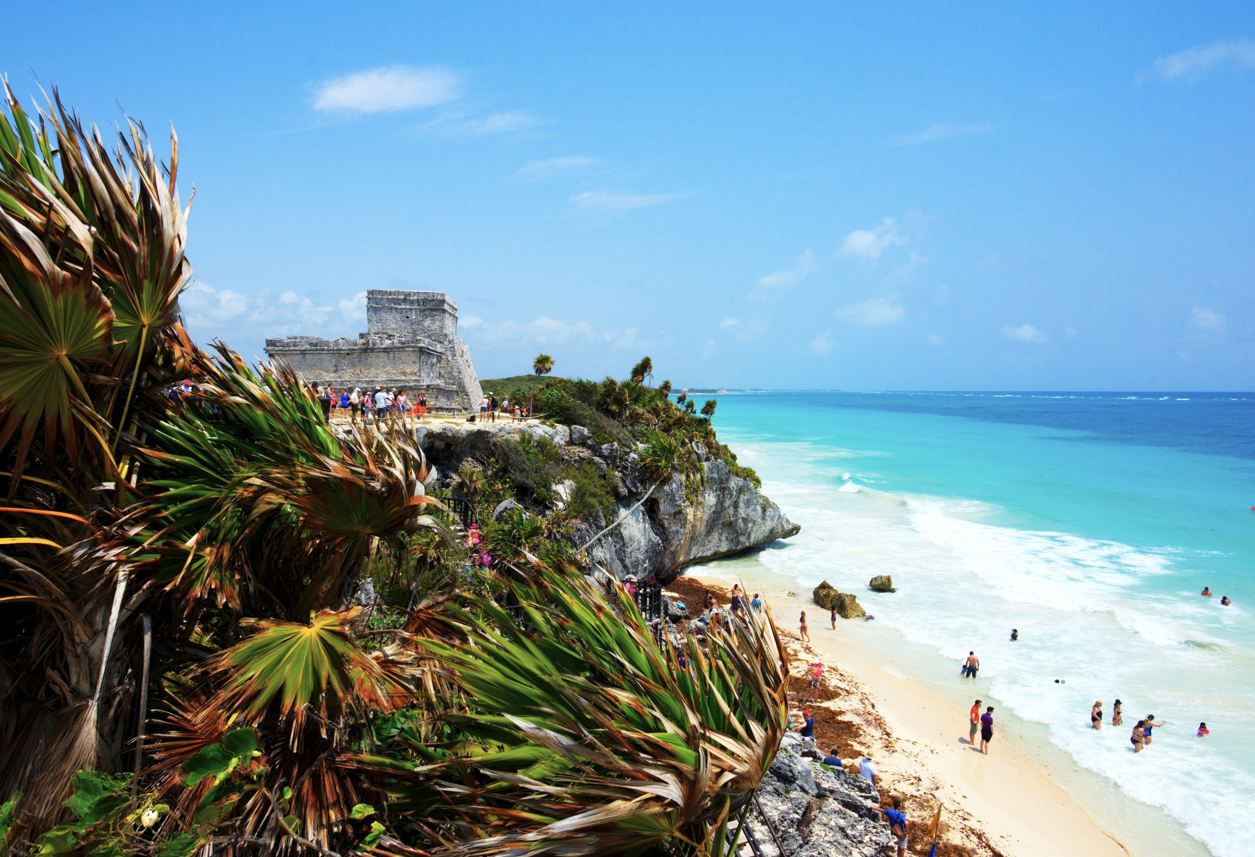
You’re perfectly fine at Chichen Itza or the Tulum ruins, which are mostly flat, designated walkways. But what about Coba? Part of the magic of Coba is that it’s deep in the jungle, and the best way to see it is by renting a bike to pedal down ancient, uneven stone paths to find hidden temples. An insurer might see this differently.
A policy that excludes “trekking in remote areas” could be used to deny a claim if you fall off your bike and break an arm two miles into the jungle. If you plan on visiting remote Mayan ruins like Coba, it’s wise to clarify what “hiking” or “trekking” your policy actually allows.
How to Check Your Policy (The Right Way)
This doesn’t mean you should cancel your fun. It just means you need to make one or two calls.
- Read the “Exclusions” List: Before you buy, get the full policy document (not the marketing summary) and find the list of excluded activities. If you see “ziplining,” “scuba,” “off-road,” or “motorized watercraft,” you are not covered.
- Call and Ask Specifically: Call the provider and say, “I am going to Cancun and I will be ziplining, swimming in a cenote, and riding an ATV. Is this covered by my plan?” Get their answer in writing.
- Buy the “Adventure” Rider: For a few extra dollars a day, nearly all companies offer an “Adventure Sports Rider” or “Sports Add-on” that removes these exclusions. This is the single best way to ensure you’re covered.
- Prioritize Medical Evacuation: No matter what, make sure your policy has a high limit (at least $100,000) for medical evacuation. This covers the cost of getting you from a remote jungle trail to a proper hospital, which is often the most expensive part of a travel accident.
- For great options, including a range of coverages, read more here.
The Ultimate Cancun Trip Planner
When’s the best time to go? Our powerful month-by-month guide breaks down the weather, crowds, sargassum, and prices for your perfect trip.
Find Your Perfect Cancun & Riviera Maya Resort In Seconds
This simple, powerful tool was built by our on-the-ground experts to match you with the ideal resort for your specific budget and travel style.
Subscribe to our Latest Posts
Enter your email address to subscribe to The Cancun Sun’s latest breaking news affecting travelers, straight to your inbox.