
We at The Cancún Sun can’t think of a better way to trade sunbathing for storytime than by stepping into the very world that shaped this coastline thousands of years ago.
From gazing up at the shadow-casting pyramid at Chichén Itzá to detoxing in a traditional temazcal sweat lodge, each of these eight adventures brings Maya culture alive—right in Cancún’s backyard.
Get ready to unearth hidden cenotes whispering ancient secrets, savor mouthwatering Yucatecan flavors in bustling markets, and witness time-honored traditions that will forever transform how you see Cancún’s paradise.
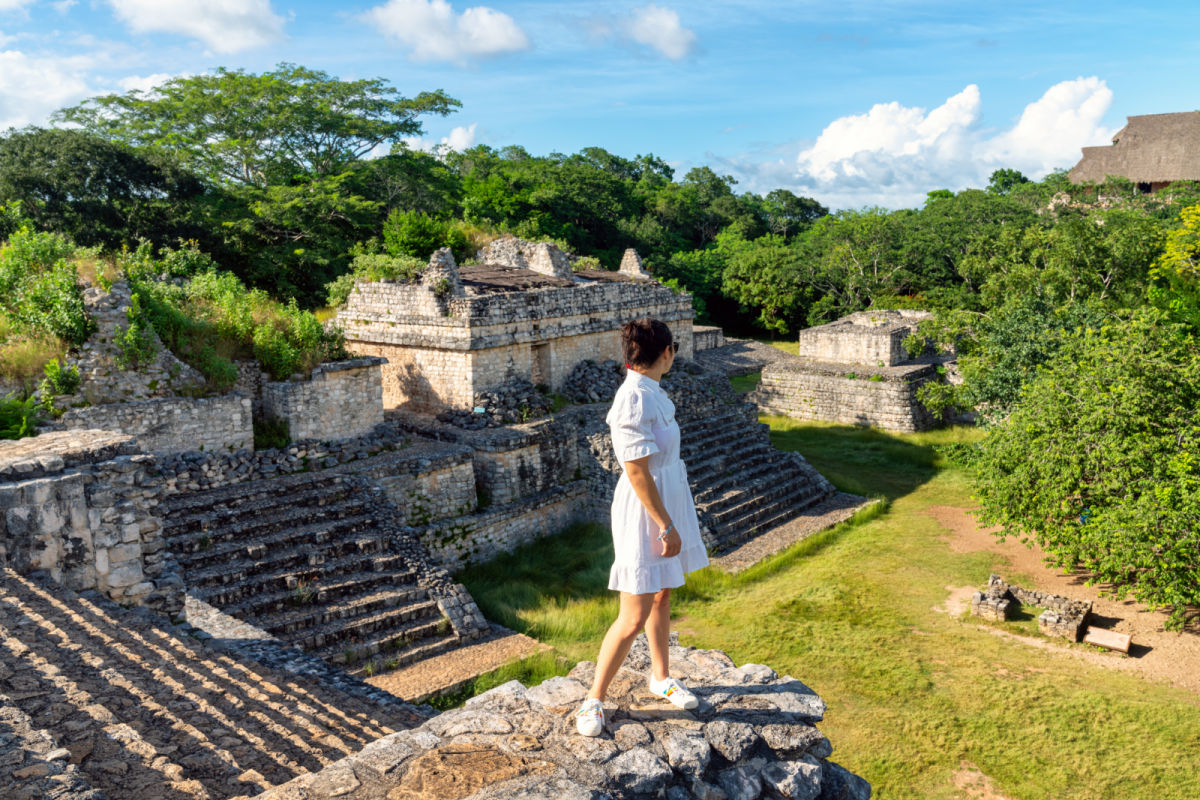
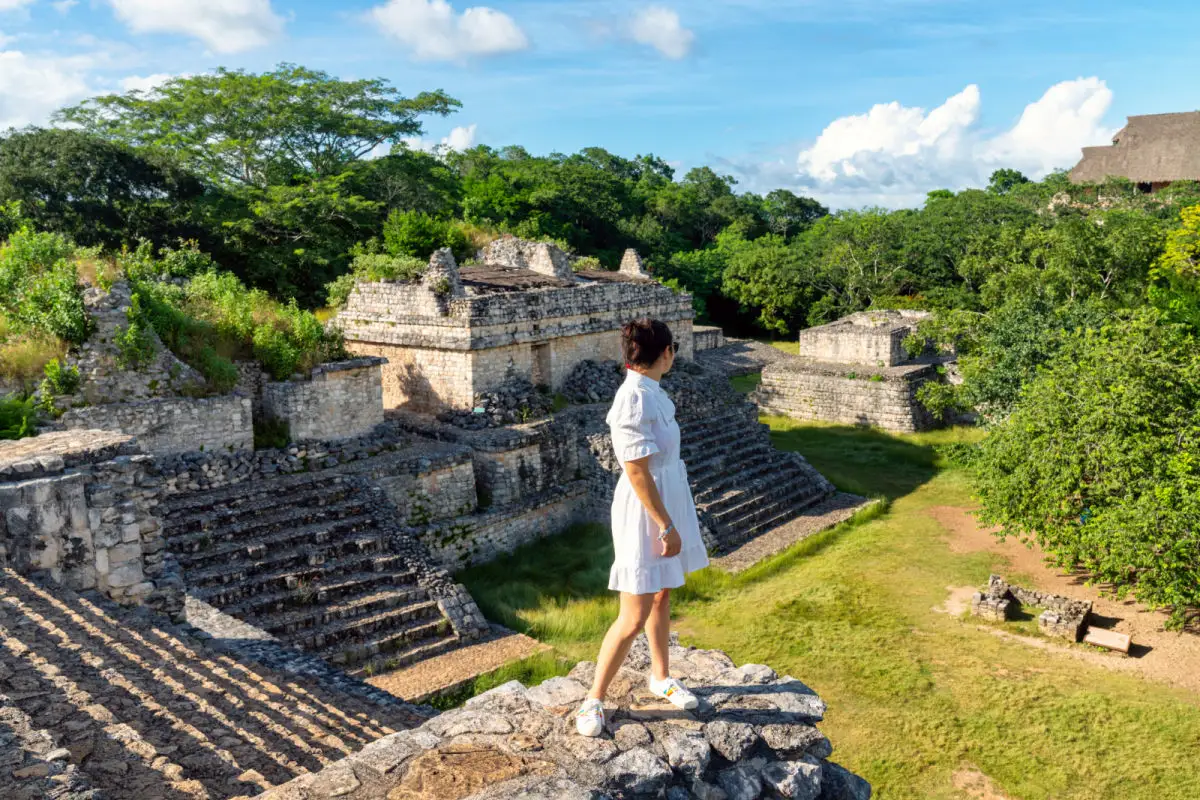
Be Awestruck by Chichén Itzá
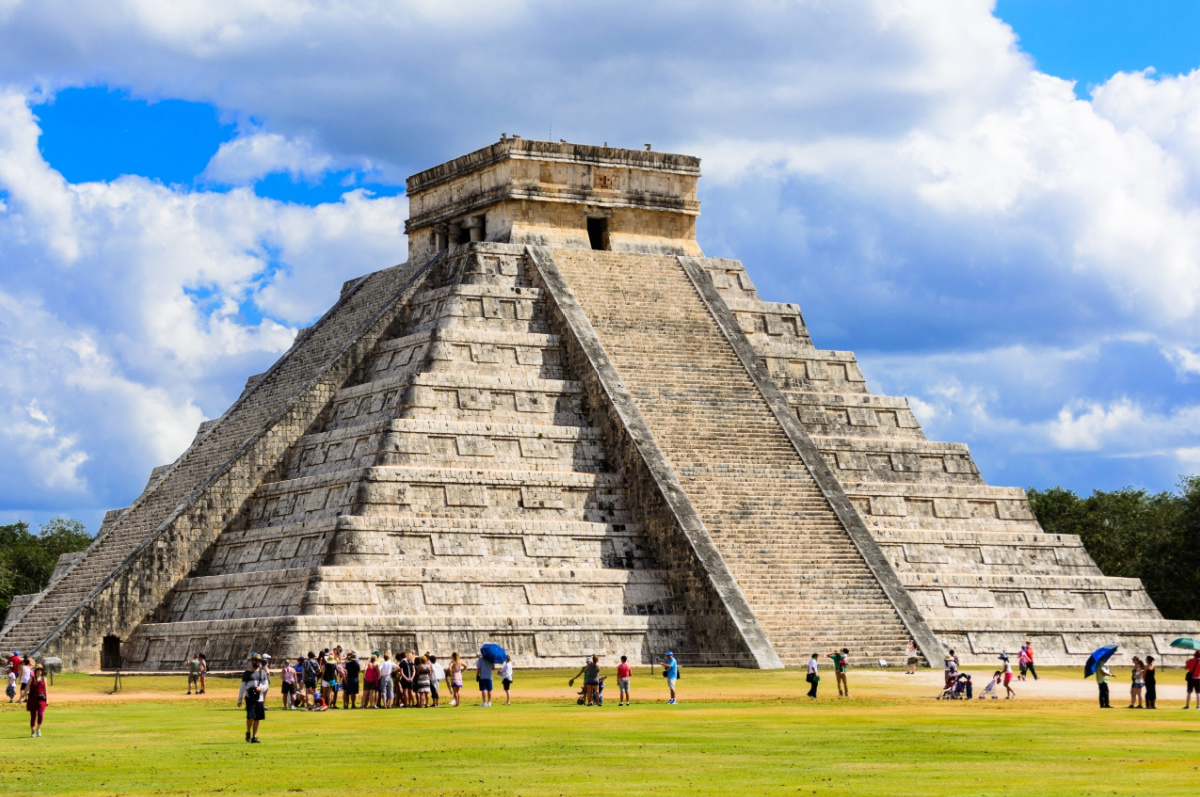
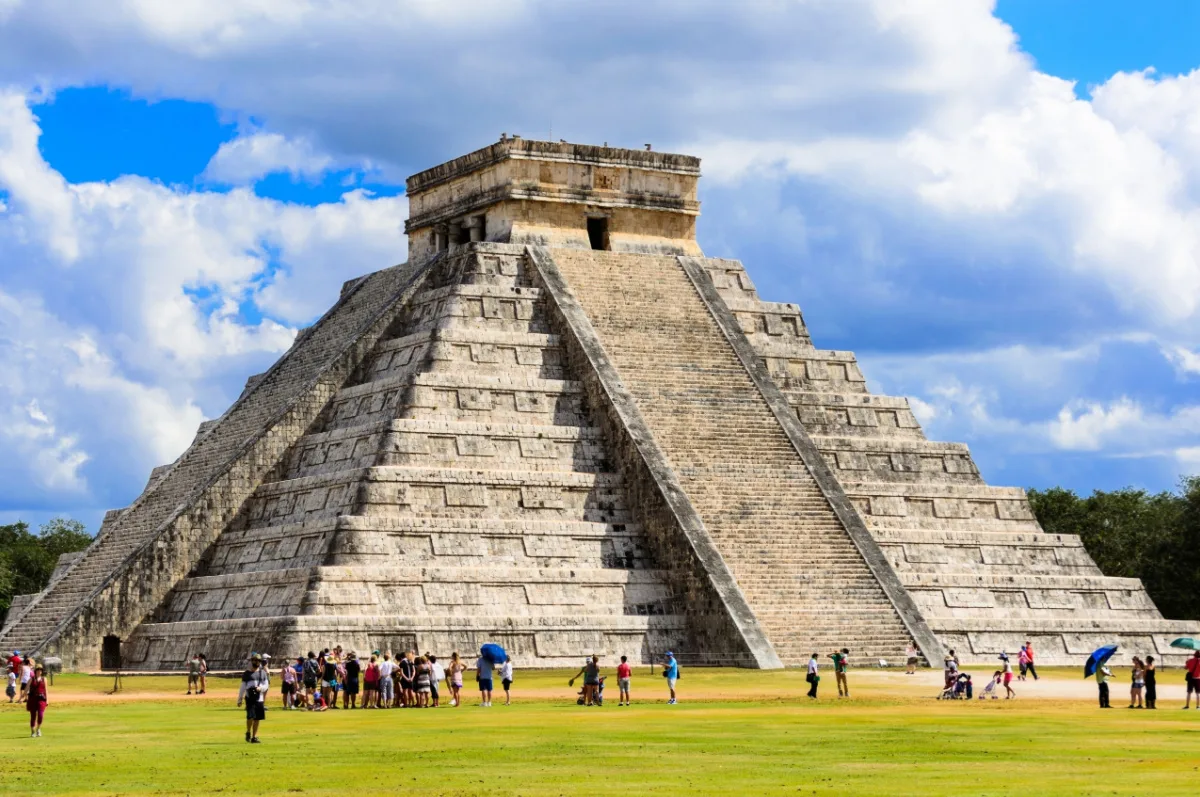
Chichén Itzá served as a major Maya center from around AD 600–1200 and today ranks as a UNESCO World Heritage Site and one of the New Seven Wonders of the World.
Its centerpiece, the Kukulcán pyramid (El Castillo), is aligned astronomically, creating the famous “serpent” shadow effect around the equinoxes—visible for several weeks around March 20 and September 22.
While climbing the pyramid has been prohibited for its preservation since 2008, its grandeur from below is an unforgettable sight.
- Hours & Admission: Daily 8 a.m.–5 p.m. (last entry 4 p.m.). Foreigners pay a federal INAH fee (MXN 95) plus a state CULTUR fee (MXN 548) for a total of MXN 643.
- Getting there: Approximately 2½ hours by car from Cancún via Highway 180D
- Insider tip: Rent a self-guided audio tour (from ~USD 10) or download a guide app; arrive right at opening to beat the crowds and intense midday heat.
Visit the Tulum Ruins
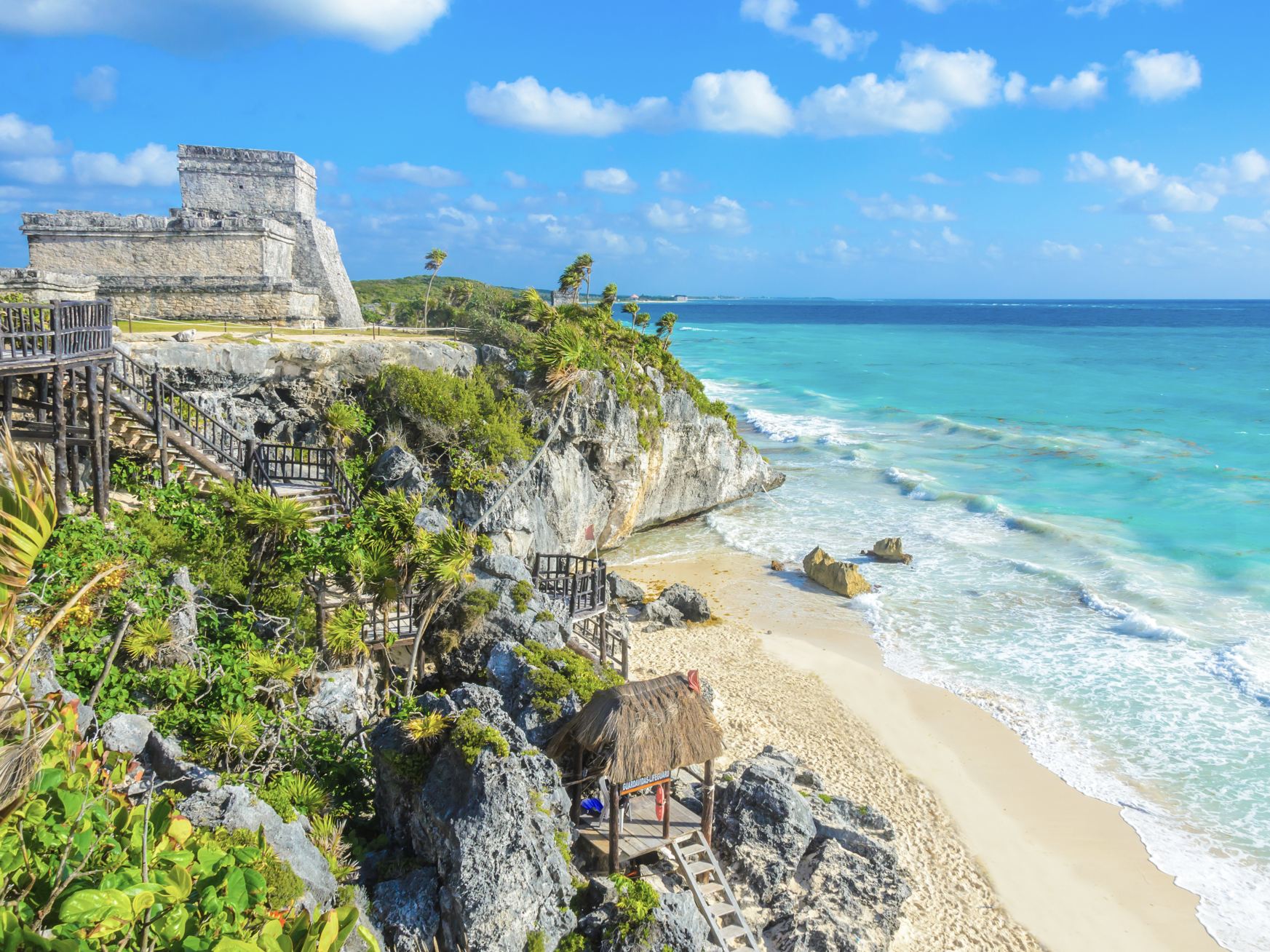
Tulum—once known as Zama (“City of Dawn”)—flourished as a coastal Maya port between the 13th and 15th centuries. Its dramatic cliff-top temples overlooking the turquoise Caribbean Sea make it one of the most picturesque archaeological sites in the world.
The site is now part of the larger Parque Nacional del Jaguar, which has updated the access and fee structure.
- Hours & Admission: Daily 8 a.m.–5 p.m. (last entry can be as early as 3:30 p.m.). Admission for foreigners is approximately MXN 515, which includes the federal INAH fee (MXN 95) plus conservation and national park fees.
- Getting there: 120 km south of Cancún, about a 1-hour and 45-minute drive via Highway 307.
- Must-see: El Castillo perched on the bluff; visit at sunrise or late afternoon for softer light and fewer visitors.
Explore the Coba Ruins
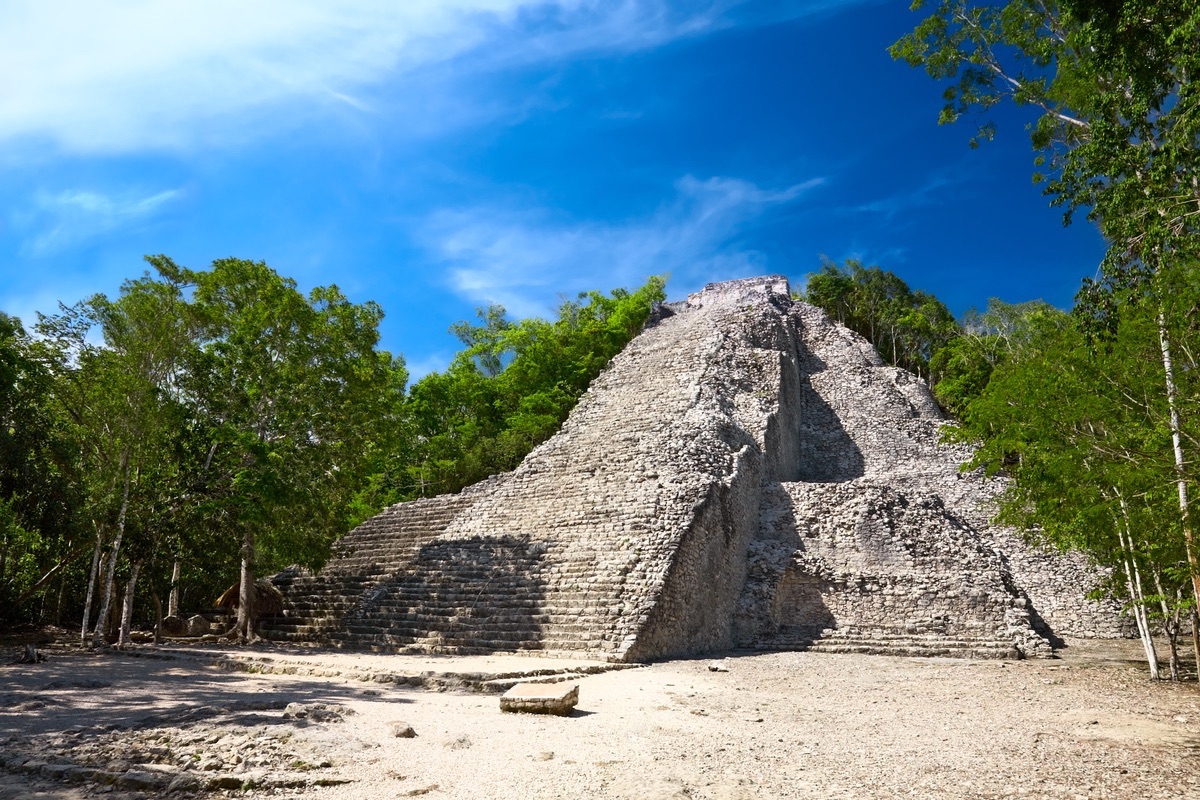
Once a sprawling metropolis linked by over 100 km of paved sacbé (white roads), Cobá’s jungle-shrouded site offers a more rustic adventure. It features the massive Nohoch Mul pyramid—at 42 meters tall, it’s one of the highest in the Yucatán.
Please note that as of 2020, climbing Nohoch Mul is no longer permitted, but you can still admire its scale from the base and explore the vast, shaded pathways.
- Hours & Admission: Daily 8 a.m.–5 p.m. (last entry 4 p.m.). The entrance fee is MXN 100.
- On-site transport: The site is large, so renting a bike (~MXN 80) or hiring a tricycle rickshaw driver (~MXN 180) is highly recommended.
- Getting there: About 2 hours by car from Cancún. It can easily be combined with a trip to Tulum.
Discover the El Rey Archaeological Zone
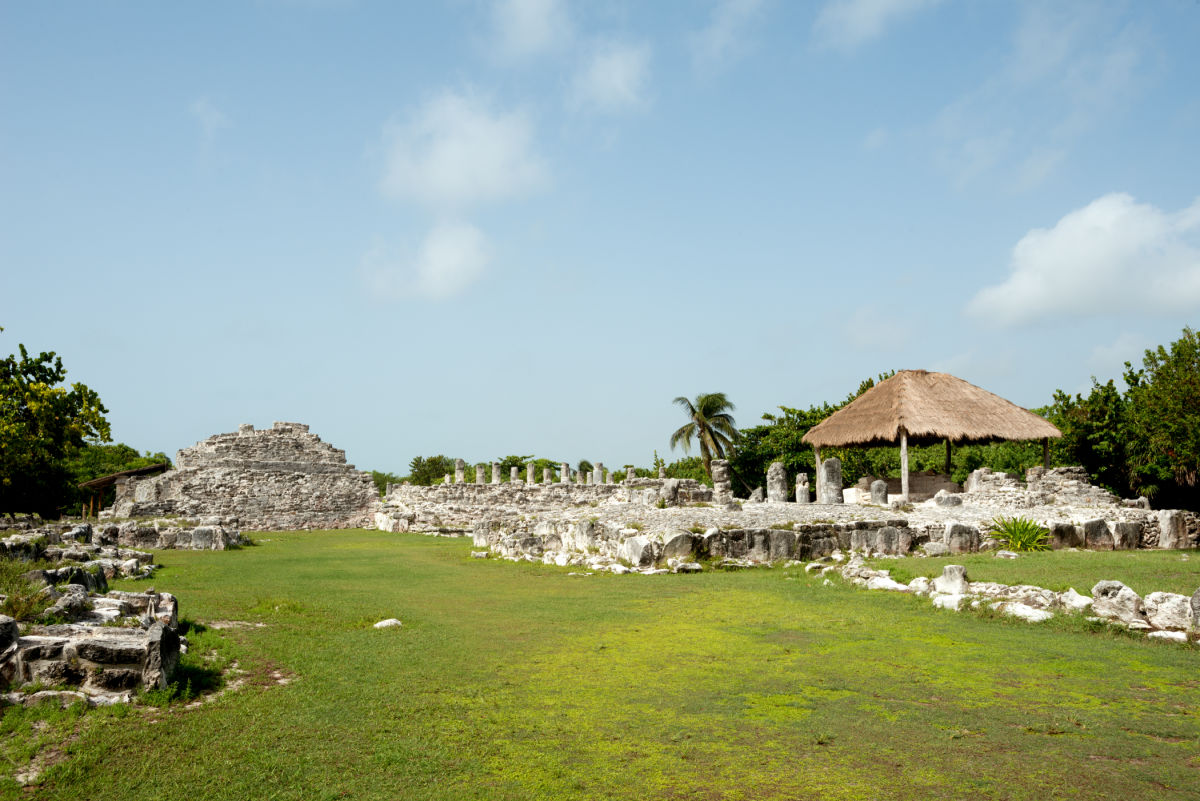
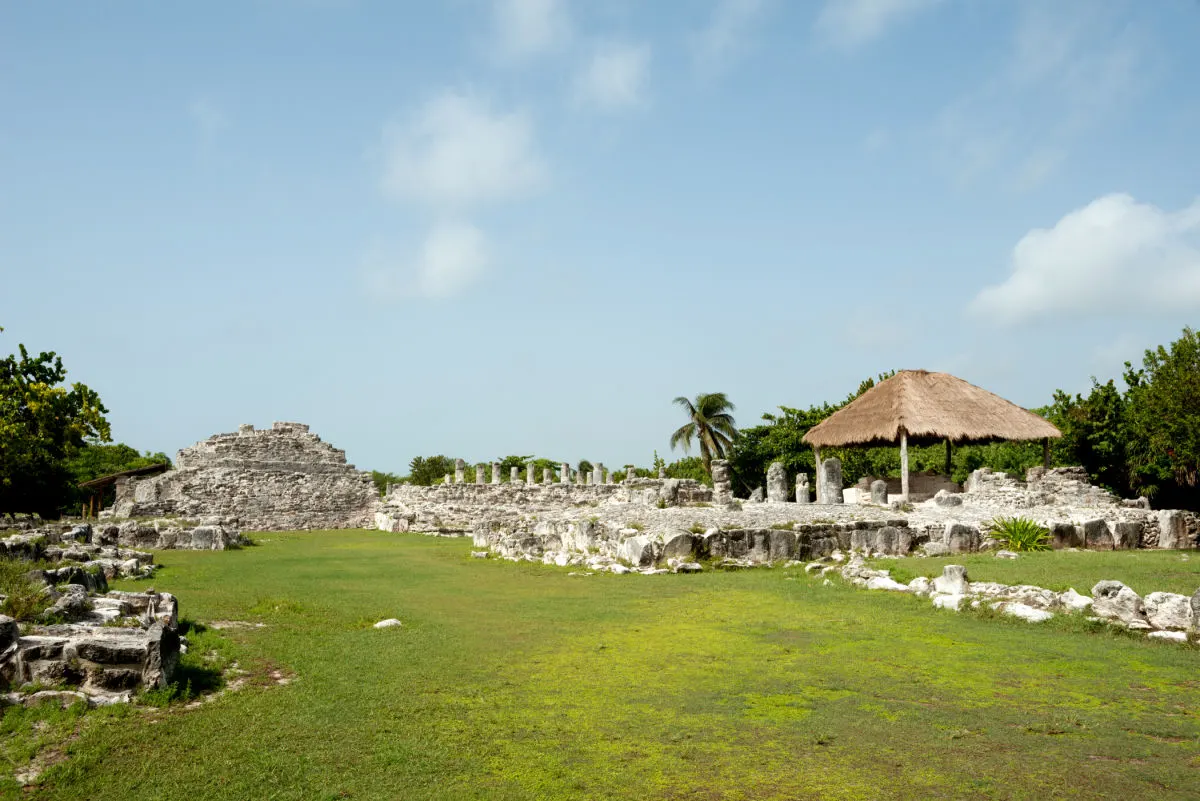
Tucked right into Cancún’s Hotel Zone at km 17.5, El Rey was a small but significant coastal port during the Postclassic period (AD 1200–1500). Its 47 structures, carved in the region’s “East Coast Style,” make for a perfect, quick cultural escape between beach sessions.
- Hours & Admission: Daily 8 a.m.–5 p.m. (last entry 4:30 p.m.). Admission is MXN 75. Children under 13 are often free.
- Getting there: A short taxi or public bus ride along Blvd. Kukulcán. You can explore the entire site in about an hour.
- Wildlife watch: Keep an eye out for the hundreds of iguanas that call these ruins home, sunning themselves on the ancient stones.
Visit the Museo Maya de Cancún
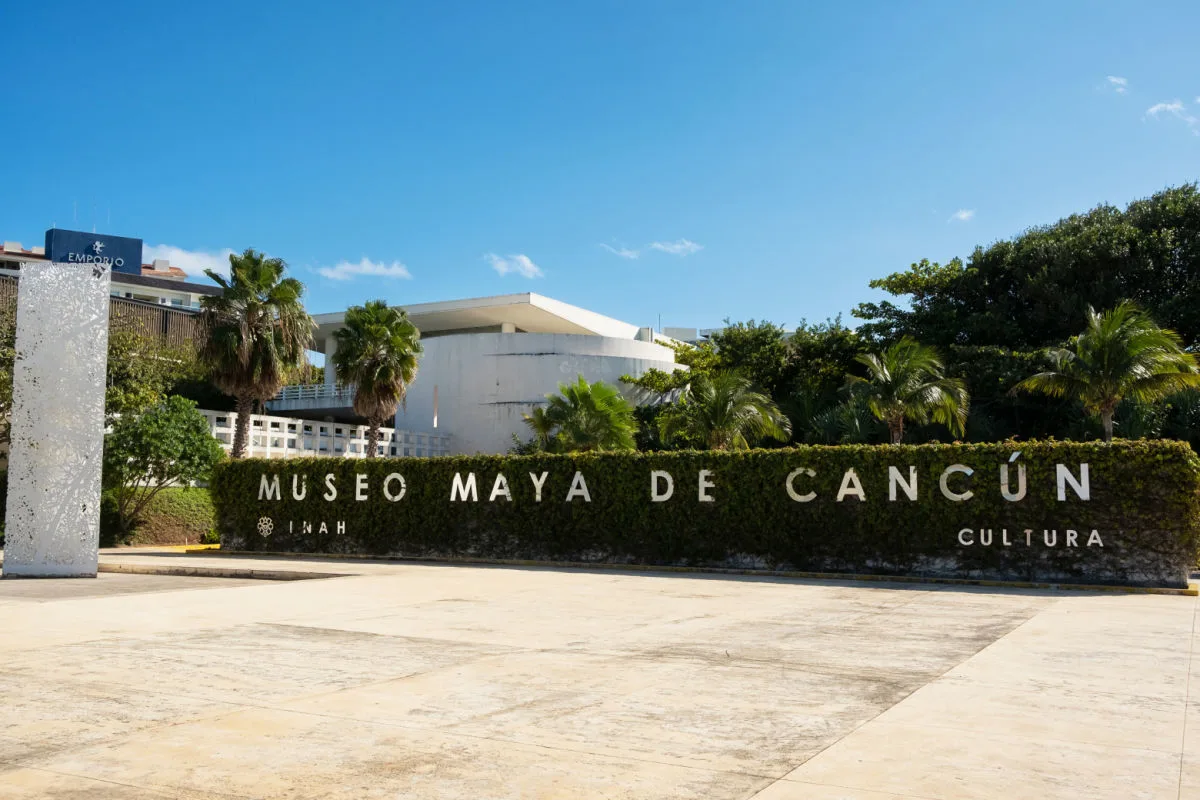
Opened in 2012, this modern INAH museum is an architectural gem showcasing over 350 priceless artifacts, from jade funerary masks to stunning Classic-era sculptures. Your admission ticket also grants you access to the adjacent San Miguelito ruins, a small but charming site right on the museum grounds.
- Hours & Admission: Tuesday–Sunday, 9 a.m.–6 p.m. (last entry 5:30 p.m.). Closed on Mondays. Admission is MXN 90 per person and includes access to both the museum and the ruins.
- Must-see galleries: The exhibition on Quintana Roo’s archaeology, the intricate jade masks, and the “Temple of the Skulls” carvings at San Miguelito.
- Pro tip: Visit before 11 a.m. or during the common lunch hour (2–4 p.m.) to avoid peak crowds from tour buses.

Experience a Traditional Temazcal Ceremony
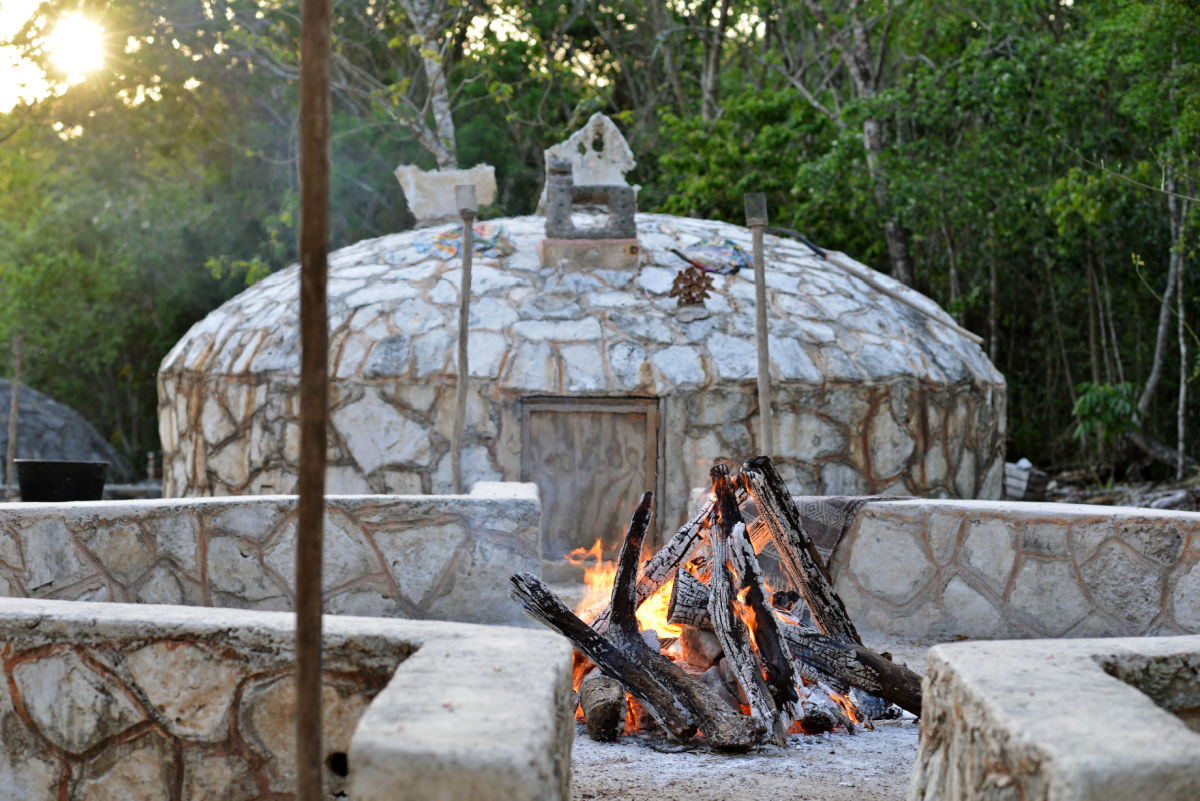
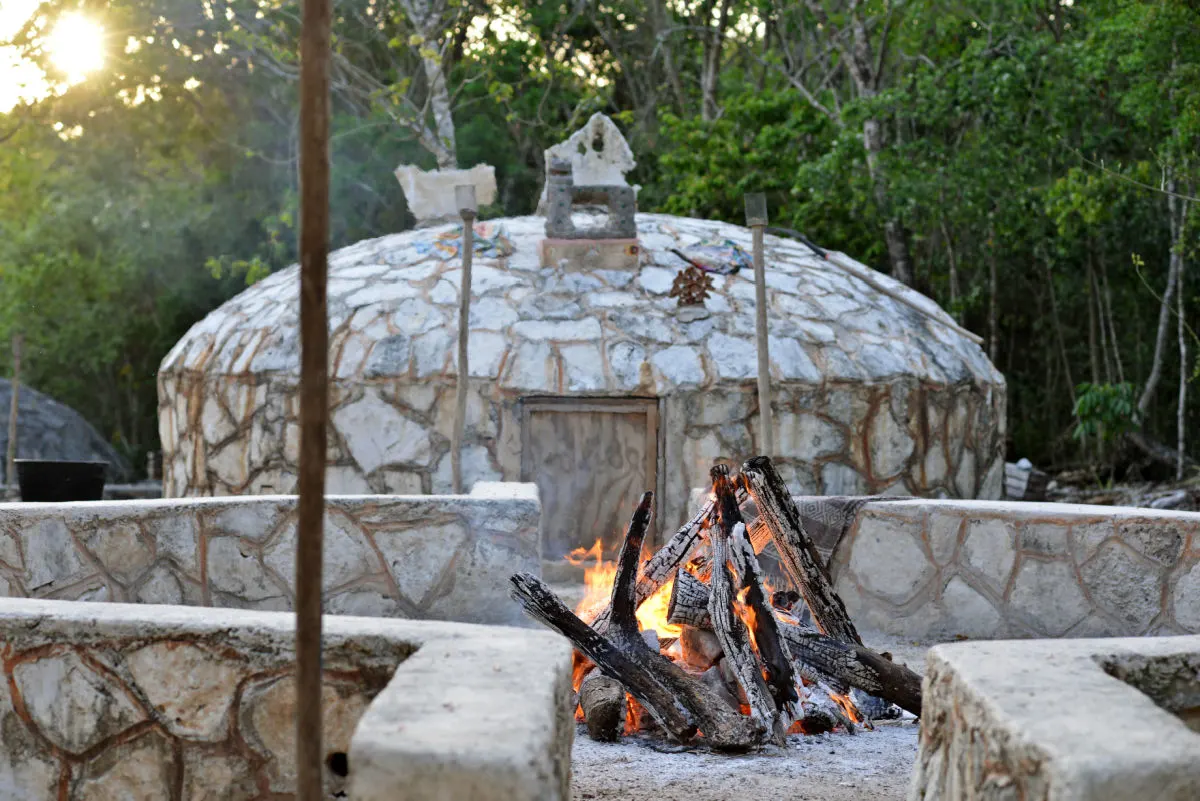
Step into a pre-Hispanic “house of heat” for a steam purification ritual led by a trained temazcalero (shaman). This powerful ceremony uses volcanic stones, herbal infusions, and guided chants to cleanse the body and mind.
- Structure & Ritual: The experience takes place in a small, dome-shaped lodge. The ceremony is intensely hot and meditative.
- Duration & Cost: The time inside the lodge is typically 45–60 minutes. Tours start from ~USD 30 per person and often include hotel pickup, water, and a refreshing post-ceremony cenote swim.
- What to bring: A swimsuit (for the cooldown swim), a towel, and plenty of water. Arrive hydrated and with an open mind.
Wander Through the Colonial Town of Valladolid
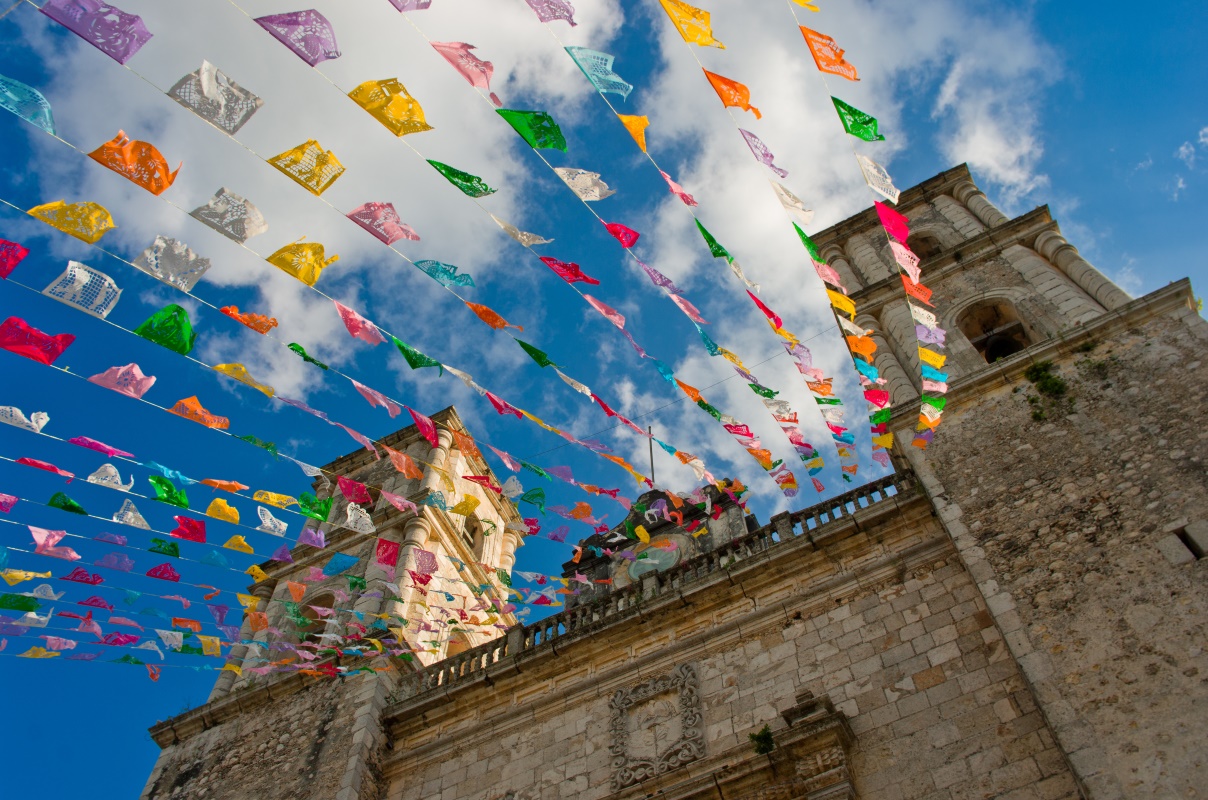
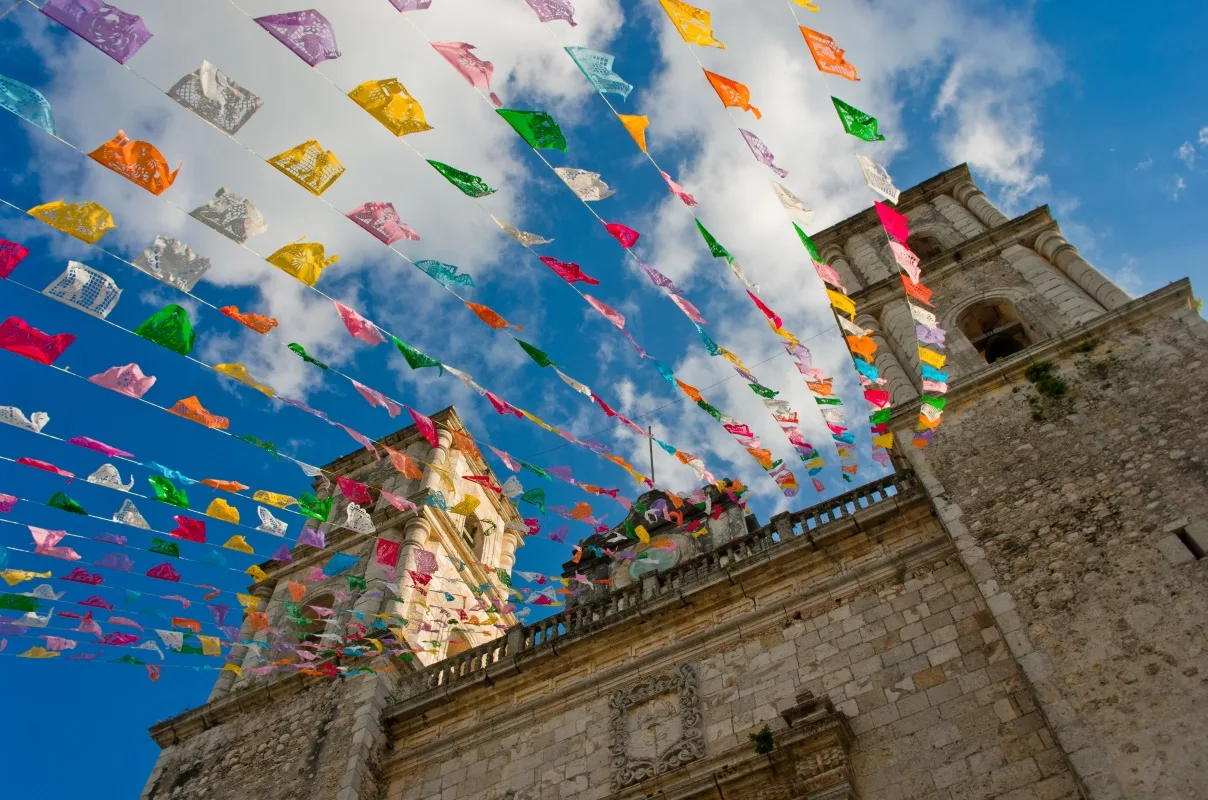
Founded in 1543 and built atop the former Maya town of Zací, Valladolid is a designated Pueblo Mágico (Magical Town) that beautifully blends Spanish-era architecture with its deep Maya roots.
- Historic highlights: Stroll around the main square to see the Convent of San Bernardino de Siena (1552) and the colorful Cathedral of San Servacio.
- Cenote Zací: Located in the heart of the city, this massive, semi-open cenote is a must-visit. Entry is ~MXN 60, and you can swim in its 150-foot-wide cavern ringed by stalactites.
- Getting there: An ADO bus from Cancún takes about 2 hours and 30 minutes
- Local flavors: Sample authentic cochinita pibil from a street stall or enjoy refined Yucatecan cuisine at a restaurant on the main square like El Atrio del Mayab.
Explore the Ancient City of Ek Balam
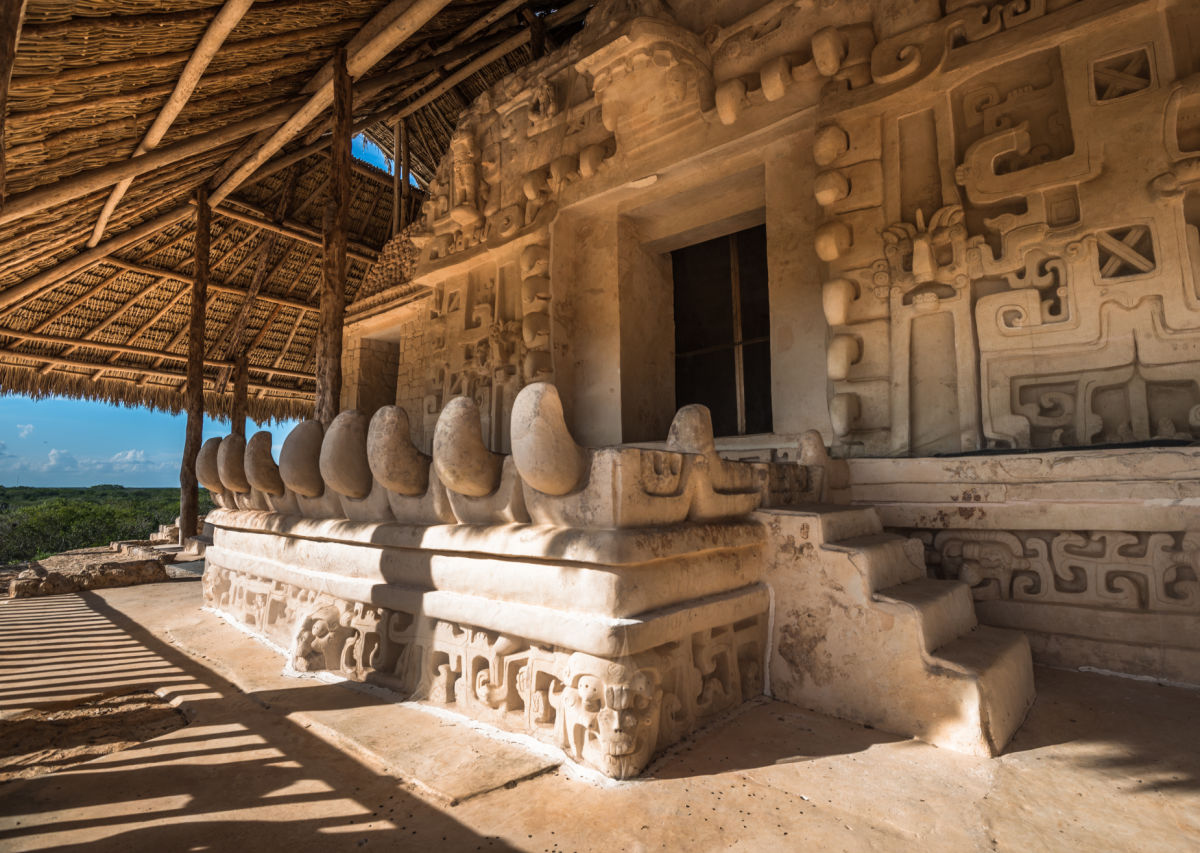
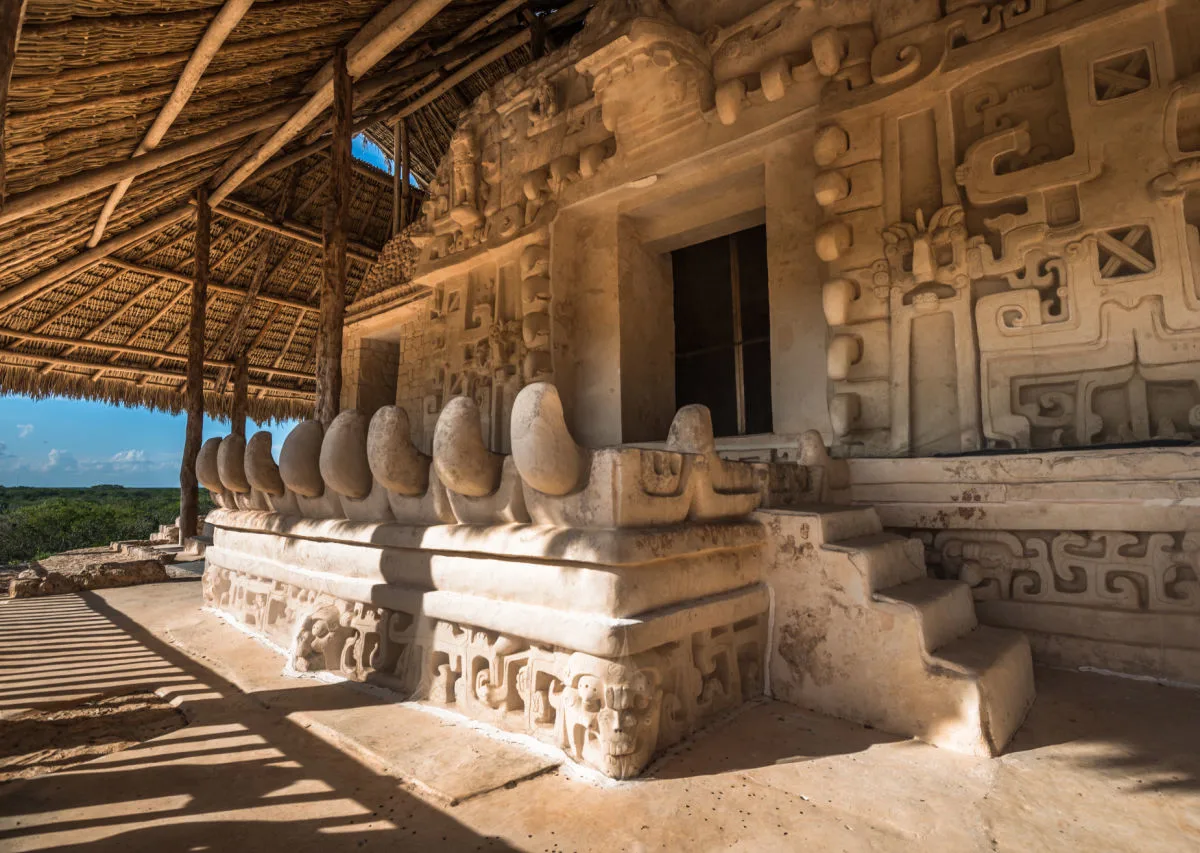
For those who dream of climbing to the top of a Maya pyramid, Ekʼ Balam (“Black Jaguar”) is your destination. This magnificently preserved city is famous for the intricate plaster and stucco facade on the tomb of its king, Ukit Kan Leʼk Tokʼ, which remains almost perfectly intact.
The main pyramid, the Acropolis, is open for visitors to climb.
- Hours & Admission: Daily 8 a.m.–5 p.m. (last access 4 p.m.). Foreigners pay a combined state and federal fee totaling MXN 531.
- Getting there: Located 27 km north of Valladolid (a 30-minute drive).
- Climb the Acropolis: Ascend the 106 steep steps for breathtaking panoramic vistas of the surrounding jungle. Wear sturdy shoes and bring plenty of water for the climb.
So, are you ready to see what lies beyond the beach? Each of these trips—from gazing up at the magnificent Chichén Itzá to actually climbing the jungle pyramid at Ek Balam—is your chance to step into a story thousands of years old.
This is how you find the real soul of the Yucatán. So go ahead, pack your curiosity right next to your swimsuit.
You’re not just going on vacation; you’re about to make history your own.
The Ultimate Cancun Trip Planner
When’s the best time to go? Our powerful month-by-month guide breaks down the weather, crowds, sargassum, and prices for your perfect trip.
Find Your Perfect Cancun & Riviera Maya Resort In Seconds
This simple, powerful tool was built by our on-the-ground experts to match you with the ideal resort for your specific budget and travel style.
Subscribe to our Latest Posts
Enter your email address to subscribe to The Cancun Sun’s latest breaking news affecting travelers, straight to your inbox.