
Cancun’s beaches are the undisputed main attraction for the millions of travelers pouring into the Mexican Caribbean every year. The brilliant white sand and vibrant turquoise water serve as the backdrop for countless perfect vacations. But beneath that inviting surface, the ocean remains a powerful, unpredictable force.
Local authorities have just issued a stern, urgent safety warning to all visitors following a highly chaotic stretch that saw an incredible 18 separate aquatic rescues across Cancun’s shorelines. That is 18 different times a tourist’s dream getaway nearly turned into a devastating tragedy.
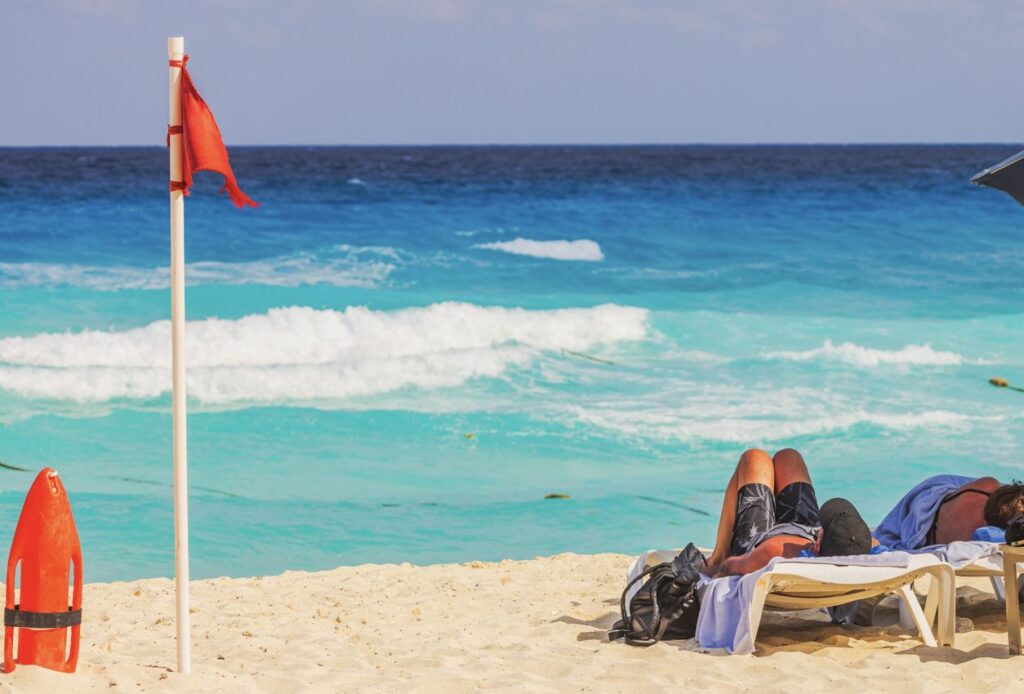
Here at The Cancun Sun, our priority is making sure you have the trip of a lifetime. But to do that, you need an insider’s reality check on what is actually happening in the water right now. Before you drop your towel on the sand and dive into the surf, here are the crucial things you need to know to stay safe this season.
1. The Danger Zones: It Happens At The Best Beaches
These 18 emergency rescues did not happen on isolated, hidden stretches of rocky coastline. They occurred at three of the busiest, most spectacular, and heavily trafficked public beaches in the entire Hotel Zone: Playa Delfines, Playa Marlin, and Playa Gaviota Azul.
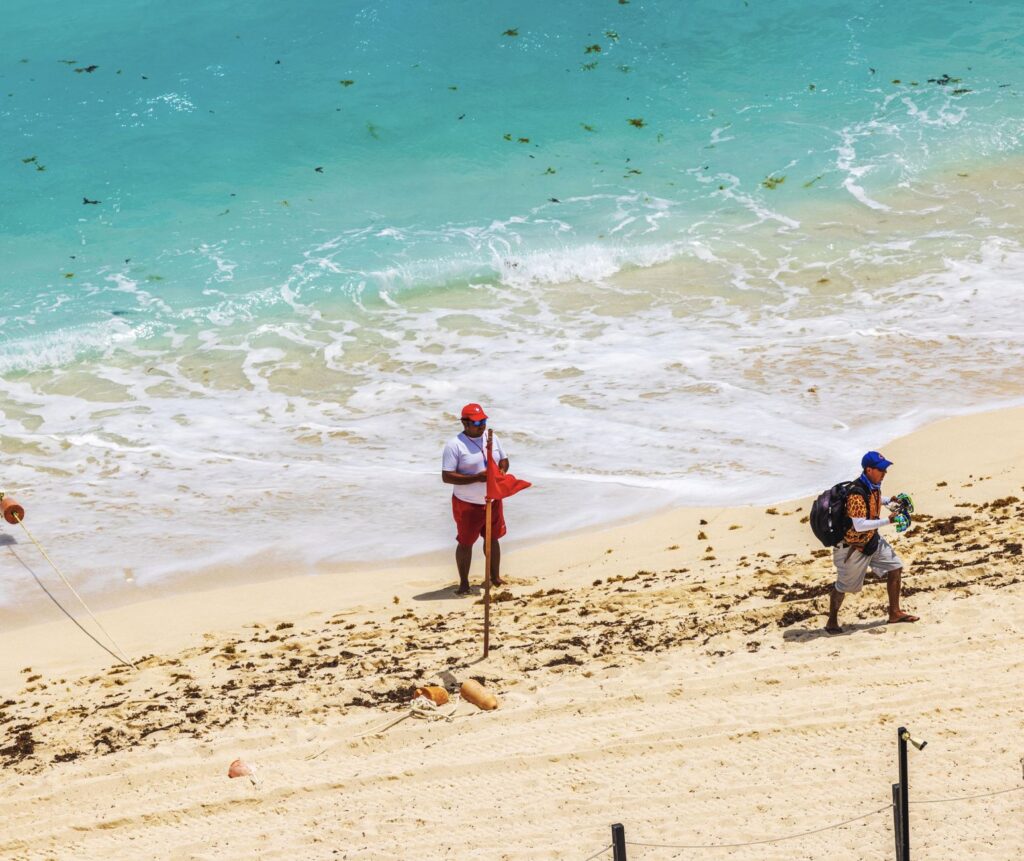
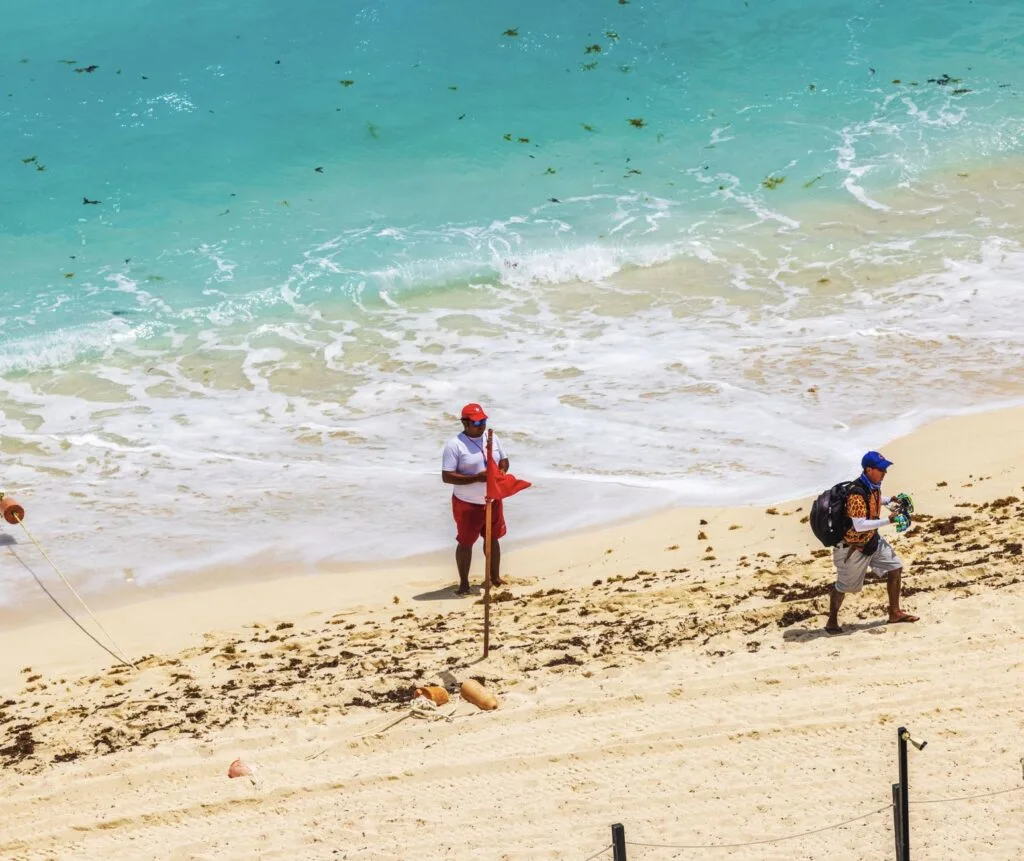
Playa Delfines, for example, is famous for its iconic, colorful “Cancun” sign and sweeping, unobstructed ocean views. It is undeniably gorgeous. But because these specific beaches face the open ocean without the geographical protection found further north, they are notoriously prone to powerful, rapidly shifting rip currents. In each of these 18 incidents, beachgoers were caught in the outward pull and swept out to sea, requiring immediate, frantic intervention from on-duty lifeguards to bring them back.
2. The Margarita Effect: Intoxication In The Surf
Cancun employs some of the best, most highly trained water rescue teams in all of Mexico. However, officials noted a deeply concerning trend connecting these near-drownings: they were almost entirely preventable.
You are in Cancun, and enjoying a few margaritas or ice-cold Cervezas on the beach is basically a rite of passage. However, authorities detected that a significant number of the rescued bathers had entered the crashing surf heavily under the influence of alcohol.
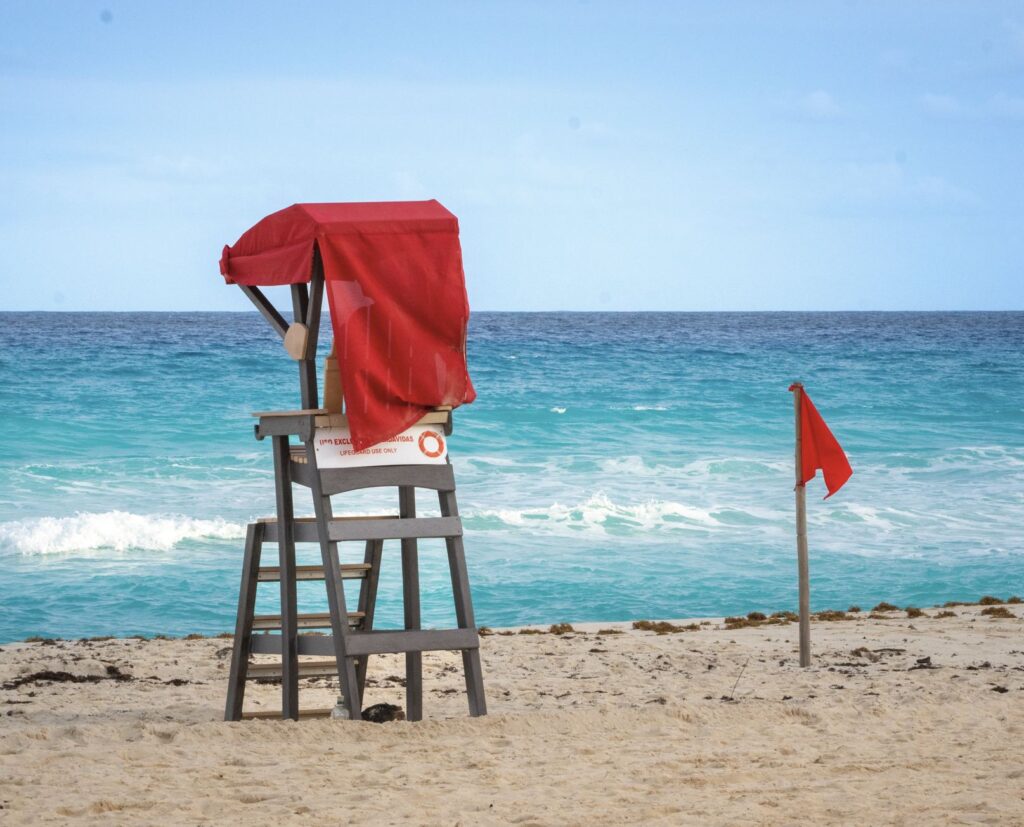
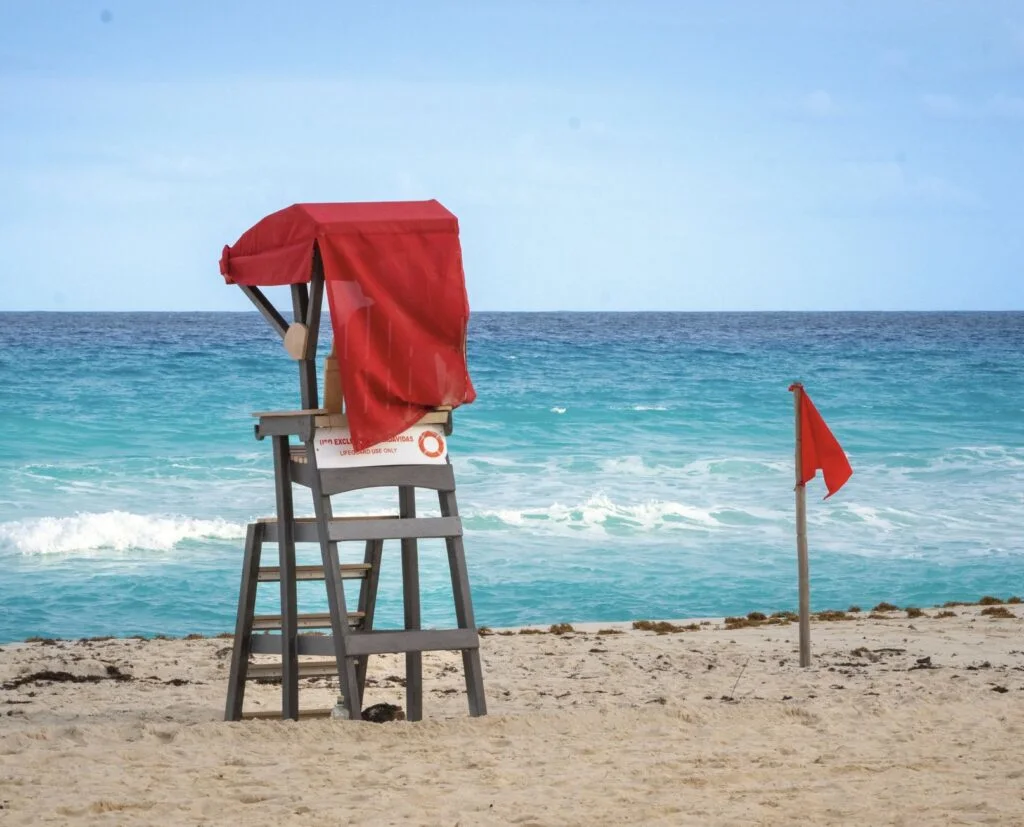
Drunk swimming is a massive liability. It drastically slows your physical reaction time, completely impairs your judgment, and severely multiplies your risk of drowning when a rogue wave hits or a rip current suddenly opens up beneath your feet. Enjoy your drinks on the beach, but when you are heavily buzzed, you need to stay out of the ocean.
3. The Whistle Is Not A Suggestion
The most frustrating part of these 18 rescues for local authorities? Many of the rescued individuals actively ignored the lifeguards stationed on the sand.

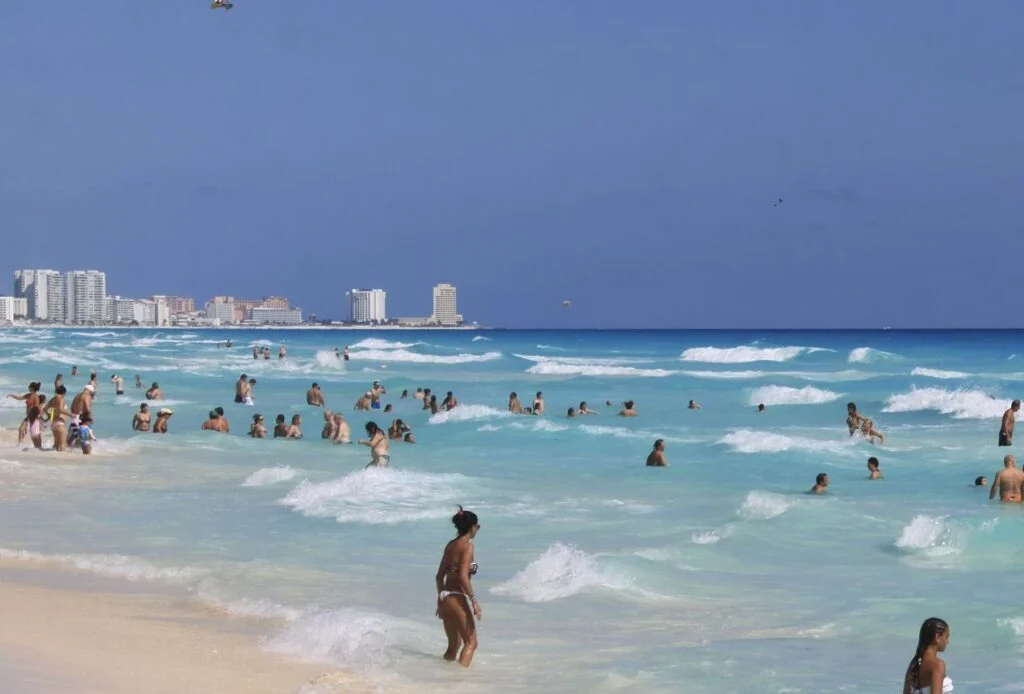
When a lifeguard blows their whistle and aggressively waves you inward, they are not trying to ruin your fun or cut your swim short for no reason. They see a shifting current, an incoming swell, or a rip forming that you simply cannot see from the water level. Ignoring direct verbal commands to step back or exit the water doesn’t just put your own life at risk; it forces a rescuer to put their own life on the line to dive in and get you out.
4. The Golden Rule: Decode The Beach Flags
The absolute easiest way to stay safe in the Mexican Caribbean is to simply look at the colored flags planted in the sand every single morning. They are not colorful decorations—they are non-negotiable daily directives dictated by live ocean conditions.
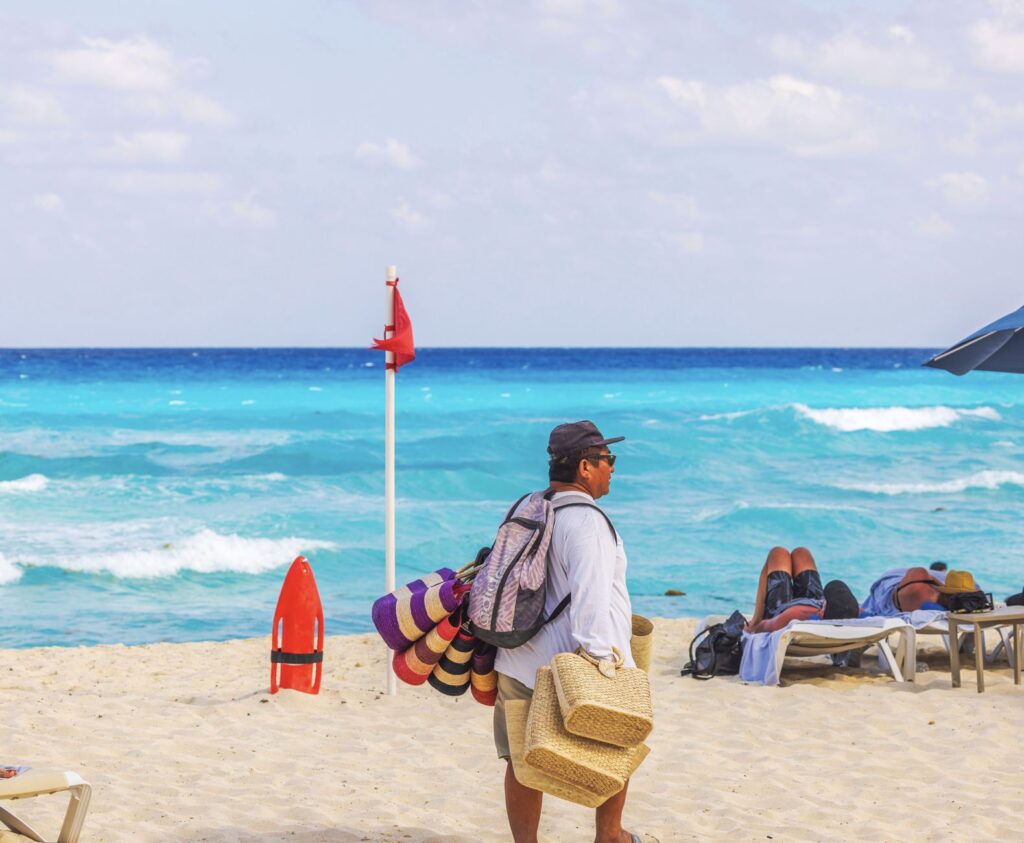
If you are heading down from your resort pool to the beach, here is exactly what the flag colors mean:
- Green Flag: The water is calm, the currents are weak, and conditions are perfectly safe for swimming. Enjoy the Caribbean exactly how you imagined it.
- Yellow Flag: Proceed with caution. You can expect choppy waves and unpredictable, shifting currents. You should keep your kids within arm’s reach and stay entirely in shallow water.
- Red Flag: High danger. Strong, localized rip currents are actively pulling away from the shore. You should stay completely out of the water, or at the absolute maximum, do not wade in past your knees. Do not test a red flag.
- Black Flag: Extreme danger. The ocean is officially closed to the public due to severe weather or massive swells. You must stay entirely on the dry sand.
- White Flag: Use caution, as marine life (most commonly jellyfish) is actively present in the water near the shore.
A beach day in Cancun is supposed to be the absolute highlight of your trip, not the abrupt end of it. Listen to the lifeguards, watch your alcohol intake before swimming, and always respect the flags. The ocean is incredibly beautiful, but it will always win a fight.
The Ultimate Cancun Trip Planner
When’s the best time to go? Our powerful month-by-month guide breaks down the weather, crowds, sargassum, and prices for your perfect trip.
Find Your Perfect Cancun & Riviera Maya Resort In Seconds
This simple, powerful tool was built by our on-the-ground experts to match you with the ideal resort for your specific budget and travel style.
Subscribe to our Latest Posts
Enter your email address to subscribe to The Cancun Sun’s latest breaking news affecting travelers, straight to your inbox.