
Cancun and the Mexican Caribbean remain the ultimate dream getaway for millions of travelers.
Unfortunately, that massive popularity has also made the region the undisputed top target for international travel scammers.
According to newly released 2026 data, fraudsters are actively weaponizing the high demand for Cancun vacations, leaving unsuspecting travelers without their money and without a vacation. Here is a breakdown of how the latest travel package scams are operating and exactly what you need to do to protect your wallet before booking your next trip.

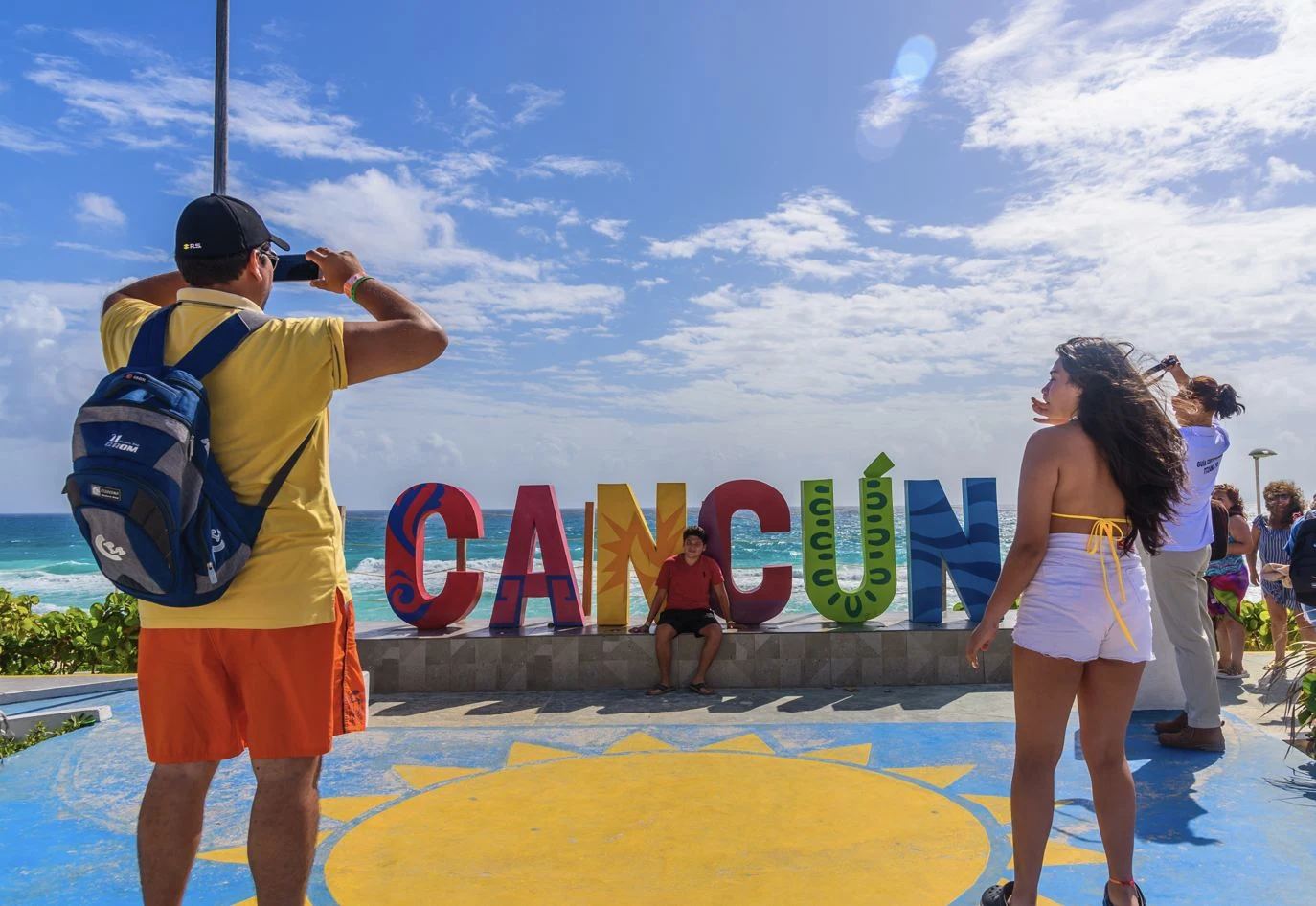
The Scam Data: Cancun Takes the Top Spot
A recent July 2026 report published by El Financiero highlights just how concentrated these fraudulent activities have become.
Unsurprisingly, scammers follow the crowds, and they have placed a massive bullseye on Mexico’s major beach destinations.
The data reveals that Cancun currently accounts for 42.9% of all fake travel package scams nationwide.
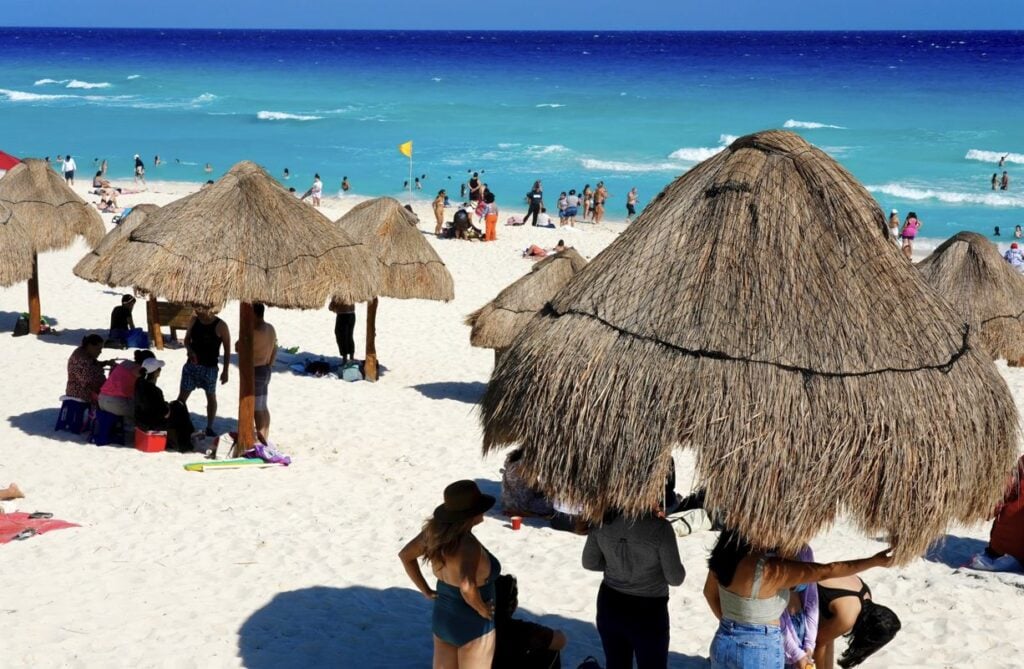
To put that into perspective, nearly one out of every two travel-related frauds committed in Mexico is directly tied to a fake Cancun vacation.
When you combine Cancun with the other top targeted beach destinations—Acapulco (7.8%), Huatulco (6.9%), and Puerto Vallarta (6.4%)—these four coastal hotspots account for a staggering 64% of all detected travel scams.
Recent analysis from the Citizens’ Council for Security and Justice notes that overall travel fraud in Mexico increased by 3% during this summer vacation season alone.

How the “Ghost Agency” Scams Work
These scams—often referred to locally as montaviajes—are incredibly sophisticated. The days of obvious, poorly worded spam emails are largely over. Today, cybercriminals are running highly coordinated digital operations to trick consumers.
Here is how they typically bait travelers:
- Cloned Websites and Spoofed Brands: Scammers are creating nearly identical, cloned websites and fake social media profiles of highly recognizable brands. Recent reports indicate perpetrators have successfully spoofed airlines like Volaris and Aeroméxico, as well as major hospitality companies including Hoteles RIU, Grupo Oasis, Xcaret, Expedia, and Booking.com.
- Below-Market Pricing: The primary hook is always an irresistible deal. Scammers target the natural increase in search traffic leading up to holidays and long weekends, offering luxury all-inclusive packages at prices drastically below the actual market value.
- Social Media Bait: Victims are frequently targeted through sponsored ads on platforms like Facebook and Instagram. When a traveler clicks the ad, they are connected to a “travel agent” who rushes the booking process, claiming the promotional pricing is about to expire.
- The Disappearing Act: Once the victim transfers the money—often losing thousands of dollars—the “agency” completely vanishes, taking down the fake social media page and disconnecting their phone numbers. Demographic tracking shows that travelers over the age of 50 are the most heavily targeted and vulnerable to these specific tactics.

How to Protect Yourself Before Booking
The financial losses from these scams can be devastating, but they are entirely preventable. By applying a few strict rules to your booking process, you can easily filter out the fraudsters.
- Verify the Agency’s Legitimacy: Never blindly trust a social media profile, regardless of how many “followers” it has. Verify that the travel agency is officially registered with the Mexican Ministry of Tourism (SECTUR) and check for any regulatory complaints through Mexico’s consumer protection agency, PROFECO.
- Never Wire Money to a Personal Account: This is the ultimate red flag. A legitimate travel corporation, airline, or resort will never ask you to finalize your booking by making a direct wire transfer, Zelle payment, or bank deposit into a personal, individual bank account.
- Beware the “Too Good to Be True” Rule: Cancun is a premium global destination. If you see an advertisement offering a five-star, all-inclusive, week-long vacation with flights for an outrageously low price, it is almost certainly a scam.
- Book Direct or Use Verified Professionals: The absolute safest way to book your trip is to go directly through the official, verified websites of the resorts and airlines. If you prefer using an agent, ensure you are working with an established, accredited travel advisor based in your home country.
Cancun is a remarkably safe and stunning destination once you are on the ground. By booking smart and keeping a sharp eye out for digital fraud, you can ensure your hard-earned money actually goes toward the Caribbean vacation you deserve.
Join Our Cancun Sun Community of 16,000+ Members
Get real-time answers to your travel questions from our team of local experts and thousands of fellow travelers directly inside our interactive group.
Find Your Perfect Cancun & Riviera Maya Resort In Seconds
This simple, powerful tool was built by our on-the-ground experts to match you with the ideal resort for your specific budget and travel style.
The Ultimate Cancun Trip Planner
When’s the best time to go? Our powerful month-by-month guide breaks down the weather, crowds, sargassum, and prices for your perfect trip.
Enter your email address to subscribe to The Cancun Sun’s latest breaking news affecting travelers, straight to your inbox.