
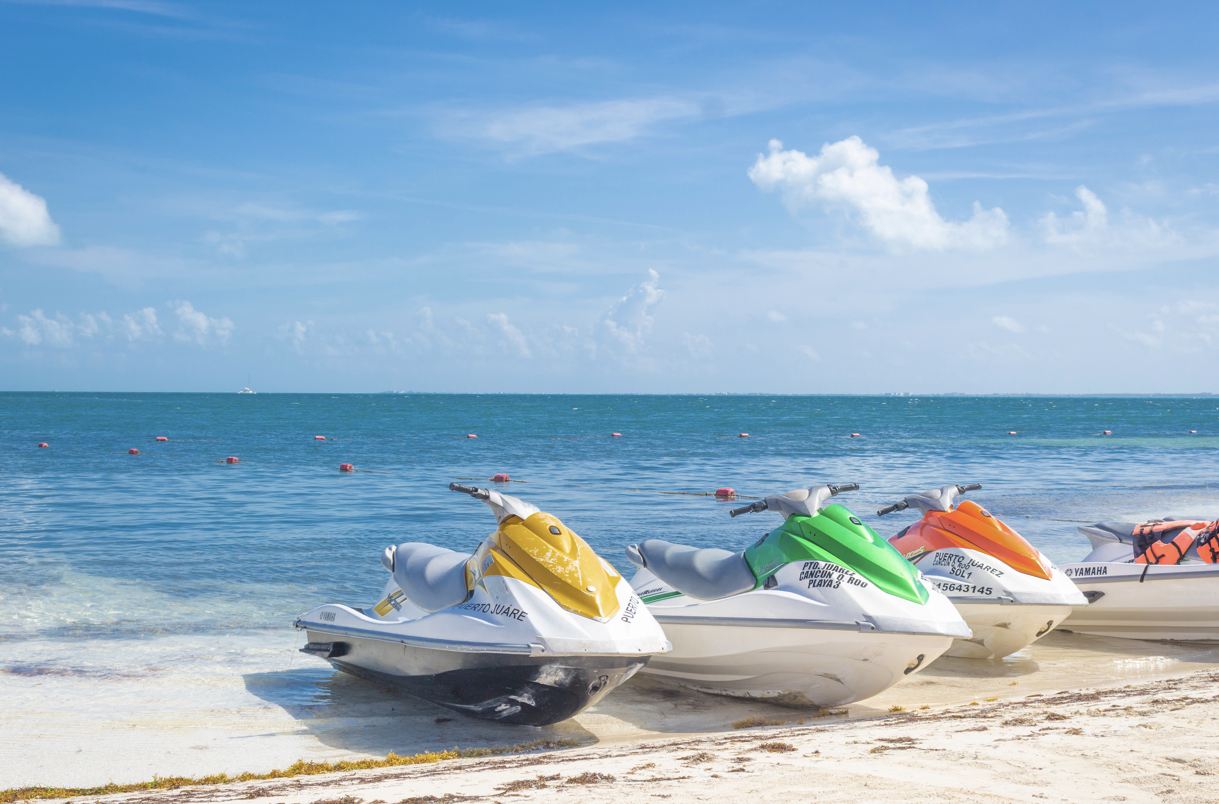
We all love the thrill of finding a “hidden gem” deal online. Whether it’s a private yacht for your group, a cozy Airbnb in the Hotel Zone, or a jet ski rental for the afternoon, the internet is packed with seemingly perfect offers.
But behind those polished photos and too-good-to-be-true prices, a shadow market of illegal and unregulated rentals is exploding in the Mexican Caribbean. Just this week, authorities reported that roughly 40 private vessels are operating illegally in the Costa Occidental National Park alone every single day.
Don’t let a scam artist ruin your vacation budget—or worse, put your safety at risk. Before you pull out your credit card, watch out for these five major red flags that your “deal” might actually be a trap.


1. The “Vanishing Office” Red Flag
- The Warning Sign: The rental listing features a beautiful website or social media page, but there is no physical address, no office location, and no phone number that actually connects to a human being.
- The Risk: If you can’t verify that the company has a physical presence in Cancun or Isla Mujeres, you are dealing with a ghost entity. If your jet ski breaks down or your Airbnb host “loses” your reservation, there is literally no one to hold accountable.
- The Fix: Search for the company on Google Maps. If they claim to be a large rental agency but don’t have a pinned location with real customer photos and reviews, do not book.

2. The “No-Permit” Pivot
- The Warning Sign: When you ask to see their official operating permits, insurance coverage, or marina authorization, the response is vague, dismissive, or they immediately pivot to offering you a “special discount” to stop asking questions.
- The Risk: In the Mexican Caribbean, legitimate tourism operators (especially for boats and water sports) are required to hold strict permits from agencies like CONANP (National Commission of Natural Protected Areas). If they don’t have these, they are operating illegally. This means they likely lack basic safety equipment, liability insurance, and trained staff. If an accident happens, you are on your own.
- The Fix: Legitimate operators are proud of their compliance. If they act shady when you ask for documentation, walk away.


3. The “Social Media Only” Trap
- The Warning Sign: The business exists only on Instagram, TikTok, or Facebook Marketplace. There is no booking platform, no secure checkout, and they only accept payments via wire transfer, Zelle, or sketchy third-party money apps.
- The Risk: Digital platforms are prime hunting grounds for scammers because they allow for total anonymity. Once you send that Zelle payment to a random email address, that money is effectively gone forever. You have zero protection against fraud.
- The Fix: Always prioritize businesses that use established, secure booking platforms. If they only take direct transfers, consider it a non-starter.
4. The Price-Point “Catfishing”
- The Warning Sign: The price is 50% lower than every other competitor in the market.
- The Risk: In the tourism industry, supply and demand set the floor for pricing. If a yacht rental is consistently $1,000 elsewhere and someone is offering it to you for $300, it is not a “lucky break”—it is bait. They are either planning to hit you with massive “hidden fees” once you arrive, or they simply have no intention of providing the service at all.
- The Fix: Do a quick market check. If the offer deviates wildly from the standard industry average, proceed with extreme skepticism.

5. The “Aggressive Urgency” Tactic
- The Warning Sign: The seller is pushing you to book right now to “hold the spot,” using high-pressure language about limited inventory or exclusive last-minute deals.
- The Risk: This is a classic psychological sales trick designed to stop you from doing your due diligence. By forcing you to make a snap decision, they prevent you from Googling their name or reading reviews that might reveal them as a scammer.
- The Fix: Never let a seller dictate your timeline. If they are being pushy, tell them you need 24 hours to coordinate with your group. If they pull the offer because you won’t pay immediately, consider it a blessing—you just dodged a bullet.
Pro-Tip: How to Verify Any Operator
Before you book, ask the provider for their RFC (Registro Federal de Contribuyentes), which is Mexico’s tax ID. A legitimate business will have no problem providing this. You can also look for the “Distintivo M” or “Sello de Calidad”—official certifications from the Mexican tourism board that indicate an operator has met the government’s rigorous safety and service standards.
Remember: A cheap rental isn’t a bargain if it ruins your trip. Stick to the authorized, regulated, and verified professionals, and you’ll spend your time in Cancun creating memories instead of filing police reports!
Join Our Cancun Sun Community of 16,000+ Members
Get real-time answers to your travel questions from our team of local experts and thousands of fellow travelers directly inside our interactive group.
Find Your Perfect Cancun & Riviera Maya Resort In Seconds
This simple, powerful tool was built by our on-the-ground experts to match you with the ideal resort for your specific budget and travel style.
The Ultimate Cancun Trip Planner
When’s the best time to go? Our powerful month-by-month guide breaks down the weather, crowds, sargassum, and prices for your perfect trip.
Enter your email address to subscribe to The Cancun Sun’s latest breaking news affecting travelers, straight to your inbox.