
If you traveled to the Mexican Caribbean this summer hoping for pristine, crystal-clear turquoise waters, there is a very good chance your beach day was interrupted by massive, smelly piles of brown seaweed. The seasonal sargassum influx is an unavoidable reality for the region, but this year, the sheer volume of algae washing ashore completely overwhelmed some of the most popular tourist hotspots.
According to Arturo Quintero Diaz, the acting head of the Directorate of Public Services for Benito Juarez, municipal crews have hauled away over 27,000 tons of sargassum from Cancun’s beaches since January alone. To put that massive number into perspective, that is nearly double the total amount of seaweed collected during the entire previous year.
If you are planning a trip down to the coast in the coming months, you need to know exactly which beaches are taking the heaviest hits—and more importantly, where you can go to completely avoid the mess.
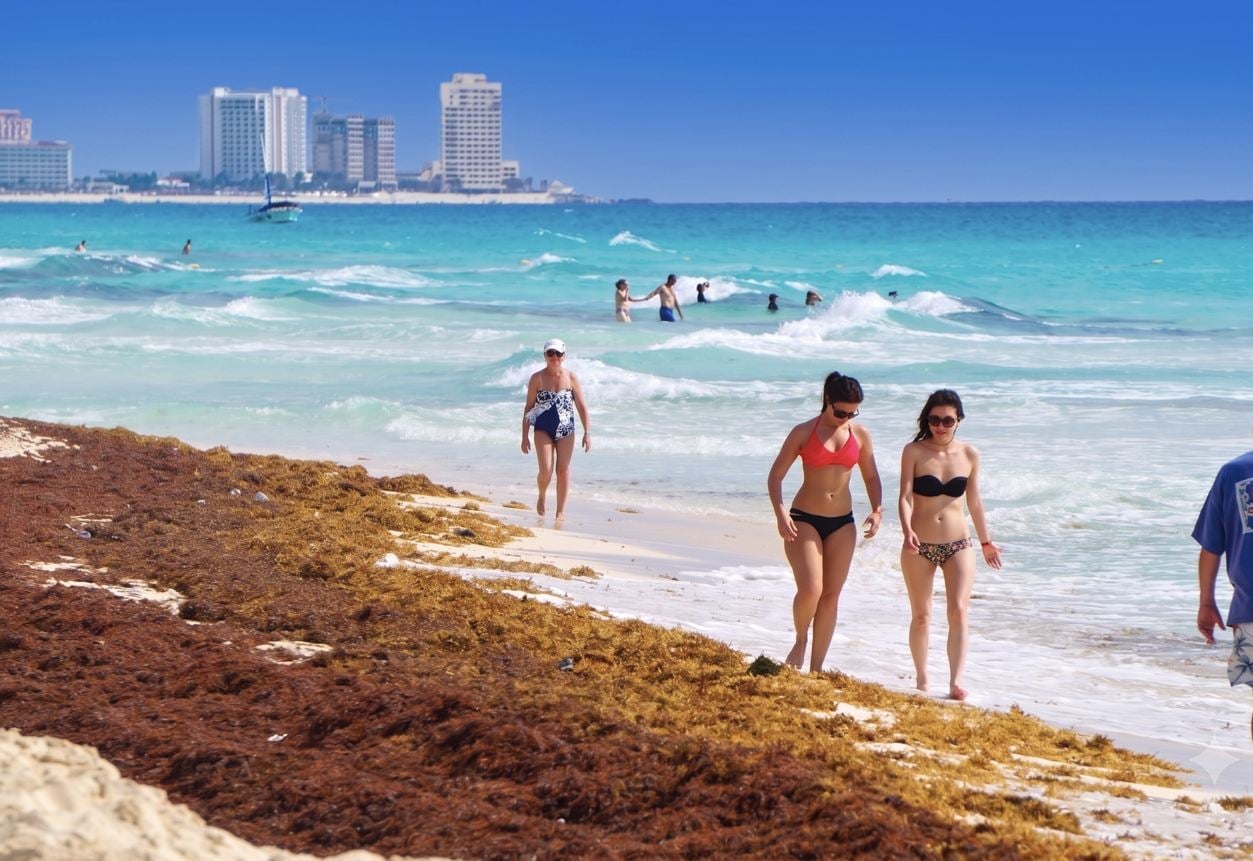
The Hardest Hit: Playa Delfines
If there is one iconic spot that took the absolute brunt of the seaweed invasion this summer, it is Playa Delfines.
Known for its massive “CANCUN” sign and sweeping, unobstructed views of the ocean, Playa Delfines is usually a mandatory stop for tourists. However, because of its wide-open exposure to the Caribbean currents, it became a magnet for sargassum.
Quintero Diaz officially confirmed that Delfines suffered the most severe damage throughout August, which recorded some of the highest seaweed levels of the entire year.
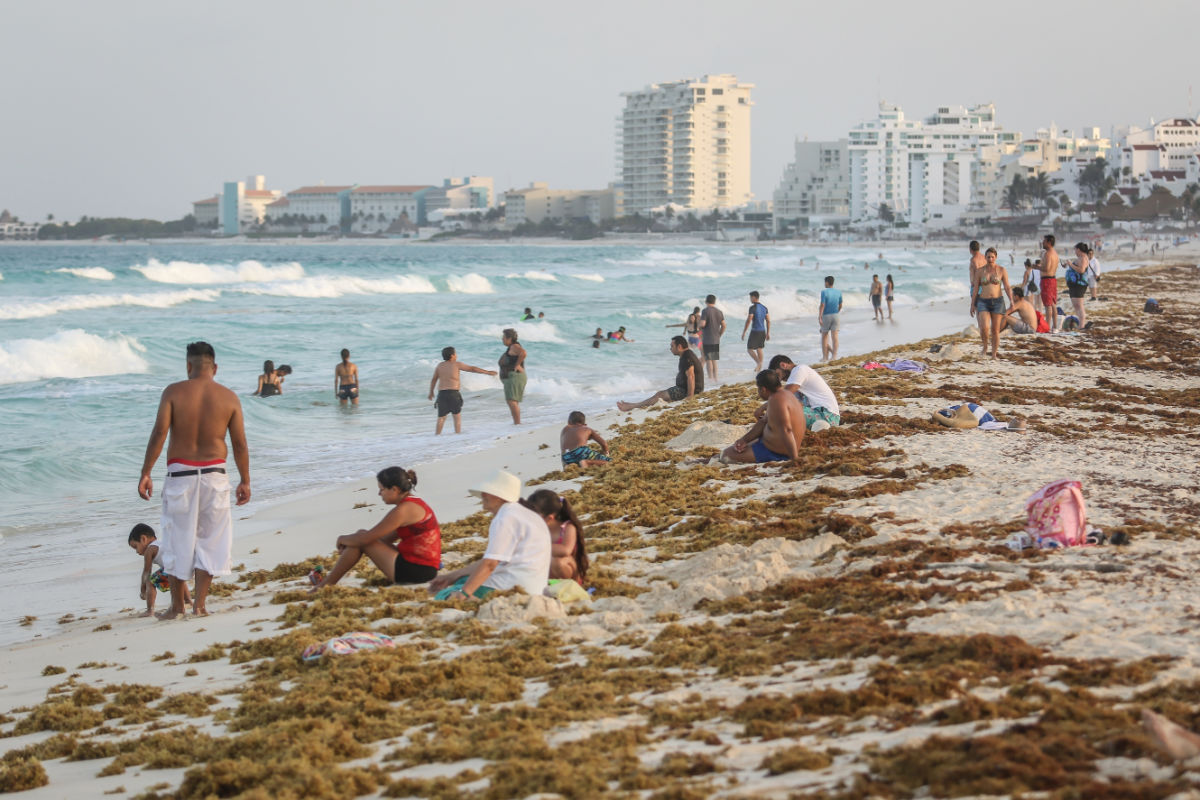
The other heavily affected beaches:
- Playa Coral: This popular pet-friendly beach saw massive accumulation, making the shoreline largely unusable for swimming during the peak summer weeks.
- Playa Chac Mool: Located right in the heart of the Hotel Zone, this stretch struggled heavily to keep the sand clear despite constant cleanup efforts.
While a massive crew of 250 workers—coordinated alongside the Federal Maritime Terrestrial Zone (Zofemat)—has been working tirelessly to clear the beaches using heavy machinery, they are essentially fighting a losing battle against the daily tides. The cleanup is under control, but officials admit there is zero guarantee that the September currents will bring any real relief.
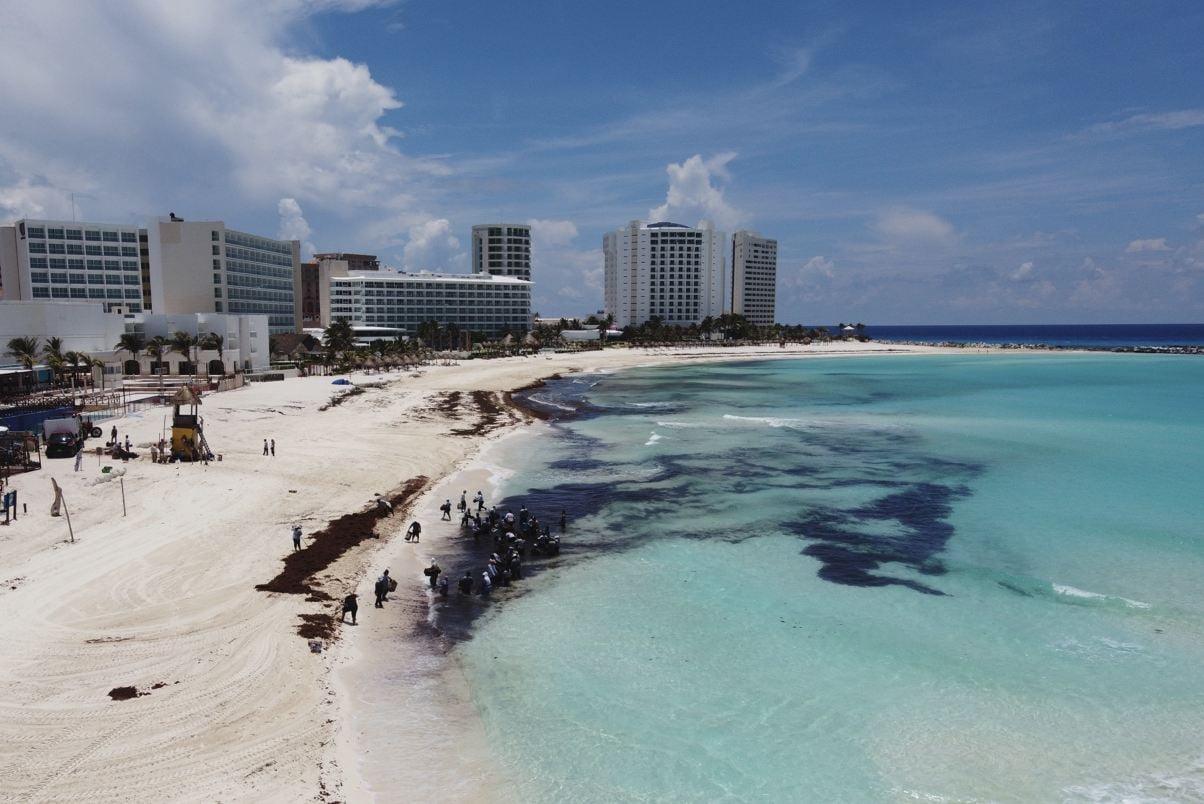
Where To Go Instead: The Sargassum-Free Zones
You do not have to cancel your Mexican Caribbean vacation just because the main Hotel Zone is dealing with seaweed. Because of the way the ocean currents move, the sargassum rafts are highly predictable. If you know how the coastline curves, you can easily find pristine, seaweed-free water just a few miles away from the hardest-hit areas.
Here are the absolute best alternative beaches to hit right now:
1. Cancun’s North-Facing Beaches
While the east-facing beaches like Delfines get hammered, the beaches located at the top of the “7” shape of the Hotel Zone face directly north toward Mujeres Bay. Because the offshore currents wrap around the peninsula, these northern shores are naturally sheltered.
- Playa Langosta: Known for incredibly calm, shallow water that is perfect for families.
- Playa Tortugas: A bustling, energetic beach with great local food stalls and almost zero seaweed.
- Playa Caracol: Tucked away near the major shopping plazas, offering clear water and minimal algae.
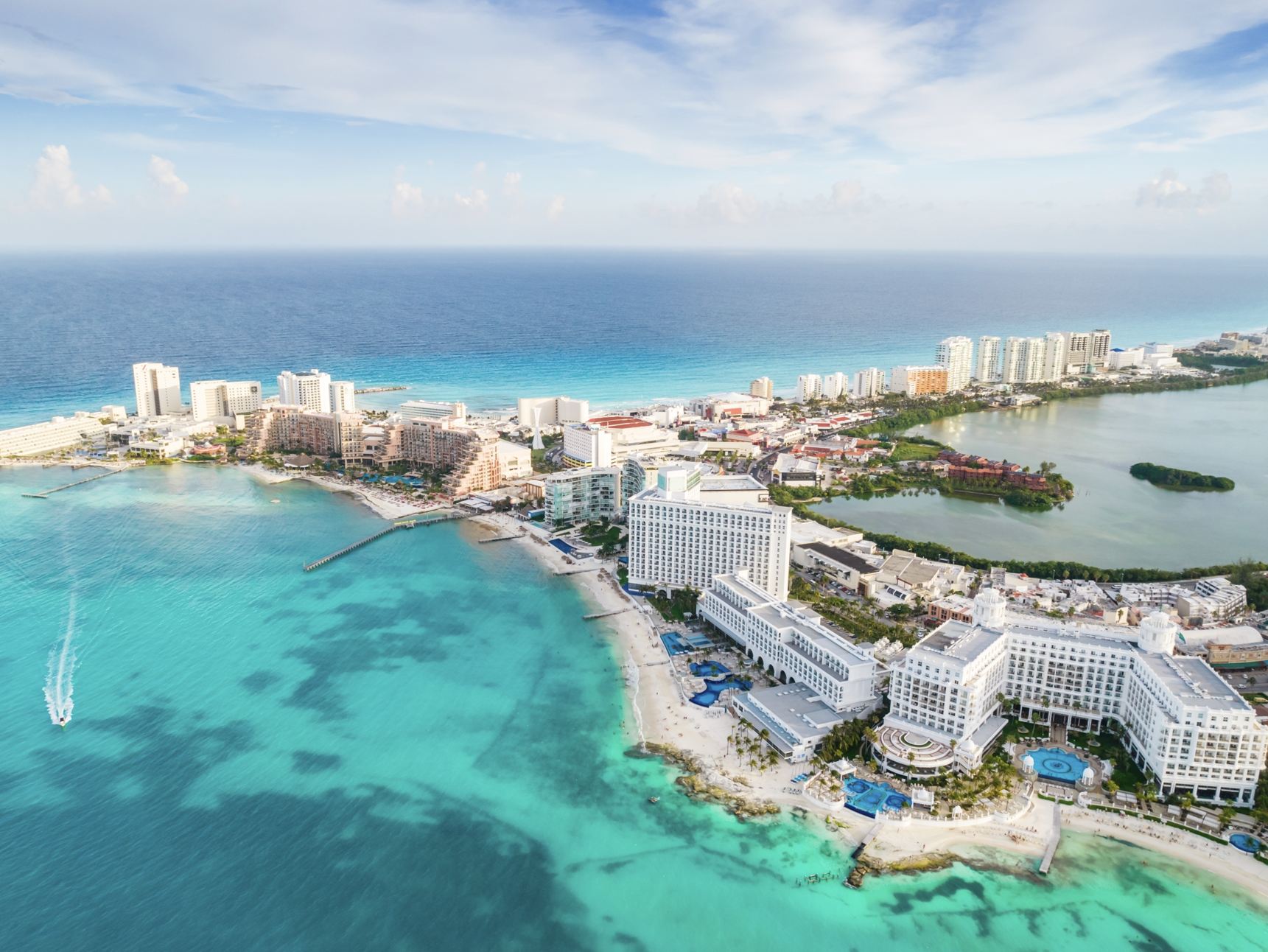
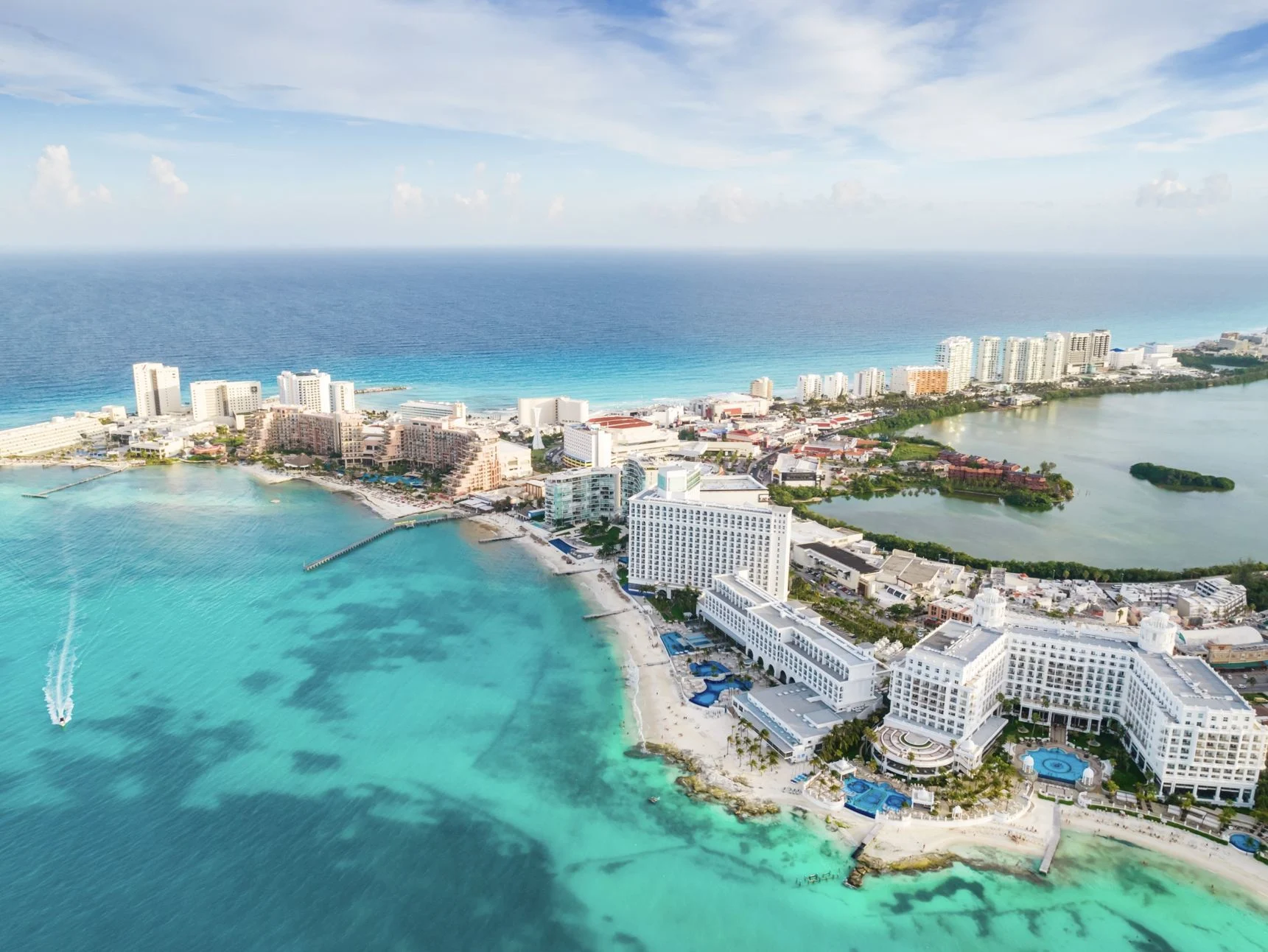
2. Isla Mujeres (Playa Norte)
If you want the absolute clearest water in the region, jump on the 20-minute Ultramar ferry out of Cancun and head straight to Isla Mujeres. The island’s crown jewel, Playa Norte, is consistently ranked as one of the best beaches in the world. Because it sits at the northern tip of the island and faces directly west back toward the mainland, it is completely blocked from the Atlantic sargassum currents. Even when Cancun is buried in seaweed, Playa Norte remains crystal clear and totally pristine.
3. The West Coast of Cozumel
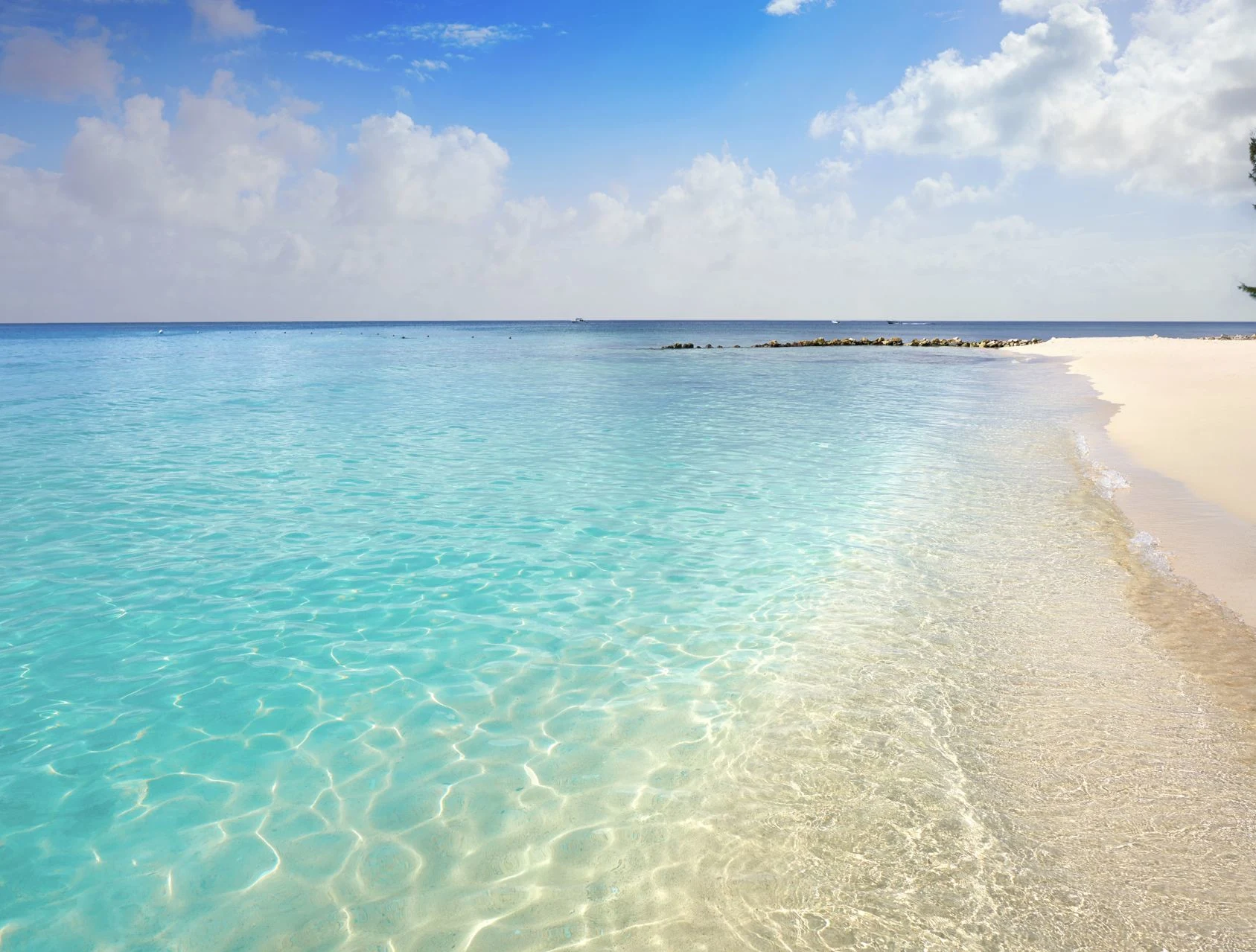
Similar to Isla Mujeres, the island of Cozumel acts as a natural barrier. The rugged east side of the island catches all the incoming sargassum, leaving the sheltered west coast—where all the major beach clubs, resorts, and dive sites are located—completely clear of seaweed.

4. Skip the Ocean, Hit the Cenotes
If you are tired of checking beach webcams, take the ocean out of the equation entirely. Rent a car and head into the deep jungle to explore the region’s massive network of cenotes (natural freshwater sinkholes). Spots like Cenote Azul or the massive underground caves at Rio Secreto offer incredibly clear, freezing-cold freshwater that is naturally immune to any ocean seaweed issues.
Pro Tips for Dodging Seaweed Daily
The sargassum situation changes literally overnight based on wind and tide shifts. To ensure you don’t waste a taxi ride to a ruined beach, use these quick tactics:
- Check the Live Webcams: Stop relying on outdated blog posts. Before you leave your hotel room, pull up the live streaming webcams scattered across the Hotel Zone to see exactly what the sand looks like in real-time.
- Join the Local Facebook Groups: There are massive, highly active community groups dedicated solely to tracking Cancun seaweed. Locals and tourists post daily photos of the beaches every single morning.
- Head to the Gulf: If the entire Caribbean coast is a mess, take a day trip north to the Gulf of Mexico. The beaches up near Holbox or Puerto Progreso rarely see the same deep-sea sargassum rafts that plague the Riviera Maya.
Join Our Cancun Sun Community of 16,000+ Members
Get real-time answers to your travel questions from our team of local experts and thousands of fellow travelers directly inside our interactive group.
Find Your Perfect Cancun & Riviera Maya Resort In Seconds
This simple, powerful tool was built by our on-the-ground experts to match you with the ideal resort for your specific budget and travel style.
The Ultimate Cancun Trip Planner
When’s the best time to go? Our powerful month-by-month guide breaks down the weather, crowds, sargassum, and prices for your perfect trip.
Enter your email address to subscribe to The Cancun Sun’s latest breaking news affecting travelers, straight to your inbox.