
If you have ever traveled to the Mexican Caribbean, you already know that the absolute crown jewels of the Yucatan Peninsula are not just the massive white-sand beaches, but the thousands of breathtaking cenotes hidden deep within the jungle. While heavy crowds routinely flock to the highly commercialized, heavily paved swimming holes scattered along the main highway between Playa del Carmen and Tulum, truly adventurous travelers know that the most spectacular natural wonders require venturing a little further off the beaten path.
This week, the state of Quintana Roo celebrated a massive win for authentic, eco-driven travel. After remaining completely shuttered to the public for more than three years, the stunning Blue Cenote (Cenote Azul) located in the historic community of Sacalaca has officially reopened its doors to local, national, and international tourists.
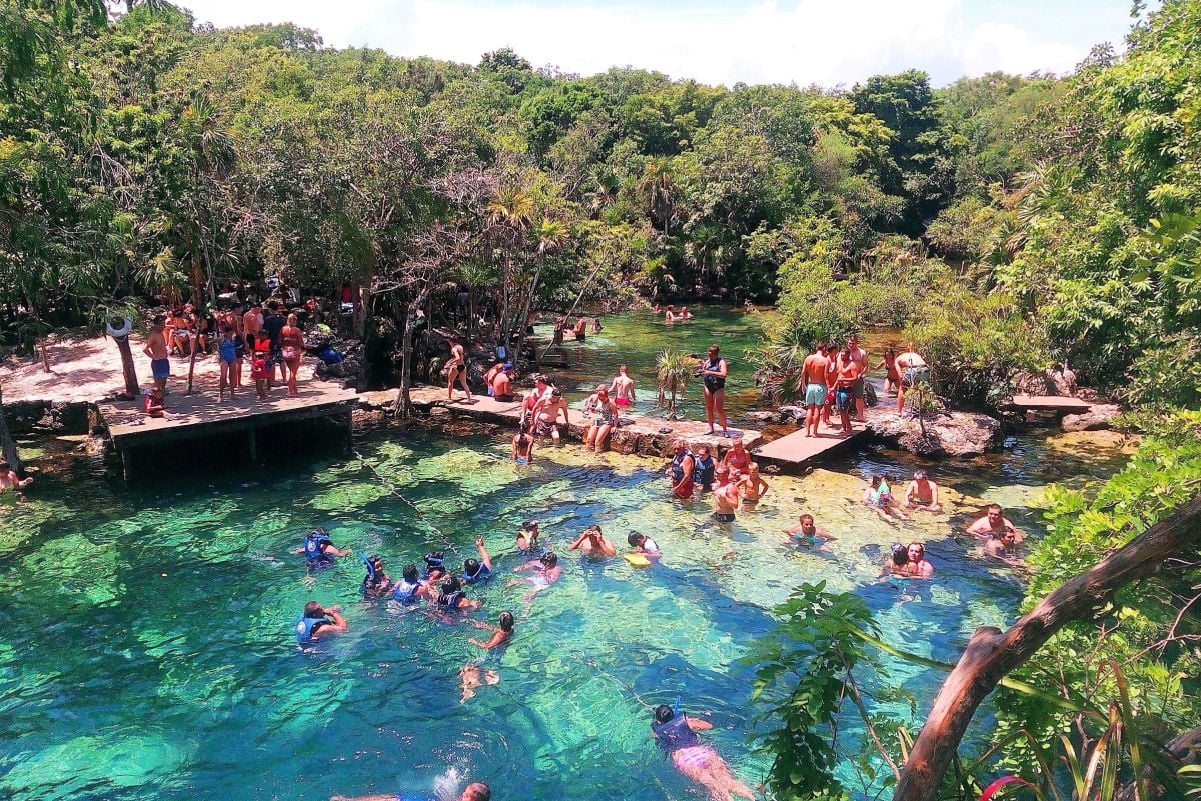
For travelers looking to escape the crowded mega-resorts and experience the pristine, untouched beauty of the region, this remote jungle oasis is immediately claiming a top spot on the ultimate Riviera Maya bucket list.
A Historic and Cultural Reopening
The highly anticipated reopening of the Blue Cenote was not just a quiet unlocking of a wooden gate; it was a deeply significant cultural event for the municipality of José María Morelos. After a grueling three-year closure, local authorities and community leaders gathered this past Thursday to officially welcome the public back to the sacred waters.
To honor the deep historical roots of the region, the absolute highlight of the reopening ceremony was the unveiling of a brand-new, intricately crafted sculpture depicting a Mayan guardian of the water. Positioned directly at the entrance of the site, this stunning guardian serves as a powerful physical reminder to all incoming visitors that these natural sinkholes are not just recreational swimming pools, but deeply sacred portals that demand absolute respect and preservation.
The sheer importance of this eco-tourism project to the local community was heavily reflected by the dignitaries in attendance.
The event was headlined by the municipal sub-delegate, alongside top academic leaders from the Maya Intercultural University. Dr. William Briceño Guzmán, the rector of the municipality’s highest institution of learning, stood alongside local councilwoman Jadla Pacheco to officially cut the ribbon.
Their strong presence underscores a massive regional shift toward supporting sustainable, community-run tourism projects that directly benefit the local rural economy rather than massive international corporate developers.
Plunging Into The Blue Cenote
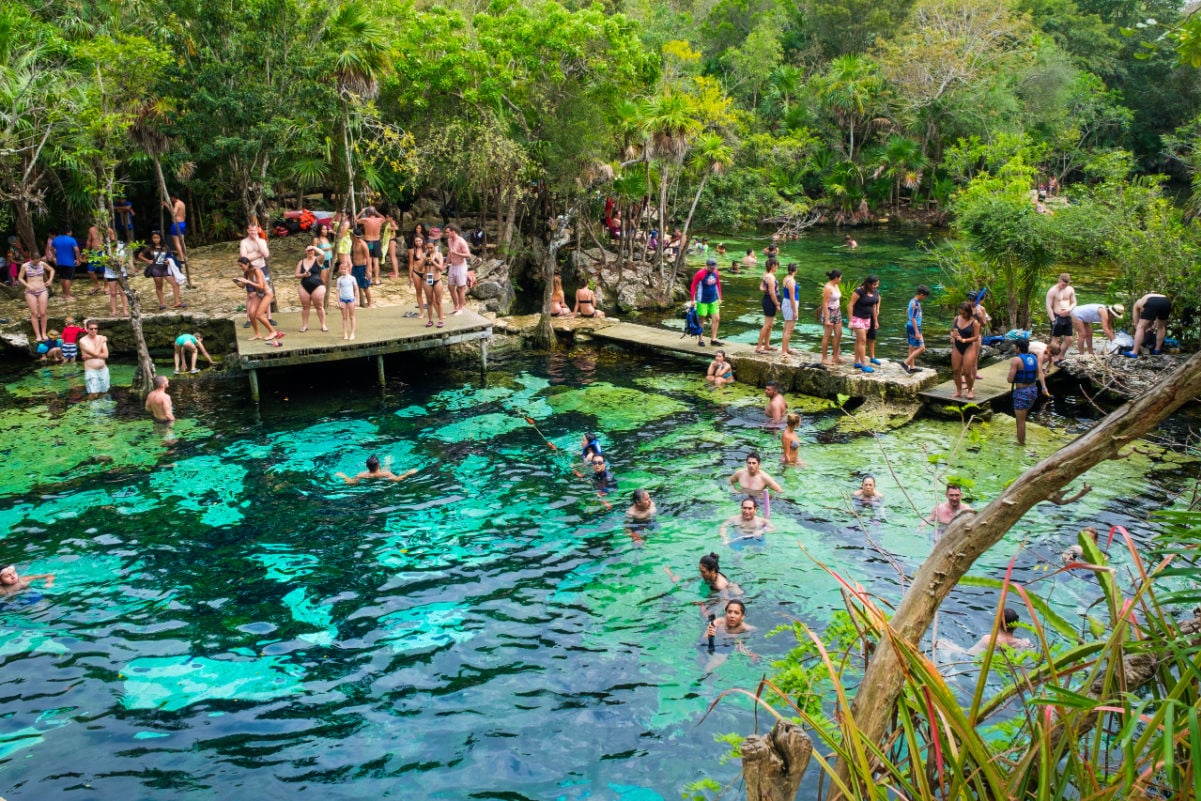
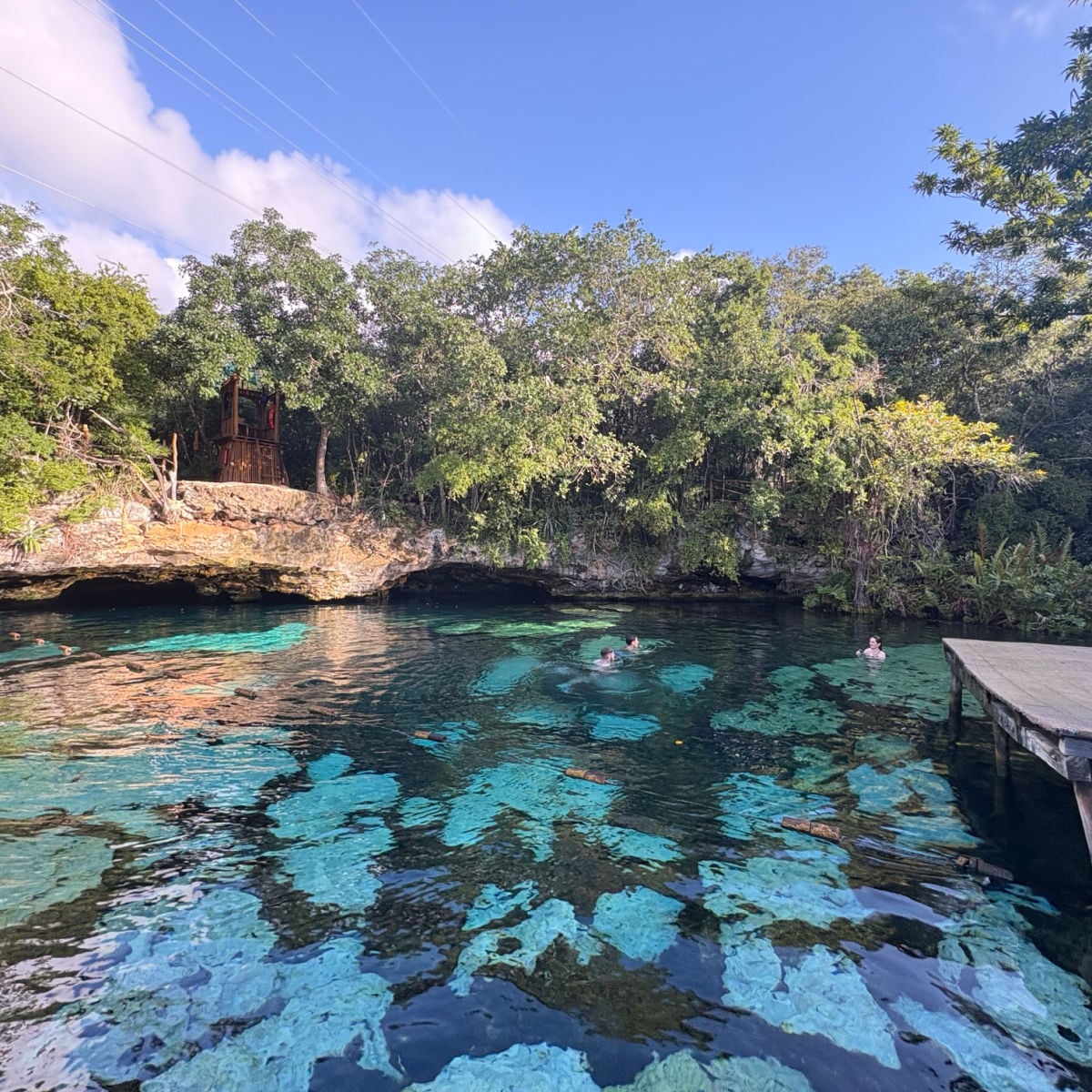
Located in the municipality of José María Morelos, Sacalaca plunges travelers deep into the authentic, unvarnished heart of the Quintana Roo jungle. This is absolutely not a manicured theme park experience. Unlike the heavily trafficked cenotes closer to the coast that feature massive concrete locker rooms, crowded zip lines, and booming music, the Blue Cenote of Sacalaca offers a rugged, pristine connection to the natural world.
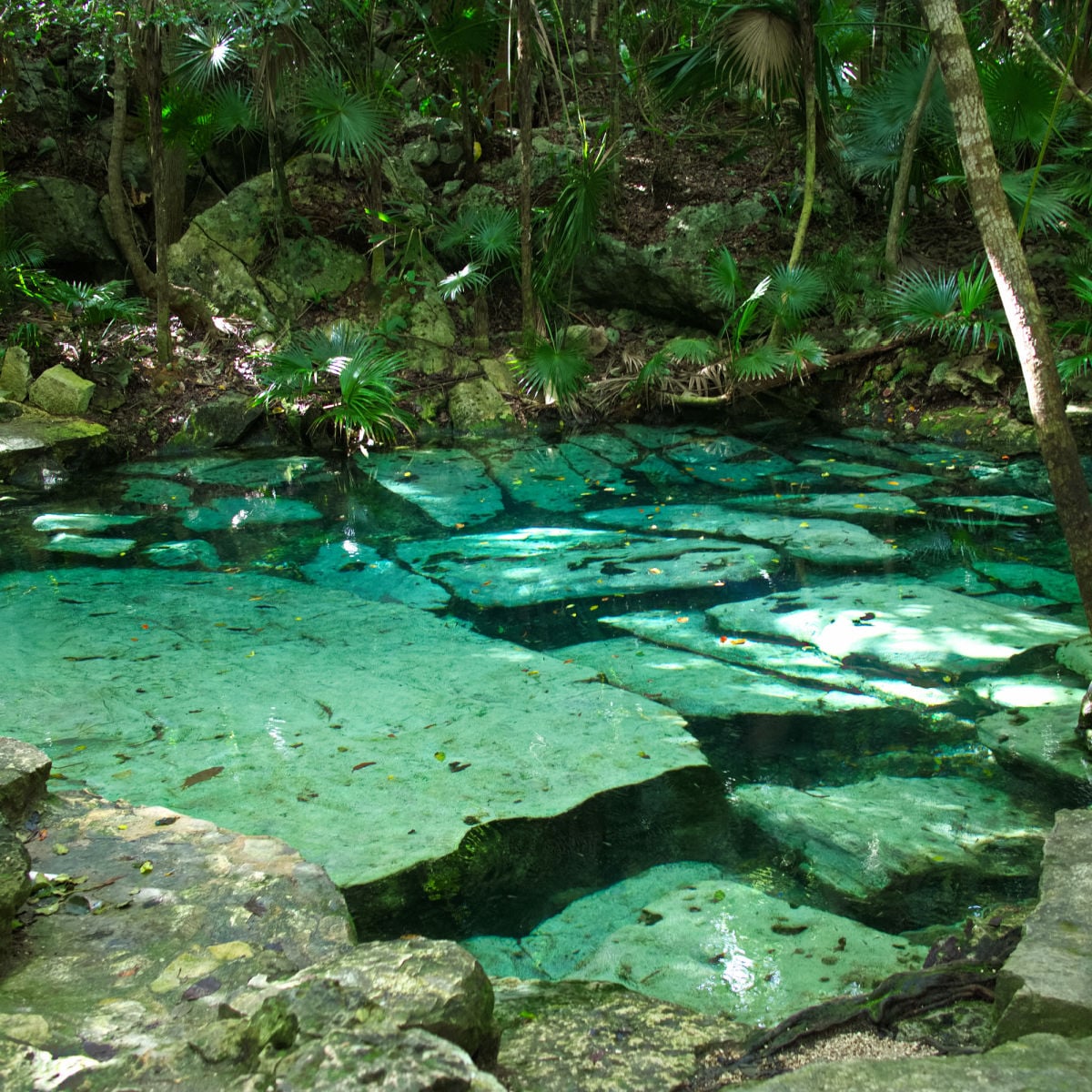
The water inside the cenote is famously crystal-clear, reflecting the vibrant, piercing blue hues that rightfully give the attraction its name. Surrounded by a dense, towering jungle canopy and echoing with the sounds of local wildlife, swimming in Sacalaca feels like stepping entirely back in time. It is a raw, awe-inspiring experience designed specifically for travelers who want to completely disconnect from the daily chaos of the Cancun Hotel Zone and immerse themselves in a fiercely protected ecosystem.
Exploring Colonial History
While the newly reopened cenote is the massive natural draw, the journey to Sacalaca offers a rich, unparalleled dive into the region’s complex history. Visitors making the trek out to the Blue Cenote are highly encouraged to spend the afternoon exploring the town’s two distinct, beautifully preserved colonial churches.
One temple is proudly dedicated to Saint Francis of Assisi, while the other honors Our Lady of Candelaria (La Candelaria). Standing face-to-face with these ancient stone structures deep in the jungle is a surreal, highly photogenic experience that highlights the diverse architectural heritage of the state.
Furthermore, the community operates a fascinating local museum situated directly inside the central church of La Candelaria. The museum proudly displays a massive array of ancient artifacts and historical relics discovered both inside the church walls and across the surrounding community grounds. It offers tourists a rare, unfiltered look at the complex intersection of local culture and colonial history.
Strategic Travel Tactics for Visiting Sacalaca
Because Sacalaca is located deep in the municipality of José María Morelos, far removed from the massive coastal tourist hubs, you cannot simply hail a quick taxi from your all-inclusive resort. If you are planning to add this incredible reopened cenote to your upcoming itinerary, you need to execute a smart, prepared travel strategy:
- Rent a Car or book an excursion: To reach Sacalaca, you will absolutely need a rental car or to book an excursion.
- Carry Small Denomination Pesos: The local community relies entirely on physical cash. You will not find credit card terminals at the cenote entrance, the local museum, or the food stalls. Bring plenty of Mexican Pesos in small denominations (20s, 50s, and 100s) to easily pay for your entry fees, local guides, and authentic street food.
- Strictly Avoid Chemical Sunscreens: Protecting the delicate ecosystem of the Blue Cenote is the absolute top priority. Standard sunscreens, bug sprays, and body lotions introduce toxic chemicals into the enclosed freshwater system that can quickly destroy the water quality. You must rinse off entirely in the provided showers before entering the water, and stick to UV-protective rash guards instead of applying chemical lotions.
- Make it a Full-Day Cultural Excursion: Do not just snap a quick photo at the water and leave. Take the time to walk through the village, explore the colonial churches of Saint Francis of Assisi and La Candelaria, and visit the community museum. Engaging with the locals and understanding their history is exactly what makes visiting this region an unforgettable travel experience.
The highly anticipated reopening of the Blue Cenote in Sacalaca is a massive victory for sustainable tourism in the Mexican Caribbean. Pack your bags, rent a car, and get ready to discover one of the most stunning, historically rich hidden gems in all of Quintana Roo.
Join Our Cancun Sun Community of 16,000+ Members
Get real-time answers to your travel questions from our team of local experts and thousands of fellow travelers directly inside our interactive group.
Find Your Perfect Cancun & Riviera Maya Resort In Seconds
This simple, powerful tool was built by our on-the-ground experts to match you with the ideal resort for your specific budget and travel style.
The Ultimate Cancun Trip Planner
When’s the best time to go? Our powerful month-by-month guide breaks down the weather, crowds, sargassum, and prices for your perfect trip.
Enter your email address to subscribe to The Cancun Sun’s latest breaking news affecting travelers, straight to your inbox.