
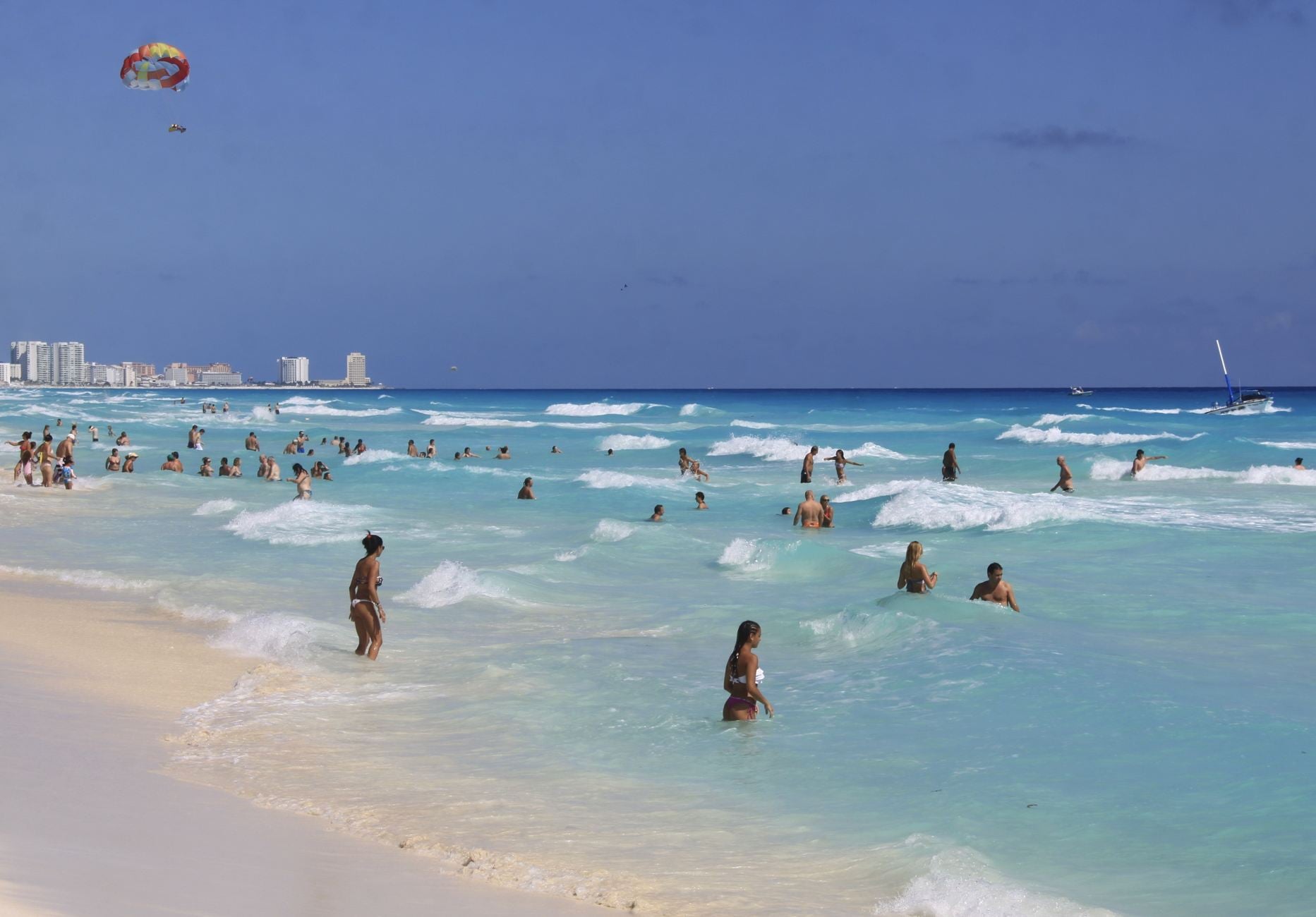
Cancun’s beaches — along with the wider Quintana Roo coastline — have been declared safe for swimming after fresh winter-season water quality inspections.
According to the latest monitoring shared ahead of the holiday travel rush, inspectors took samples at 36 points across Quintana Roo’s beaches and found that all tested areas came back within safe ranges for recreational use for the winter vacation period. The testing focuses on water quality — specifically, whether bacteria levels indicate contamination that could make swimmers sick.
And yes, that includes Cancun’s biggest-name beaches that everyone actually uses (and crowds): places like Playa Delfines were among the spots showing very low readings in the report.
What the inspection actually means (and what it doesn’t)
Let’s translate the headline into normal-people language:
✅ “Safe for swimming” (in this report) = the water quality is clean enough that it does not pose a health risk from bacterial contamination.
This kind of monitoring typically checks for enterococci bacteria, and the standard used widely is that results above 200 enterococci per 100 mL can indicate a risk for swimmers.
❌ It does not mean the ocean will be calm.
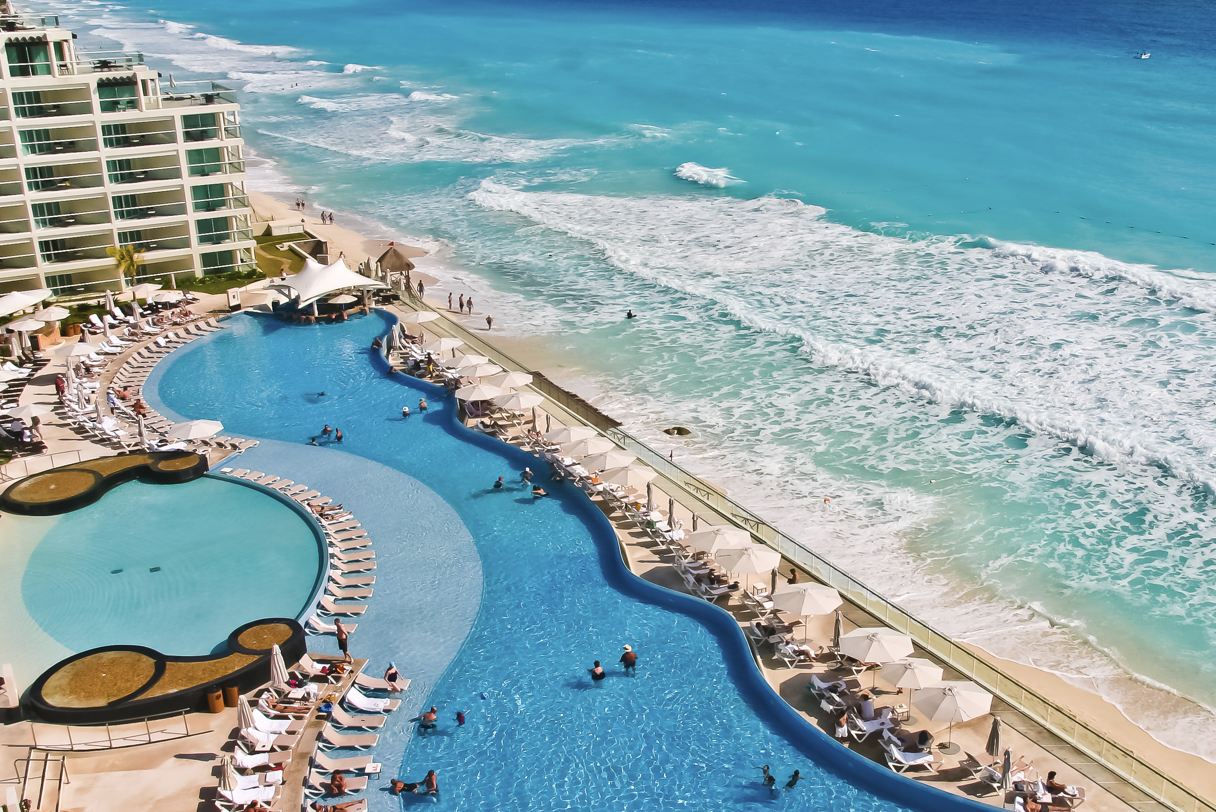
Cancun can have perfect-looking blue water that still hides rough surf and rip currents — especially in winter when cold fronts (“Nortes”) can roll in and flip conditions fast. That’s why we at The Cancun Sun keep repeating the same unsexy-but-life-saving advice: water quality and wave safety are two totally different things.
So think of it like this:
- Cofepris-style monitoring = “Is the water clean?”
- Beach flag system + lifeguards = “Is the ocean behaving today?”
You want both in your favor.
Cancun Beach Safety Update
Good news: Cancun’s beaches have officially passed winter water quality inspections. Here is what that means for your swim. Tap to reveal.
Inspected: 36 points across Quintana Roo were tested for winter.
Result: All beaches (including Playa Delfines) came back within safe ranges for bacteria levels.
Important: “Safe water quality” means no bacteria. It does NOT mean the ocean is calm.
Risk: Winter cold fronts (“Nortes”) can bring dangerous rip currents even if the water is crystal clear.
- Check Flags: Green/Yellow = Go. Red/Black = Stop.
- Swim Near Lifeguards: Staffing is reinforced for winter.
- Pick Carefully: Iconic beaches like Delfines are dramatic but often rough.
- Rinse Off: Shower after swimming to protect sensitive skin.


The Cancun beach safety checklist we swear by
Even with a clean bill of health, you’ll have a better trip (and fewer scary moments) if you do these five things:
1) Check the beach flag before you claim your spot
If you need a quick refresher, bookmark our Ultimate Cancun Beach Flag Guide and treat it like your daily ocean forecast.
2) Pick a “swim day” beach, not just a “photo day” beach
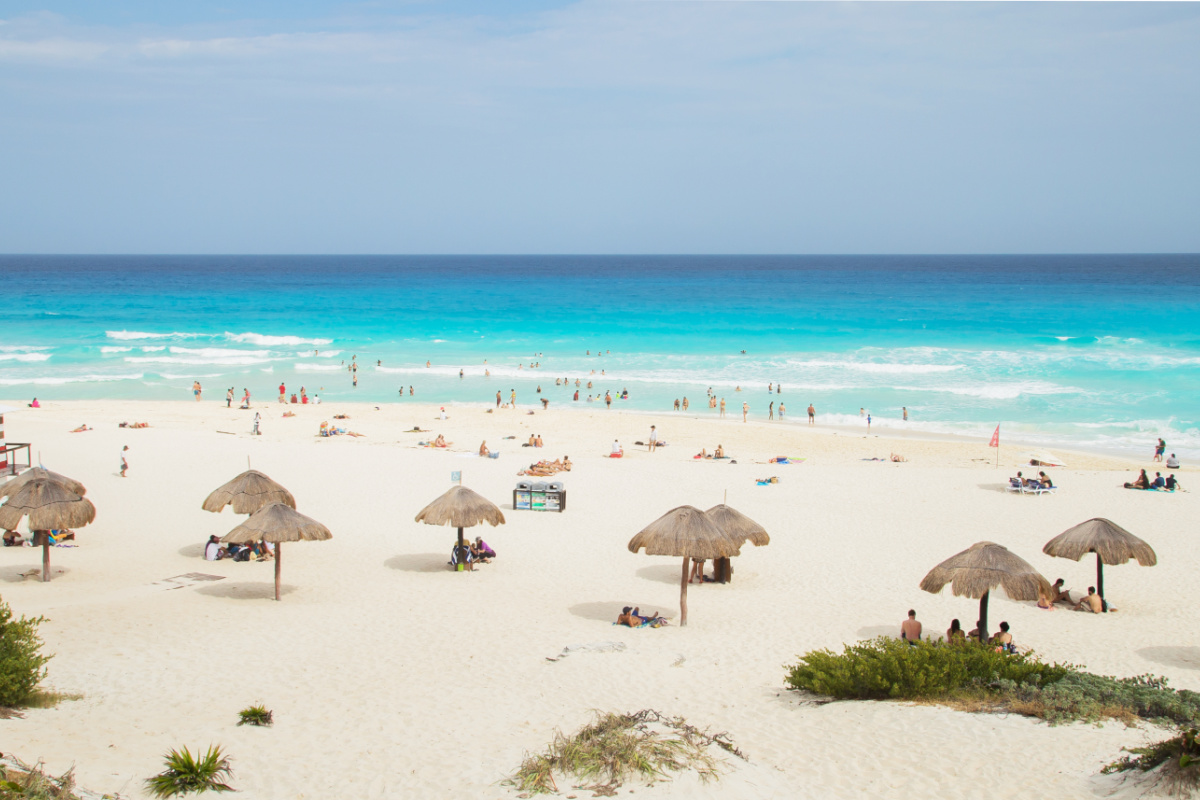
Some beaches are iconic because they’re dramatic — not because they’re gentle. Playa Delfines is a perfect example: gorgeous, famous, and sometimes gnarly. If you want to stack the odds in your favor, start with the most popular (and most monitored) stretches and pay attention to what lifeguards are signaling.
Our breakdown of Cancun’s 3 most popular beaches right now is a helpful starting point when you’re deciding where to post up.
3) Swim near lifeguards — especially in peak season crowds
Crowds can create a false sense of safety (“everyone’s in the water, so it must be fine”). But winter is also when Cancun reinforces staffing, and that’s a big deal. Here’s what we reported on the extra coverage at the busiest public beaches.
4) Don’t confuse ‘clean water’ with ‘calm water’
Even if bacteria levels are perfect, rip currents don’t care. If you want a real-world reminder of how quickly things can go sideways, read this recent report we published after a rescue at Playa Delfines.
5) Rinse off and keep it simple (especially with kids)
This sounds basic, but it matters:
- Shower after swimming (especially if you’ve got sensitive skin)
- Try not to swallow seawater (harder than it sounds after a few waves)
- If anyone has an open cut, be extra cautious and rinse well afterward
Why this timing matters right now
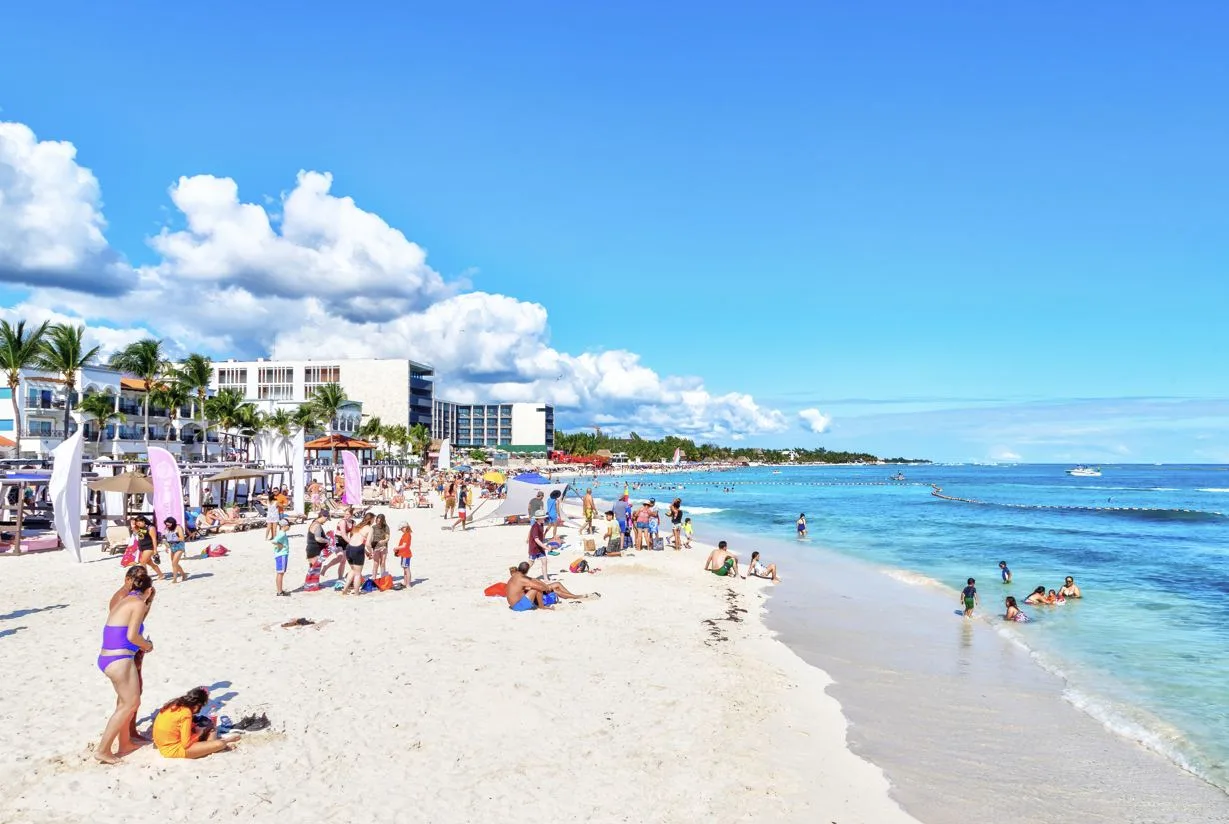
This “all clear” is landing at the exact moment Cancun is hitting maximum holiday intensity — and that affects everything from beach crowds to response times.
We’ve been tracking just how busy the region is getting, including record-breaking airport days and peak-season surges, so if you’re traveling this week, expect the vibe to be: lively beaches, full resorts, and a lot of people learning the flag system for the first time.
(And if you’re heading back to the airport, our Hotel Zone lane reopening update is a must-read for avoiding last-minute stress.)

Bottom line
Yes — Cancun’s beaches have been cleared from a water-quality standpoint for the holiday season. That’s genuinely reassuring, especially if you’re traveling with kids or planning lots of beach time.
But if you want the safest, easiest beach days, pair that good news with smart habits: check the flag, swim near lifeguards, and choose your beach based on conditions — not just Instagram potential.
The Ultimate Cancun Trip Planner
When’s the best time to go? Our powerful month-by-month guide breaks down the weather, crowds, sargassum, and prices for your perfect trip.
Find Your Perfect Cancun & Riviera Maya Resort In Seconds
This simple, powerful tool was built by our on-the-ground experts to match you with the ideal resort for your specific budget and travel style.
Subscribe to our Latest Posts
Enter your email address to subscribe to The Cancun Sun’s latest breaking news affecting travelers, straight to your inbox.