
We have all been there. You are stuck in traffic on a hot afternoon in downtown Cancun, waiting for the light to turn green. Suddenly, a vendor appears at your window selling cold water, bags of chips, or local trinkets. It seems harmless—convenient, even—to hand over a few pesos for a quick refreshment.
However, authorities are now asking tourists to stop.

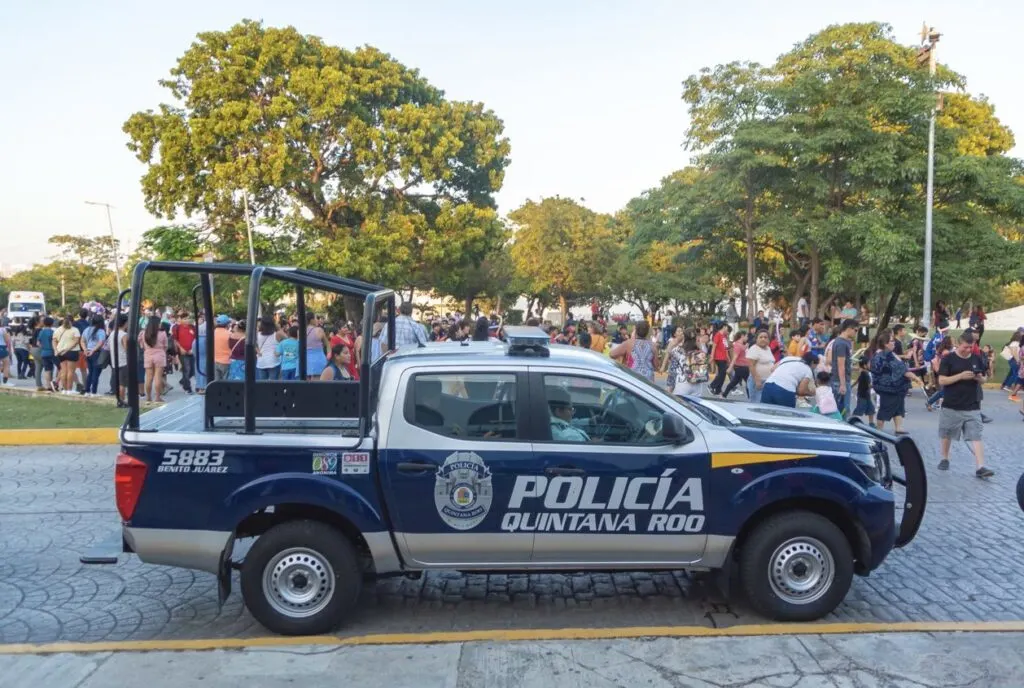
A new initiative is sweeping through the city, specifically targeting the removal of street vendors from traffic lights, intersections, and pedestrian crossings. While this might look like a simple crackdown on unlicensed commerce, there is a much more serious motivation behind it: the safety of the vendors and, crucially, the protection of children.
At The Cancun Sun, we know that visiting a new country often means navigating unwritten rules. Here is why keeping your car window rolled up at the intersection is actually the most responsible choice you can make this year.

The New “Zero Tolerance” Zones
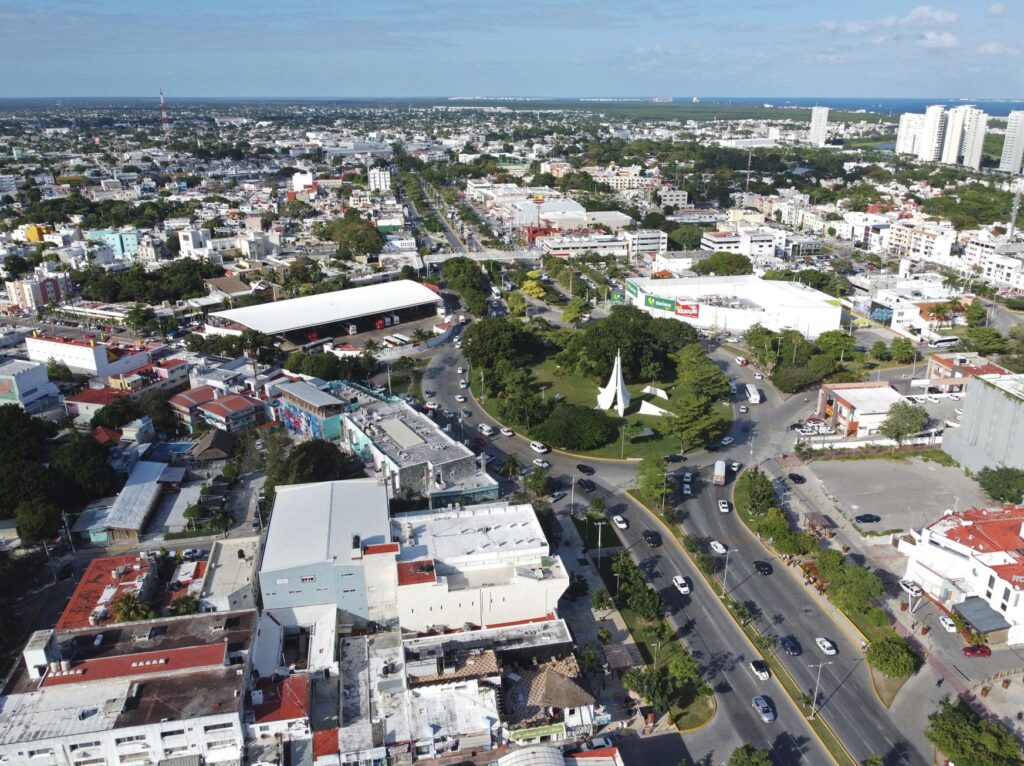
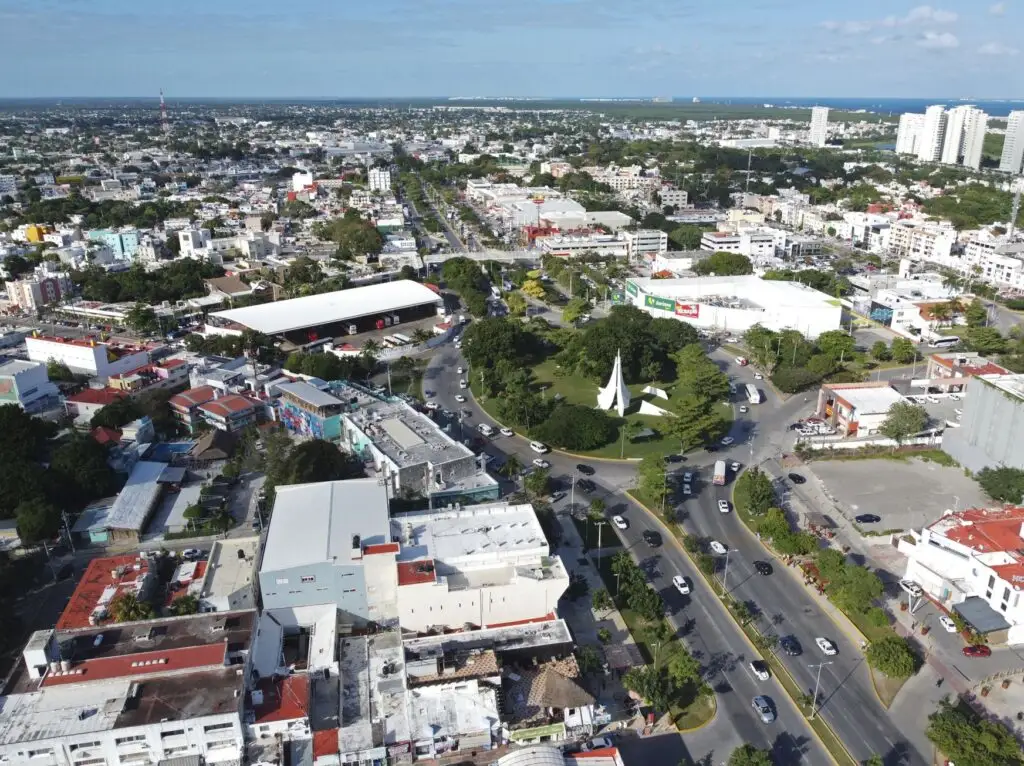
If you stick strictly to the Hotel Zone, you likely won’t see this issue. The tourist strip is heavily policed and kept pristine for visitors. But as travelers increasingly explore Downtown Cancun for its authentic food and markets, the landscape changes.
In the downtown area, street vending at intersections has historically been common. However, the municipal government is transitioning to a stricter “tourist-friendly” model that prioritizes order and safety.

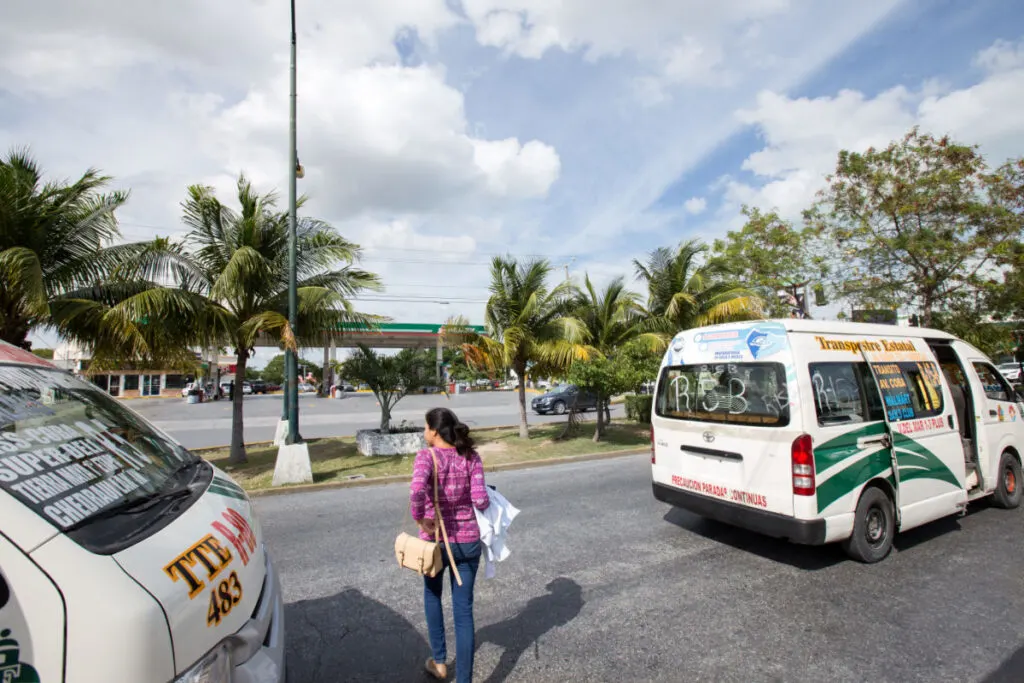
To prevent accidents and the invasion of public spaces, vendors are now strictly prohibited from operating at:
- Traffic lights
- Major intersections
- Pedestrian crossings
- Median strips
Authorities are actively removing and fining vendors found in these high-risk areas. As we’ve noted in our guides to staying safe in downtown Cancun, the city is investing heavily in cleaning up these zones to make them walkable and safe for international visitors.
A Critical Focus: Protecting Child Vendors
The most important pillar of this operation isn’t about blocking traffic—it’s about human rights.
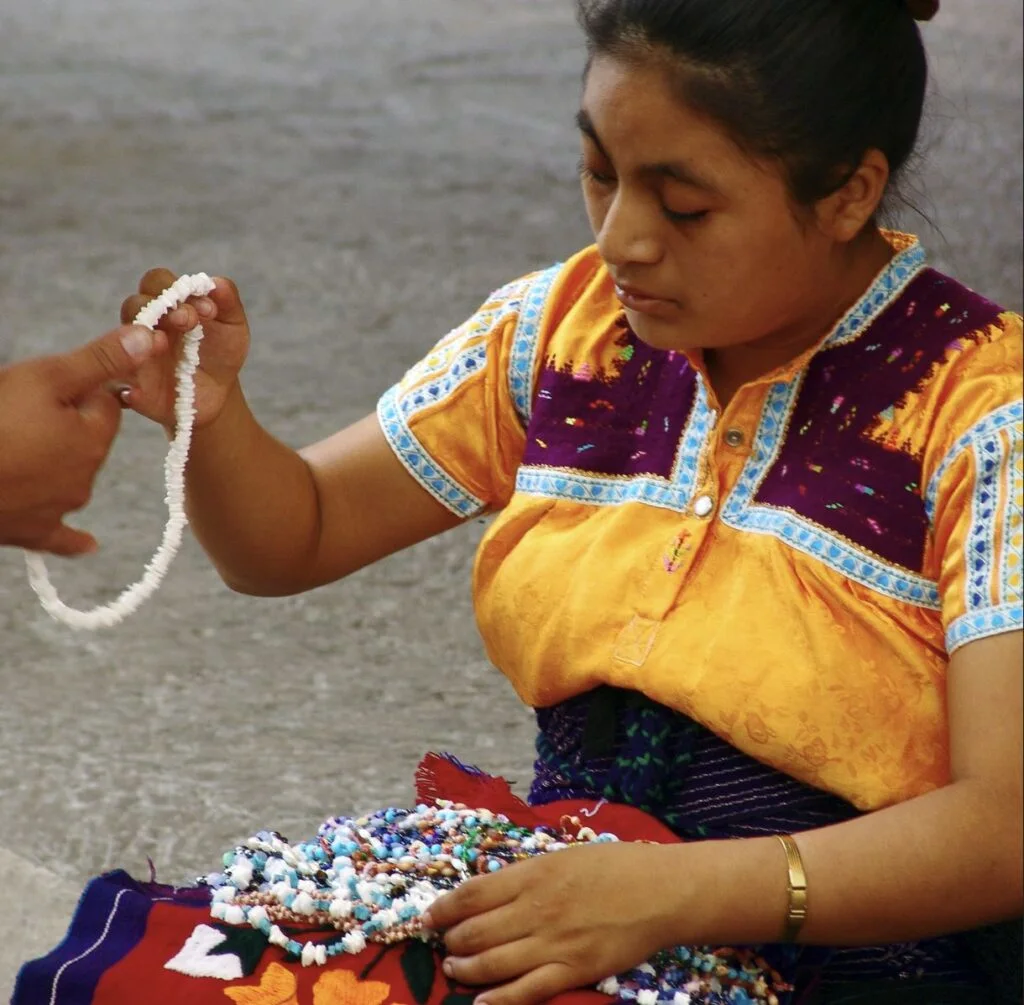
It is an unfortunate reality that minors are often employed or forced to sell items at these dangerous intersections. The new protocol takes a hard stance on this. The goal is to remove children from these high-risk environments where they are vulnerable to traffic accidents and exploitation.
How The Protocol Works: The city has implemented a specific legal framework for handling these cases. If municipal commerce inspectors detect a minor selling items:

- No Direct Intervention: Commerce staff are prohibited from directly intervening or confronting the child to avoid escalation or trauma.
- Immediate 911 Alert: An alert is activated immediately via emergency lines.
- SIPINNA Activation: This summons the National System for the Comprehensive Protection of Children and Adolescents (SIPINNA) and specialized authorities.
- Safeguarding: While waiting, staff safeguard the site to ensure the child receives care under a legal protection framework, rather than being treated like a lawbreaker.
By buying from a child at a stoplight, you may inadvertently be incentivizing the very system authorities are trying to dismantle.
Is It Safe To Buy?
Tap a scenario to see the new downtown rules.
Don’t Buy. Major intersections like “El Ceviche” and KM 0 are now Zero Tolerance zones. Police are actively fining vendors here to prevent accidents.
Go Ahead! This is a designated market zone. Vendors here have permits and operate safely off the streets. It’s the best place for souvenirs.
Human Rights Alert. Authorities ask you not to buy to discourage child labor. A new protocol is in place to remove these minors for their own protection.
Keep Moving. Vendors blocking crosswalks create a liability. The city is clearing these areas to make Downtown walkable for tourists.
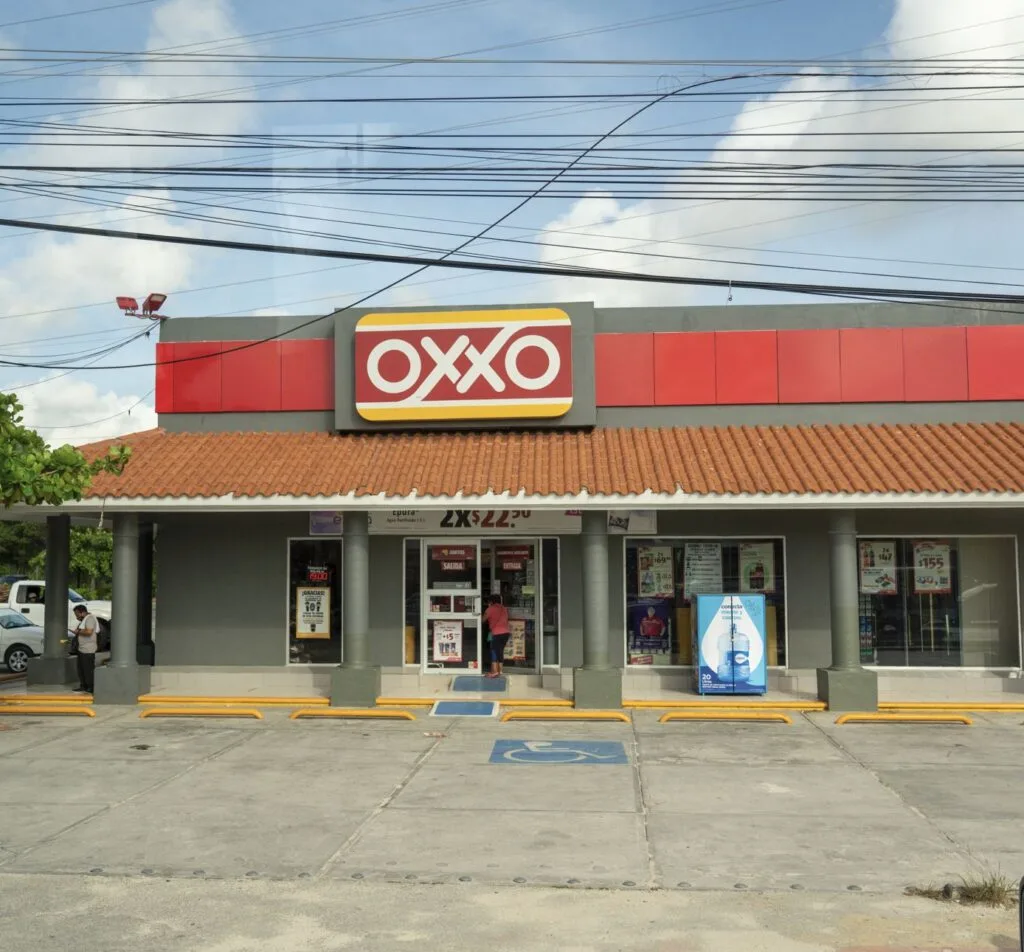
Approved. If you need water while driving, pull over at an Oxxo, GoMart, or 7-Eleven. It is safer than buying from the window.
Stay In The Right Zone
Location matters. Find a resort in a safe, verified tourist area.
Launch Resort FinderAccident Prevention Is Key
Beyond the human rights aspect, there is the simple physics of the situation. Cancun’s traffic is getting denser by the day.
Vendors weaving between cars at busy intersections create a massive liability. There have been numerous close calls and accidents involving pedestrians in the roadway.
The “Ruta Mar” and other transit projects we cover often highlight the city’s struggle with mobility. Keeping intersections clear is step one in preventing tragedies. When you buy a bag of peanuts from your car window, you are encouraging a person to remain in a dangerous, active roadway.

Where Should You Buy?
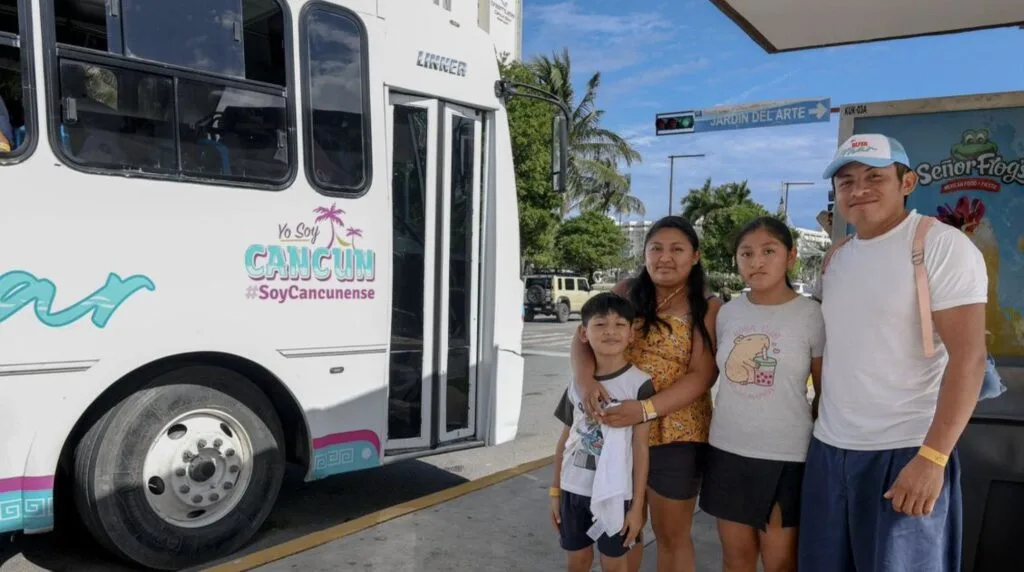
This doesn’t mean you shouldn’t support the local economy. In fact, you should! But you should do it in the designated, safe zones.
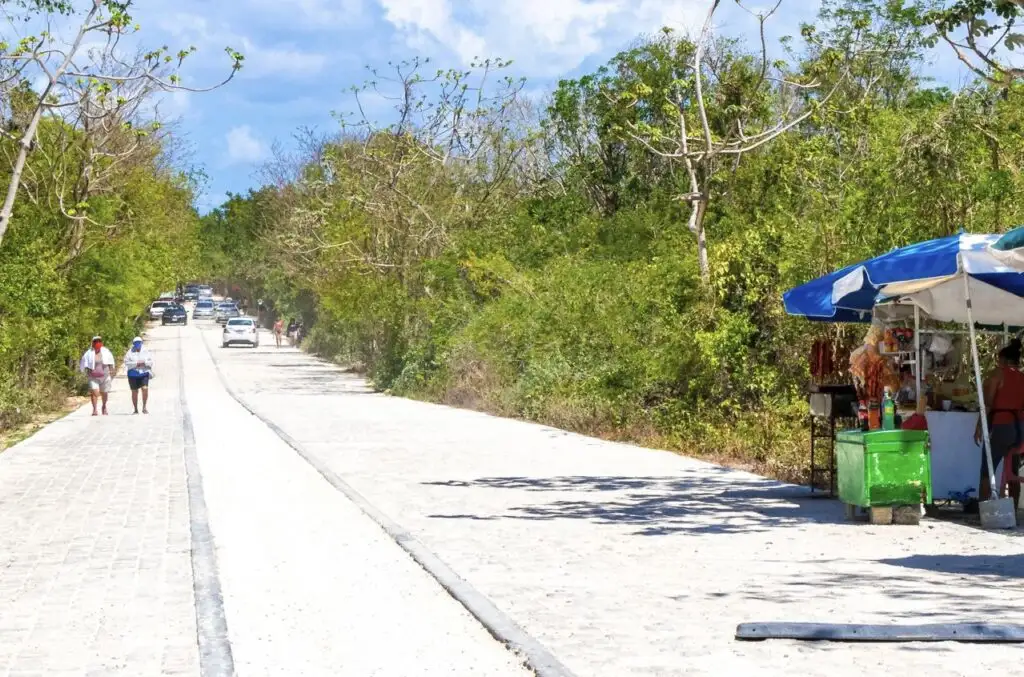
- Mercado 28 & Mercado 23: These are authorized, vibrant markets where vendors pay for permits and operate safely.
- Established Storefronts: Buying from a “Mom and Pop” shop (tienda) supports a local family without endangering anyone.
- The Oxxo: If you just need water, pull over at the nearest convenience store.

The Bottom Line
Cancun is evolving. The “wild west” vibe of the downtown streets is being replaced by a more regulated, safer environment for everyone.
The next time you are stopped at a light and see a vendor—especially a minor—approaching your car, the kindest thing you can do is give a polite “No, gracias” and wait for the green light.
Planning your trip to Cancun? Make sure you are booking in the right area. Use our tool to filter resorts by “Hotel Zone” or “Costa Mujeres” to find the perfect location for your style. Launch The Cancun Resort Finder