
It feels like we have been talking about the “Lagoon Bridge” forever.
For years, getting from downtown Cancun to the Hotel Zone has meant battling the gridlock of Kukulcán Boulevard. We have endured the construction delays, the dust, and the recent traffic bottlenecks caused by the lane closures.
But today, the finish line isn’t just visible—it’s here.
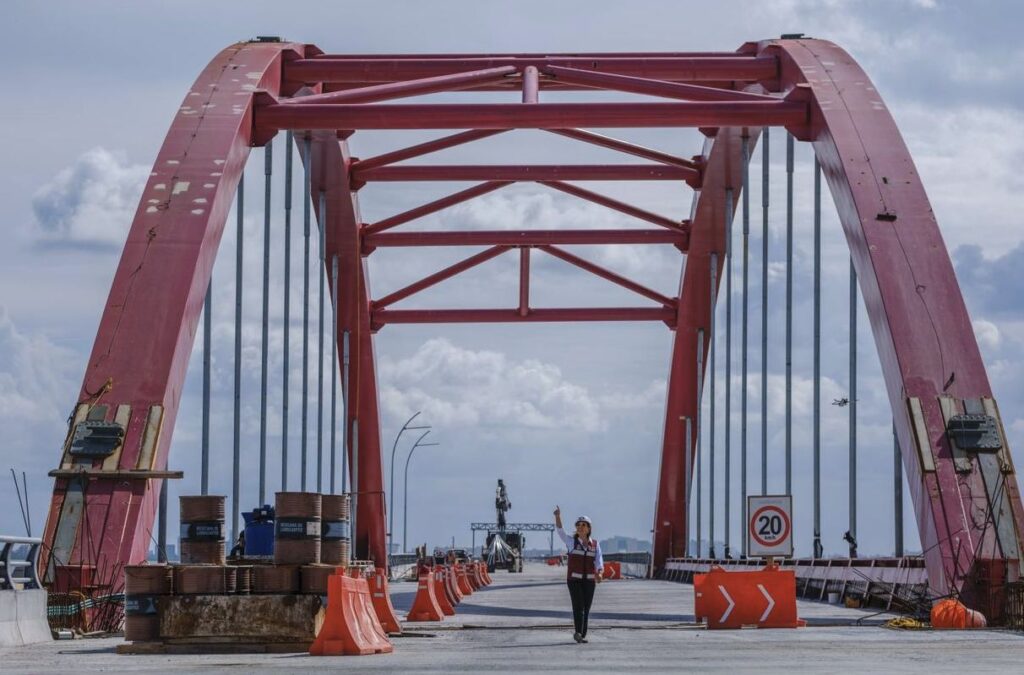
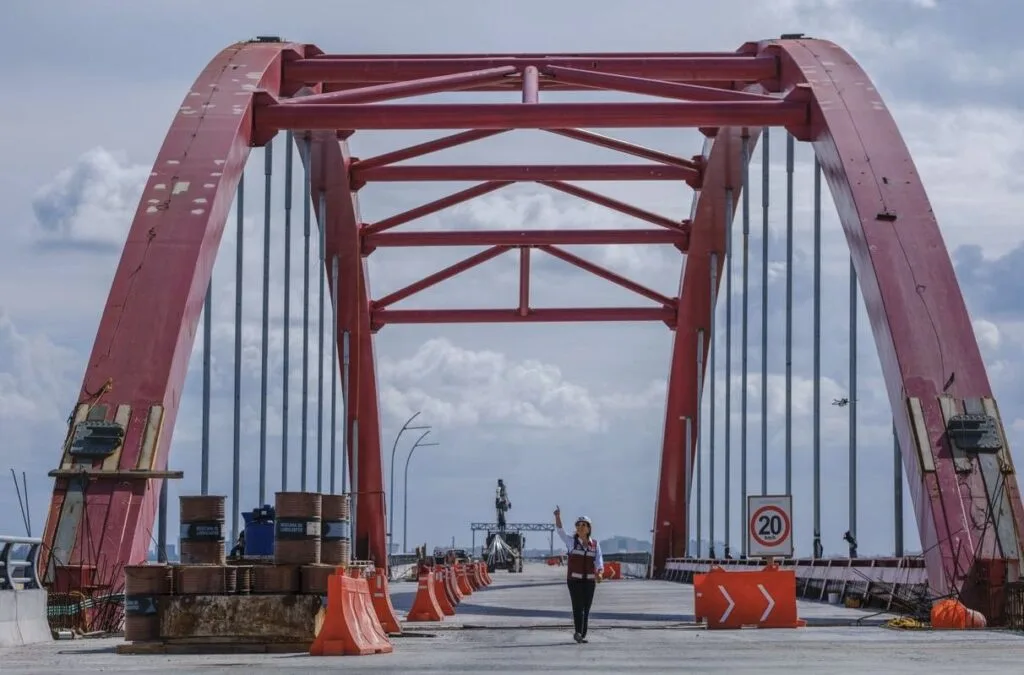
Governor Mara Lezama has officially confirmed that the Nichupté Vehicular Bridge is now 92% complete and is scheduled to open to the public by the end of January 2026.
This isn’t just a new road; it is the biggest change to Cancun’s layout in decades. Here is what the final stretch looks like.
The “Save 45-Minute” Miracle
The headline statistic from the Governor’s report is the one that matters most to travelers: 45 minutes.
That is the estimated time savings for commuters and tourists trying to reach the Hotel Zone during peak hours.
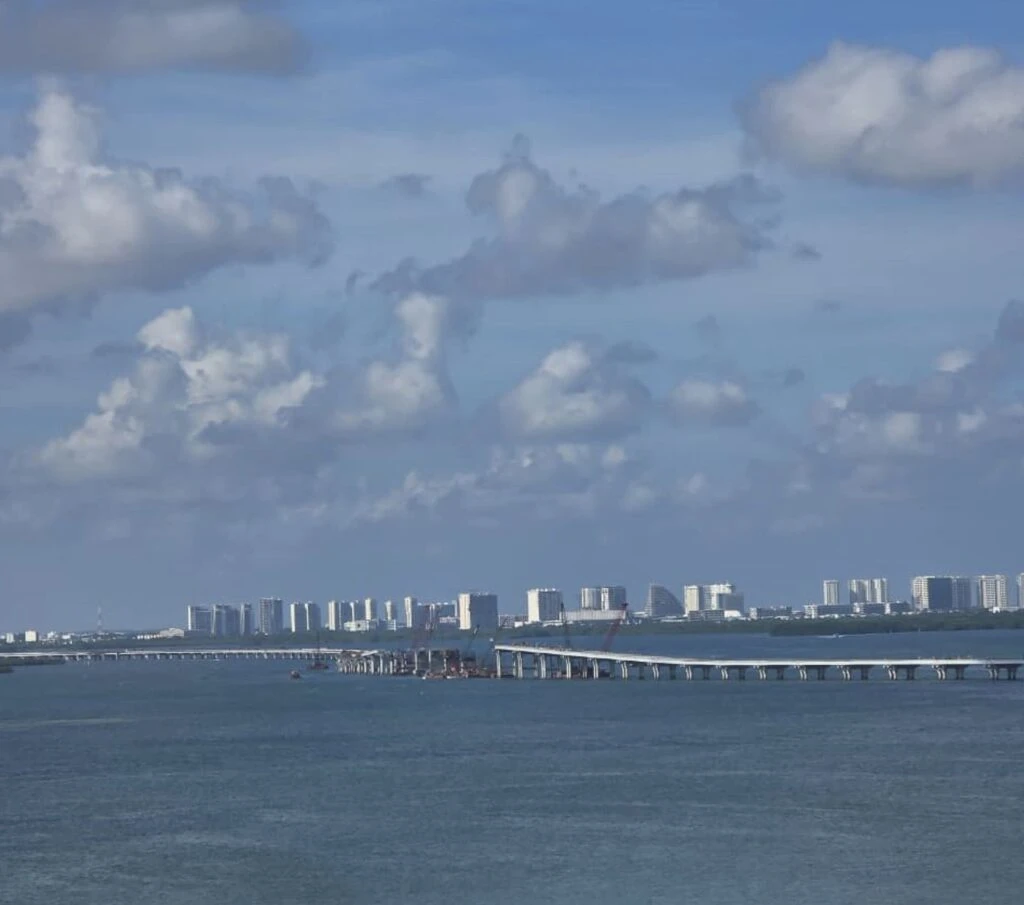
Currently, the Hotel Zone is a giant “7” shape with only two entry points. If there is an accident or heavy volume, you are trapped. The new bridge acts as a third artery, cutting directly across the lagoon from the Colosio interchange (near the airport) to the center of the Hotel Zone.
“By 2026, traffic flow in our beautiful hotel zone will improve significantly,” Governor Lezama stated. “This will greatly benefit our visitors, as well as workers.”

It Is 100% Free (Really)
One rumor has been circulating on social media for months: that this “express route” would come with a hefty toll fee, similar to the highway to Playa del Carmen.
The Governor explicitly shut this down in her announcement.
“The use of the Nichupté Bridge will be free of charge for both residents and visitors,” she emphasized, warning travelers that “information indicating a supposed charge for its use is completely false.”
This is huge news for budget-conscious travelers and for the thousands of hotel staff who make the commute daily. It means your taxi or airport transfer won’t slap an unexpected “bridge fee” on top of your fare.
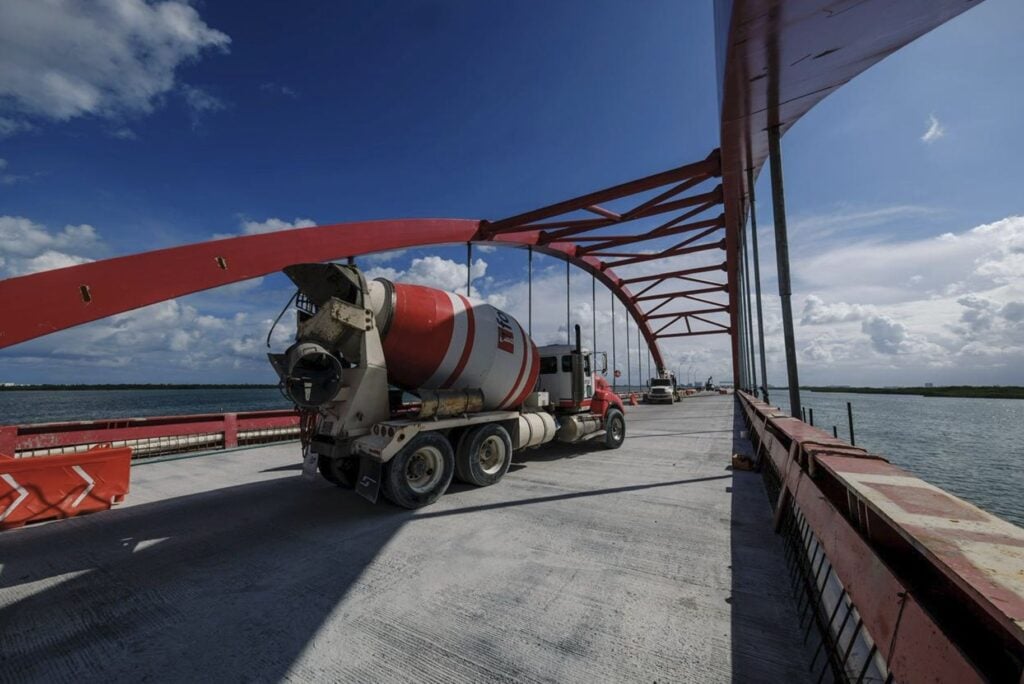
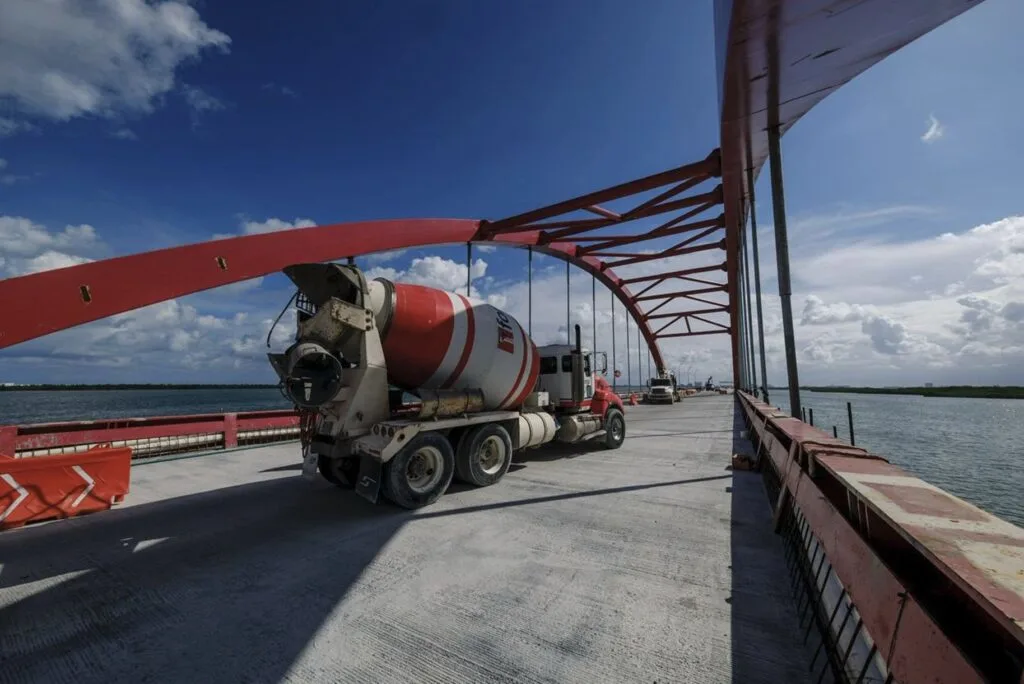
The Construction Status: 92% Done
If you drive by the lagoon today, you can see the massive structure dominating the skyline.
According to the latest engineering report, the project is in the final detailing phase:
- Colosio Interchange: 98.5% complete.
- Land Section: 98.3% complete.
- The Metal Arch: 95.6% complete.
- Lagoon Section: 91.8% complete.
The bridge spans 8.8 kilometers over water (11km total with connections) and features three lanes—one in each direction, plus a reversible lane that changes based on traffic flow.
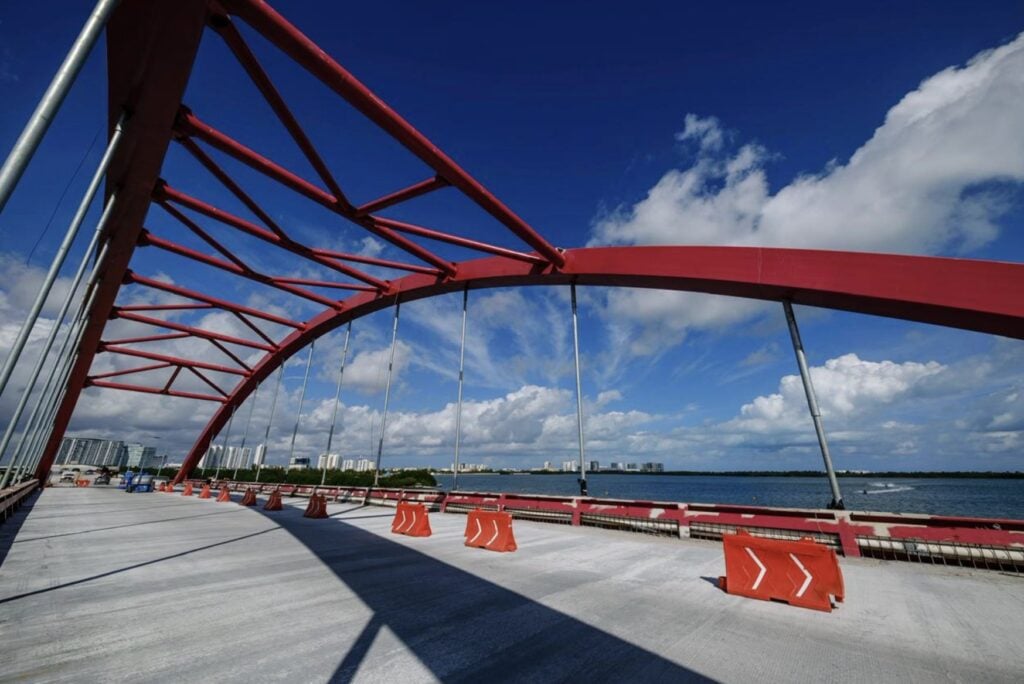
Protecting The Lagoon
Building a massive concrete structure over a protected nature reserve was always controversial.
However, the state claims that “state-of-the-art technology” was used to minimize the footprint on the lagoon floor. As we detailed in our previous coverage of the project’s scope, the goal was to improve mobility without destroying the mangroves that protect the city from hurricanes.
The Bottom Line
If you are visiting Cancun in late January or February 2026, you might be among the very first tourists to cross this bridge.
Be prepared for a “learning curve” period. GPS apps like Google Maps and Waze often lag behind new infrastructure openings, and taxi drivers will be figuring out the new flow just like everyone else.
But once the dust settles, the days of sitting in gridlock just to get to dinner at Plaza La Isla might finally be behind us.
Ready to book your trip now that the traffic is fixed? Use our Cancun Resort Finder to find hotels located near the new bridge landing for the ultimate express arrival.