
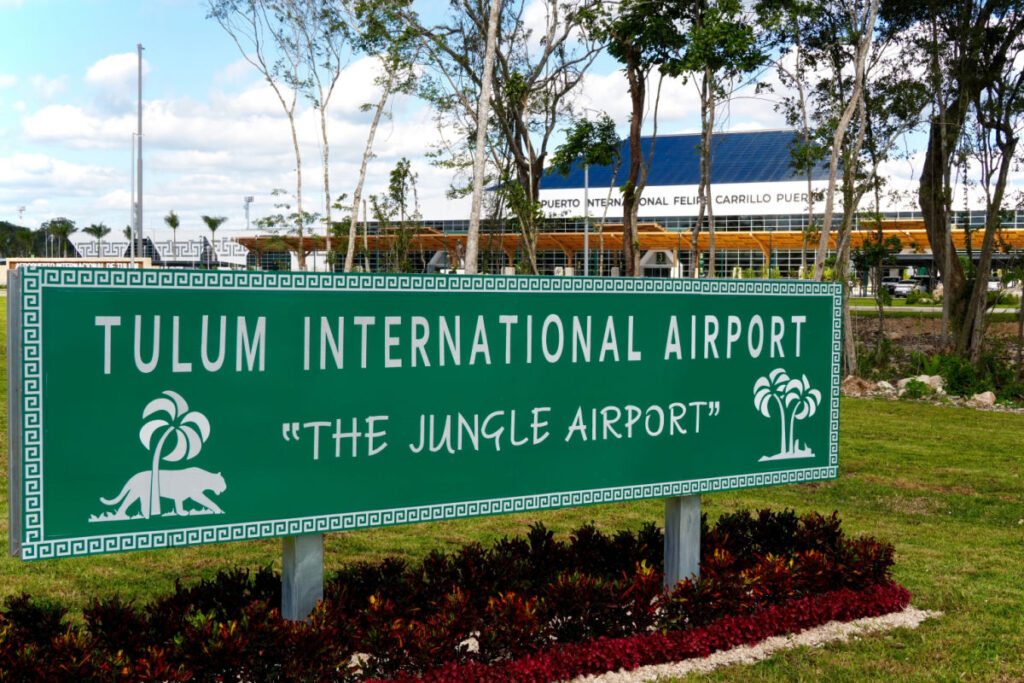
When the Tulum International Airport officially opened its doors, it felt like a massive victory for anyone who loves the southern Riviera Maya.
Finally, we had a direct lifeline right into the jungle. We could completely bypass the chaotic terminals at Cancun International Airport and completely skip the grueling, two-hour bumper-to-bumper shuttle ride down Highway 307. It was the ultimate travel hack for reaching Akumal, Tulum, and Bacalar.
But less than three years into its highly celebrated run, the shine is starting to wear off.
A sudden, alarming wave of major airline carriers has officially decided to pull the plug on their Tulum routes.
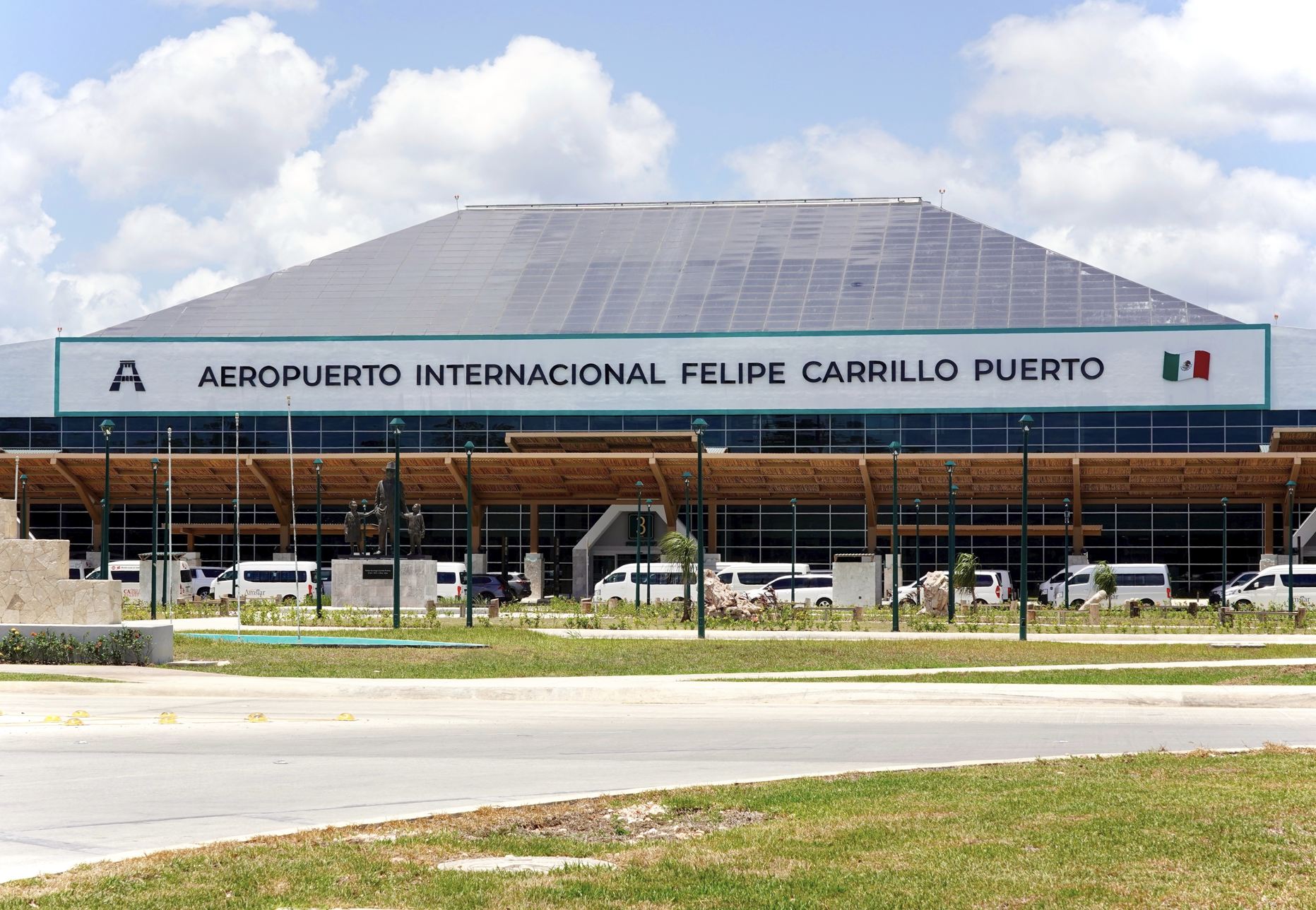
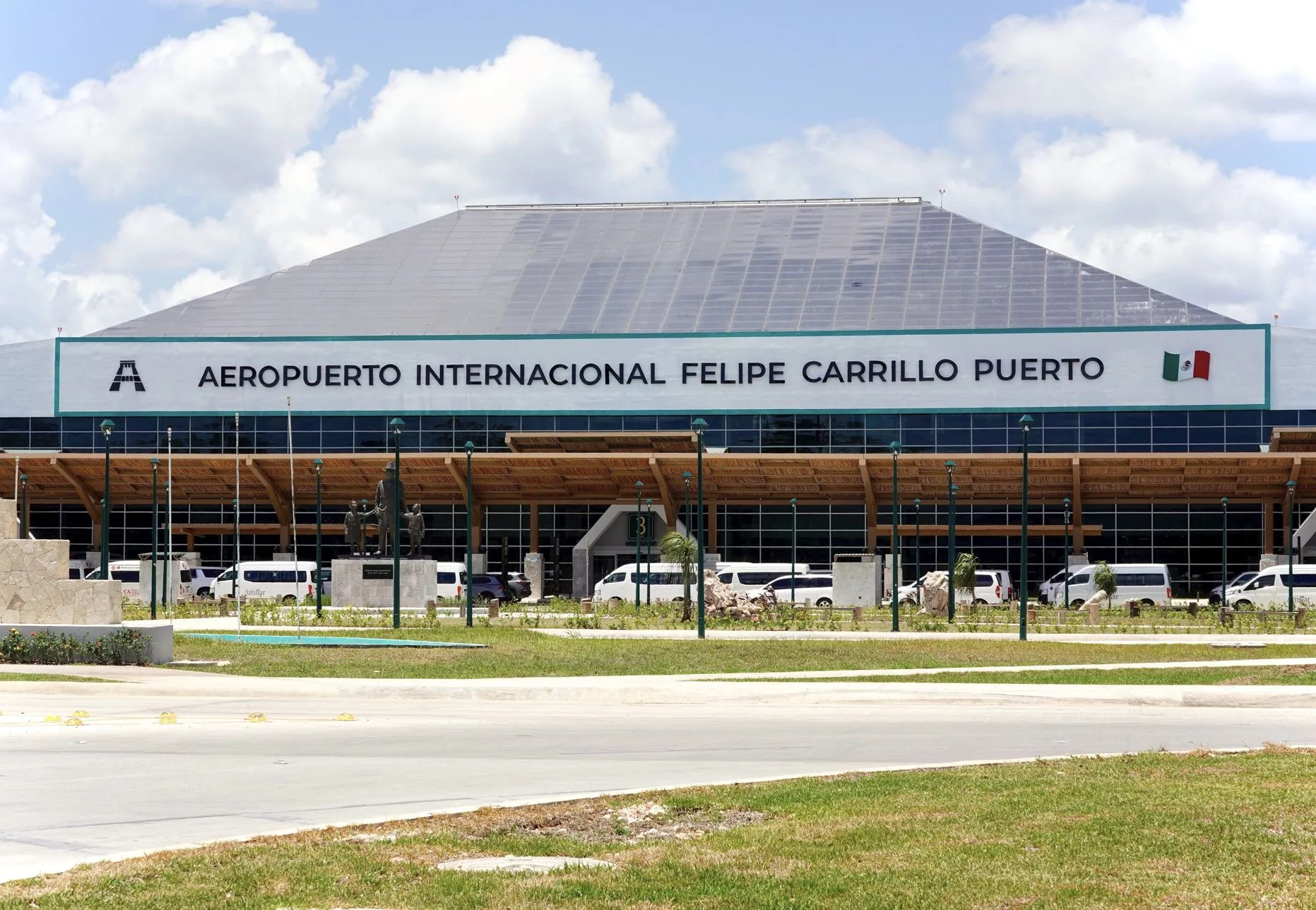
With big names packing up their ticketing counters and rerouting their planes elsewhere, the local hospitality industry is officially sounding the alarm.
Hoteliers across the region are now aggressively urging airport management to immediately slash operating fees and bring back financial incentives before the massive winter travel season is permanently disrupted.
Here is exactly what is happening on the tarmac, which airlines are leaving, and how this turbulence is going to impact your upcoming winter vacation budget.


The Great Airline Exodus
The list of carriers quietly walking away from the Tulum International Airport is growing at a highly concerning rate.
While the airport launched with incredible fanfare and aggressive route maps, the reality of operating out of the new hub has clearly shifted.
International carriers like Avianca, Copa Airlines, JetBlue, and Discover Airlines have completely ceased operations at the facility.
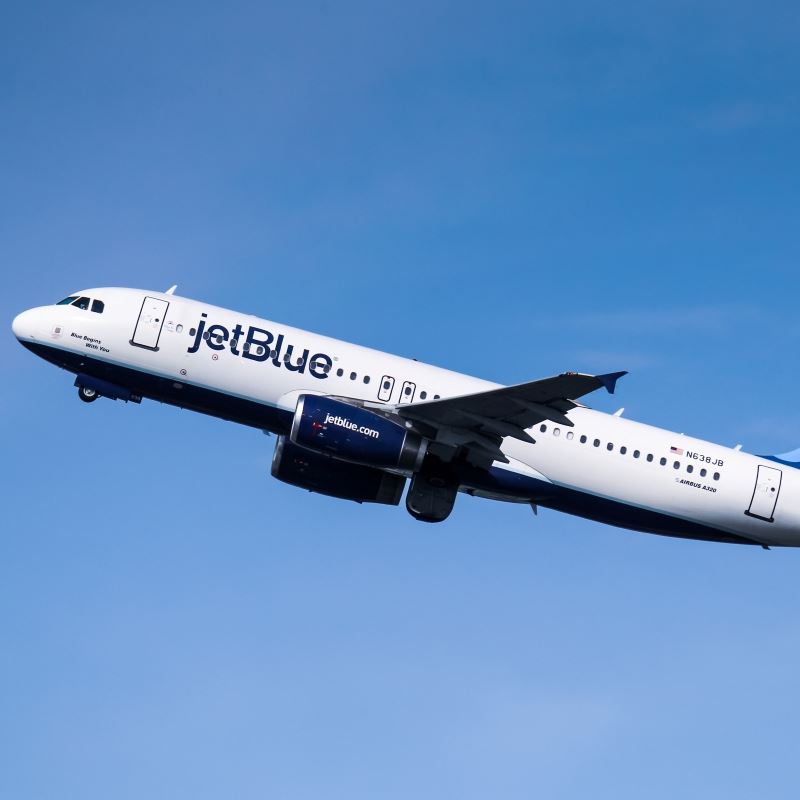
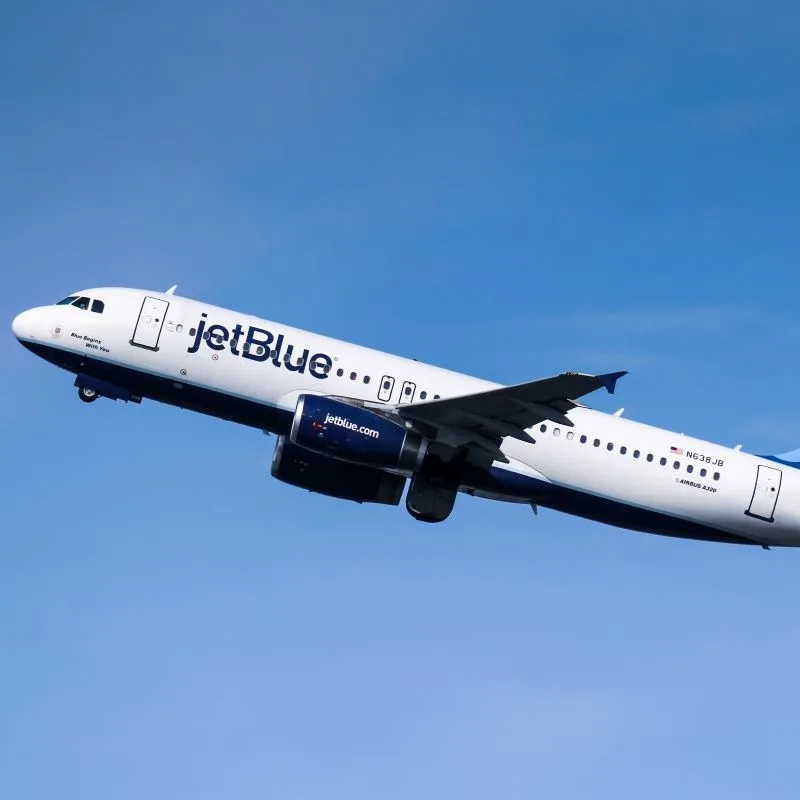
The hits keep coming as we head into the fall. Mexico’s own legacy carrier, Aeromexico, officially suspended its flights into Tulum on September 30.
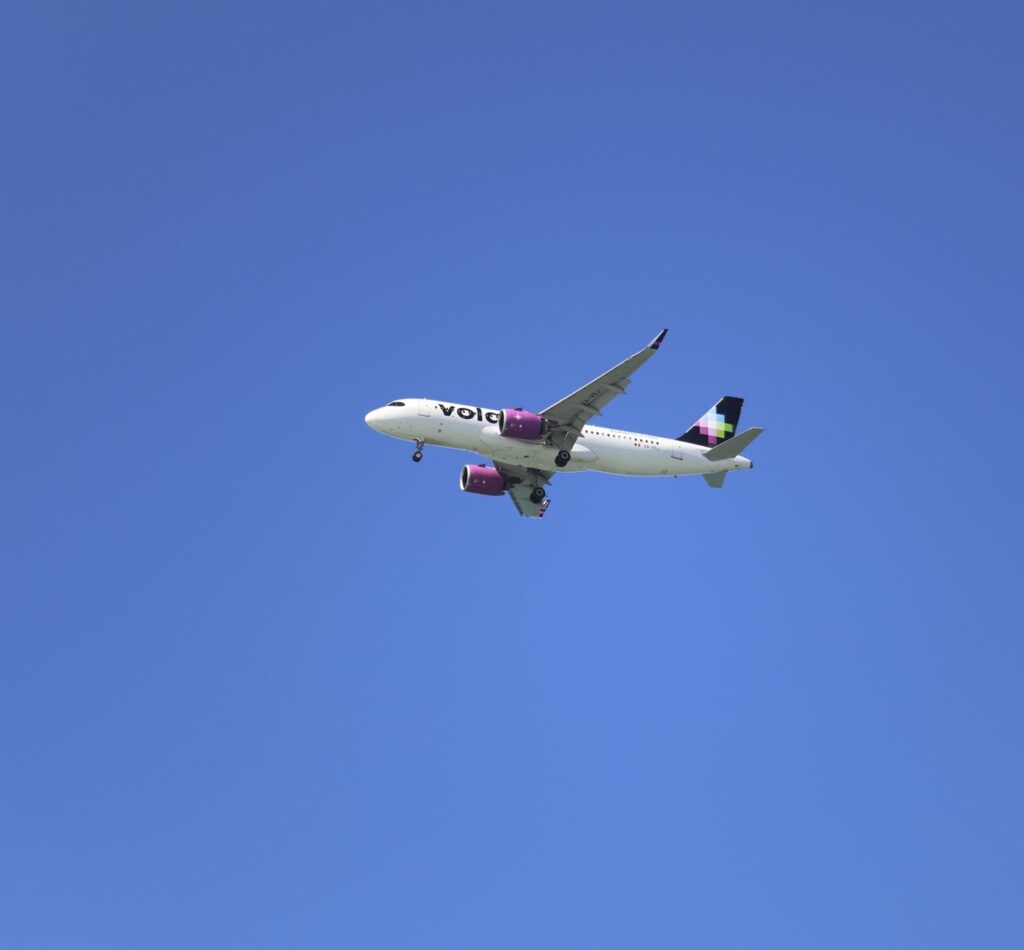
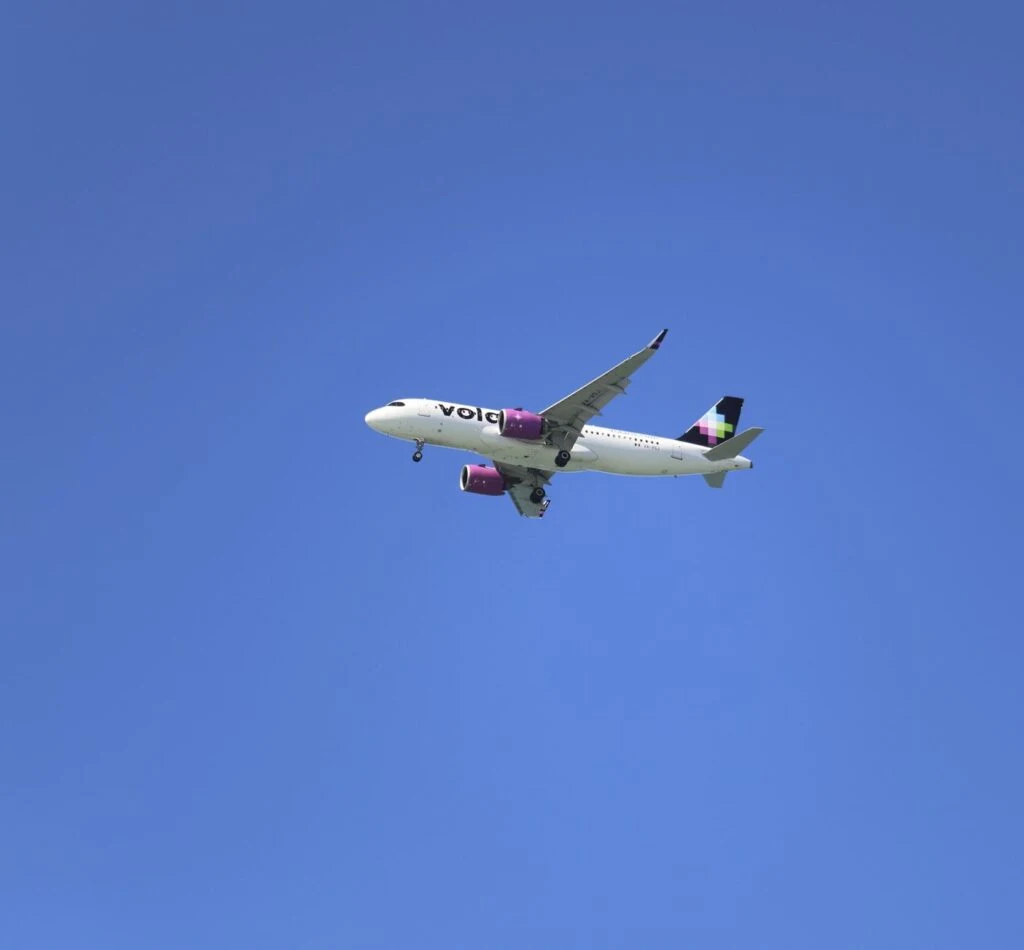
Looking ahead to the new year, budget favorite Volaris has already announced that it will completely terminate its Tulum operations starting January 7, 2027.
While State Governor Mara Lezama has indicated that Volaris might eventually resume operations and that 10 new alternative air routes are being negotiated to plug the massive gaps in the schedule, local business leaders are not holding their breath until the planes are actually on the runway.
Why Are the Airlines Fleeing?
Airlines do not simply abandon a brand-new, state-of-the-art Caribbean airport on a whim. According to local industry leaders, the core issue comes down to pure, brutal economics. It is simply becoming too expensive for carriers to land their planes there.
Toni Cháves, the president of the Riviera Maya Hotel Association, has been incredibly vocal about the crisis. He pointed out that when the airport first opened, management offered airlines highly attractive financial incentives, reduced landing fees, and favorable operating conditions to rapidly build up the route map.
Now that those initial honeymoon incentives have dried up, the baseline costs of utilizing the terminal are severely cutting into airline profit margins.
Coupled with a slightly softer period of international tourist demand this past summer and globally rising operational costs, airlines are doing the math and choosing to consolidate their fleets back at the much larger, heavily trafficked Cancun airport.
Cháves and the Riviera Maya hoteliers are aggressively lobbying the airport to immediately review its pricing structure. They argue that reinstating aggressive fee cuts and competitive incentives is the only way to stop the bleeding, retain current carriers, and attract new routes.
Any decrease in available airline seats is a direct threat to the local hotel economy, and business owners want the terminal costs slashed before the damage becomes permanent.

Who Is Still Flying Into Tulum?
If you are currently holding tickets for a winter getaway, you do not need to panic just yet. While the loss of budget-friendly carriers like JetBlue and Volaris is a massive blow to competitive airfare pricing, the heavy-hitting United States legacy carriers are standing their ground.
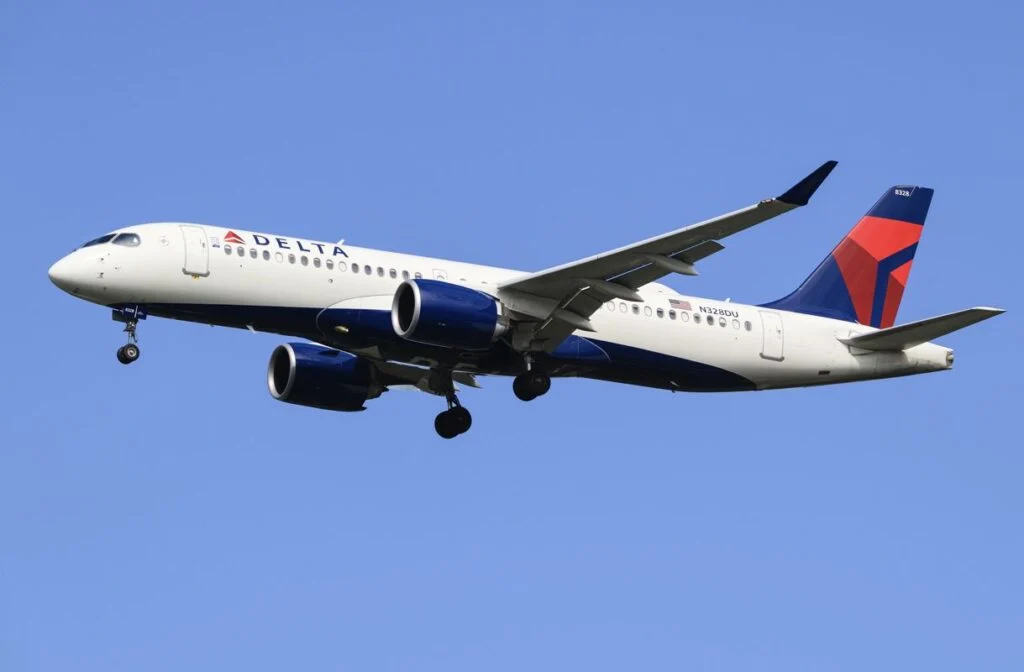
As of right now, American Airlines, Delta, and United continue to operate their scheduled routes into Tulum, alongside regional carriers like Viva Aerobus and Mexicana. If you prefer to fly with the major U.S. airlines, your direct pipeline to the southern Mexican Caribbean is still wide open.

What This Means For Your Travel Budget
For the average American traveler, this corporate tug-of-war over airport fees has one very direct consequence: higher ticket prices.
Whenever you remove major competitors like JetBlue from a specific flight corridor, the remaining airlines instantly lose the incentive to keep their own prices low. With fewer total seats flying into Tulum this winter, demand for the remaining flights on American, Delta, and United will absolutely skyrocket.
If you are planning to visit the Riviera Maya this season, you need to adjust your booking strategy immediately. Do not wait for last-minute flight deals into Tulum, because with reduced inventory, those deals simply will not exist. Lock in your airfare right now.
Alternatively, if the flight prices into Tulum are stretching your budget too far, pivot your search back to Cancun International Airport. Because Cancun handles a massive, unshakeable volume of global daily flights, the heavy airline competition naturally forces ticket prices down. You might have to endure the highway drive to reach your resort, but the massive savings on airfare will easily cover your private transportation.
Join Our Cancun Sun Community of 16,000+ Members
Get real-time answers to your travel questions from our team of local experts and thousands of fellow travelers directly inside our interactive group.
Find Your Perfect Cancun & Riviera Maya Resort In Seconds
This simple, powerful tool was built by our on-the-ground experts to match you with the ideal resort for your specific budget and travel style.
The Ultimate Cancun Trip Planner
When’s the best time to go? Our powerful month-by-month guide breaks down the weather, crowds, sargassum, and prices for your perfect trip.
Enter your email address to subscribe to The Cancun Sun’s latest breaking news affecting travelers, straight to your inbox.
mike lahey
Friday 2nd of October 2026
I enjoyed your article regarding landing fees for airliners flying into the new Tulum airport. However I remember reading an article about the high cost of airport shuttles to and from the airport. very expensive as i recall. have those costs come down to a more reasonable rate?