
Dreaming of turquoise waves but spotting a bright-red warning flag? Don’t panic—but definitely don’t dive in.
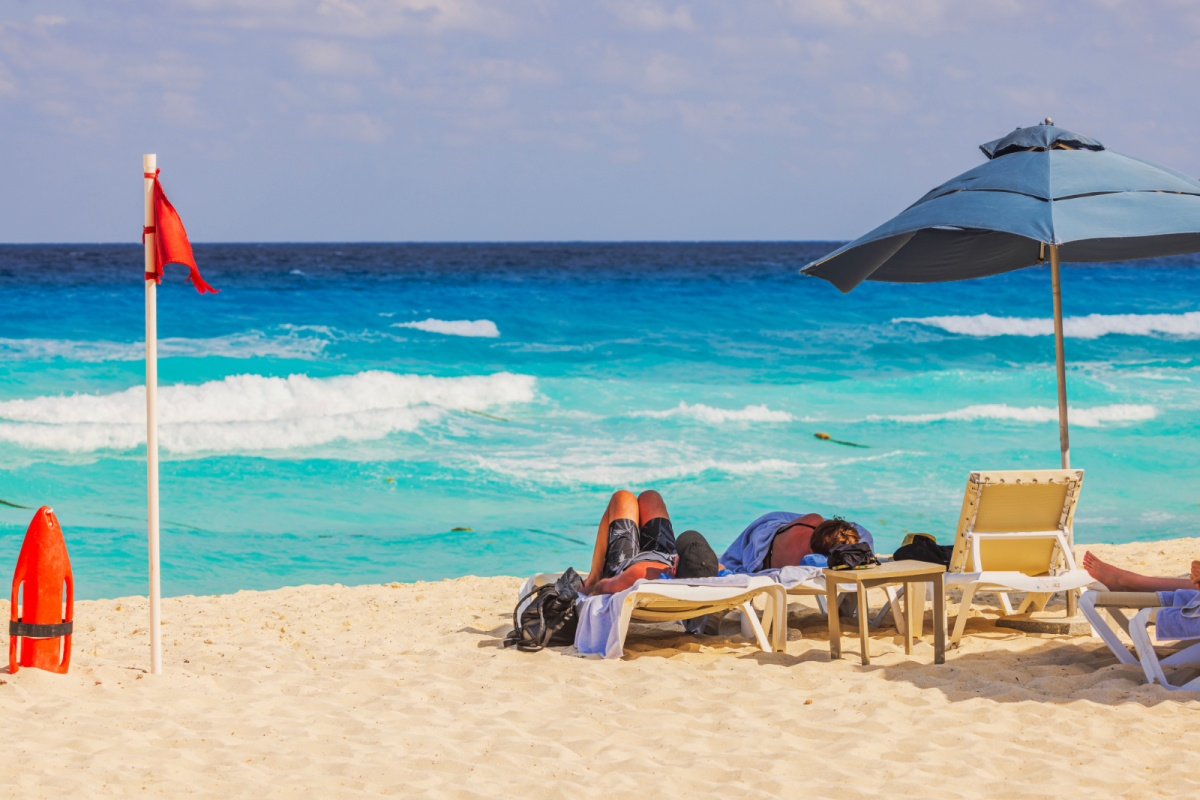
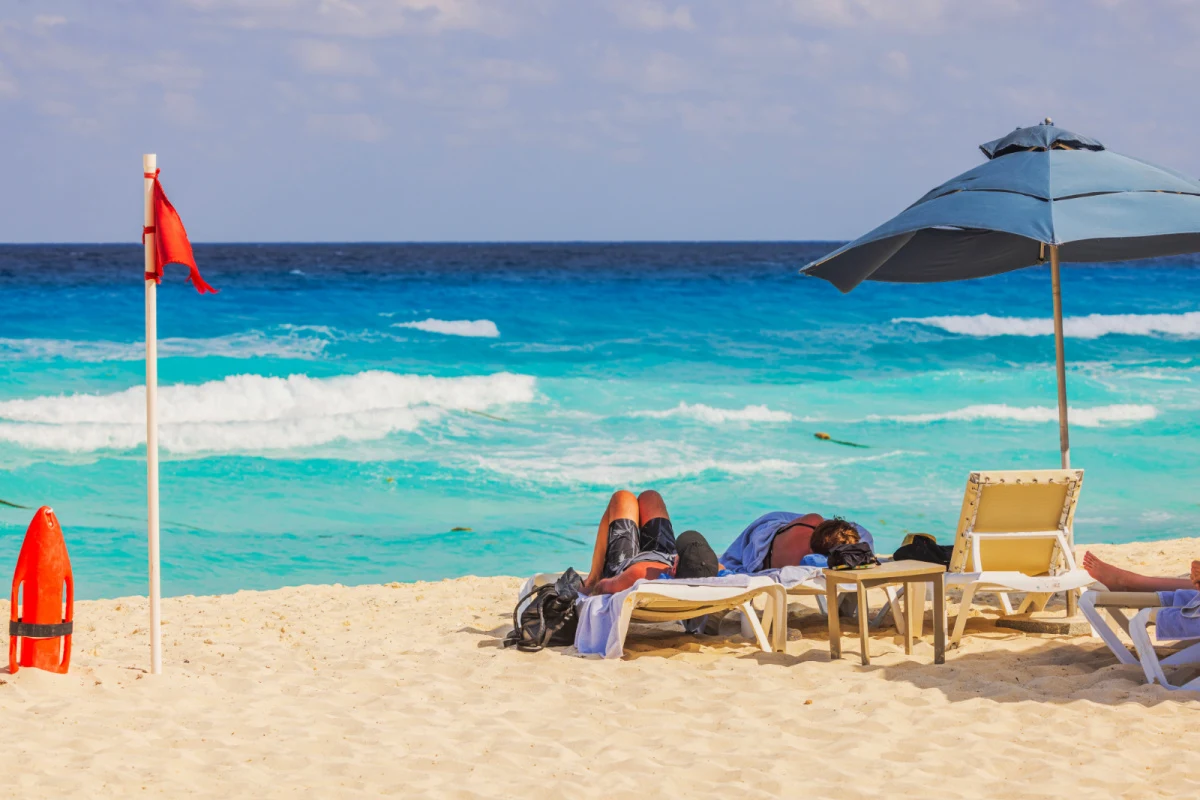
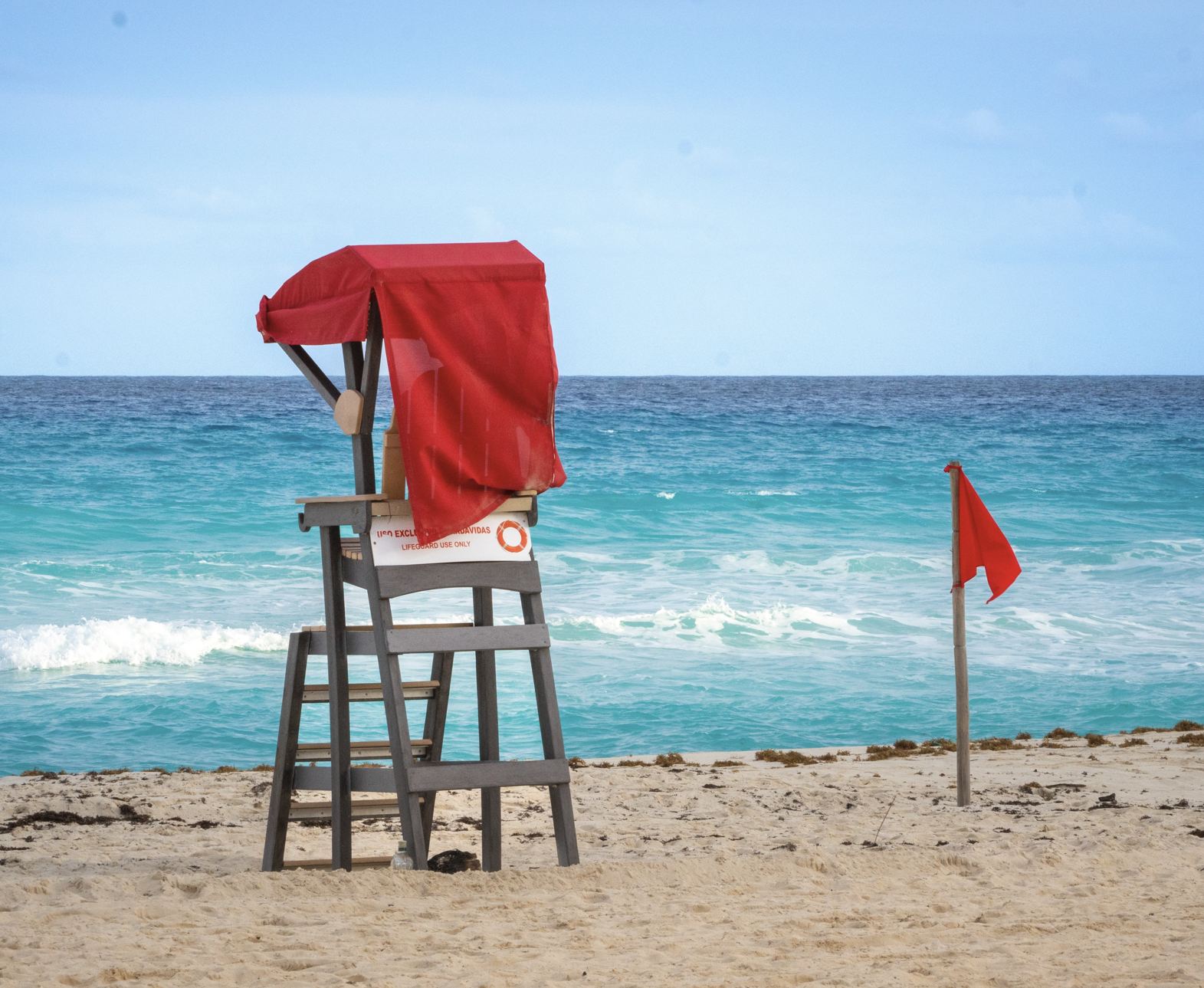
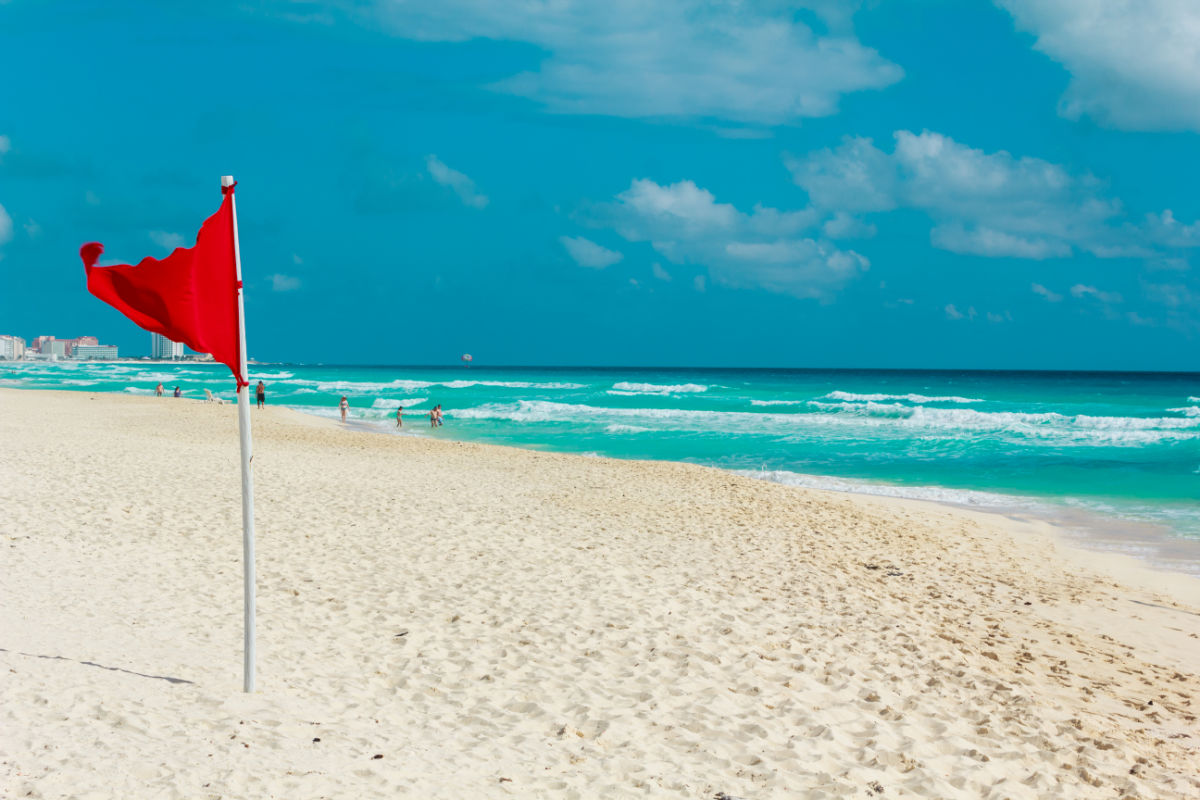
A single red flag on a Cancún beach signals very rough surf and dangerous rip currents. While it’s not an outright legal ban on entering the water, safety officials strongly advise staying out.
That full shutdown only happens when a black flag (or, in some areas, double-red flags) is hoisted. Still, local lifeguards, civil-protection officials, and we at The Cancun Sun all agree: if you value your vacation—and your safety—stay on the sand whenever you see red.
Why the Red Flag Exists
Cancún’s coast faces sudden wind shifts, drop-off shelves, and powerful rip currents.
A red flag warns that conditions are very dangerous—strong swimmers might manage a quick dip, but everyone else should think twice.
Confusion in the Headlines
Many Spanish-language outlets still report that “bandera roja = prohibido nadar.”
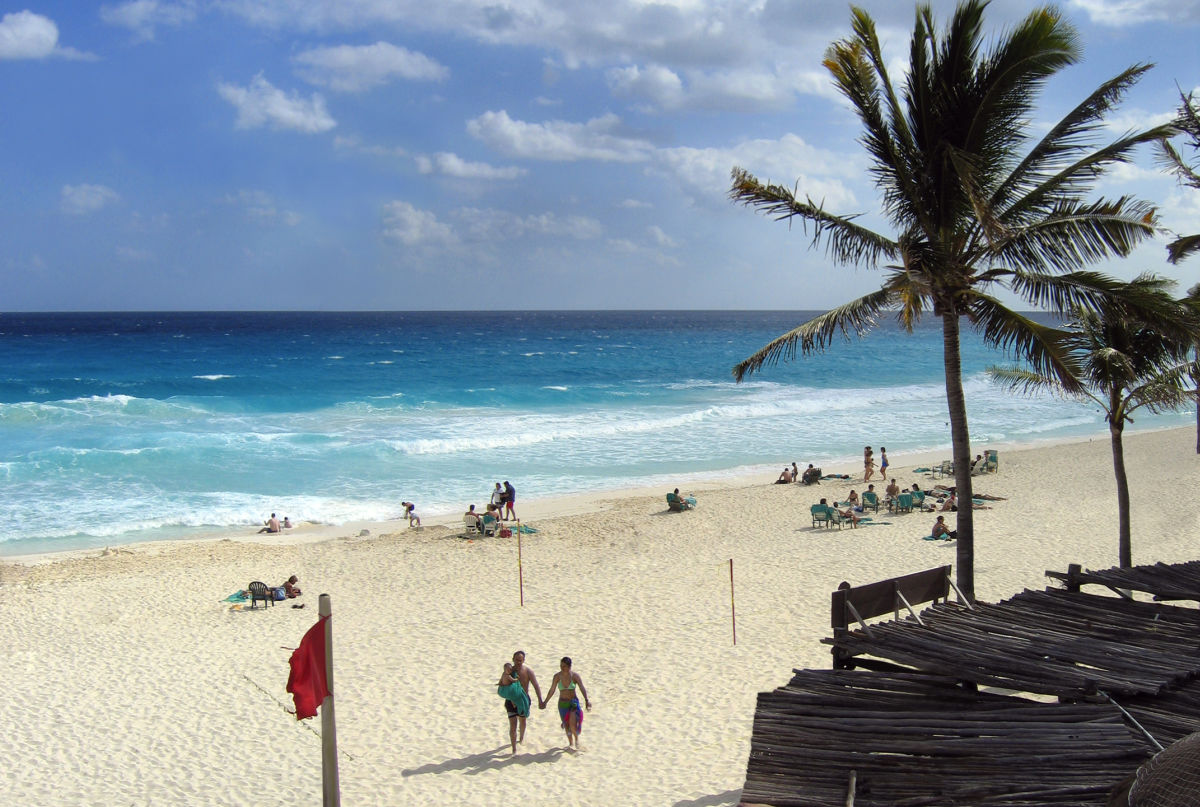
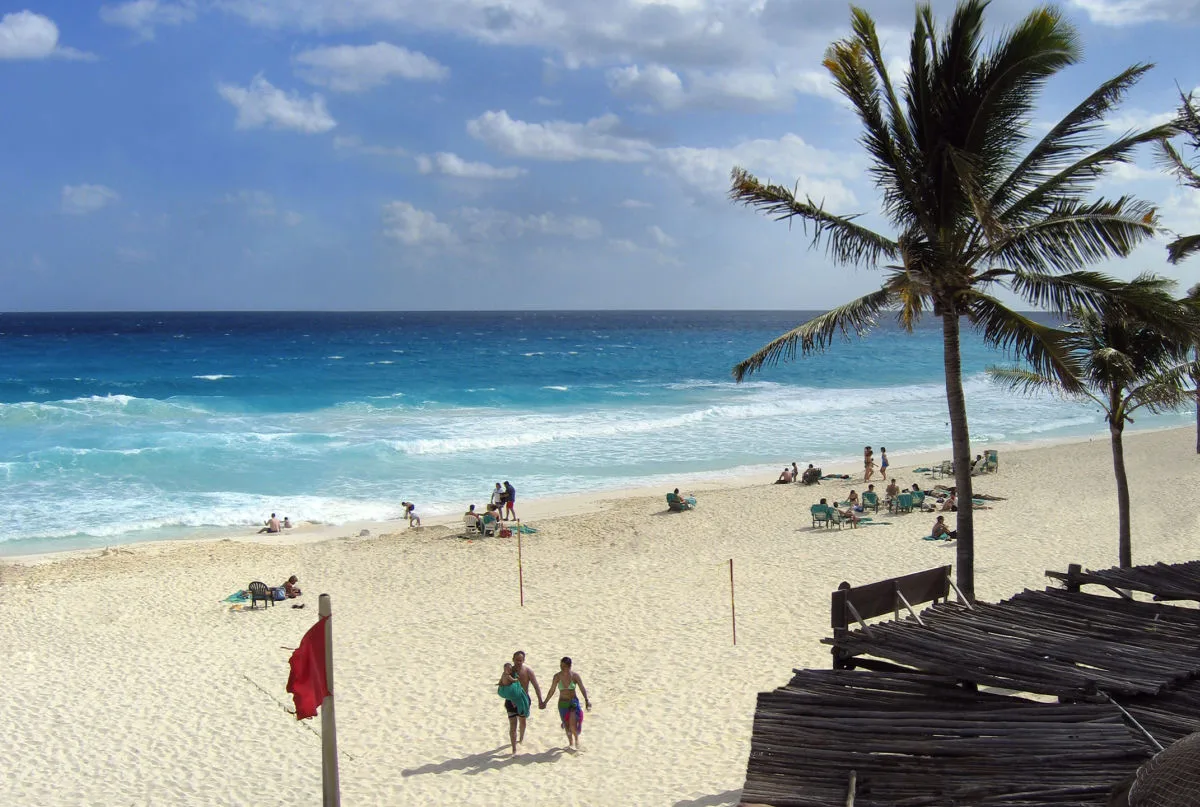
In practice, however, lifeguards usually discourage rather than physically block swimmers, and you’ll often see visitors splashing around regardless.
That gap between strict wording and soft enforcement is why myths persist.
Why You’ll Still See People in the Water
- “Single-red” versus “double-red.” Resorts and condo managers often follow a U.S.-style system in which one red flag = high hazard, while two red flags (or a black flag) close the sea entirely.
- Photo-op temptation. Calm-looking shallows hide a sideways rip; visitors assume the flag is “just a warning” and wade in anyway.
- Lifeguard bandwidth. Guards focus on rescues rather than policing every ankle-deep bather, so enforcement feels “optional.”
Bottom line: the red flag’s flexibility is not an invitation—it’s a last courtesy before the beach is formally closed.
When the Beach Is Really Off-Limits: The Black Flag
A black flag (or occasionally two red flags) means the shoreline itself is closed—no paddling, no selfies at the water’s edge, no exceptions.
Reasons range from lightning and hurricane swells to major contamination events. If you see black, head for the pool bar.
Cancún’s Color-Code Cheat Sheet
- 🟢 Green – Low Hazard: Gentle surf, but keep children within arm’s reach.
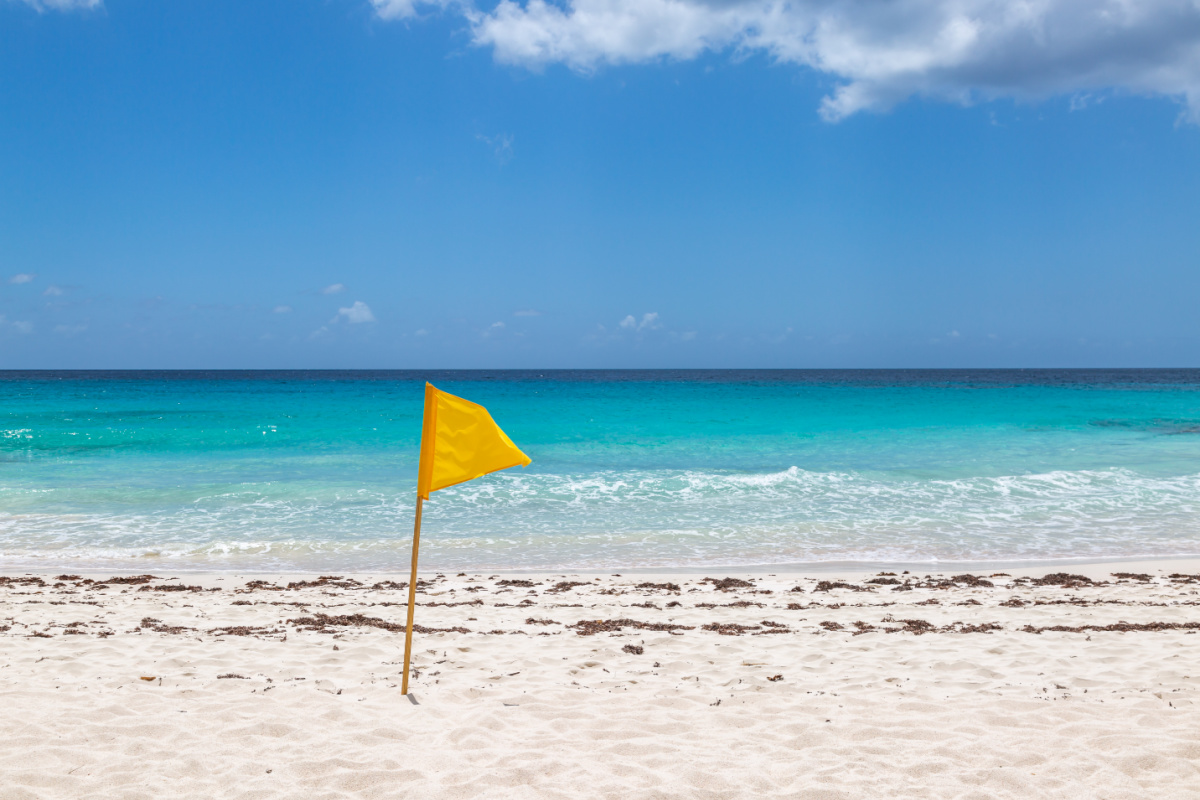
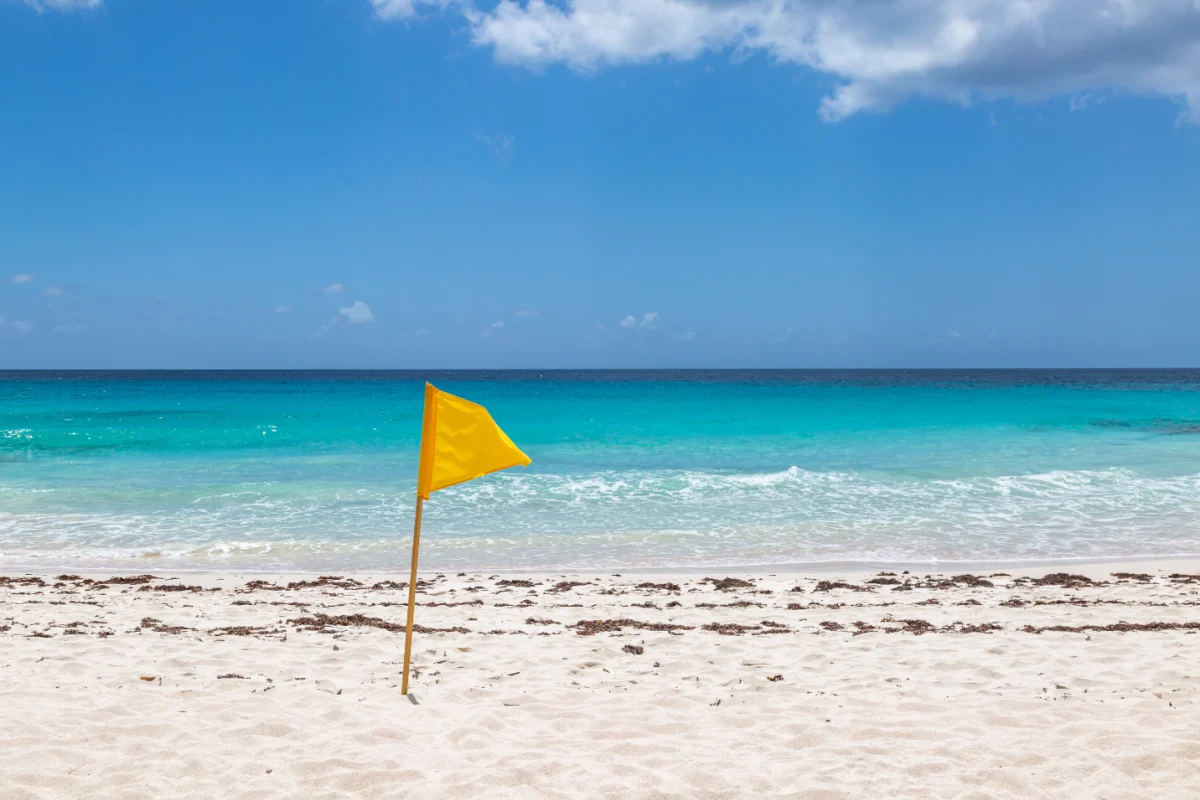
- 🟡 Yellow – Moderate Hazard: Swim with caution; currents or wave chop present.
- 🔴 Red – High Hazard: Very strong currents/shore-break; swimming strongly discouraged.
- ⚫ Black (or Double Red) – Beach Closed: Zero entry allowed; stay completely out of the water and off the wet sand.
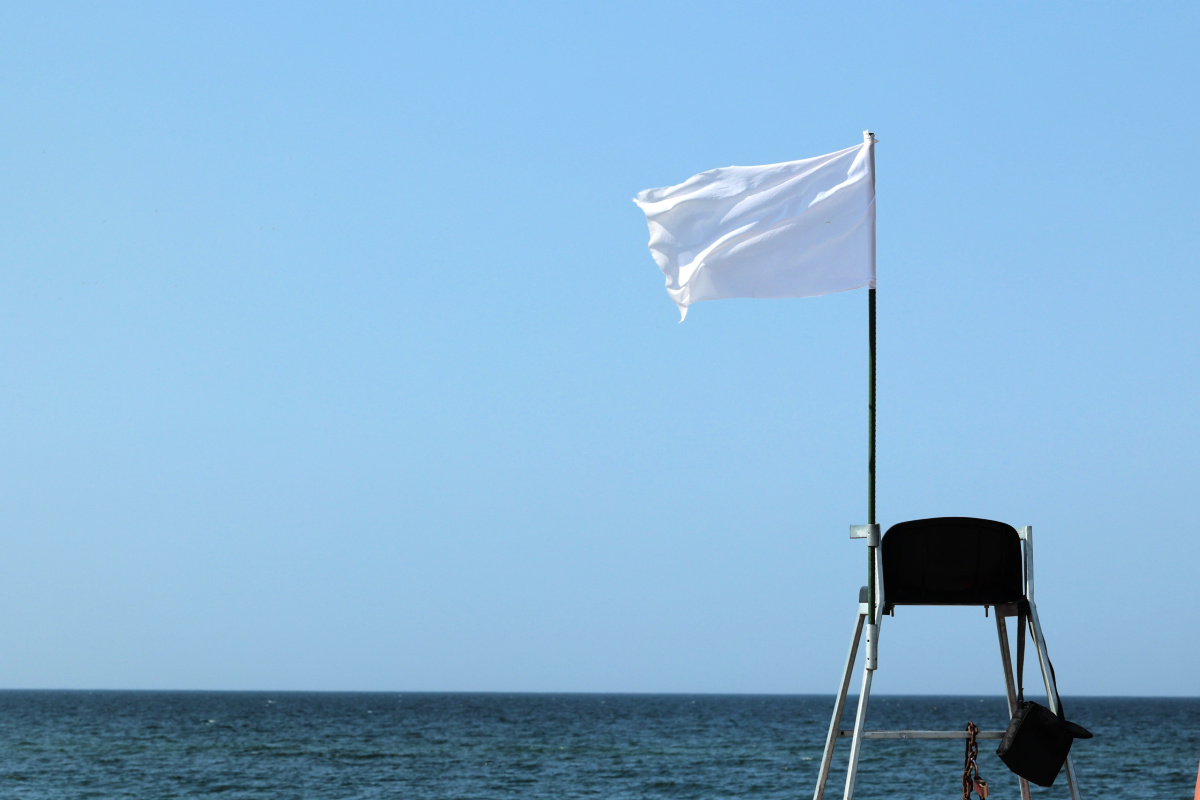
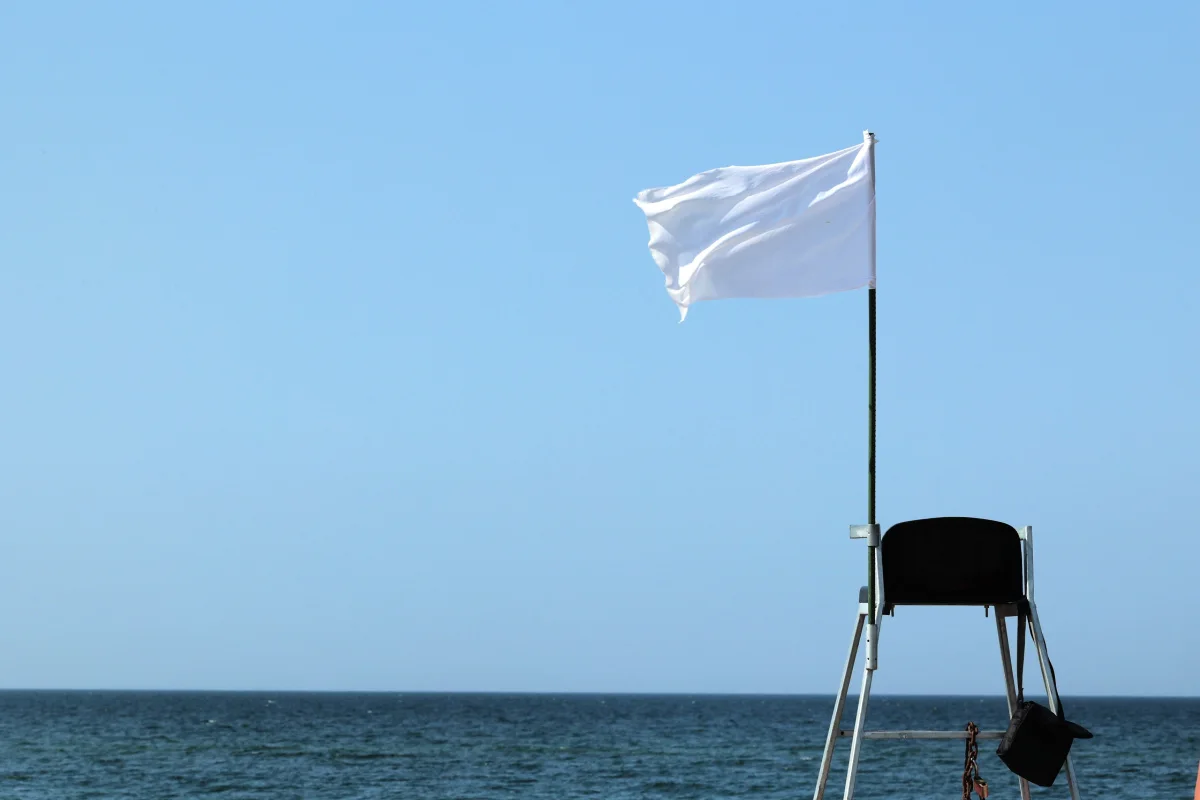
- ⚪ White – Marine Life Alert (jellyfish, etc.): Technically swimmable, but watch for stings.
Pro Tips for a Safe Swim-Day
- Scan the flag before you pick your lounger. Wind and currents can flip conditions within hours.
- Listen to lifeguards—then double-check yourself. Their jurisdiction usually runs 9 a.m.–5 p.m.; hazards may linger after they leave.
- Stick to supervised zones. Most rescues happen just beyond guarded stretches such as Playa Delfines and Chac Mool.
- Skip the booze-then-swim combo. Alcohol dulls judgment and drains energy in heavy surf.
- Know the rip-current escape. Swim parallel to shore until the pull eases, then angle back in.
The Takeaway
A red flag isn’t the ocean police—it’s the ocean’s version of shouting “Danger ahead!”
Ignore it and you might still get wet; you might also get swept 100 yards down-current before the first sip of your margarita.
Stick to green and yellow days for swimming, treat reds as hammock-time, and save your cannonballs for the hotel pool whenever a black flag (or double-red) is flapping. Respect the colors and you’ll take home memories—not cautionary tales.
The Ultimate Cancun Trip Planner
When’s the best time to go? Our powerful month-by-month guide breaks down the weather, crowds, sargassum, and prices for your perfect trip.
Find Your Perfect Cancun & Riviera Maya Resort In Seconds
This simple, powerful tool was built by our on-the-ground experts to match you with the ideal resort for your specific budget and travel style.
Subscribe to our Latest Posts
Enter your email address to subscribe to The Cancun Sun’s latest breaking news affecting travelers, straight to your inbox.