
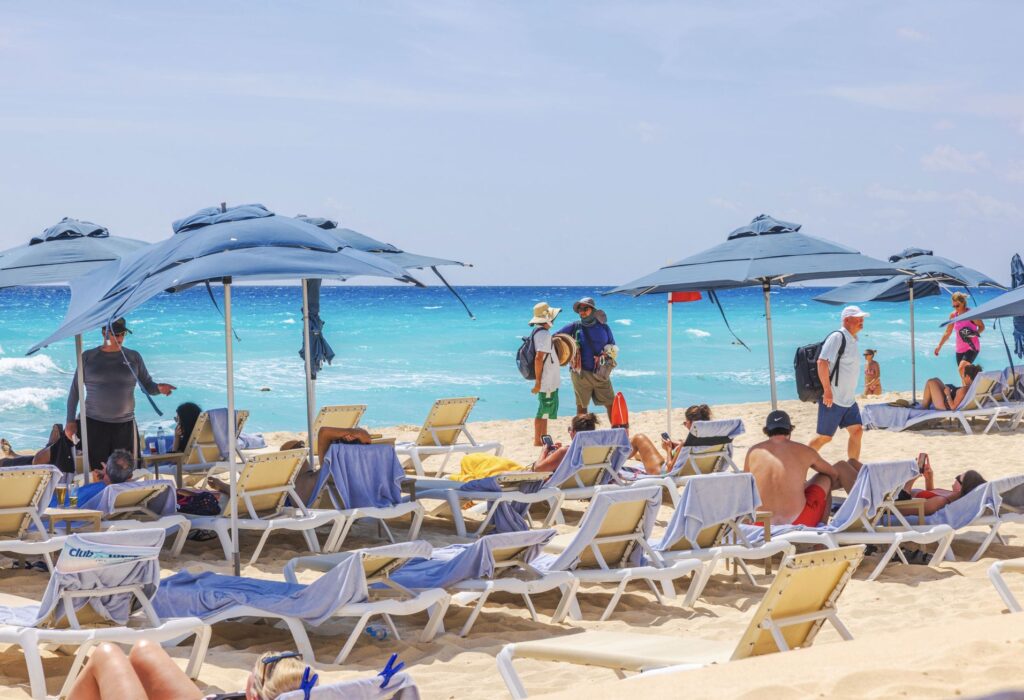
You are lying on a lounge chair in the Hotel Zone. The sun is shining, you have a cold drink in your hand, and the Caribbean breeze is perfect. Suddenly, a friendly guy in a polo shirt and sunglasses walks up to you. He isn’t selling cigars or silver jewelry—he has a laminated binder full of photos.
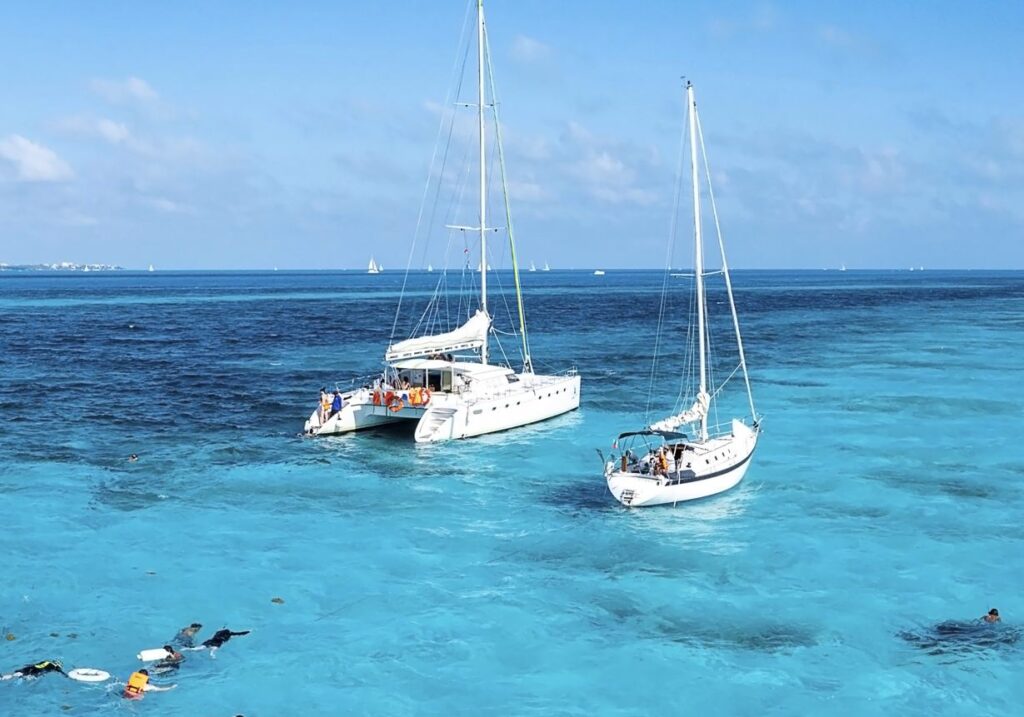
“My friend! You want to go to Isla Mujeres tomorrow? Catamaran, open bar, snorkeling. Special price for you today, only $50.”

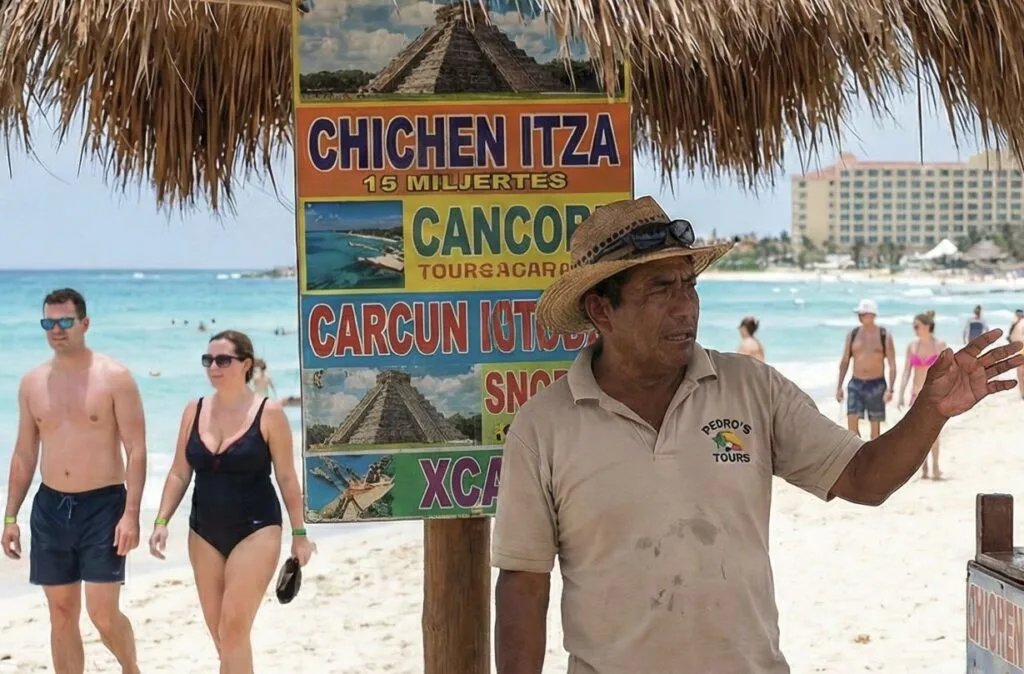
It sounds perfect. It’s half the price the hotel concierge quoted you. He seems nice. He has a receipt book.
Here is the hard truth from The Cancun Sun: Do not give him your money.
Buying a tour from a freelance, roaming vendor on the beach is one of the most common mistakes travelers make. While many of these vendors are just trying to make a living, the risks involved with unregulated, unlicensed tour sales are simply too high.
The “Ghost Tour” Scam
The most common outcome of the beach tour purchase is the “Ghost Tour.”
Here is how it works: You pay the vendor $100 cash for two tickets to a snorkeling trip. He gives you a handwritten receipt on a generic slip of paper that says “Marina Experience – 9:00 AM.” He points down the beach to where the boat will be.
The next morning, you wake up early, pack your gear, and head to the meeting point. You wait. And wait. The boat never comes. Or, you arrive at a legitimate marina, show them your receipt, and the staff say they have never heard of “Charlie on the beach,” and your ticket is worthless.
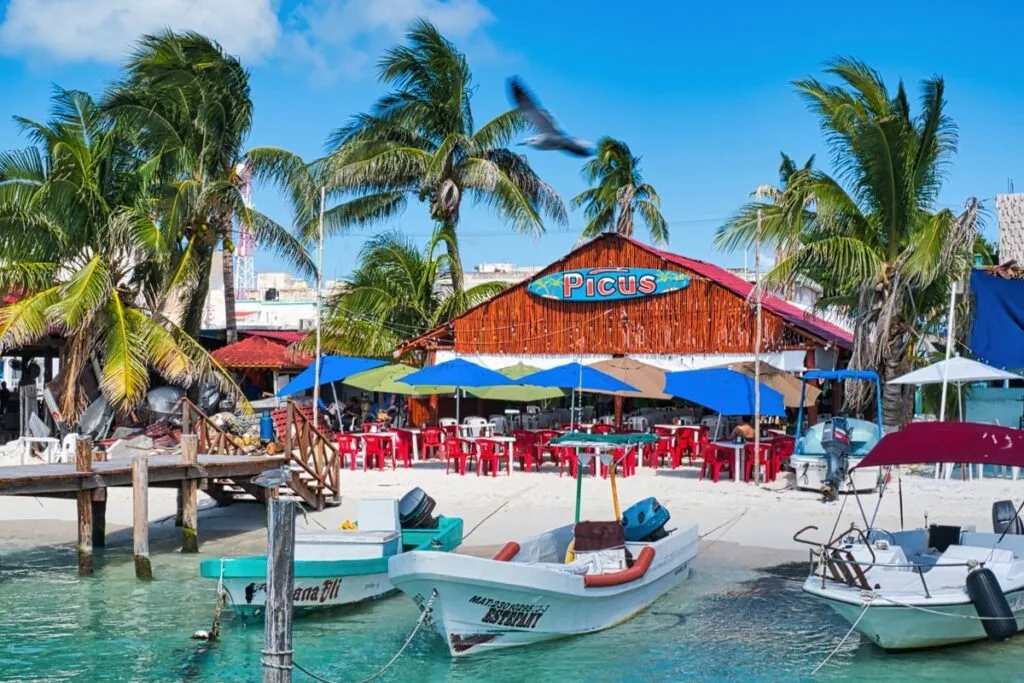
As we detailed in our guide to avoiding the most common tourist scams, once that vendor walks away down the sand, your money is gone. There is no customer service number, no office to complain to, and no refund.
The Safety Reality Check
Let’s say the boat actually does show up. This is often where the real danger lies.
Licensed tour operators in Mexico are subject to strict regulations. They must have specific insurance (Seguro de Viajero), radio equipment, life jackets for every passenger, and captains with maritime certifications.


Roaming beach vendors often sell spots on “pirate” boats—private vessels that are not licensed for commercial tourism.
- No Insurance: If you slip and break your ankle on the boat, or worse, get into an accident, there is zero insurance coverage.
- Poor Maintenance: Licensed boats are inspected. Pirate boats are often run on a shoestring budget.
- No Accountability: If the captain decides to cut the tour short or skips the snorkeling stop because he wants to go home, you have no recourse.


How To Spot The “Illegal” Vendor
It can be hard to tell the difference between a legitimate salesperson and a hustler. However, there are clear red flags.
1. The “Cash Only” Rule Legitimate companies take credit cards because they have bank accounts and tax IDs (RFC). If a vendor insists on cash only, it means they want the transaction to be untraceable.
2. No Physical Kiosk or ID Official vendors usually wear a uniform with a company logo and an ID badge around their neck. More importantly, they often operate from a stationary kiosk or desk. A guy wandering the sand with a binder is a freelancer.
3. The “Today Only” Pressure If the price will “double if you walk away,” it’s a scam. Legitimate tour prices are fixed. As we mentioned in our breakdown of top tours, quality operators don’t need to pressure you with fake deadlines; their reputation sells the seats.
The Right Way To Book (And Save Money)
You don’t have to pay the inflated prices at your resort, but you do need to book smart. Here is the hierarchy of safety:
1. Digital Platforms (The Safest Bet) Booking online through major aggregators like Viator or TripAdvisor, or directly through the operator’s official website, is the safest method. You have a digital paper trail, a credit card chargeback option if they ghost you, and verified reviews from other travelers.
2. The Hotel Concierge (The Most Convenient) Yes, the hotel concierge takes a commission, usually making the tour 15-20% more expensive. However, you are paying for accountability. If the tour bus doesn’t show up, the hotel is responsible for fixing it. For first-timers, this peace of mind is worth the extra twenty bucks.
3. Official Marinas and Kiosks If you want to negotiate a deal in person, go to the source. Head to the actual marina (like Puerto Juarez for ferries or the Hotel Zone marinas for jungle tours). Speak to the staff behind the counter.
A Note on “Timeshare” Hooks
Sometimes, the “cheap tour” isn’t a ghost scam—it’s a trap.
That $20 ticket to Chichen Itza is real, but the fine print says you have to attend a “90-minute presentation” at a resort first. That 90 minutes turns into a 4-hour high-pressure sales pitch for a vacation club, ruining your entire day.
As we covered in our guide to visiting Chichen Itza, the drive alone is long. You do not want to waste half your day in a sales room just to save a few dollars.
The Bottom Line
We get it. You are on vacation, you are relaxed, and you want to say “yes” to the nice guy offering you a deal. But your safety and your hard-earned vacation days are too valuable to gamble on a handwritten receipt.
Buy your souvenirs on the beach. Buy your braided bracelets on the beach. But when it comes to putting your family on a boat or a bus? Book it through the pros.
The Ultimate Cancun Trip Planner
When’s the best time to go? Our powerful month-by-month guide breaks down the weather, crowds, sargassum, and prices for your perfect trip.
Find Your Perfect Cancun & Riviera Maya Resort In Seconds
This simple, powerful tool was built by our on-the-ground experts to match you with the ideal resort for your specific budget and travel style.
Subscribe to our Latest Posts
Enter your email address to subscribe to The Cancun Sun’s latest breaking news affecting travelers, straight to your inbox.