
You have your passport, your sunscreen, and your sunglasses, but then you pause and stare at your wallet.
“How much cash do I actually need for a 7 day trip to Cancun?”
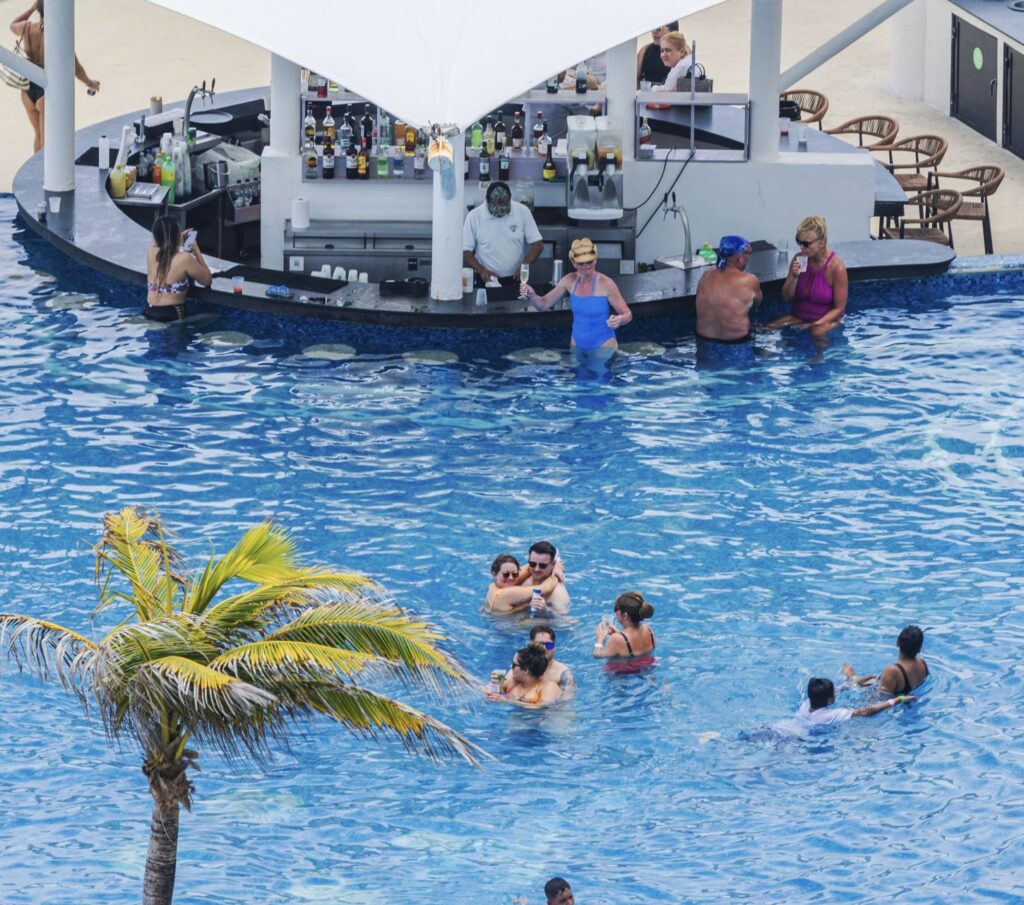
In 2026, it’s a valid question. We live in a world of Apple Pay and tap-to-pay credit cards, and it is easy to assume you can go completely cashless in Cancun. But the reality on the ground is different. Cash is still the lubricant that makes a Mexican vacation run smoothly, and showing up empty-handed can lead to some awkward moments at the swim-up bar.

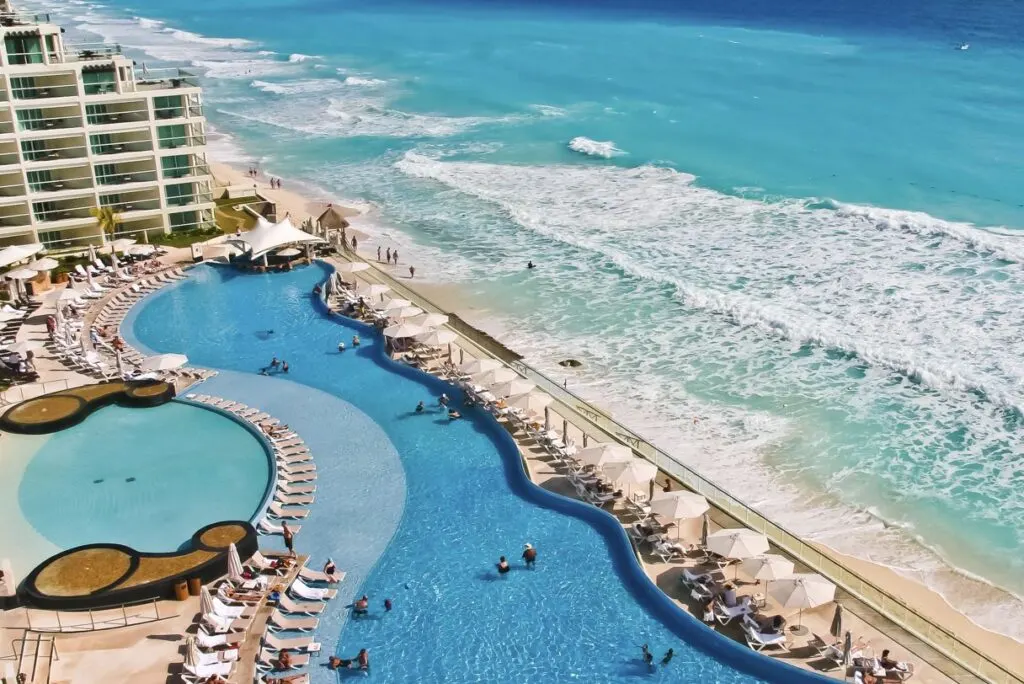
If you are staying at an all-inclusive resort, we have the magic number. After analyzing thousands of traveler reports on TripAdvisor and Reddit, and combining it with our own on-the-ground experience this month, the consensus is clear.
For the average traveler who plans to relax by the pool and maybe do one excursion, $500 USD (converted to Pesos) is the sweet spot for a one-week stay.
Here is exactly how that breaks down and why you need it.
The “Stay-Put” Budget: $500 USD
If your plan is to check in, find a lounge chair, and not move for seven days, you might think you don’t need any cash at all. You are wrong. Even at an “all-inclusive,” the service you receive often correlates directly with your tipping habits.
The Tipping Breakdown This is your biggest expense. As we detailed in our guide to the unspoken rules of tipping, slipping a few pesos to the staff makes a massive difference in the quality of your week.
- The Bartender: Tipping 20-50 pesos ($1-$2.50 USD) periodically ensures your drink is always full and the tequila is the “good stuff.”
- Housekeeping: These are the hardest workers in the resort. Leaving 50-100 pesos daily on the pillow ensures extra water bottles, fresh towels, and a spotless room.
- The “Invisible” Staff: Don’t forget the bellboys, the omelet station chef, and the concierge who booked your dinner reservation.
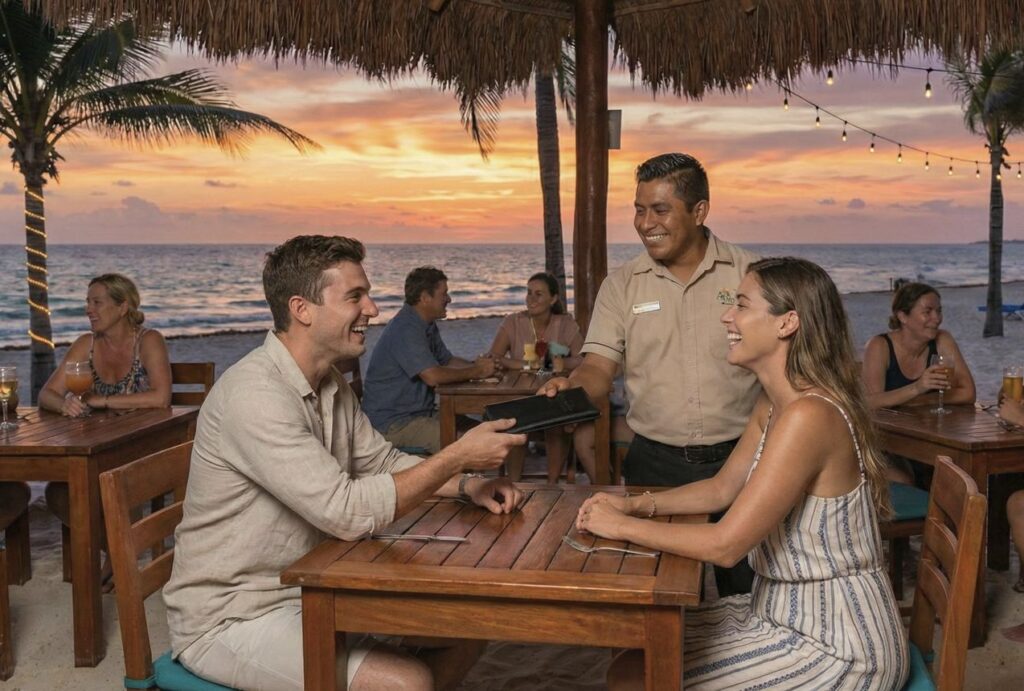
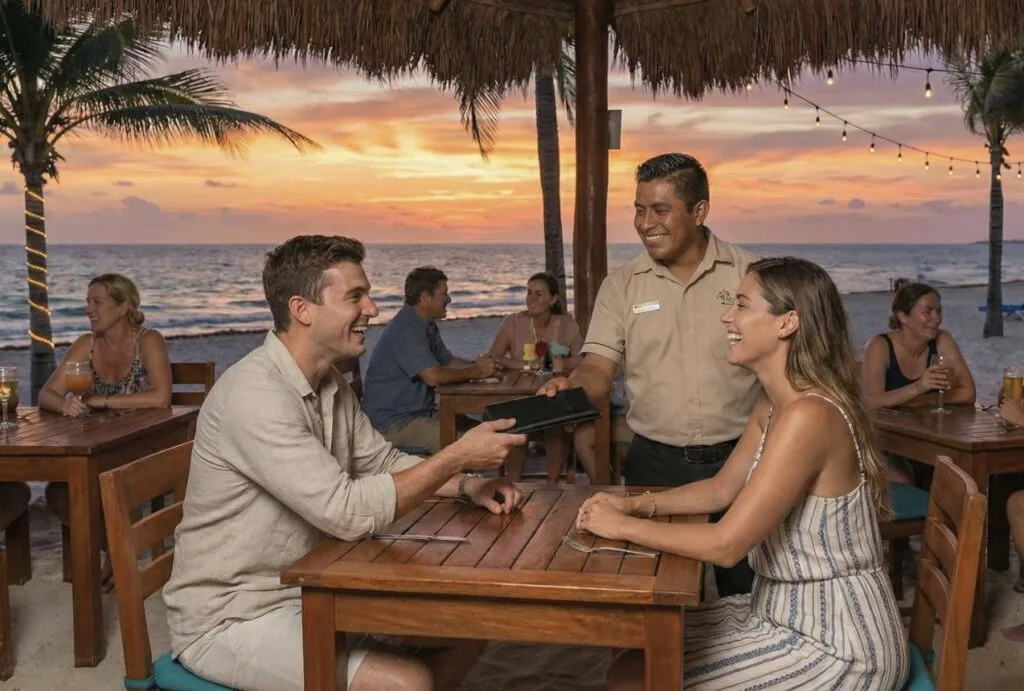
If you tip modest amounts consistently, you will burn through about $150-$200 USD in a week just on gratuities.
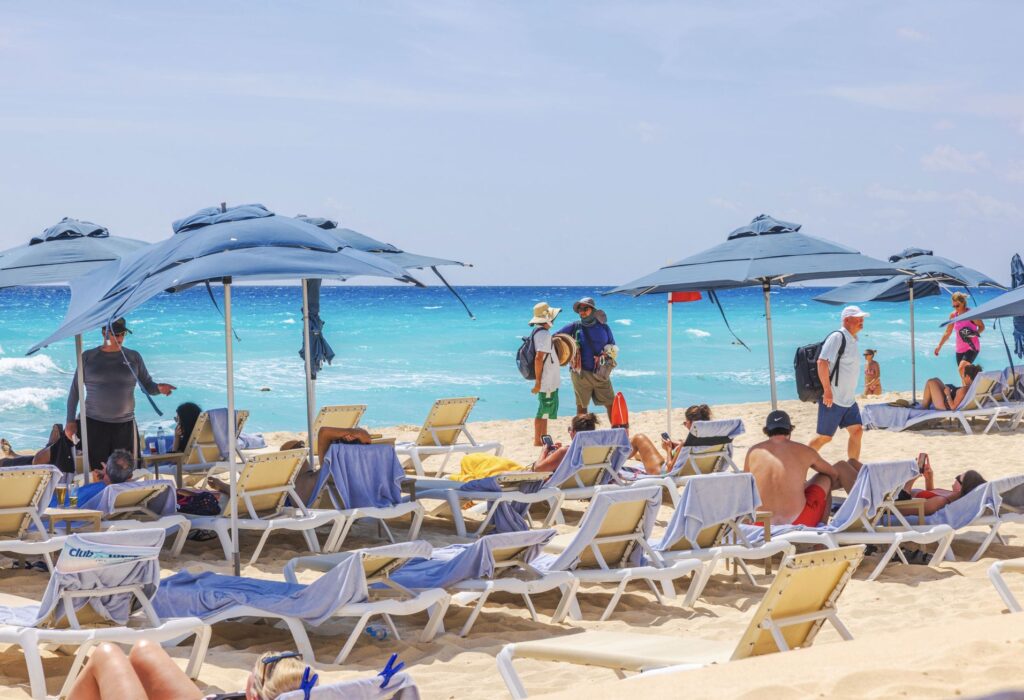
The “Oops” Fund & Beach Vendors The remaining $300 of your budget is for the unexpected. You will want that braided bracelet from the beach vendor (who definitely does not take Amex). You might need late-night tacos, sunscreen from the resort shop (which is always overpriced), or emergency medicine. Cash solves these problems instantly.
The “Big Spender” Budget: $1,000 USD
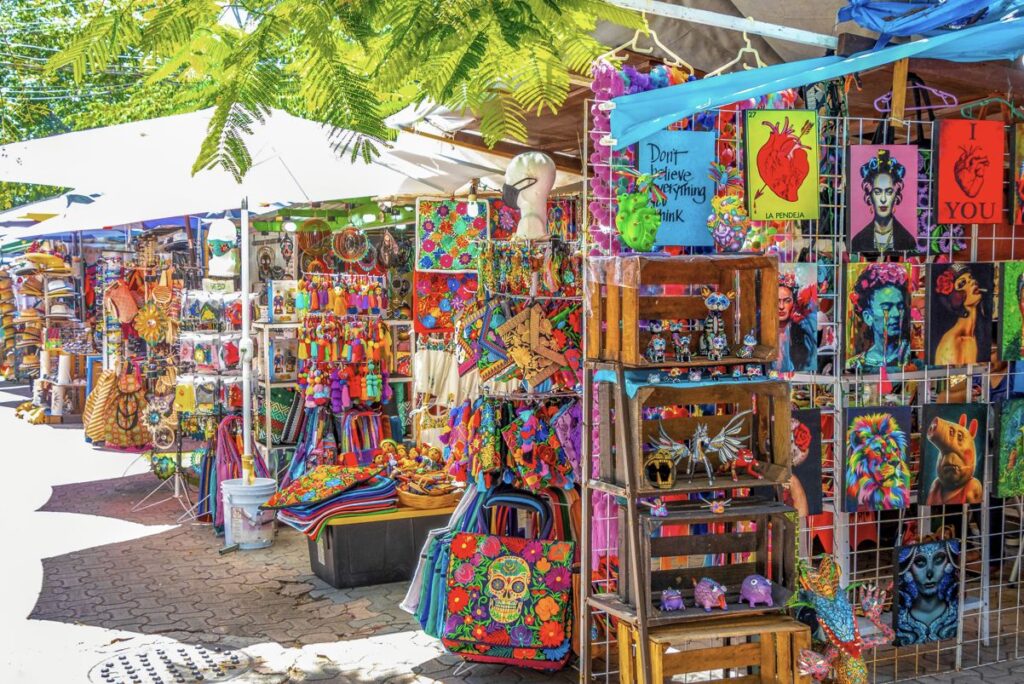
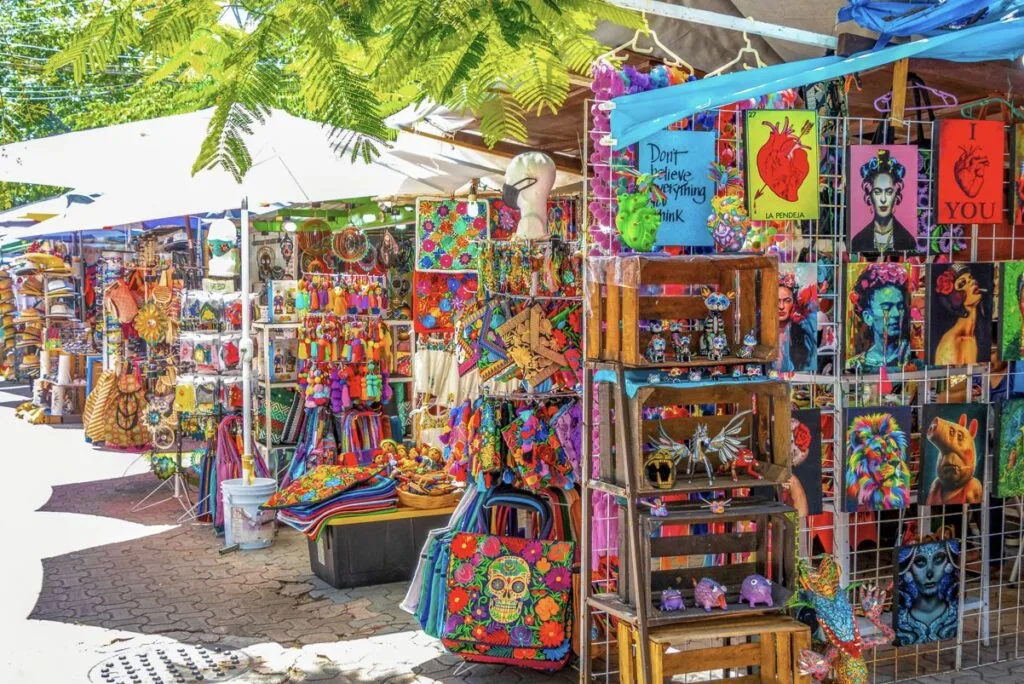
If you are the type of traveler who gets restless at the pool and wants to explore, you need to double your budget to $1,000 USD. This applies if you plan to visit Mercado 28, hit the local craft stalls, or take multiple taxis.
The Power of Cash Negotiation While some vendors have credit card readers, the best prices are reserved for those paying with paper. A vendor is much more likely to lower the price of a silver necklace if you wave pesos in front of them rather than a Visa card. However, be careful. As we warned in our article on what NOT to buy at local markets, having a set cash limit helps you avoid getting talked into buying overpriced souvenirs that turn green the next day.
The Taxi Dilemma You will also need extra cash for transportation. Despite regulations, many taxi drivers will claim their credit card machine is “broken” or “out of service” once you arrive at your destination. If you don’t have cash, this turns into a stressful negotiation. Having pesos on hand guarantees you get out of the cab without a fight. Plus, paying in cash often secures a slightly better rate than the inflated “card price.”


The Currency Debate: Pesos vs. Dollars
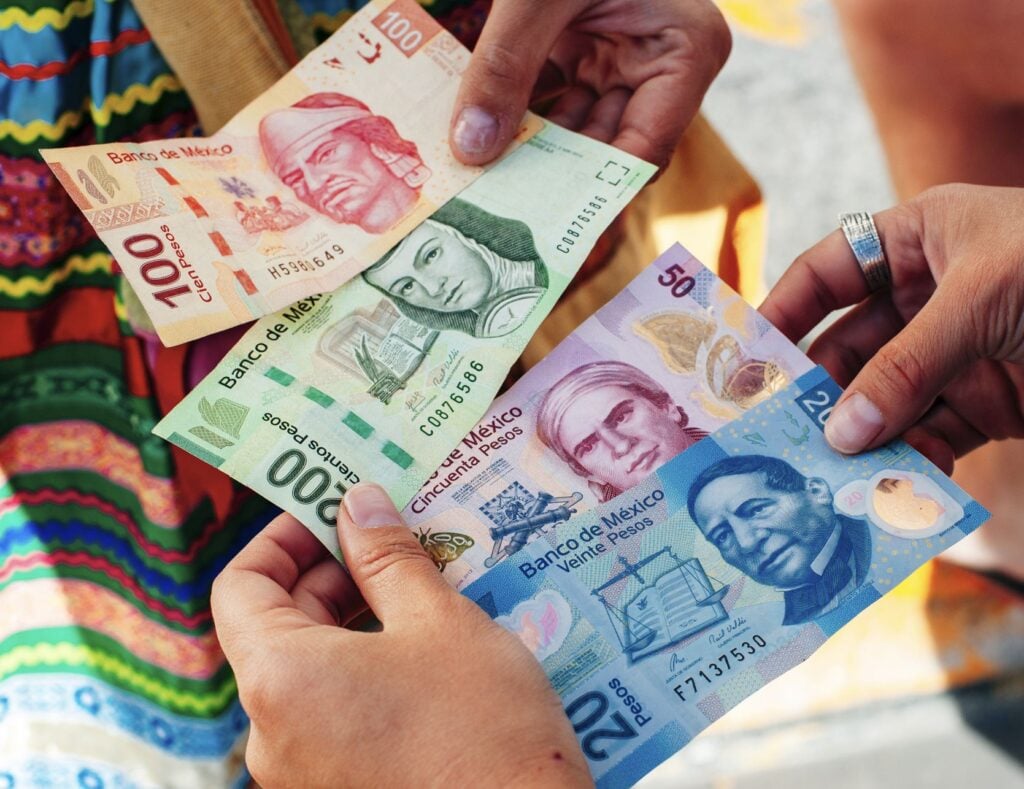
This is the most common rookie mistake. Pro-Tip: Do not bring $500 in single US dollar bills. Exchange it for Mexican Pesos.
While US Dollars are widely accepted, using them marks you as a tourist.
- The Exchange Rate Hit: If a beer is 80 pesos (about $4 USD), and you pay in dollars, the vendor might charge you $5 or $6 USD because they set their own “convenience” exchange rate. Over a week, you lose 15-20% of your money just on bad math.
- Respect: Tipping in the local currency saves the staff from having to go to a specialized exchange house on their day off to convert your George Washingtons into spendable money.

Where To Get Your Cash
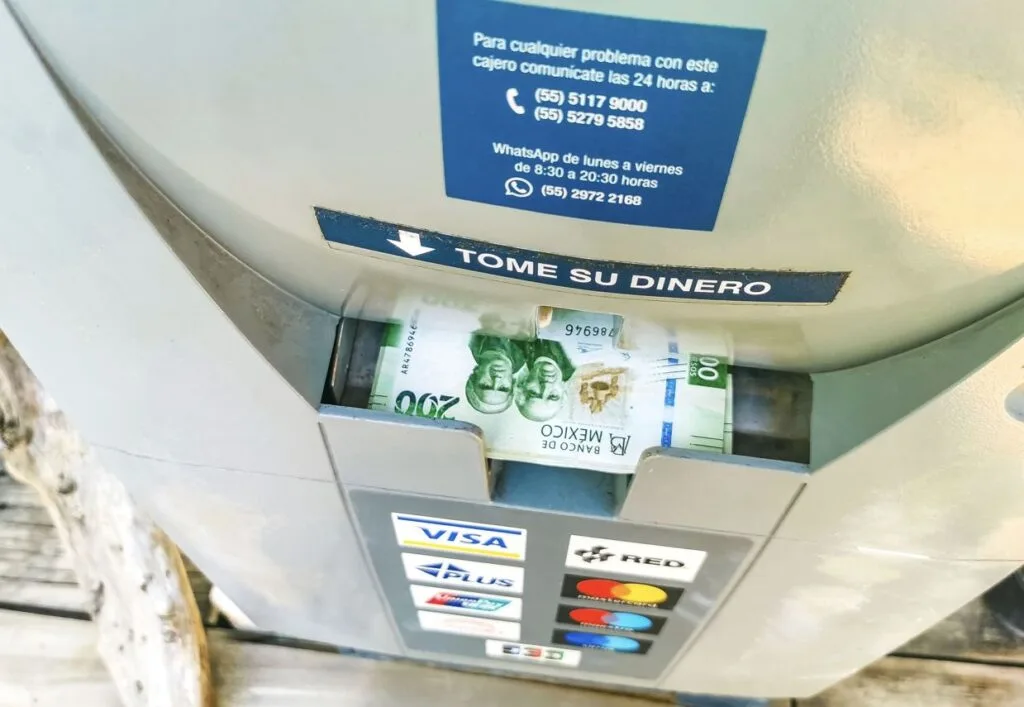
Do not exchange money at your home airport (terrible rates) or the Cancun Airport arrival hall (even worse rates). The smartest move is to use a bank ATM (Scotiabank, Santander, HSBC, or CIBanco) once you are in Mexico. Decline the ATM’s offer to “do the conversion for you” (always choose to be charged in Pesos), and you will get the exact daily market rate.

When To Use Your Card
You do not need cash for everything. In 2026, Cancun is highly connected.
- Restaurants: Any sit-down restaurant outside the resort will accept Visa and Mastercard.
- Convenience Stores: OXXO and 7-Eleven are everywhere and take cards for everything from beer to snacks.
- Resort Extras: Spa treatments, romantic dinners, and upgrades should always be charged to your room or card to earn points.
The Bottom Line
Stop overthinking it. For 90% of travelers, $500 worth of Pesos is the perfect safety net. It covers your tips, your souvenirs, and your taxi rides without leaving you carrying a dangerous amount of currency. Just remember the golden rule: Tip in Pesos. It’s respectful, it’s easier for the staff, and it shows you are a savvy traveler who knows the score.
Safe Travels!
The Ultimate Cancun Trip Planner
When’s the best time to go? Our powerful month-by-month guide breaks down the weather, crowds, sargassum, and prices for your perfect trip.
Find Your Perfect Cancun & Riviera Maya Resort In Seconds
This simple, powerful tool was built by our on-the-ground experts to match you with the ideal resort for your specific budget and travel style.
Subscribe to our Latest Posts
Enter your email address to subscribe to The Cancun Sun’s latest breaking news affecting travelers, straight to your inbox.