
The mandatory “Visitax” tourist tax system in Quintana Roo is set for a major overhaul after local hoteliers discovered numerous fraudulent websites were scamming international visitors. Indeed, we at The Cancun Sun have been reporting on these fake sites for a long time.
Leaders in the Riviera Maya’s hotel sector are now in active negotiations with the state government to create a new, more secure collection method that protects tourists from fraud and improves the overall visitor experience.
The alarm was raised by Toni Chaves, president of the Riviera Maya Hoteliers Association, who confirmed the ongoing discussions with the governor. The urgent need for change came after it became clear that sophisticated, fake websites were posing as official government portals to illegally collect the tax.


“We had a meeting with the governor. Another charging scheme is being considered, one that doesn’t affect tourists, and we’re convinced we’ll reach an agreement very soon,” Chaves explained. “Many fake websites were also detected that were charging, and no one knew where the money was going.”
This has created a significant problem, not only for the tourists who have lost money but also for the state, which is losing out on official revenue intended to improve the region. Protecting visitors from these kinds of issues is a top priority, especially as tourists are often reminded to be aware of the Top 5 Scams To Avoid In Cancun.


Understanding The Visitax
The Visitax, officially known as the Right to Use Public Domain Assets tax, was implemented in Quintana Roo in 2022. It is a mandatory fee for all foreign tourists visiting the state, which includes popular destinations like Cancun, Playa Del Carmen, and Tulum. The current fee is set at 224 Mexican pesos, which is approximately $12 USD depending on the exchange rate. The only exceptions are for children under the age of 15 and, of course, domestic tourists from Mexico.
According to the state’s Treasury Law, the revenue generated from the tax is meant to be reinvested directly into the tourism sector. The official justification states the funds will “allow the state of Quintana Roo to generate jobs and promote the creation of economic centers, whose main driver will be tourism.”

A Flawed System
The official method for payment is through the government-managed “Visitax” website here, run by the state’s tax administration service (SATQ).
Tourists are required to fill out a form with their travel dates, passport numbers, and names before making an electronic payment to receive a receipt. This can be done before travel, during their stay, or upon departure.
However, the system has been plagued with issues beyond the recent discovery of fraudulent sites.
Try it now… Google “Cancun Visitax” and you will get tons of options to pay for the tax, but only one is official (linked above).
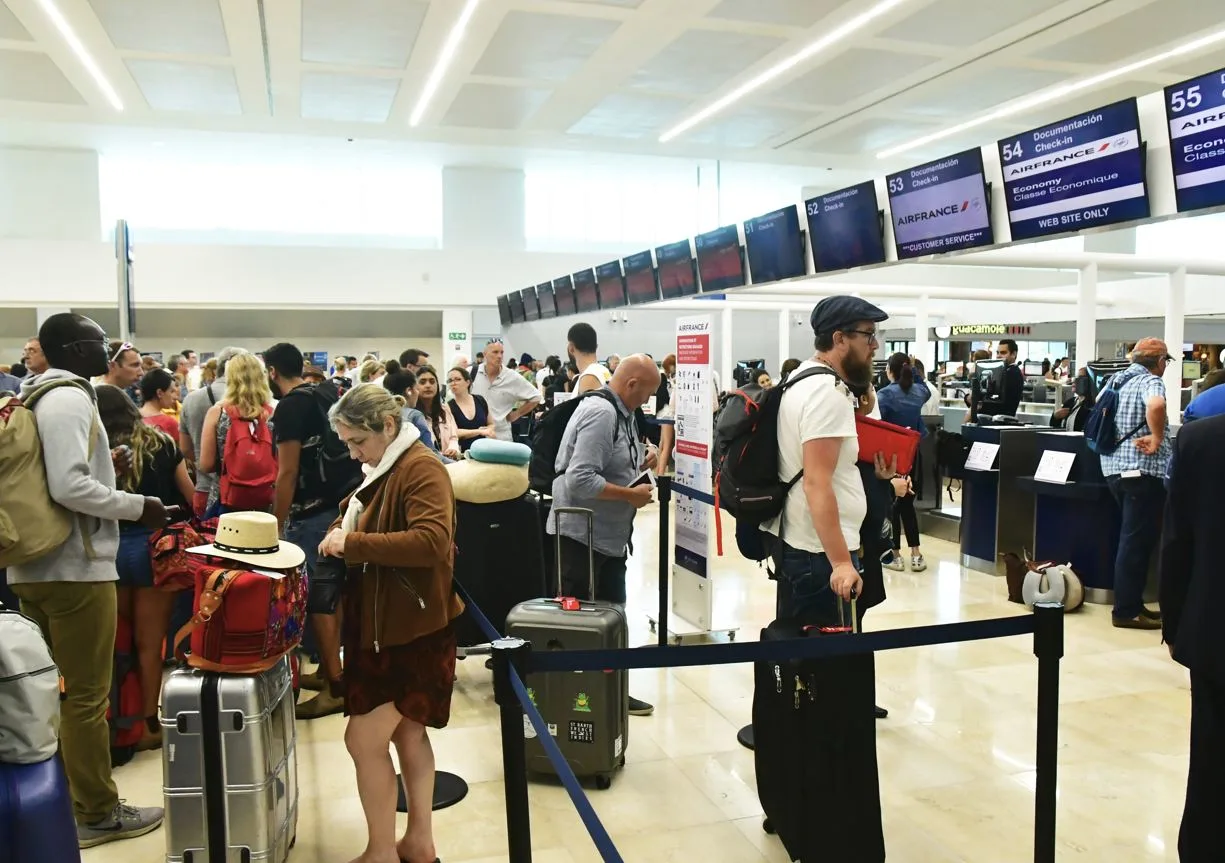
Collection points at the Cancun International Airport have often caused confusion and delays for departing travelers. Some hotels attempted to integrate the tax collection into their checkout process but found the procedure to be overly intrusive and cumbersome for their guests, leading many to abandon the effort.


The combination of a confusing official process and the proliferation of fake websites has forced the hand of both the private and public sectors. The leader of the Riviera Maya hoteliers assured that the fee and its collection method will be completely reconsidered, not only to prevent fraud but also to address the numerous complaints it has generated from visitors since its inception.
As Quintana Roo continues to break tourism records and invest heavily in its future, ensuring a secure and seamless experience for visitors remains paramount. The outcome of these negotiations will be watched closely, with the hope that a new system will protect tourists’ pockets and ensure that the vital funds go exactly where they are intended.
The Ultimate Cancun Trip Planner
When’s the best time to go? Our powerful month-by-month guide breaks down the weather, crowds, sargassum, and prices for your perfect trip.
Find Your Perfect Cancun & Riviera Maya Resort In Seconds
This simple, powerful tool was built by our on-the-ground experts to match you with the ideal resort for your specific budget and travel style.
Subscribe to our Latest Posts
Enter your email address to subscribe to The Cancun Sun’s latest breaking news affecting travelers, straight to your inbox.
Bert Peters
Thursday 11th of September 2025
...why doesnt the taxation authority use the most secure way to collect exit fees? Have the airlines, cruise lines, and bus lines do it for them, and then remit.
Most countries already do this.