
You just wrapped up a flawless beach day in the Mexican Caribbean, sitting down for fresh seafood and ocean breezes. The evening is perfect until the check arrives, and the math simply does not add up. If you are a traveler navigating the bustling culinary scenes of Cancun or the Riviera Maya, you need to be on high alert for a rising trend of dinner scams.

Online travel forums like reddit and review platforms report multiple recent incidents of tourists being overcharged through sneaky billing tactics, particularly in heavy traffic areas of Cancun and Playa’s 5th Avenue. Here is exactly what is happening on the ground and how you can protect your wallet.
1. The Mandatory Gratuity
One of the most frequent complaints involves servers automatically tacking on a “service charge” of 15, 20, or even 25 percent to the final bill. Under Mexican consumer protection laws enforced by PROFECO, gratuity is strictly voluntary, meaning it is illegal for a restaurant to force a tip.
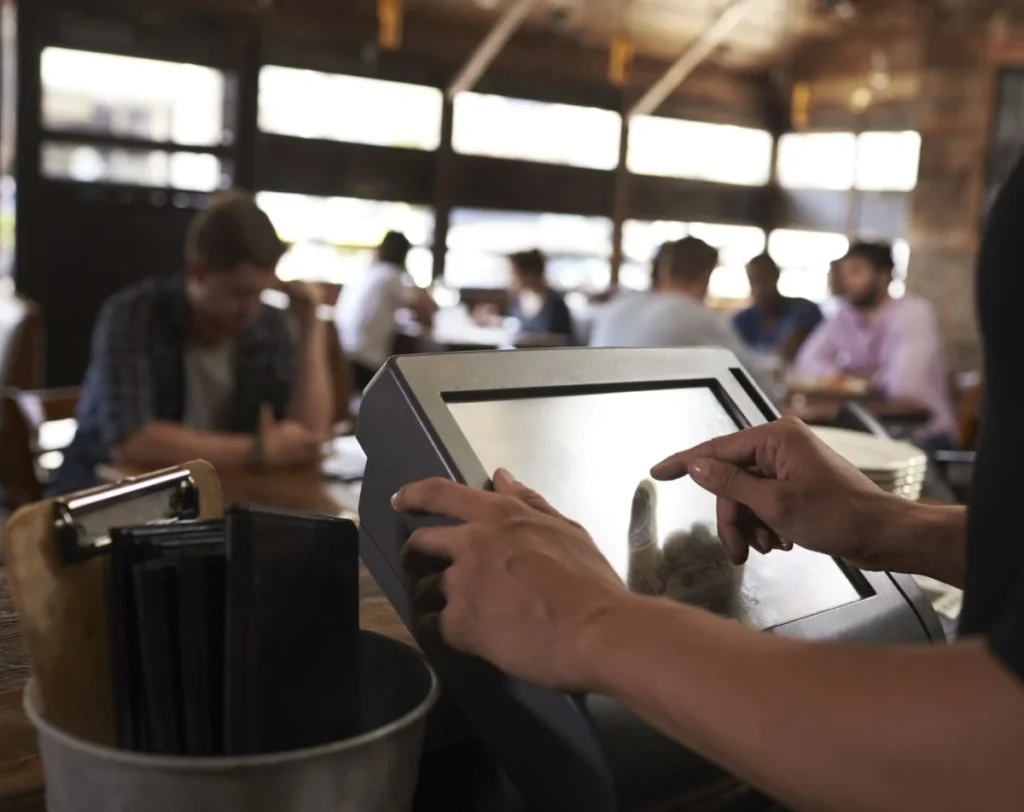
Scammers often rely on the fact that vacationers are relaxed and unlikely to scrutinize the receipt. Victims consistently report waiters rushing the payment process on the credit card terminal, only for the traveler to later realize they paid a mandatory 20 percent markup under the guise of an “included service fee.”
2. The Currency Conversion Trap
When it is time to settle up with a credit card, the server may politely ask if you prefer to pay in US dollars or Mexican pesos. While it sounds like a courtesy, this is actually a financial trap.
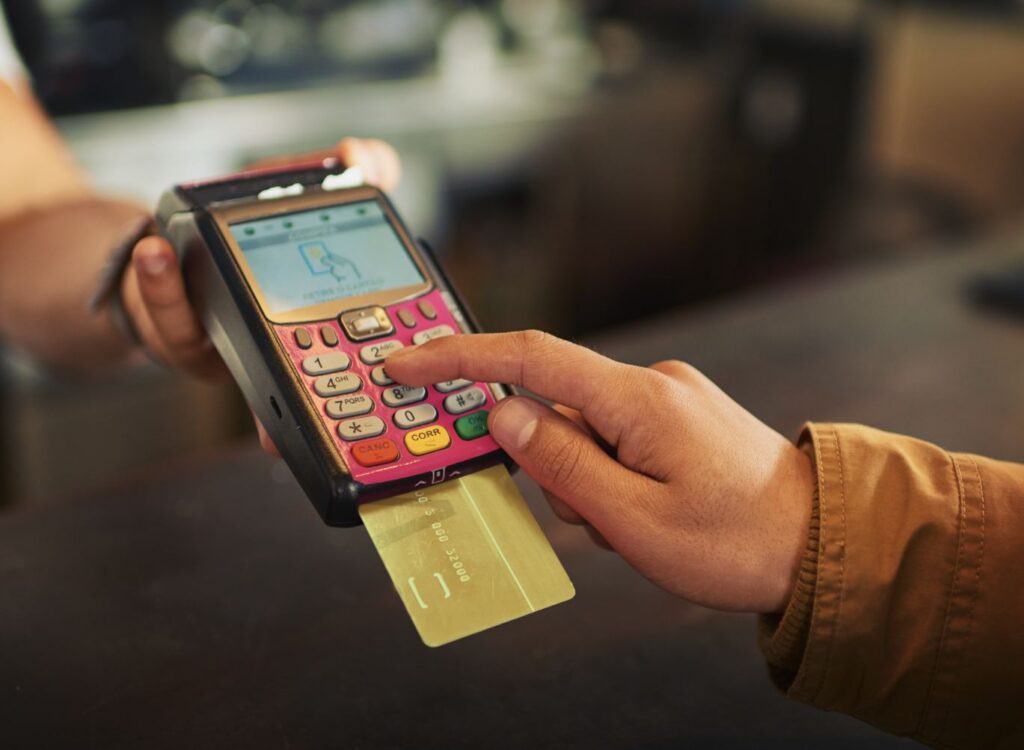
Selecting your home currency triggers Dynamic Currency Conversion, allowing the merchant’s terminal to apply its own highly inflated exchange rate rather than the standard, fair rate provided by your bank. Travelers have reported losing an extra $25 or more on a single dinner simply by selecting the dollar option on the payment screen.
3. Invoice Padding
A classic tactic making a strong resurgence is the padded bill. This happens most frequently with larger groups where tracking individual orders gets complicated. Restaurants may add unauthorized items to the check, such as unordered appetizers, extra rounds of cocktails, or charging for top-shelf tequila when the house brand was ordered. When confronted by a sharp-eyed tourist, servers will often shrug and pass it off as an innocent clerical error.
How To Protect Your Wallet
You do not have to let the fear of being scammed ruin your dining experience. You can easily defend yourself against these tactics by following a few strict logistical rules when dining out:
- Review Every Line: Ask for the check (“la cuenta, por favor”) and read it line by line before handing over your payment method.
- Check for “Propina”: Scan the receipt for the words “propina” or “servicio.” If an automatic charge is listed, politely request its removal, stating you prefer to handle the tip separately. (Keep in mind, leaving a 10 to 20 percent tip is still the standard cultural expectation for good service in Mexico).
- Decline The Dollar: Always explicitly state you want to pay in pesos and verify that the “MXN” symbol is displayed on the card terminal before tapping or inserting your card.
- Control the Pace: Do not allow a server to rush you through the payment screen. Take your time to verify the final total. Scammers thrive on creating a false sense of urgency.
- Verify the Venue: Before sitting down at a table, quickly check the most recent reviews on Google Maps or Tripadvisor. Travelers are incredibly fast at flagging venues that employ these exact billing traps.
Restaurant Scam Guide
Join Our Cancun Sun Community of 16,000+ Members
Get real-time answers to your travel questions from our team of local experts and thousands of fellow travelers directly inside our interactive group.
Find Your Perfect Cancun & Riviera Maya Resort In Seconds
This simple, powerful tool was built by our on-the-ground experts to match you with the ideal resort for your specific budget and travel style.
The Ultimate Cancun Trip Planner
When’s the best time to go? Our powerful month-by-month guide breaks down the weather, crowds, sargassum, and prices for your perfect trip.
Enter your email address to subscribe to The Cancun Sun’s latest breaking news affecting travelers, straight to your inbox.