
If you have been keeping an eye on the Mexican Caribbean this year, you know that Tulum is facing a very real tourism crisis. The numbers for the summer of 2026 paint a stark picture, with local hotel occupancy recently plunging below 50 percent.
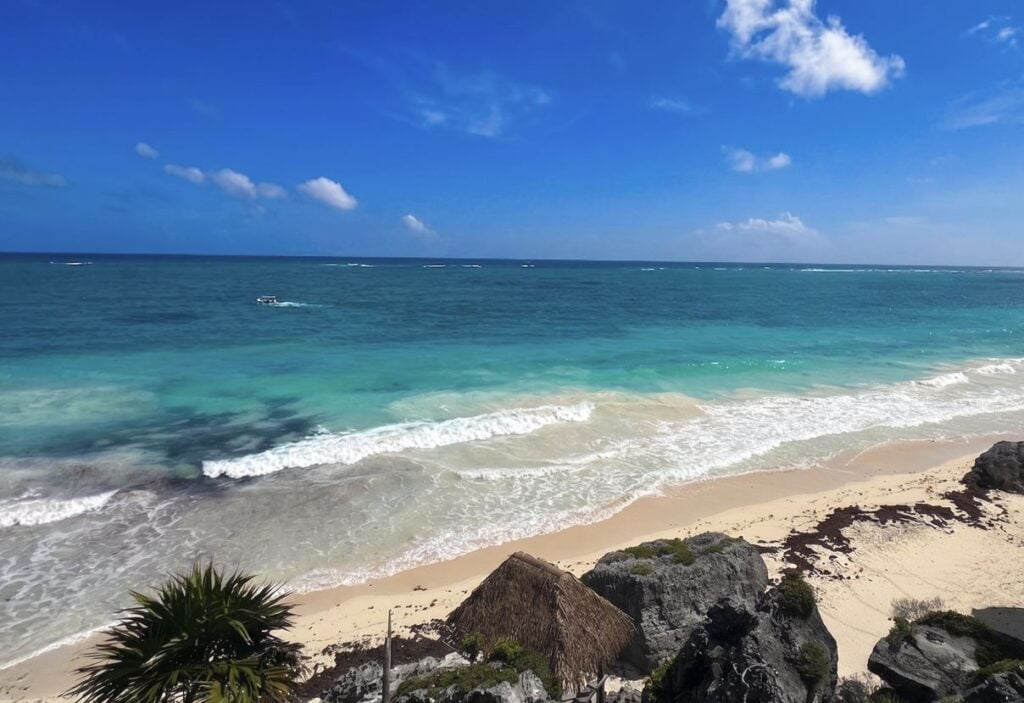
The decline is the result of a perfect storm of ongoing issues. A massive influx of sargassum seaweed has battered the coastline, leading to red alerts in neighboring Playa del Carmen. At the same time, flights have become harder to secure and more expensive. Spirit Airlines completely pulled out of the market, erasing nearly 200,000 seats, while major carriers like American and United slashed their summer capacity to the region by 15 to 17 percent. When you combine those travel hurdles with skyrocketing restaurant bills and expensive taxis, many American tourists simply decided to take their vacation dollars elsewhere.
However, one of the most consistent and loudest complaints from the visitors who did make the trip wasn’t just about the seaweed or the flights. It was about the unexpected, aggressive costs of simply trying to walk onto the beach.
The Frustration Over Jaguar Park
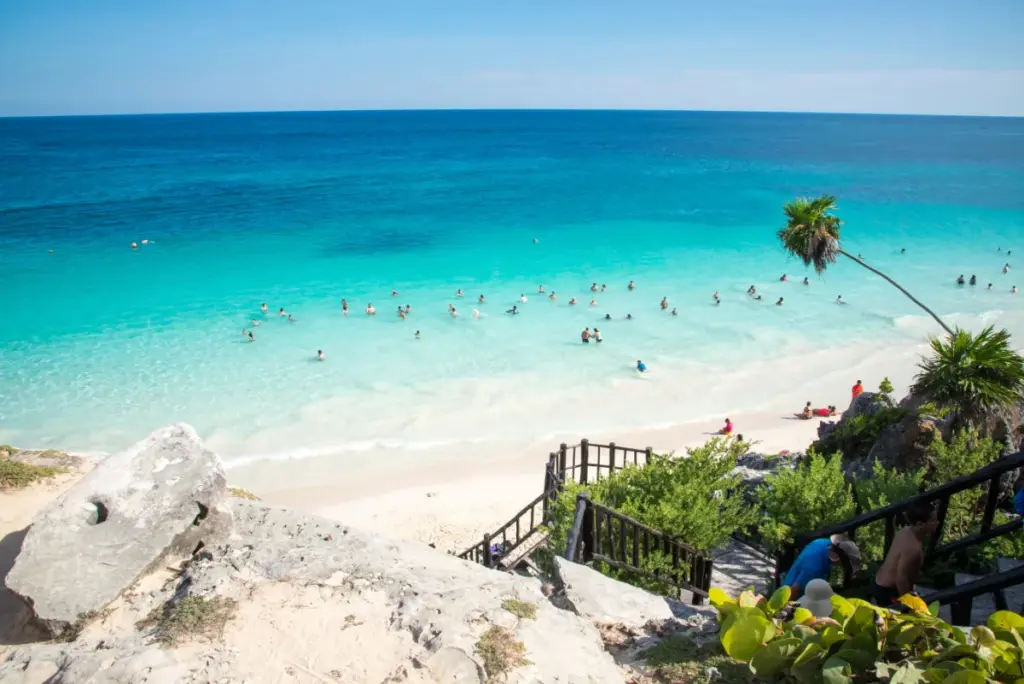
When Parque del Jaguar, or Jaguar Park, first opened, it was intended to be a massive protected natural area that preserved the environment around Tulum’s famous coastal ruins. But for the average tourist and local resident, it quickly became a massive roadblock.
The park’s infrastructure essentially blocked the only access road to some of Tulum’s most popular, historically free public beaches. Travelers who just wanted to walk down to the sand were suddenly forced to pay entry fees simply to pass through the military-run park gates. The pricing structure was confusing and highly controversial, with foreign tourists often finding themselves paying combined fees of up to 500 pesos (nearly 29 dollars) just to cross an arbitrary line to reach the water. It sparked massive protests from locals and left a terrible taste in the mouths of visitors who already felt like they were being price-gouged at every turn.
The Tulum Reborn Plan
Recognizing that the destination is losing its grip on the American travel market, the federal government is finally stepping in to stop the bleeding. On July 17, 2026, Mexico’s President Claudia Sheinbaum visited Tulum to officially announce an emergency initiative called the Tulum Renace, or Tulum Reborn, Plan.
The most significant news from this announcement is that entry to Jaguar Park is now completely free.
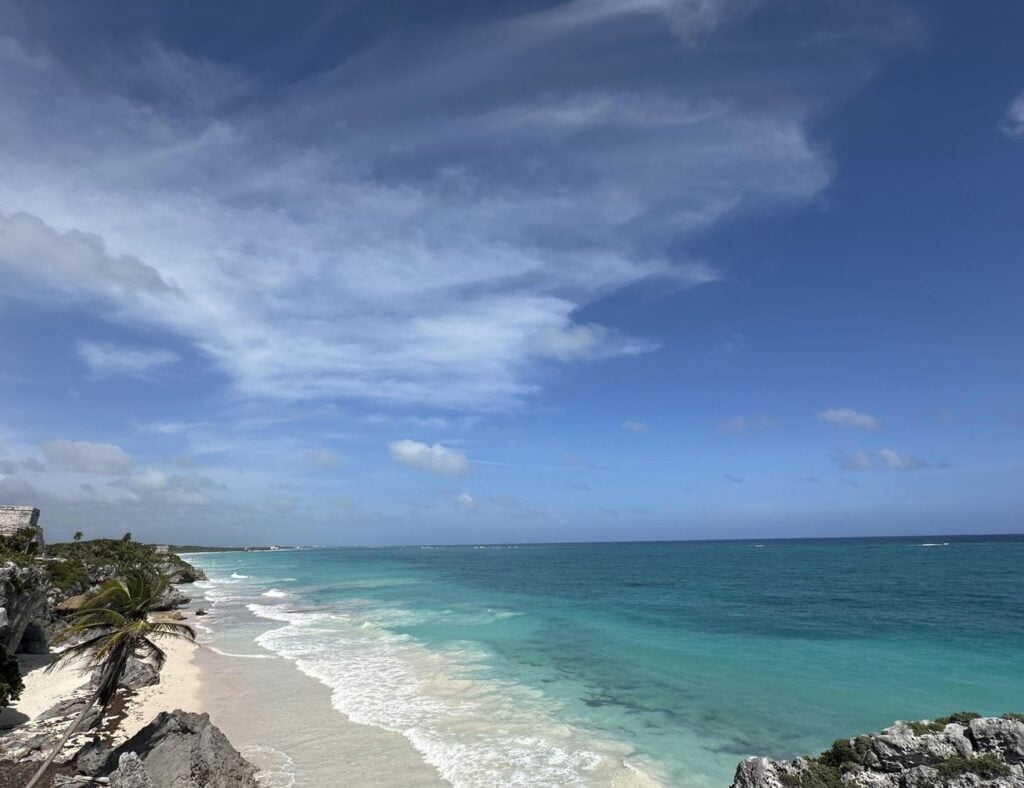
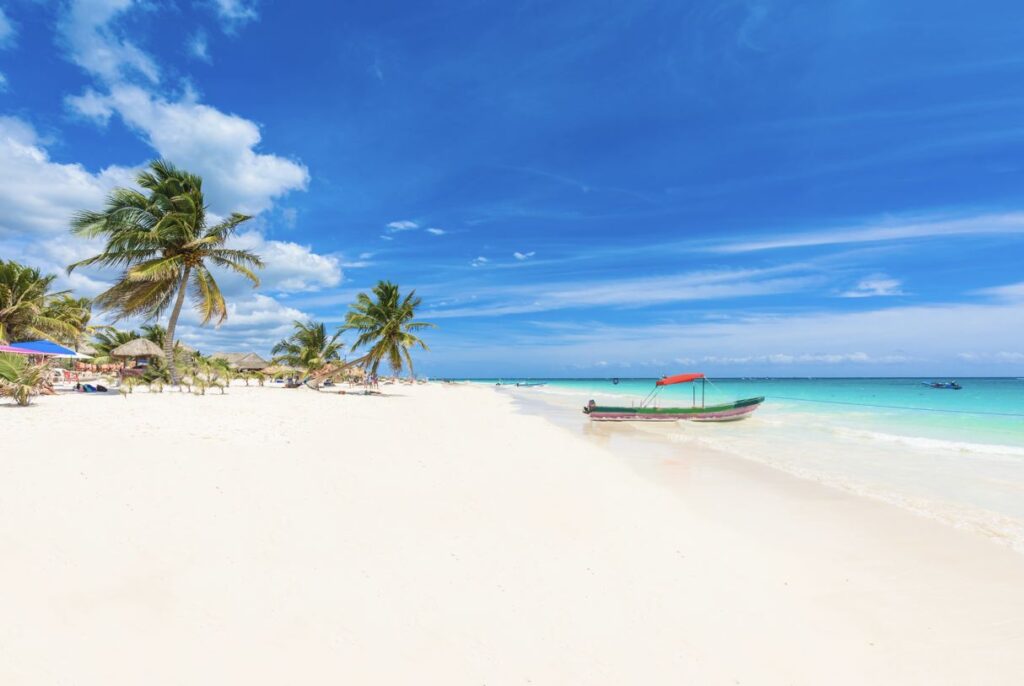
Under these new rules, you can walk right into the park and head directly down to the historic public beaches without having to pay a single peso at the entrance. The paywall blocking the coastline has been completely dismantled. If you prefer not to walk the expansive grounds in the heavy Caribbean heat, the park offers an electric transport system. Riding it will cost just 20 pesos, which functions as a tiny convenience fee rather than a mandatory toll to see the ocean.
What Foreign Tourists Will Pay
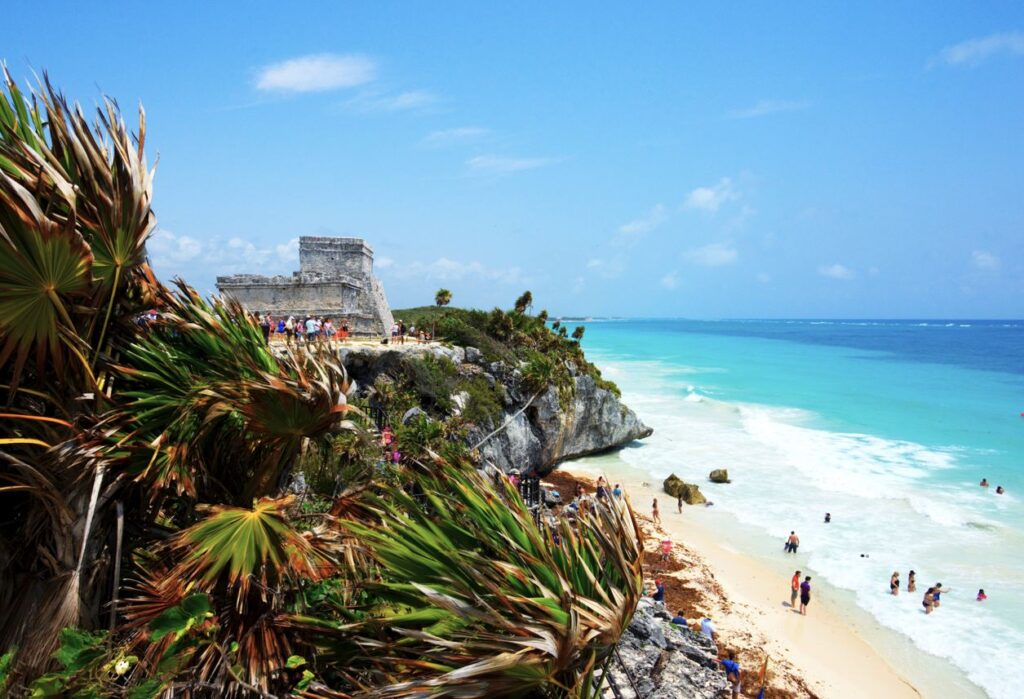
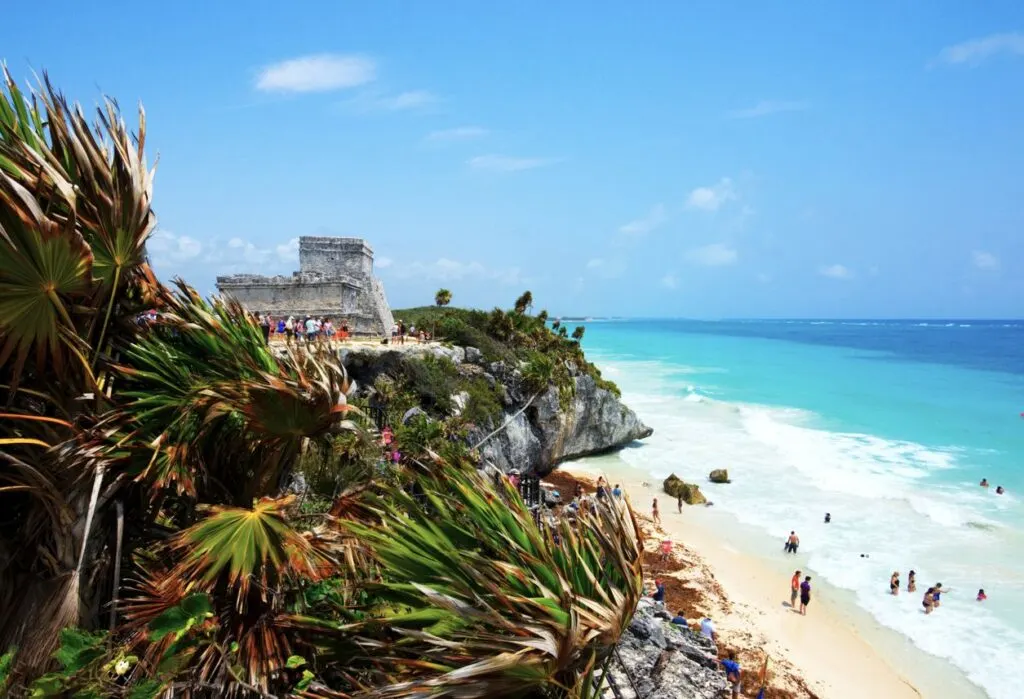
While the general park and the public beaches are now completely free to access, there is still a fee if you want to get up close to the iconic Mayan ruins.
Access to the strictly protected Archaeological Zone and the inner Protected Natural Area still requires a paid ticket. However, the government has officially reduced these prices down to a historic low. Foreign tourists will now pay exactly 265 pesos (roughly 15 dollars) for the complete ruin tour. Mexican nationals will pay 80 pesos, and they can enter for free on Sundays. While you still have to pay to see the ancient structures, this 265-peso rate is a standardized, reasonable fee that directly funds the preservation of the site without the confusing, stacked charges of the past two years.
Major Infrastructure Upgrades

Beyond adjusting the prices to win back travelers, the government is also changing the physical layout of the area to make it much more welcoming and efficient.
President Sheinbaum confirmed that military engineers are currently working to modify the traditional entrance to Jaguar Park. They are replacing the intimidating old bottleneck with a brand-new arch that allows for direct, easy access.
Additionally, a new ecological parking lot is being constructed down at the southern entrance of the park. This is a massive upgrade for anyone who has ever been stuck in the notorious, hours-long traffic jams on the Tulum beach road. Visitors will be able to park their rental cars in the south lot and seamlessly connect to the visitor center, the museum, and the northern area of the park using the electric transport system or by walking.
The Ten-Point Strategy For A Better Experience


The free park entry and the new parking lot are actually just a couple of pieces of a much larger federal strategy. The Secretary of Tourism laid out a ten-point plan designed to completely overhaul the destination’s overall experience for visitors and repair its damaged reputation.
To address ongoing safety concerns and make travelers feel more comfortable, the National Guard is implementing a brand-new model of care specifically focused on looking out for tourists. The government is also rolling out a new public transportation system that promises to completely change how easily people can move around the town without relying on overly expensive taxis. On top of that, they are launching a comprehensive program to boost flight connectivity right from the new international airport straight into downtown Tulum.
They are even stepping in to mandate professional certification for local tourism providers. This ensures that the guides and operators you hire are actually giving you a high-quality, safe experience, which is a huge win for anyone booking snorkeling tours or jungle excursions.
Tulum Reborn Plan
Looking Ahead For Travelers
The Tulum Reborn plan is a clear signal that the highest levels of the Mexican government are finally listening to the complaints that have driven tourists away. By eliminating the highly controversial Jaguar Park entry fees, standardizing the cost of the archaeological zone, and upgrading the physical infrastructure, they are making a strong push to fix the destination.
While airline capacity and shifting travel trends will always impact how many people fly down, making the beaches accessible and affordable again is exactly the kind of massive intervention Tulum needed. For American travelers planning a trip to the Mexican Caribbean, this means you can finally head back to the sand without worrying about unexpected tolls draining your wallet.

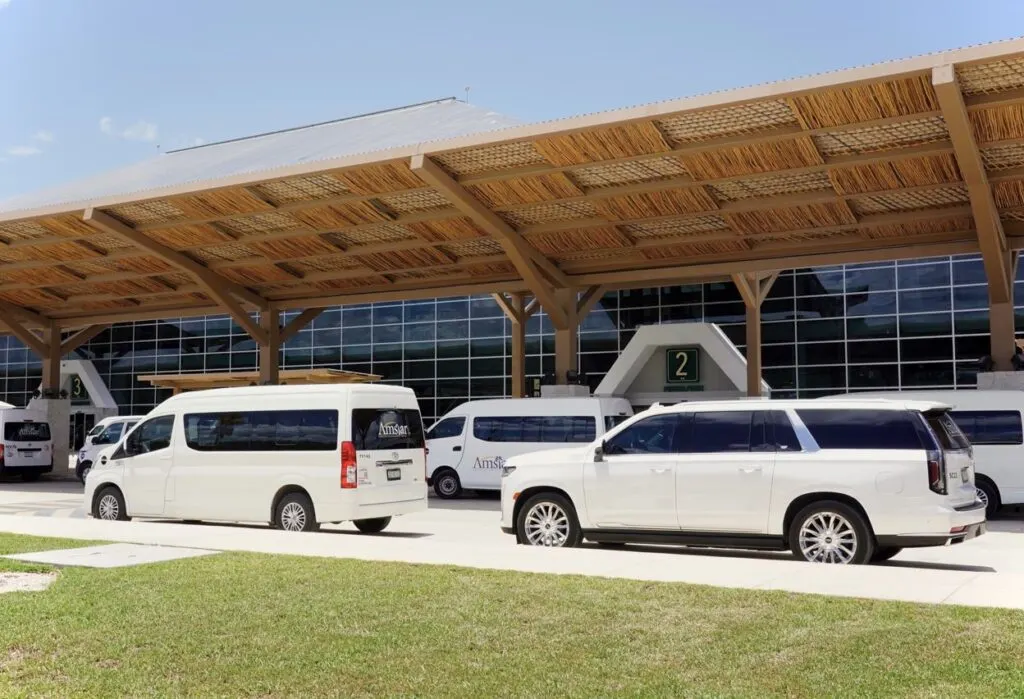
You can pack your bags, book your resort, and actually look forward to enjoying the pristine Caribbean waters without feeling like you are being charged just to look at the ocean. This initiative isn’t just about changing prices; it is about restoring the easygoing, welcoming atmosphere that made this coastal paradise so famous in the first place.
Join Our Cancun Sun Community of 16,000+ Members
Get real-time answers to your travel questions from our team of local experts and thousands of fellow travelers directly inside our interactive group.
Find Your Perfect Cancun & Riviera Maya Resort In Seconds
This simple, powerful tool was built by our on-the-ground experts to match you with the ideal resort for your specific budget and travel style.
The Ultimate Cancun Trip Planner
When’s the best time to go? Our powerful month-by-month guide breaks down the weather, crowds, sargassum, and prices for your perfect trip.
Enter your email address to subscribe to The Cancun Sun’s latest breaking news affecting travelers, straight to your inbox.
el doctor Bob
Saturday 18th of July 2026
You forgot to mention Tren Maya and its transportation difficulties to get to the beach.