
If you are planning a trip to the Mexican Caribbean, you have probably been keeping a close eye on the seaweed situation. With thousands of tons of sargassum washing ashore in 2026, the battle to keep the beaches clean has officially escalated.
The Mexican Navy (Semar) is not messing around this year. They have launched a massive, coordinated military and civilian operation to intercept the algae before it ruins your summer vacation.
Here is a look at exactly what the Navy is doing to protect the coast—and how the seaweed surge is impacting the local communities that rely on tourism.
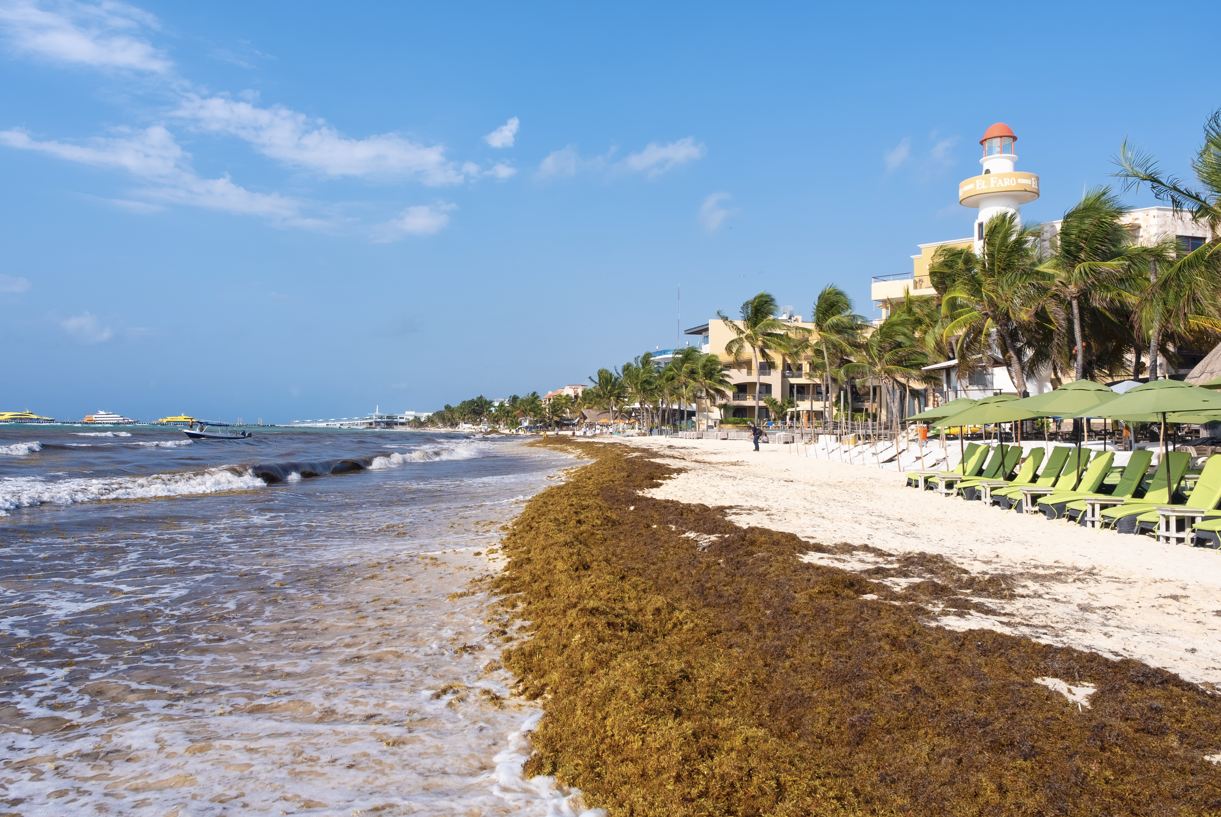
⚓ The 600-Ton Daily Cleanup Mission
To prevent the Riviera Maya from turning into a muddy, brown swamp, the Navy has deployed some serious hardware.
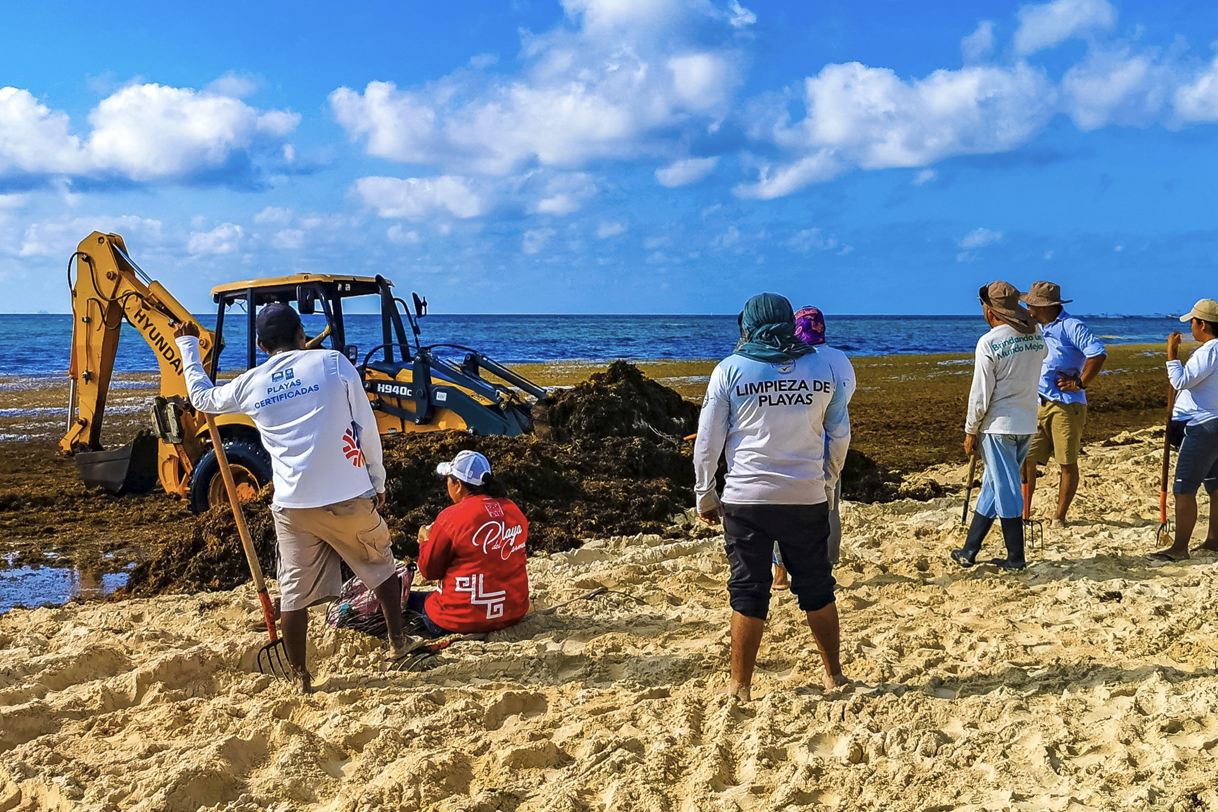
The current operation involves more than 500 personnel, 11 specialized coastal collection vessels, and a massive ocean-going ship known as the Natans.
This heavy-duty ship patrols the water about three miles out to sea, scooping up massive floating mats of algae before they ever have a chance to hit the sand.
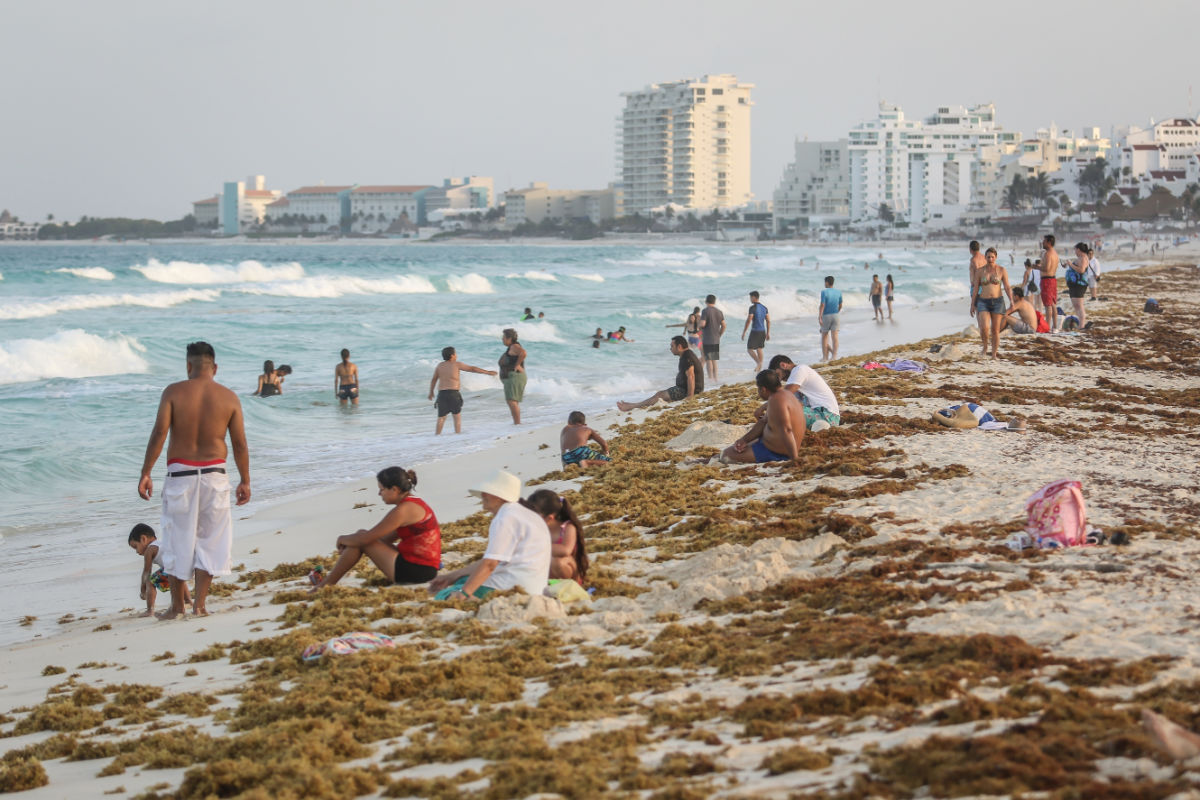
Between the offshore ships and the ground crews, the Navy is currently hauling away more than 600 tons of sargassum every single day. Working alongside local and state authorities, they have already collected a staggering 42,000 tons of seaweed this year alone.
For context, crews collected 90,000 tons in all of 2025, and 2026 is expected to easily surpass that total.
Despite the high-tech satellite monitoring and the massive fleet, the cleanup is an uphill battle. Rear Admiral Topiltzin Flores, who coordinates the strategy, noted that unpredictable winds and shifting maritime currents frequently push new waves of seaweed directly into the coast with little warning.
🏖️ Why Playa del Carmen Is Struggling
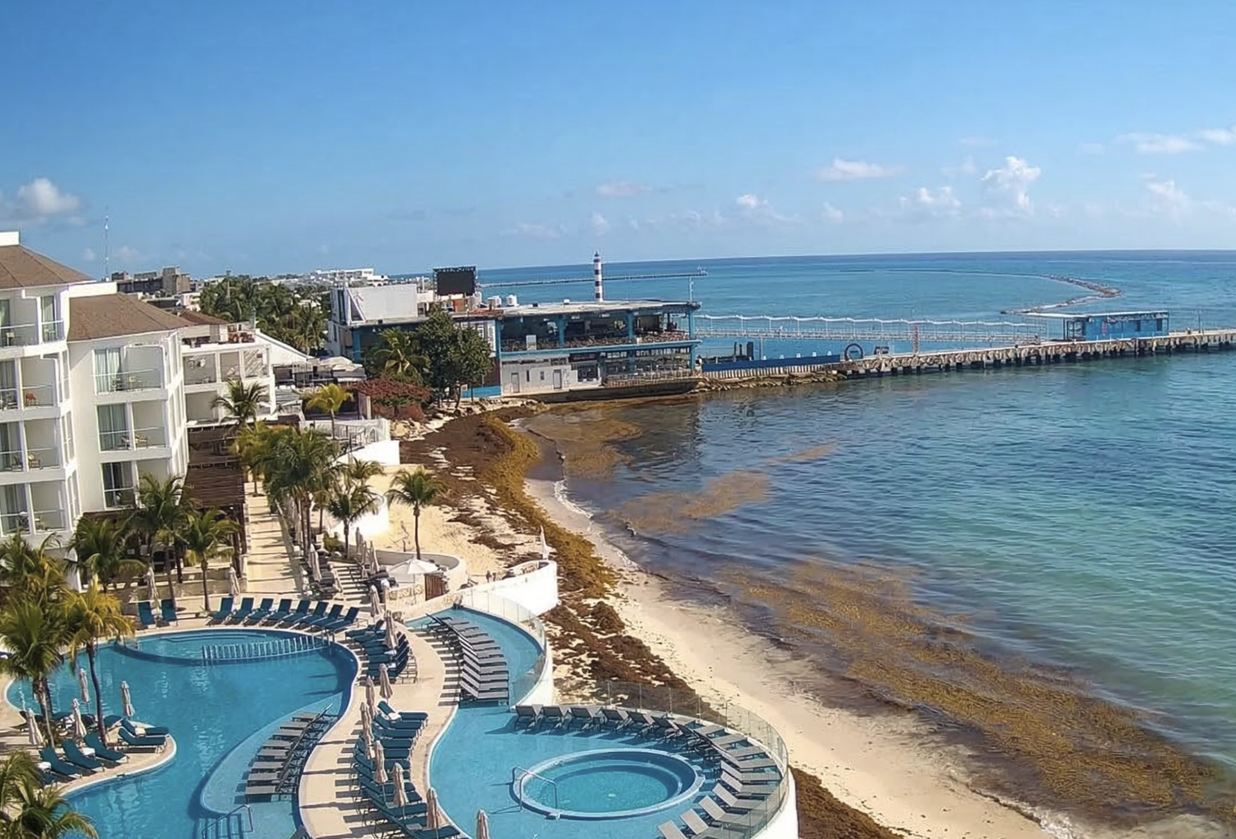
While the entire coastline is dealing with the influx, downtown Playa del Carmen is taking one of the hardest hits.
Because of the natural shape of the coastline and the location of local docks, ocean currents are essentially trapping the sargassum against the shore.
Once it lands, the clock is ticking. Within hours of baking in the hot sun, the seaweed begins to rot, releasing a foul odor that quickly drives tourists out of the water and off the sand.


📉 The Toll on Local Culture and Workers
This environmental headache is causing a serious economic ripple effect for the locals who depend on foot traffic.
At the iconic Maya Portal in Playa Fundadores, the famous pre-Hispanic dancers and Papantla flyers are performing to empty plazas. When the smell of the decomposing seaweed hits the shoreline, tourists simply pack up and leave the area entirely.
Local musicians, like 65-year-old José Platón who normally serenades beachgoers with his guitar, are being forced to abandon the coast and wander inland just to find an audience.
Interestingly, some of the locals view the seaweed invasion as a deeply spiritual event. Ángel Gabriel, one of the traditional dancers, sees the massive influx of algae as a direct message from the earth.
“We will continue to have this problem as long as we pollute and litter. It’s a way for nature to defend itself… when the beach doesn’t want people, it sends these kinds of messages. When it manages to keep people away, the next day, with a little breeze and rain, it leaves the place clean, beautiful, and pure.”
Sargassum Alert
💡 What Travelers Should Do
If you are heading down to the Riviera Maya soon, do not let the seaweed reports cancel your trip! You just need to be strategic:
- Check Daily Reports: Wind patterns change overnight. A beach that was covered in sargassum on Tuesday could be crystal clear by Thursday. You can also check live webcams here.
- Escape to the Islands: Ocean currents naturally protect the west-facing beaches of Cozumel and Isla Mujeres. Hop on a ferry for a guaranteed day of pristine, blue water.
- Head into the Jungle: Skip the ocean completely and spend your afternoons swimming in the region’s famous freshwater cenotes—they are incredibly refreshing and completely seaweed-free!
The Ultimate Cancun Trip Planner
When’s the best time to go? Our powerful month-by-month guide breaks down the weather, crowds, sargassum, and prices for your perfect trip.
Find Your Perfect Cancun & Riviera Maya Resort In Seconds
This simple, powerful tool was built by our on-the-ground experts to match you with the ideal resort for your specific budget and travel style.
Subscribe to our Latest Posts
Enter your email address to subscribe to The Cancun Sun’s latest breaking news affecting travelers, straight to your inbox.