
If you have been monitoring the beach webcams in the Mexican Caribbean lately, the scientific community just confirmed what your eyes are already telling you.
According to oceanographers and researchers using advanced satellite tracking, 2026 is officially on track to be a record-breaking year for sargassum seaweed. Driven by unusually warm ocean waters, the massive algae blooms are completely altering the summer travel landscape across the Yucatan Peninsula.
Here is a breakdown of the latest scientific data and what this unprecedented seaweed surge means for your upcoming Cancun vacation.
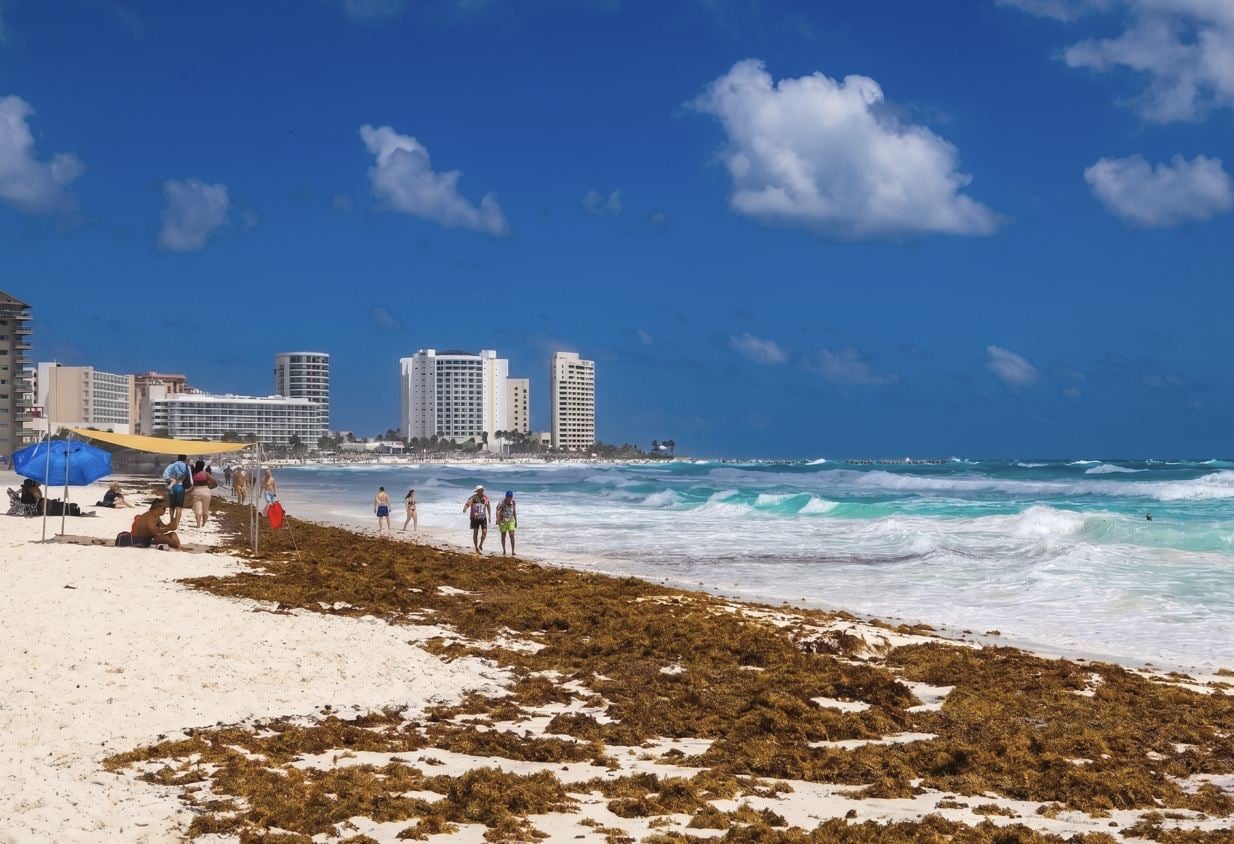
📈 An Unprecedented, Early Start
Typically, the sargassum season in the Caribbean runs from March through October.
However, because of abnormally high sea surface temperatures, the 2026 season kicked off a full three months early in January.
Researchers at the University of South Florida’s Optical Oceanography Laboratory report that April and May completely shattered previous historical records for algal growth. By April alone, the state of Quintana Roo had already been forced to extract a staggering 25,000 metric tons of sargassum from its coastlines.
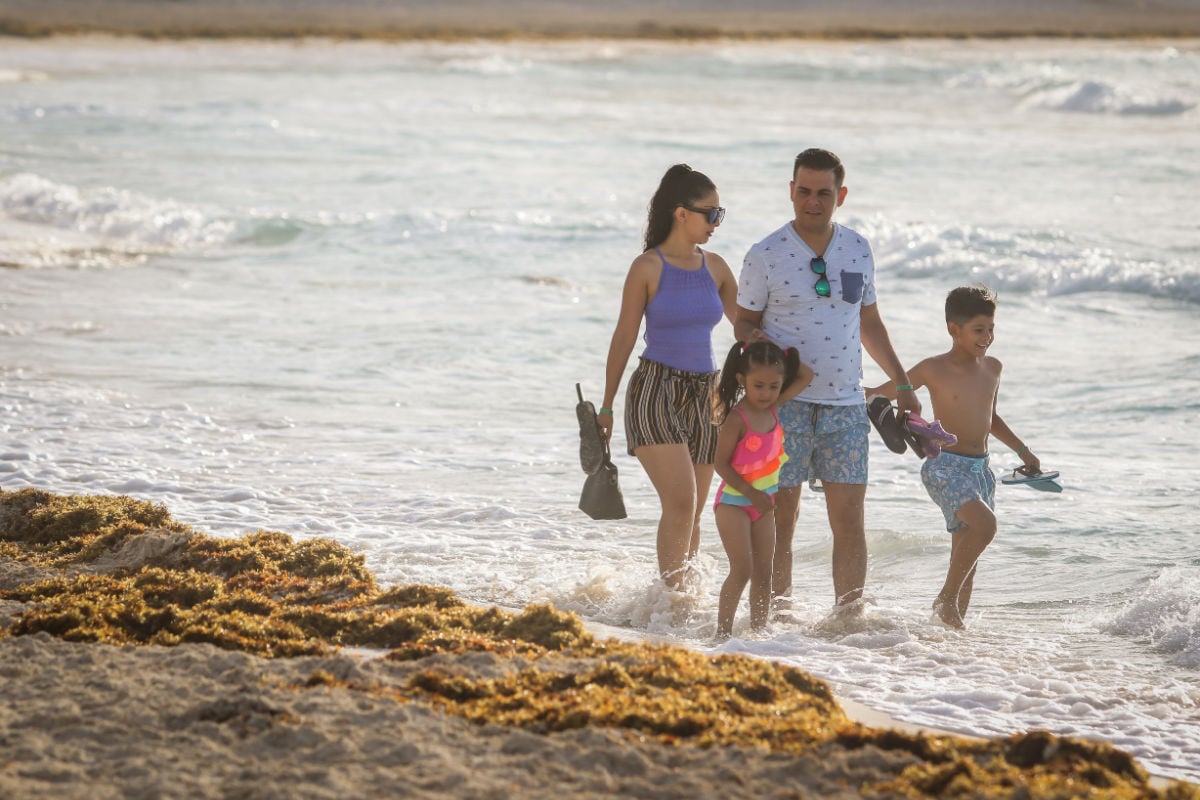
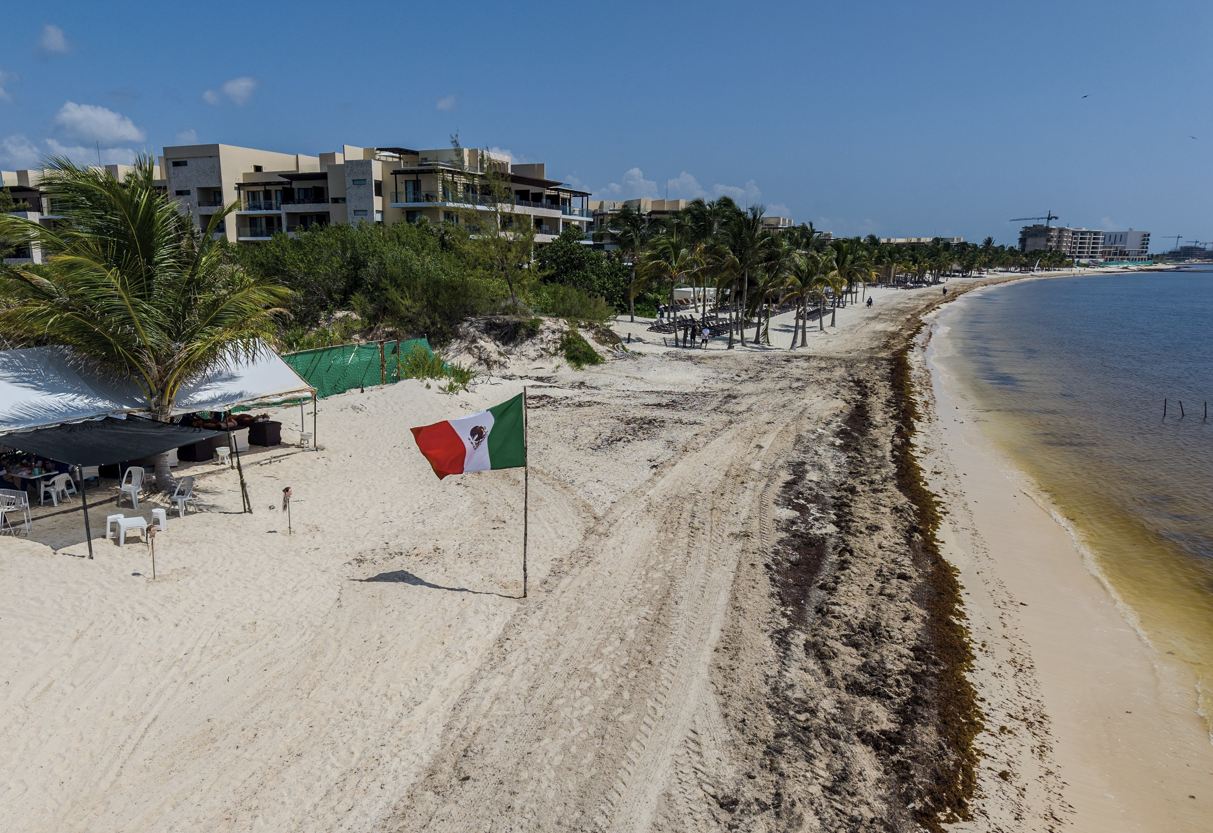
🔴 The Rise of the “Red Zones”
Because of the overwhelming volume washing ashore, local authorities have already designated at least 15 popular beaches as critical “red zones.” These are areas where the algae accumulation is so severe that it requires heavy machinery and maximum municipal cleanup efforts just to maintain basic access to the sand.
Unfortunately, the tracking data shows no signs of the invasion slowing down.
Scientists recently detected three massive new clumps growing throughout the Atlantic basin, with the “Western Caribbean mass” positioned to drift directly along the coast of the Yucatan Peninsula throughout June and into the summer.
⚠️ It Is Not Just an Eyesore—It Is a Health Hazard
While most travelers complain about the ruined photos and the inability to swim, the Environmental Protection Agency (EPA) is warning about actual physical health risks.
When massive piles of sargassum bake in the tropical sun, the decaying process produces ammonia and hydrogen sulfide (the gas responsible for the signature “rotten egg” smell).
Prolonged exposure to these toxic emissions can lead to respiratory irritation, neurological issues, and cardiovascular impacts. If you arrive at a beach that smells overwhelmingly foul, it is highly recommended to pack up your towel and head elsewhere.
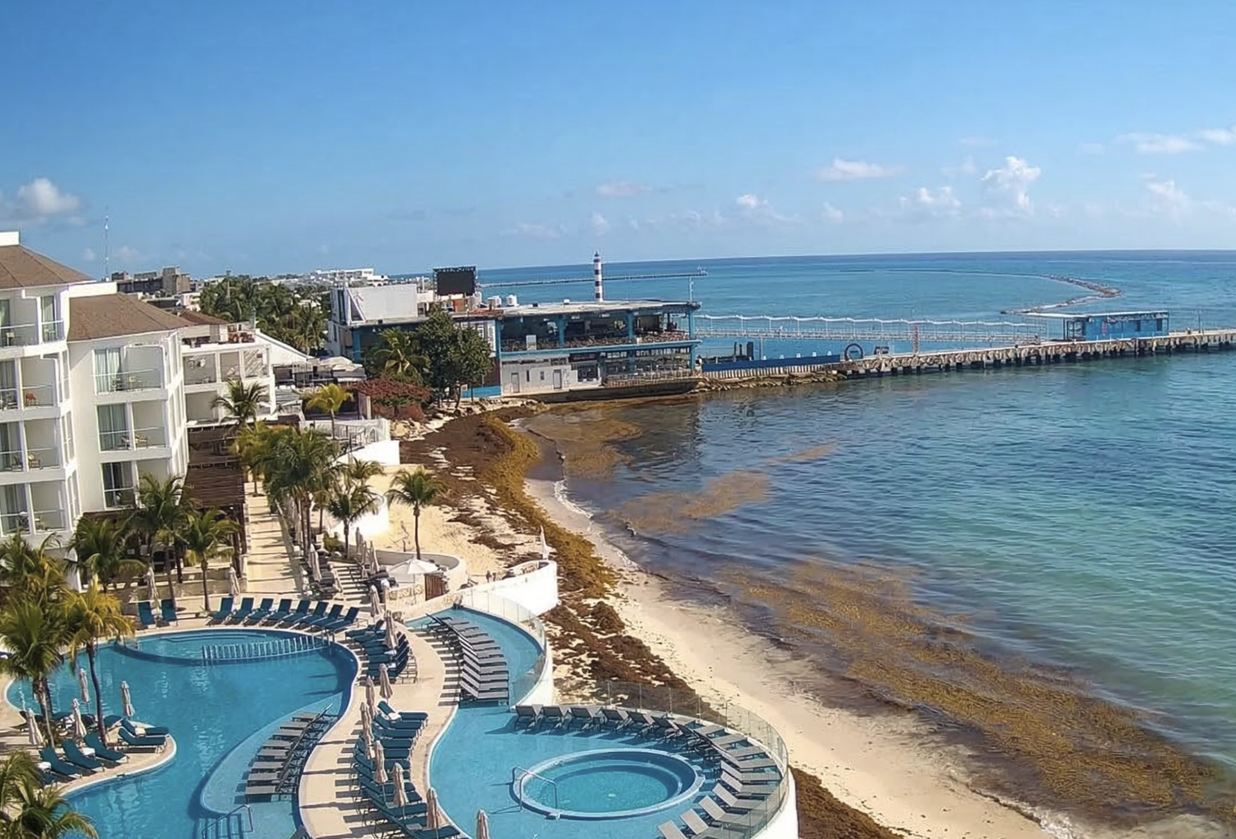
🏖️ How to Pivot Your Vacation Plans
A record-breaking sargassum year does not mean your Cancun trip is ruined, but it does mean you need to be flexible.
- Skip the Mainland: Ferries to Isla Mujeres and the western (leeward) side of Cozumel remain naturally shielded from the incoming Atlantic currents, meaning their beaches are still crystal-clear.
- Head into the Jungle: Swap the ocean for the Yucatan’s famous cenotes—freshwater sinkholes that are 100% immune to ocean algae.
- Upgrade Your Pool Day: Spend a little extra on a luxury cabana at your resort’s rooftop or infinity pool to enjoy the Caribbean sunshine without stepping foot in the seaweed.
The Ultimate Cancun Trip Planner
When’s the best time to go? Our powerful month-by-month guide breaks down the weather, crowds, sargassum, and prices for your perfect trip.
Find Your Perfect Cancun & Riviera Maya Resort In Seconds
This simple, powerful tool was built by our on-the-ground experts to match you with the ideal resort for your specific budget and travel style.
Subscribe to our Latest Posts
Enter your email address to subscribe to The Cancun Sun’s latest breaking news affecting travelers, straight to your inbox.