
The Mexican Caribbean is world-renowned for its turquoise waters, powder-white sand, and vibrant nightlife.
After a warm day soaking up the sun or enjoying dinner and drinks in Cancun’s Hotel Zone, the idea of stepping into the gentle, moonlit waves for a late-night swim can feel like a romantic and magical way to wrap up the evening.
However, municipal authorities in Cancun are issuing a stern warning to international visitors and local beachgoers alike: entering the ocean after dark is a dangerous gamble that far too many tourists are taking.

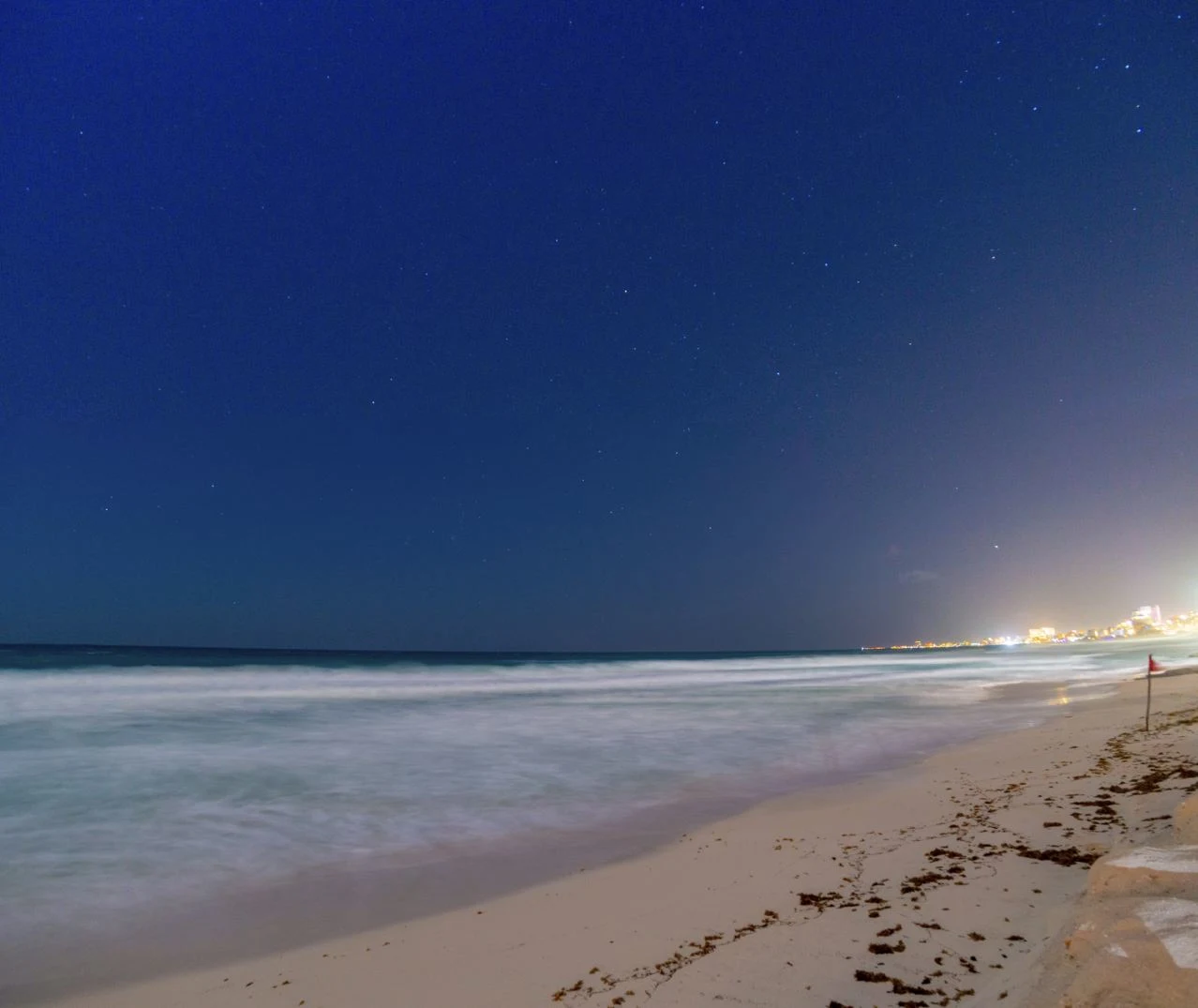
Following a series of recent incidents and alarming observations on popular public beaches, emergency services have ramped up their warning efforts.
Local officials are urging travelers to understand the severe natural hazards that emerge once the sun goes down and to respect the official beach schedules designed to keep everyone safe.
Fire Department Steps In as Nighttime Swimming Rises
The issue has reached a point where municipal emergency agencies have had to alter their daily operations to prevent potential drownings.
According to Óscar Aguilar Aceves, director of the Fire Department for the municipality of Benito Juárez, authorities regularly encounter at least 40 bathers entering the water after dark across Cancun’s public coastlines every single night.
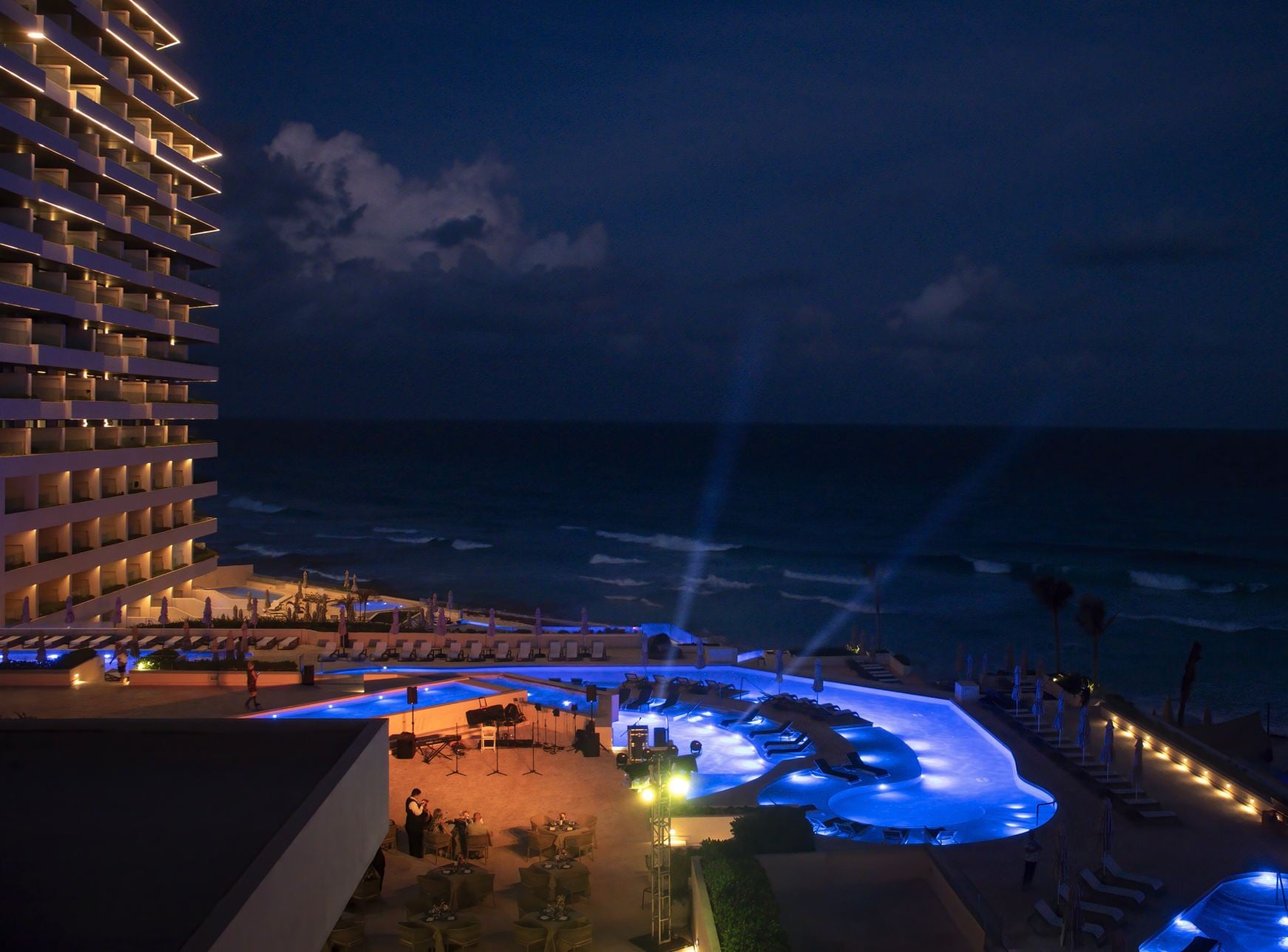
To combat this trend, local authorities have instituted targeted patrols operating between 7:00 PM and 9:00 PM along high-traffic stretches of coast.
These evening sweeps focus heavily on Cancun’s most iconic and densely populated public beaches, particularly Playa Delfines and Playa Gaviotas. During these hours, teams of fire department personnel and municipal officers walk the shoreline to approach individuals in the water and inform them of the extreme risks.
Officials emphasize that these evening patrols do not function as active lifeguard coverage. Instead, they serve as a critical preventive safety sweep aimed at warning visitors that official lifeguard services have ended for the day and that remaining in the surf poses a direct threat to life.

The Coverage Gap: Lifeguard Shifts and Beach Closures
Under standard operations, Cancun’s professional lifeguards monitor public beaches from 9:00 AM to 5:00 PM. During peak summer holiday seasons, municipal authorities extend these hours until 7:00 PM to accommodate the larger crowds enjoying the long daylight hours.
However, once 7:00 PM arrives, the lifeguards officially end their shifts, pack up their equipment, and leave the towers.
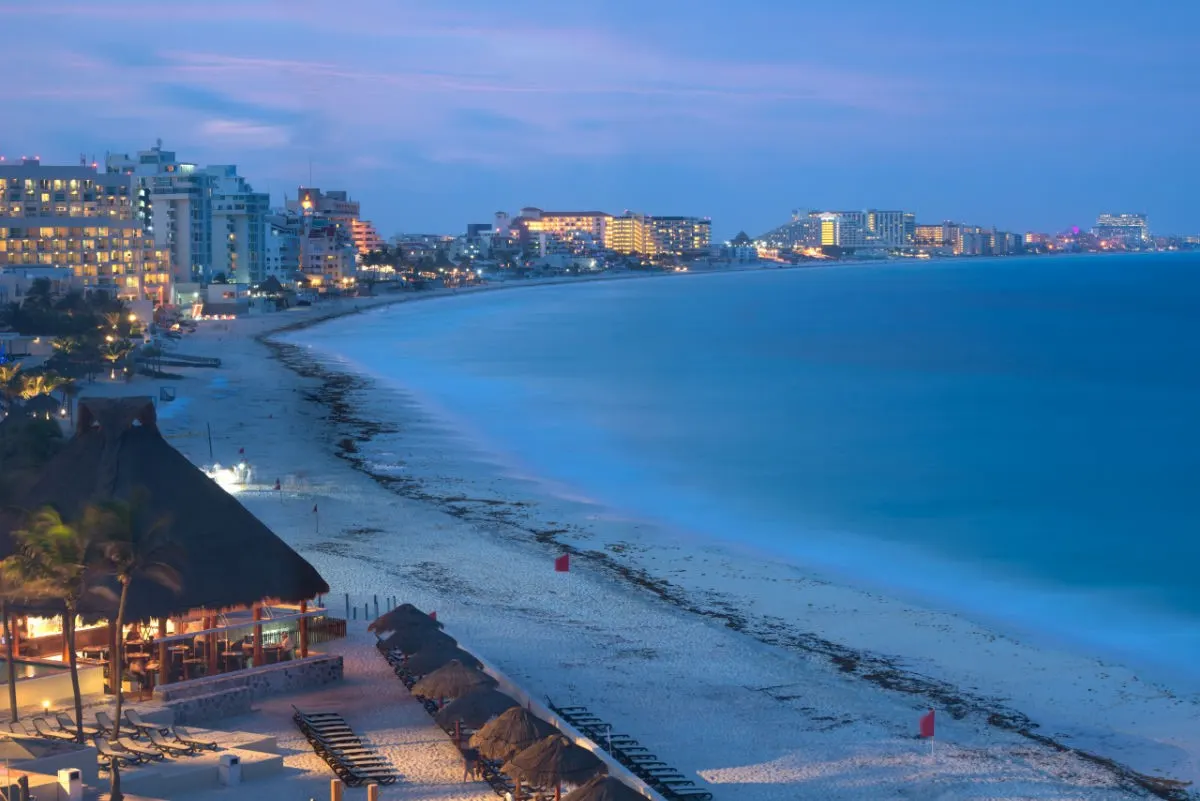
Before departing, lifeguards place prominent red flags along the sand. In the universal beach safety system, a red flag signals a high-hazard environment where entering the water is strictly prohibited or strongly advised against due to dangerous sea conditions or a complete lack of rescue personnel on duty.

Despite these clear visual warnings and verbal announcements made by departing staff, dozens of beachgoers continue to slip into the water immediately after lifeguards leave. Many tourists falsely assume that because the water felt calm during the afternoon, it remains equally safe throughout the night.
The Invisible Enemy: Rapid Rip Currents
The primary physical danger confronting nighttime swimmers in Cancun is the invisible force of rip currents. A rip current is a narrow, powerful channel of fast-moving water that flows swiftly away from the shore, cutting through the breaking waves and extending out into deeper ocean water. These currents form when water built up near the beach by incoming waves seeks the path of least resistance to flow back into the sea.
In the waters off Cancun’s Hotel Zone, rip currents can reach speeds exceeding 8 kilometers per hour (roughly 5 miles per hour). To put that into perspective, this speed is faster than even Olympic swimmers can sprint in a pool. A swimmer caught in a rip current can be pulled hundreds of yards out into the open ocean in a matter of seconds.

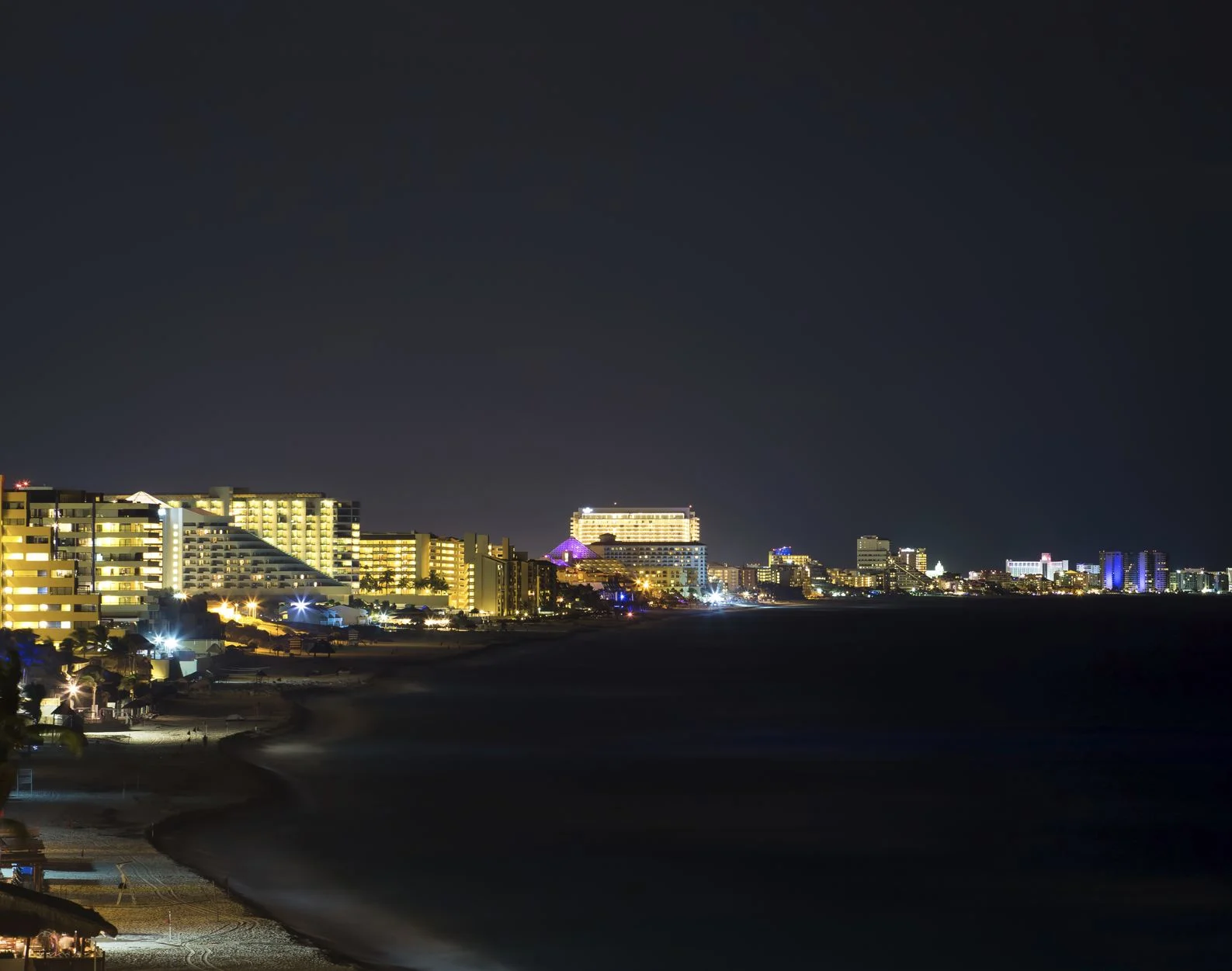
While fighting a rip current during the day is difficult enough, experiencing one at night is exponentially more terrifying and dangerous. In the pitch-black darkness, swimmers lose all visual orientation with the coastline. It becomes nearly impossible to identify which direction the current is pulling or where the safety of the shore lies. Furthermore, panic sets in rapidly in dark, open ocean waters, quickly exhausting a swimmer’s energy and dramatically increasing the risk of drowning.
Compounding Factors: Alcohol and Inappropriate Clothing
The danger of nighttime swimming in Cancun is frequently compounded by human behavior. Local authorities report that a significant percentage of tourists entering the water late at night are doing so while intoxicated.
Following evening dinners, open-bar resort events, or visits to the Hotel Zone’s nightlife venues, alcohol severely impairs physical coordination, muscle response, reaction times, and critical risk assessment. An intoxicated swimmer is far less capable of treading water, swimming against a surge, or maintaining composure when caught in a sudden wave.

Additionally, officials note that many nighttime bathers enter the ocean without wearing proper swimwear. It is common for individuals to wade into the surf wearing heavy street clothes, denim jeans, or long dresses after a night out.
When soaked with ocean water, these fabrics become extremely heavy, dragging the swimmer downward and restricting their limb movement, making swimming or floating significantly harder.
Enjoying Cancun Safely
Cancun authorities are not looking to ruin vacation fun; their goal is to ensure that every traveler returns home safely. Visitors are strongly advised to adhere to a few fundamental rules during their stay:
- Obey Beach Hours: Limit all ocean swimming to the official lifeguard window between 9:00 AM and 7:00 PM during peak season.
- Respect Flag Warnings: Never enter the water when red or black flags are displayed on the beach.
- Never Swim Intoxicated: Save the ocean dips for the day and stay clear of the surf after drinking.
- Choose Safe Nighttime Alternatives: If you want to swim after dark, stick to your resort’s lighted swimming pool or designated evening hot tubs where the environment is controlled and clear.
By taking the ocean seriously and respecting local safety guidelines, tourists can enjoy the unrivaled beauty of Cancun without putting their lives at risk.
Join Our Cancun Sun Community of 16,000+ Members
Get real-time answers to your travel questions from our team of local experts and thousands of fellow travelers directly inside our interactive group.
Find Your Perfect Cancun & Riviera Maya Resort In Seconds
This simple, powerful tool was built by our on-the-ground experts to match you with the ideal resort for your specific budget and travel style.
The Ultimate Cancun Trip Planner
When’s the best time to go? Our powerful month-by-month guide breaks down the weather, crowds, sargassum, and prices for your perfect trip.
Enter your email address to subscribe to The Cancun Sun’s latest breaking news affecting travelers, straight to your inbox.