
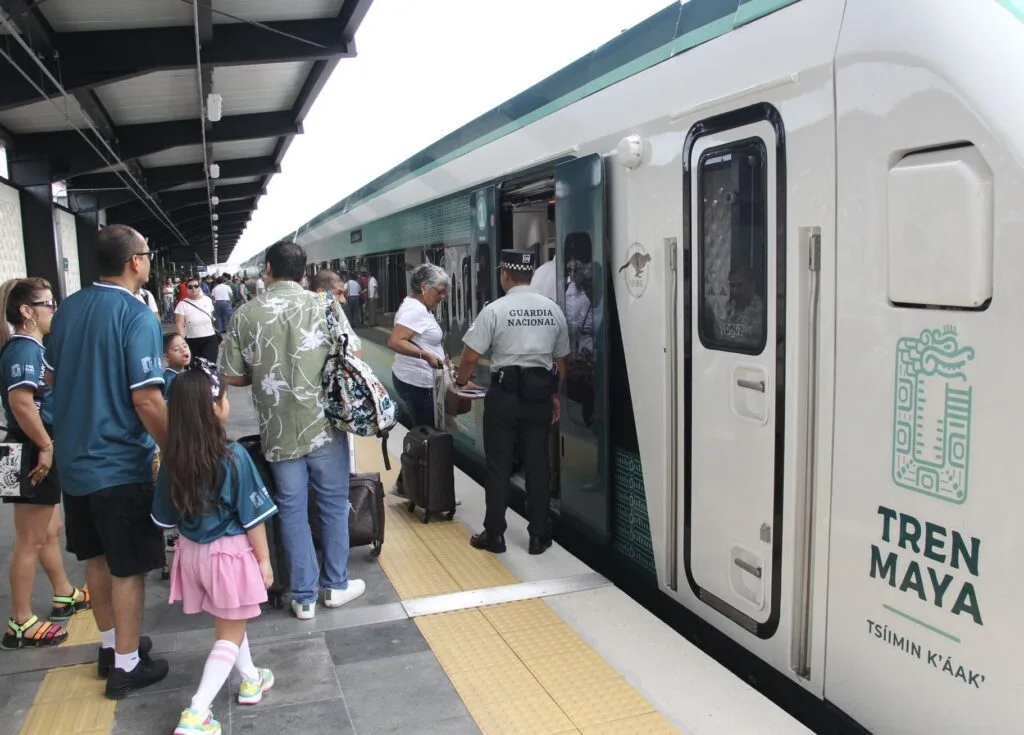
If you have tickets booked for the Maya Train during your upcoming Mexican Caribbean vacation, you might be keeping a close eye on the headlines this week.
On Monday afternoon, a passenger train suffered a high-profile derailment shortly after pulling out of a station in Campeche, forcing a complete evacuation of everyone on board. While no one was hurt, the incident has triggered an official government investigation and immediately reignited fierce debates over the long-term safety and environmental impact of the massive railway project.
The reality of building a 1,500-kilometer rail network through dense jungle and fragile coastal ecosystems is incredibly complex. For travelers trying to decide if the train is a safe, viable option for getting between their resort and the ancient ruins, here is exactly what went wrong this week and what it means for your travel plans.
What Exactly Happened in Campeche?
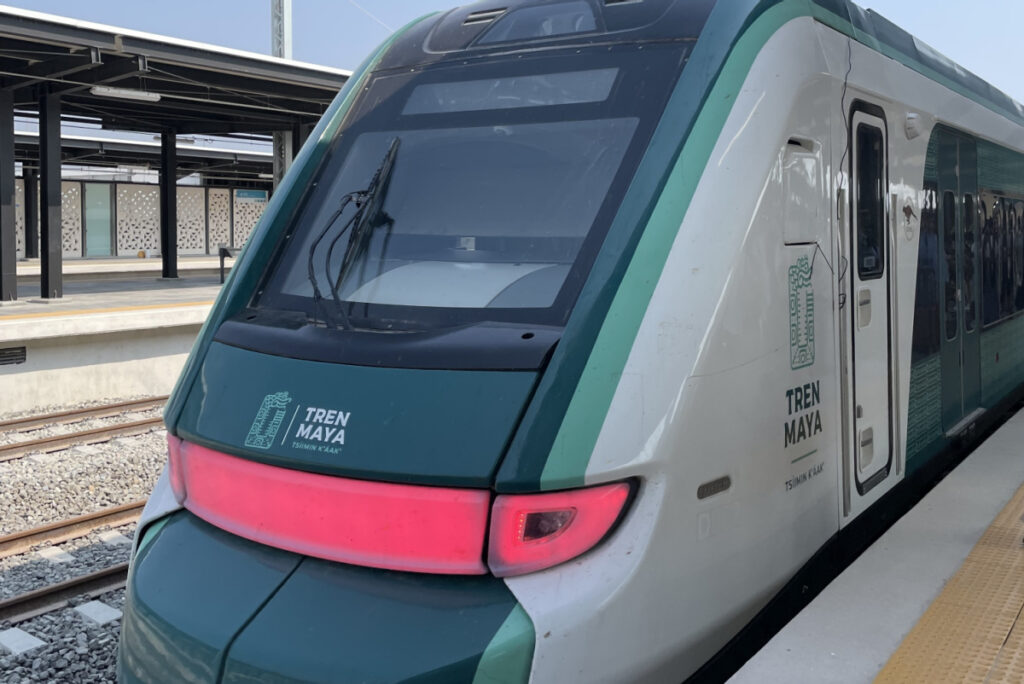
The incident kicked off on Monday, August 31, around 3:30 p.m. A Maya Train convoy operating on the sprawling Cancun-Palenque route had just departed from the San Francisco de Campeche station. According to official reports, the train made it barely 50 meters down the track when the rear car completely slipped off the rails.
Fortunately, the train’s engineer noticed the track fault immediately and brought the heavy machinery to a dead stop before the situation escalated. All 123 passengers on board were completely unharmed. Railway personnel kept everyone on the train while they assessed the damage, passing out water and food to keep people comfortable in the heavy afternoon heat.
By 4:00 p.m., crews safely evacuated the passengers and loaded them onto a fleet of shuttle buses. They were transported by road to the nearby Edzná station, where they simply boarded a different train and continued their journey. Following the derailment, the Railway Accident Investigation Commission officially stepped in to determine exactly what caused the mechanical failure, classifying the event as a serious track incident.
A Pattern of Growing Pains
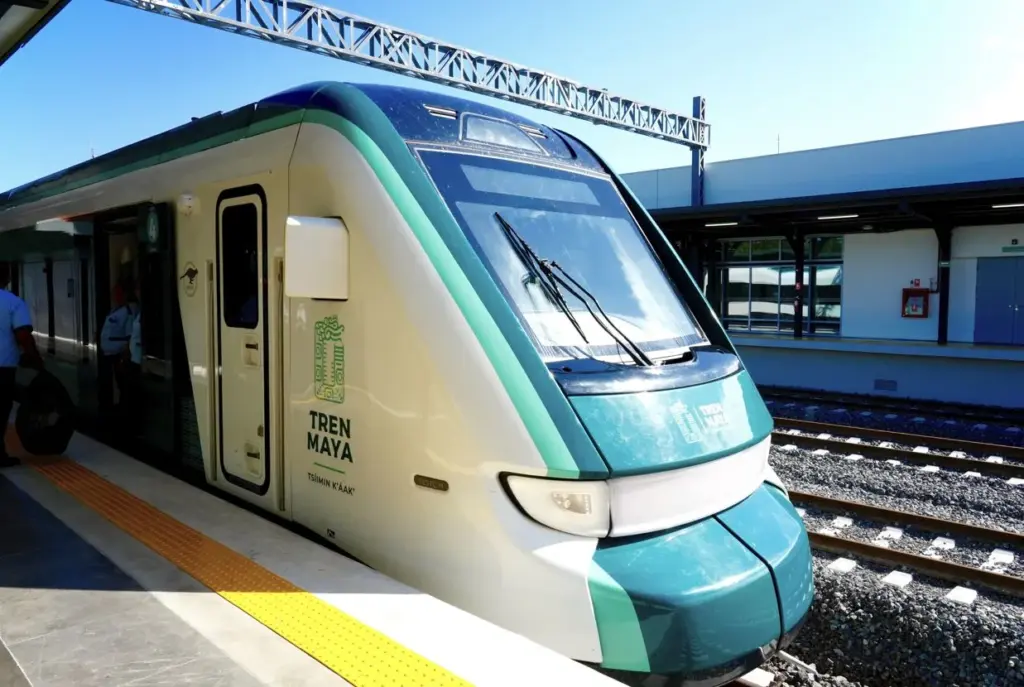
While everyone walked away safe, this isn’t the first time the Maya Train has struggled to stay on the tracks. Monday’s event marks at least the third high-profile derailment since the highly ambitious project officially launched passenger service in December 2023, following similar track-switching mishaps near Tixkokob and Izamal.
Beyond the derailments, the railway has logged dozens of minor electrical faults that have occasionally left convoys stranded without power for hours.
Building a high-speed rail line through the brutal heat, humidity, and challenging terrain of the Yucatan Peninsula is an engineering nightmare, and the system is clearly still working through some aggressive growing pains.
Why Environmentalists Are Sounding The Alarm
While tourists might just see a delayed travel itinerary, local environmental groups see a terrifying warning sign. The Campeche derailment immediately reignited fierce protests from activists in Playa del Carmen, who have spent years warning about the extreme ecological fragility of the region.
José Urbina Bravo, the founder of the prominent environmental collective Sélvame MX, heavily stressed that while they are relieved no passengers were hurt, the mechanical failures validate their biggest fears. The primary concern is not necessarily the passenger cars, but the massive freight trains scheduled to start running soon.
The government plans to launch heavy freight service on Section 5 South—the highly controversial stretch of track connecting Playa del Carmen to Tulum. This specific area is built over incredibly fragile karst soil, an unstable limestone crust sitting directly above the region’s massive underground rivers and cenotes. To stabilize the track, engineers had to drive thousands of massive steel and concrete piles directly into the aquifer, a controversial strategy often referred to as a “bed of nails.”
Urbina Bravo stated that it is difficult to be certain a tragedy will not occur given the existing structural issues. The terrifying reality for these environmentalists is the prospect of a heavy freight train carrying industrial fuel suffering a similar derailment over Section 5 South. A fuel spill in that specific zone would dump directly into the porous limestone, instantly contaminating the fragile underground aquifer that supplies the entire Riviera Maya with fresh water.
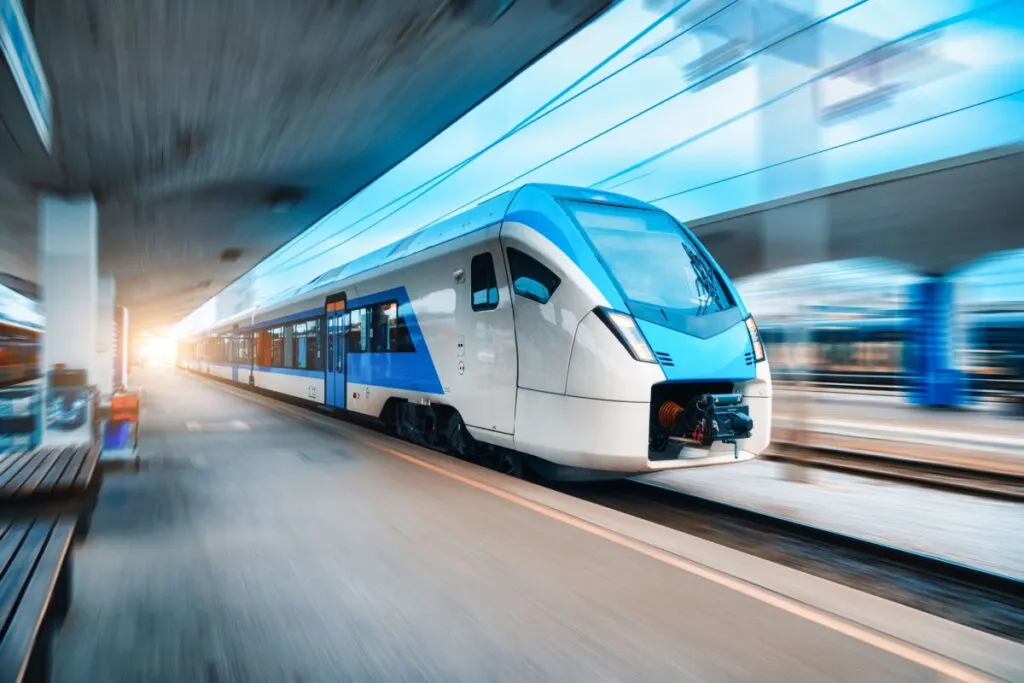
The Good News for Riviera Maya Tourists
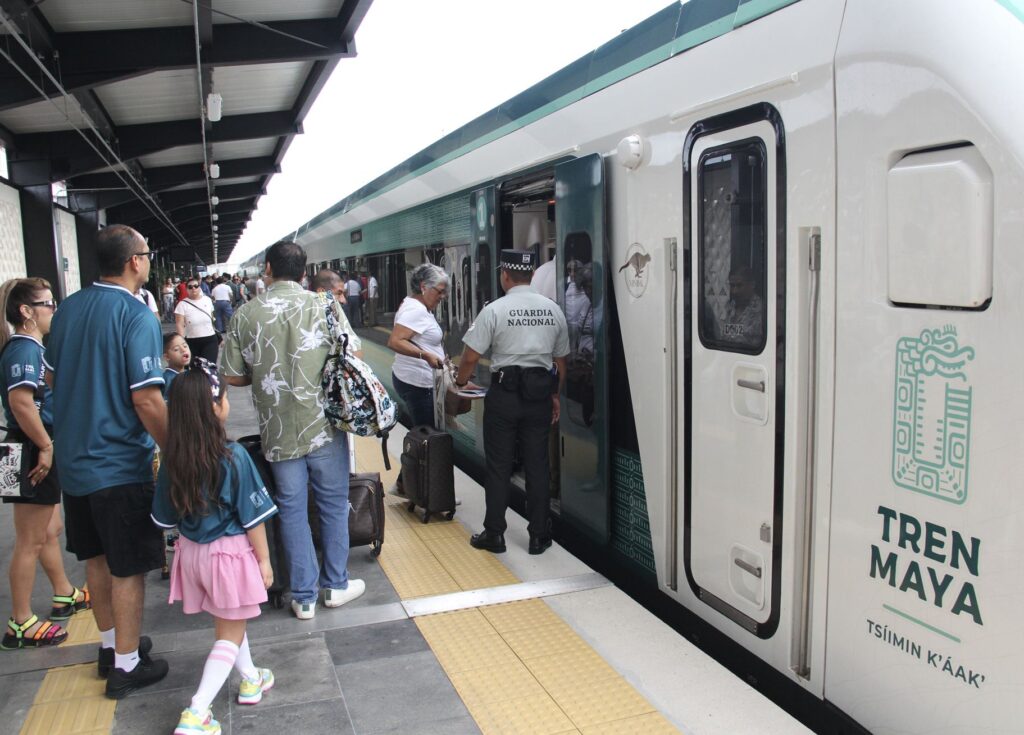
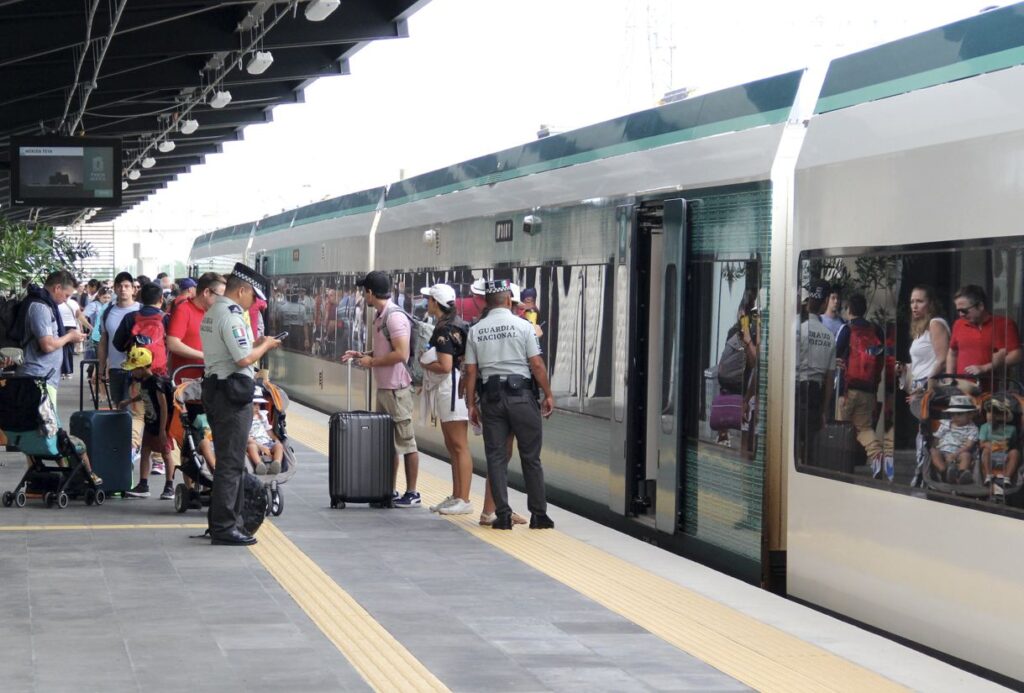
If you are planning to ride the train purely within the main tourist zones, you can take a deep breath. Despite the headlines, the absolute busiest stretch of the railway—the coastal route connecting the Cancun International Airport directly down to Playa del Carmen—has operated completely normally.
This specific northern section handles the vast majority of international tourists and has successfully avoided the sinking piles and derailment issues plaguing the deeper jungle routes. If you just want to skip the highway traffic and take a smooth, air-conditioned ride from your Cancun flight down to your Playa del Carmen resort, the system remains a highly efficient and safe option.

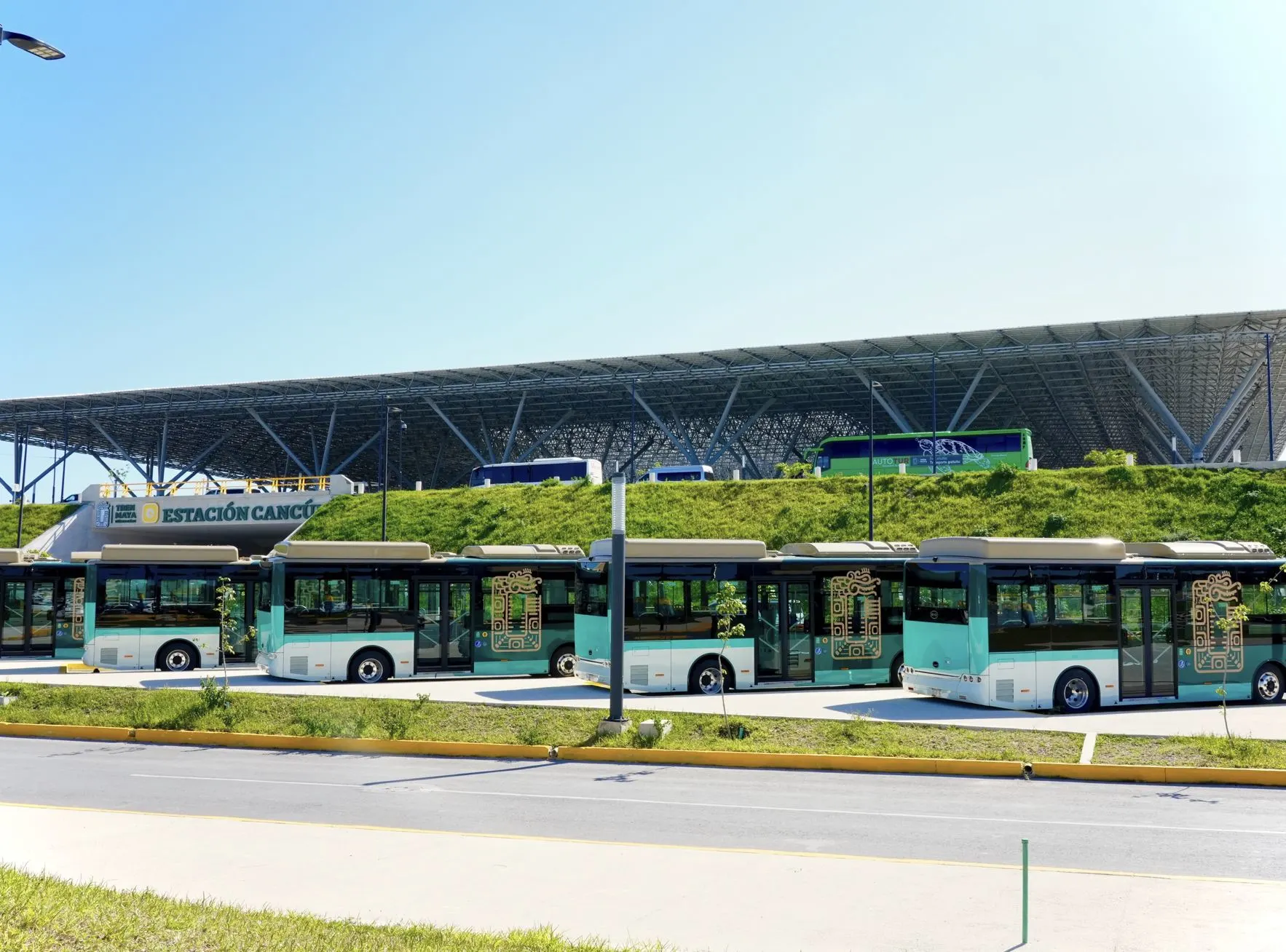
Pro Tips for Riding the Maya Train Right Now
If you have tickets booked for the deeper routes heading toward Mérida, Palenque, or Campeche, you don’t need to cancel your trip, but you should absolutely travel smart. Keep these tactics in mind:
- Build Flexibility Into Your Schedule: Do not book a train ticket on the exact same day as your departing international flight. If the train experiences an electrical fault or a track delay in the deep jungle, you will miss your flight. Always plan to be back in your departure city a full day early.
- Pack Heavy on Snacks and Water: While the trains feature dining cars, a mechanical delay could leave you sitting on the tracks for a few hours. Always throw a couple of large water bottles and solid snacks into your carry-on before boarding.
- Travel Extremely Light: If a train does get delayed and you have to transfer to a shuttle bus on the highway, lugging a massive 50-pound hardshell suitcase is a nightmare. Stick to a sleek, easily manageable travel backpack so you can pivot quickly if the logistics change.
- Download Offline Maps: Cell service gets incredibly spotty once you leave the main resort zones. Download your route on Google Maps for offline use so you always know exactly where you are, even if the train comes to an unexpected halt in the middle of the jungle.
The Maya Train remains one of the most ambitious infrastructure projects in Mexican history. While the system is actively working through some incredibly tough mechanical hurdles, thousands of passengers are still riding it safely every single week to explore the absolute best the peninsula has to offer.
Join Our Cancun Sun Community of 16,000+ Members
Get real-time answers to your travel questions from our team of local experts and thousands of fellow travelers directly inside our interactive group.
Find Your Perfect Cancun & Riviera Maya Resort In Seconds
This simple, powerful tool was built by our on-the-ground experts to match you with the ideal resort for your specific budget and travel style.
The Ultimate Cancun Trip Planner
When’s the best time to go? Our powerful month-by-month guide breaks down the weather, crowds, sargassum, and prices for your perfect trip.
Enter your email address to subscribe to The Cancun Sun’s latest breaking news affecting travelers, straight to your inbox.