
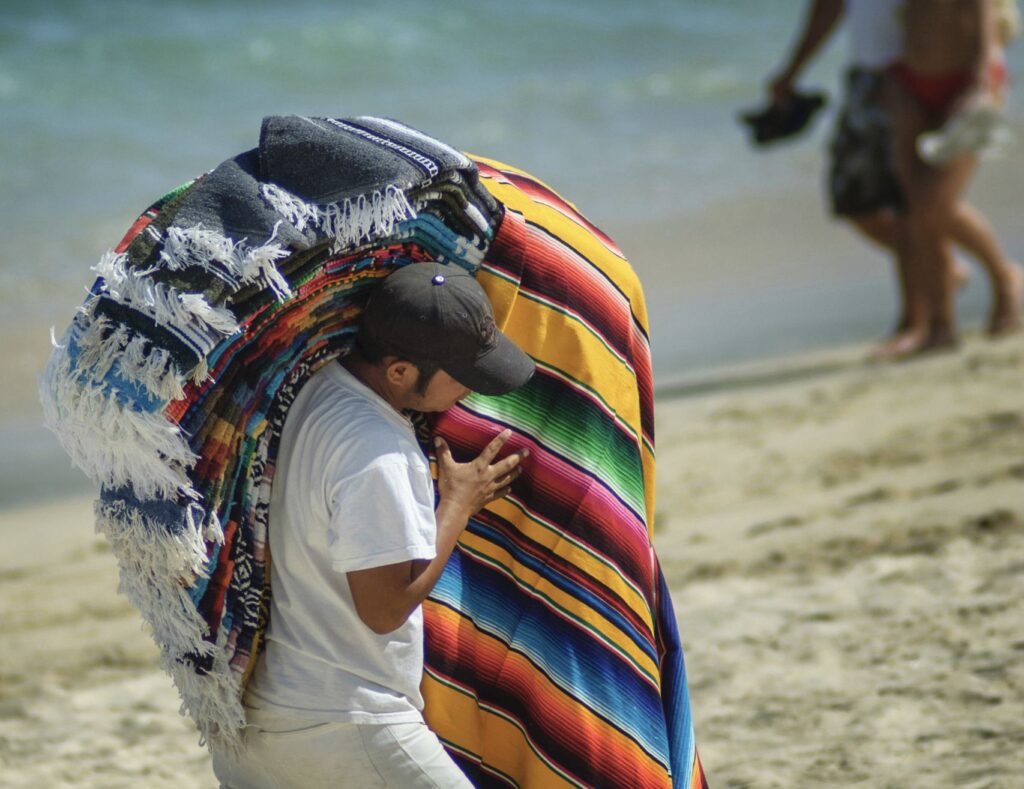
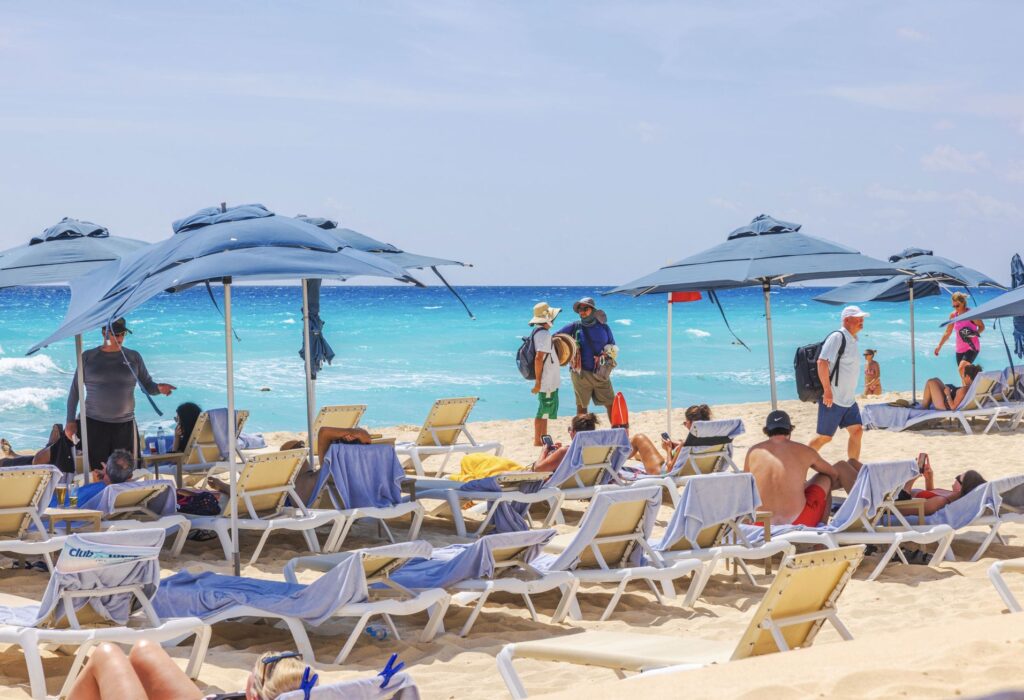
The Mexican Caribbean operates on a highly interactive social rhythm. When you step off your resort property and onto the public beaches, or when you wander through the vibrant open-air markets of downtown Cancun, you will inevitably be approached by local vendors selling everything from silver jewelry and hand-woven blankets to ceramics and cigars.
For many first-time travelers, the sheer volume of these interactions can feel overwhelming, creating a false and exhausting sensation that you are simply a walking ATM.

If you want to truly enjoy your 2026 vacation, you need to fundamentally reframe how you view this experience. These vendors are not faceless annoyances; they are incredibly hardworking locals trying to make a living in a highly competitive, fast-paced tourism economy. Interacting with them is not a burden—it is a core part of the cultural fabric of Mexico. Many of these vendors are amazing, friendly people with incredible stories. Once you understand the unwritten rules of the hustle, the dynamic shifts from stressful to highly enjoyable. Here is the ground-truth protocol for preparing, interacting, and respectfully bartering with local vendors in Cancun.


The Cultural Taboo Of Ignoring People
In many Western cultures, the standard response to an unwanted street pitch is to stare straight ahead, pretend the person does not exist, and keep walking. In Mexico, executing this tactic is considered a massive cultural taboo. It is viewed as deeply disrespectful.
The vendors approaching your beach chair are human beings, and local etiquette dictates that you acknowledge them. If you are not interested in buying a silver bracelet or a carved wooden turtle, all it takes is eye contact, a quick smile, and a polite “No, gracias.” Acknowledging their presence diffuses the tension instantly. Ironically, pretending they do not exist often leads to them lingering longer and asking again, as they will naturally assume you simply did not hear them over the sound of the ocean or the resort music.
The “One More Item” Phenomenon
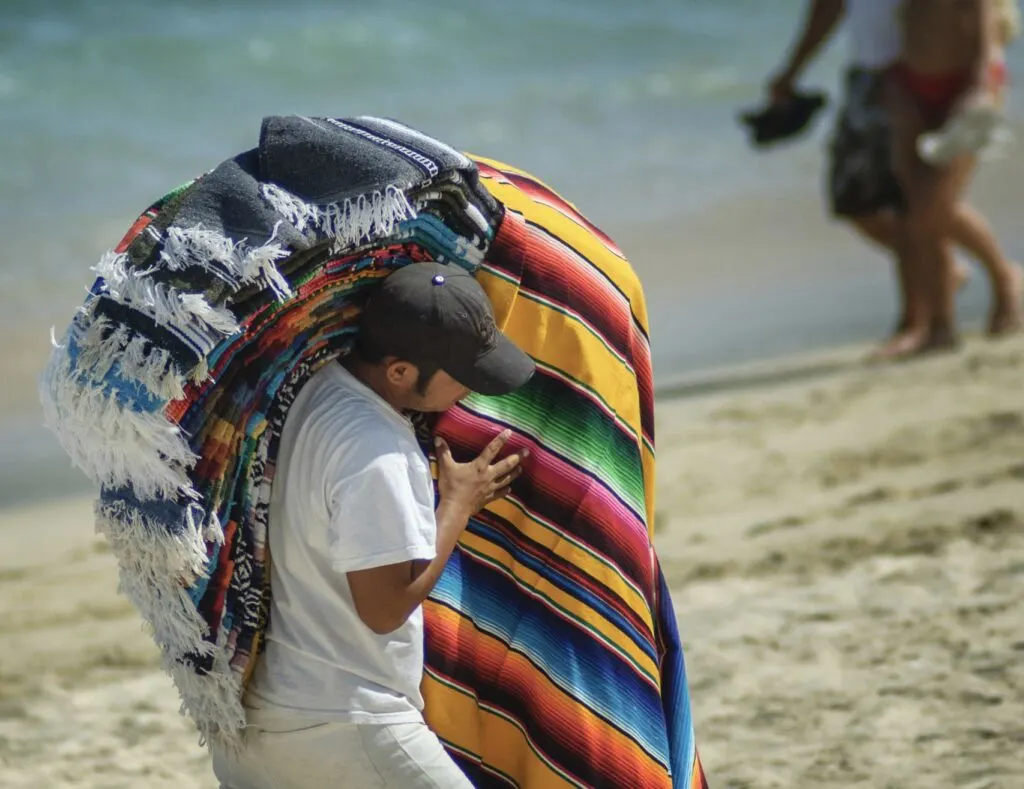
Even after you deliver a polite “No, gracias,” you will frequently notice that the vendor does not immediately walk away. Instead, they will reach into their duffel bag, rotate their merchandise, and hold up a completely different item for you to inspect.
Many tourists misinterpret this action as the vendor being aggressive or intentionally ignoring their boundaries. That is not the reality of the situation. Vendors use this tactic because it is a proven sales strategy that works incredibly well.


They have watched thousands of tourists say a definitive “no” to a sunglass strap, only to suddenly sit up five seconds later and say, “Wait, hold on, I actually do like that ceramic bowl.” They are simply cycling through their inventory to see if a different color, shape, or product catches your eye. If they show you a second or third item, do not get frustrated. Simply nod politely and say no again. They will pack up their goods and move on to the next lounger.
The Mathematics Of Bartering
If an item does catch your eye, you need to understand that bartering is not rude—it is a deeply ingrained cultural expectation. The vendor is not trying to scam you with their initial price; they are simply opening the negotiation. They fully expect you to counteroffer, and the resulting back-and-forth is meant to be a friendly, engaging interaction.

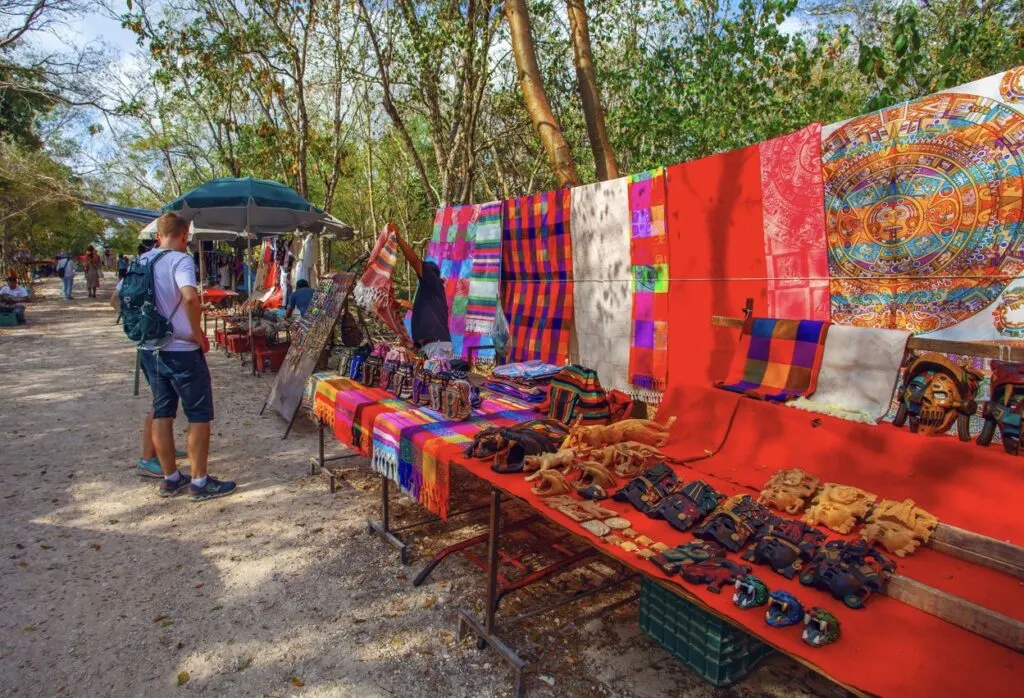
The standard rule of thumb for market and beach vendors in 2026 remains consistent: whatever initial price the vendor quotes you, counter with exactly half. If they ask for $100 USD, offer $50. From there, the dance begins. They will come down to $80, you will go up to $60, and you will eventually shake hands somewhere in the middle. A successful, respectful negotiation usually ends with the tourist paying about 30% less than the original asking price. Keep the interaction light, smile, and treat it like a friendly game rather than a hostile financial transaction.

The Exception: Fixed-Price Retail
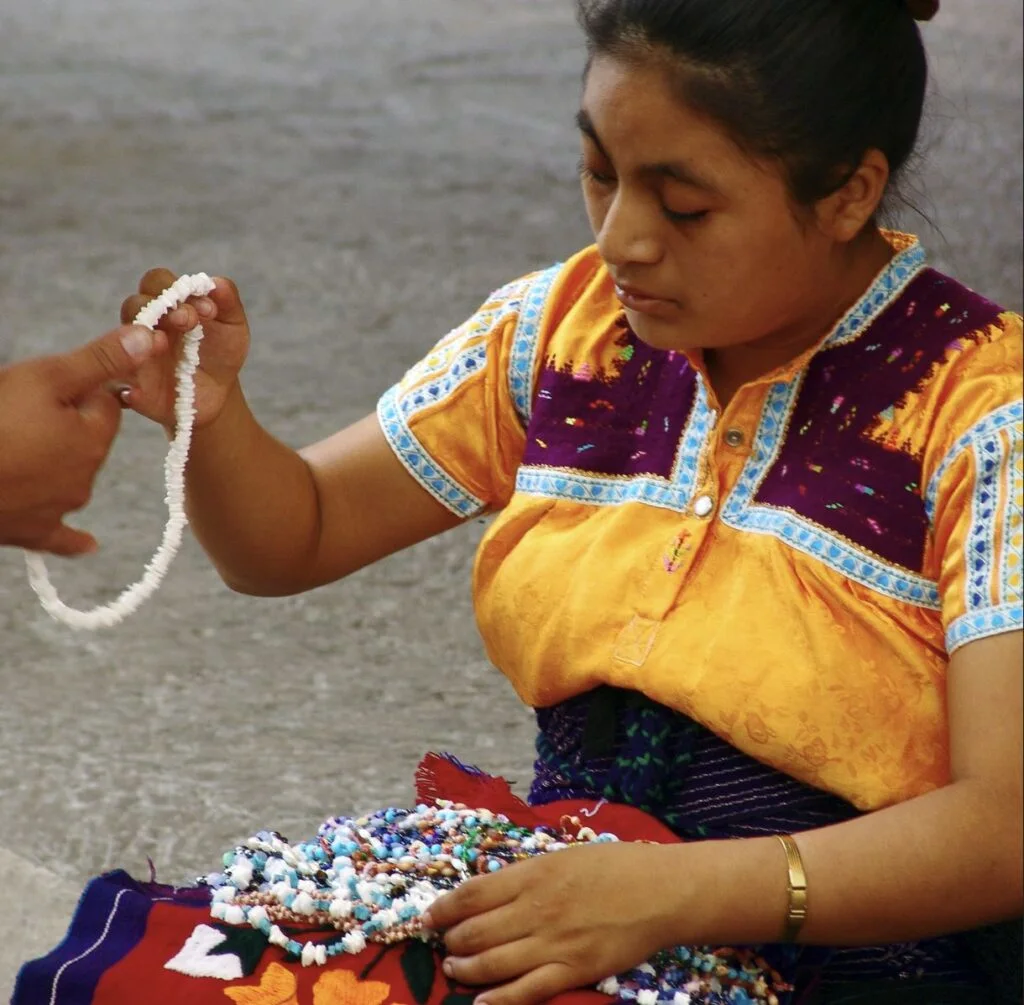
While the beaches, open-air markets, and street stalls are prime territory for negotiation, you must recognize where the bartering absolutely stops. If you walk into an established brick-and-mortar store, a boutique inside a mall, or any shop where the merchandise has physical, printed price tags attached to it, the price is non-negotiable.
These retail environments utilize fixed pricing specifically for the ease and comfort of tourists who prefer a traditional shopping experience without the haggling. Attempting to barter with a cashier scanning a barcode at a formalized souvenir shop will only create an awkward situation. Read the room: if there is no price tag and the goods are being carried by hand or displayed in a market stall, let the negotiations begin.
Carry Small Denominations
As a final piece of logistical preparation, always carry small bills (ideally 50, 100, and 200 Mexican Peso notes) when you plan to engage with vendors. If you successfully negotiate a beautiful hand-painted skull down to the equivalent of $10, handing the vendor a massive $100 USD bill or 500 peso note instantly complicates the transaction. Vendors rarely carry large amounts of change for safety reasons. Having exact change or small denominations ensures the transaction ends as smoothly and positively as the negotiation started.
Vendor Protocol
The Ultimate Cancun Trip Planner
When’s the best time to go? Our powerful month-by-month guide breaks down the weather, crowds, sargassum, and prices for your perfect trip.
Find Your Perfect Cancun & Riviera Maya Resort In Seconds
This simple, powerful tool was built by our on-the-ground experts to match you with the ideal resort for your specific budget and travel style.
Subscribe to our Latest Posts
Enter your email address to subscribe to The Cancun Sun’s latest breaking news affecting travelers, straight to your inbox.