
If you are waking up in Cancun today and getting ready to pack your beach bag, you will need to pay very close attention to the flags flying on the sand.
While the sun might be shining, the ocean is currently painting a very different picture. Due to intense, hazardous wave conditions crashing against the coast, the Cancun Civil Protection Directorate has officially issued an urgent beach safety warning for this week.
To protect both tourists and locals from highly dangerous currents and towering waves, authorities have been forced to completely restrict ocean access at several of the region’s most popular beaches. Here is exactly where you cannot swim right now, which beaches are operating under strict caution, and what you need to know before heading to the shore.
The “No Swim” Zone: Complete Bans at 3 Major Beaches
In the area classified as the “high beaches”—which face the open Caribbean Sea and take the direct brunt of incoming ocean swells—the conditions are simply too dangerous for anyone to be in the water.
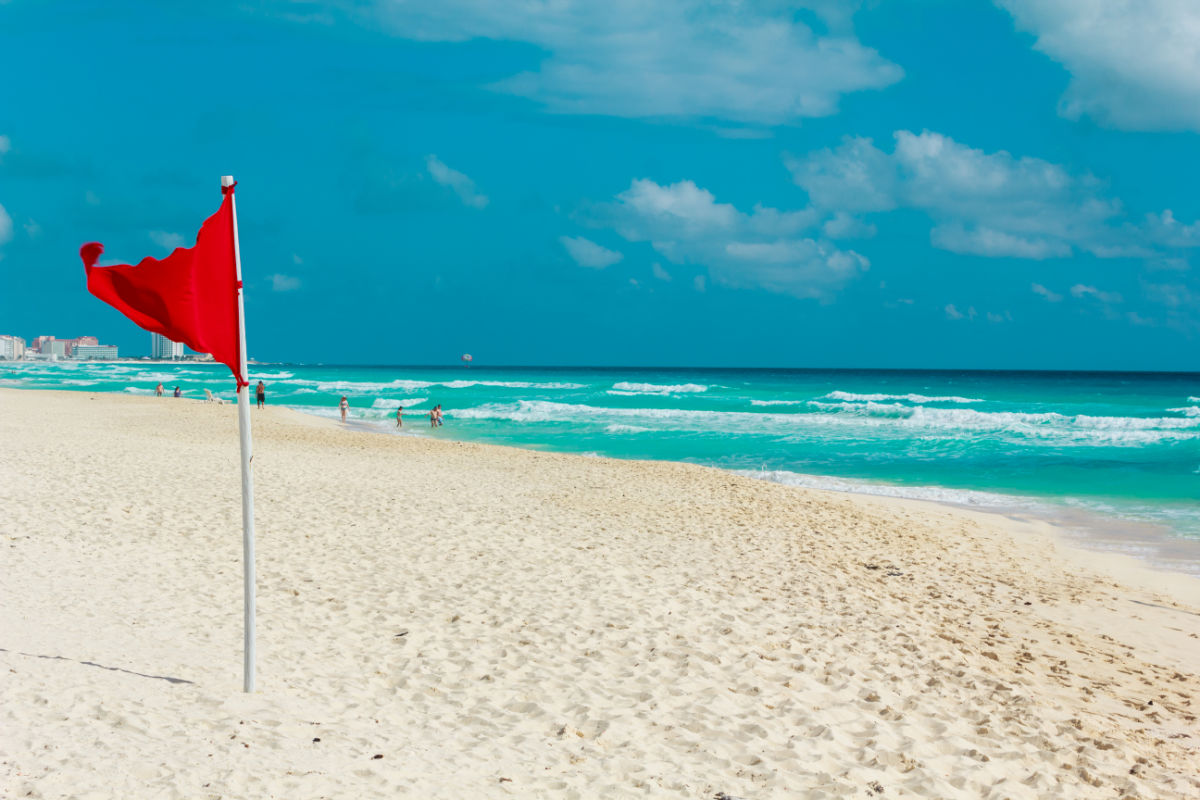
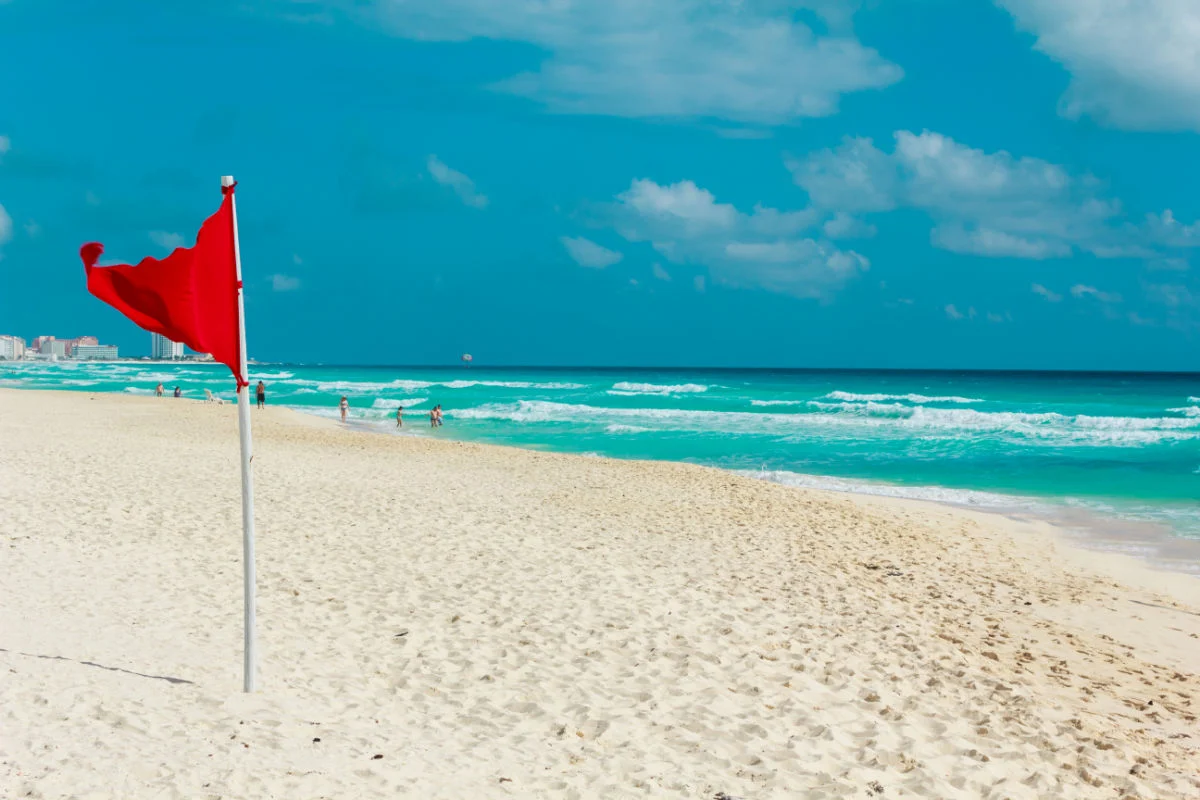
Right now, authorities have placed multiple Red Flags across the following three highly trafficked beaches:
- Playa Delfines (A staggering seven red flags are currently flying here)
- Playa Ballenas
- Playa Gaviota
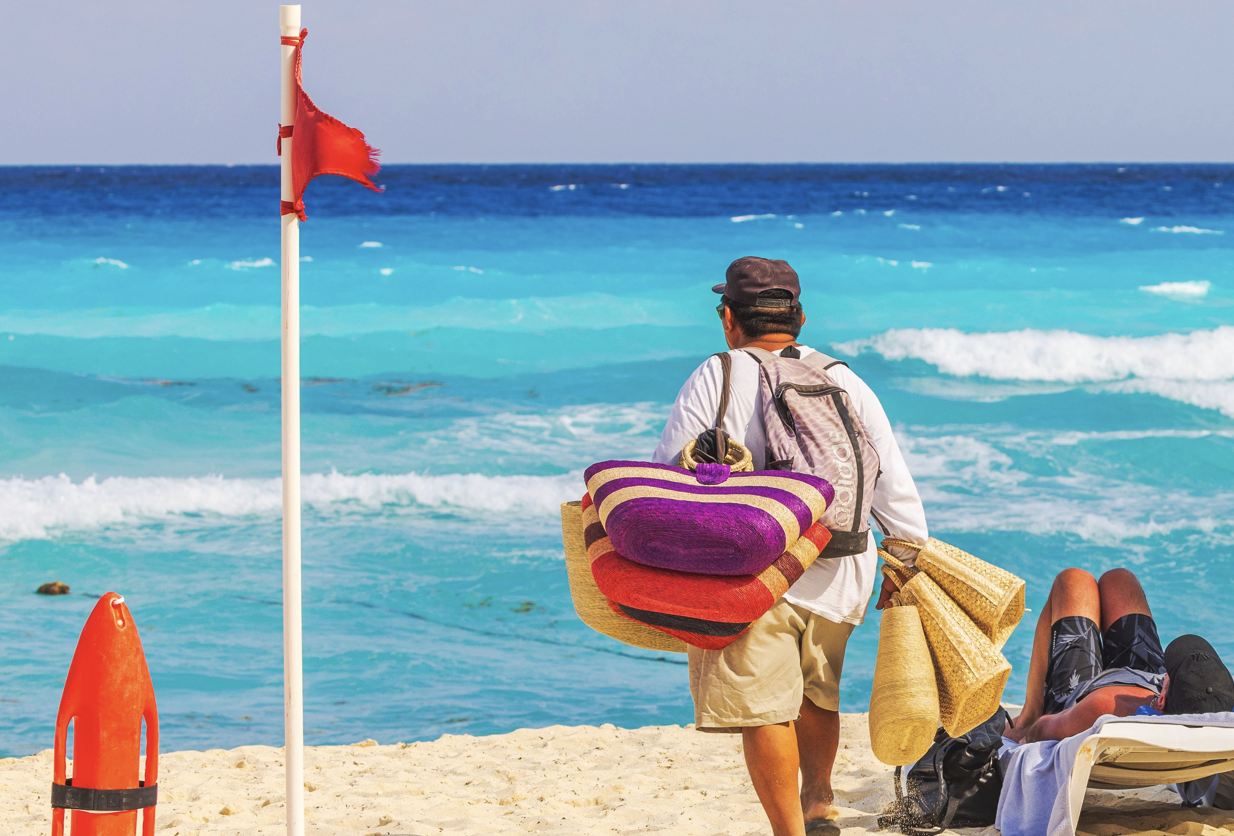
A red flag is not a suggestion; it represents an absolute prohibition on entering the sea. Lifeguards and security personnel are actively enforcing these bans to prevent drownings or severe injuries caused by the massive surf and hidden rip currents.
Proceed With Extreme Caution: Mixed and Yellow Flag Beaches
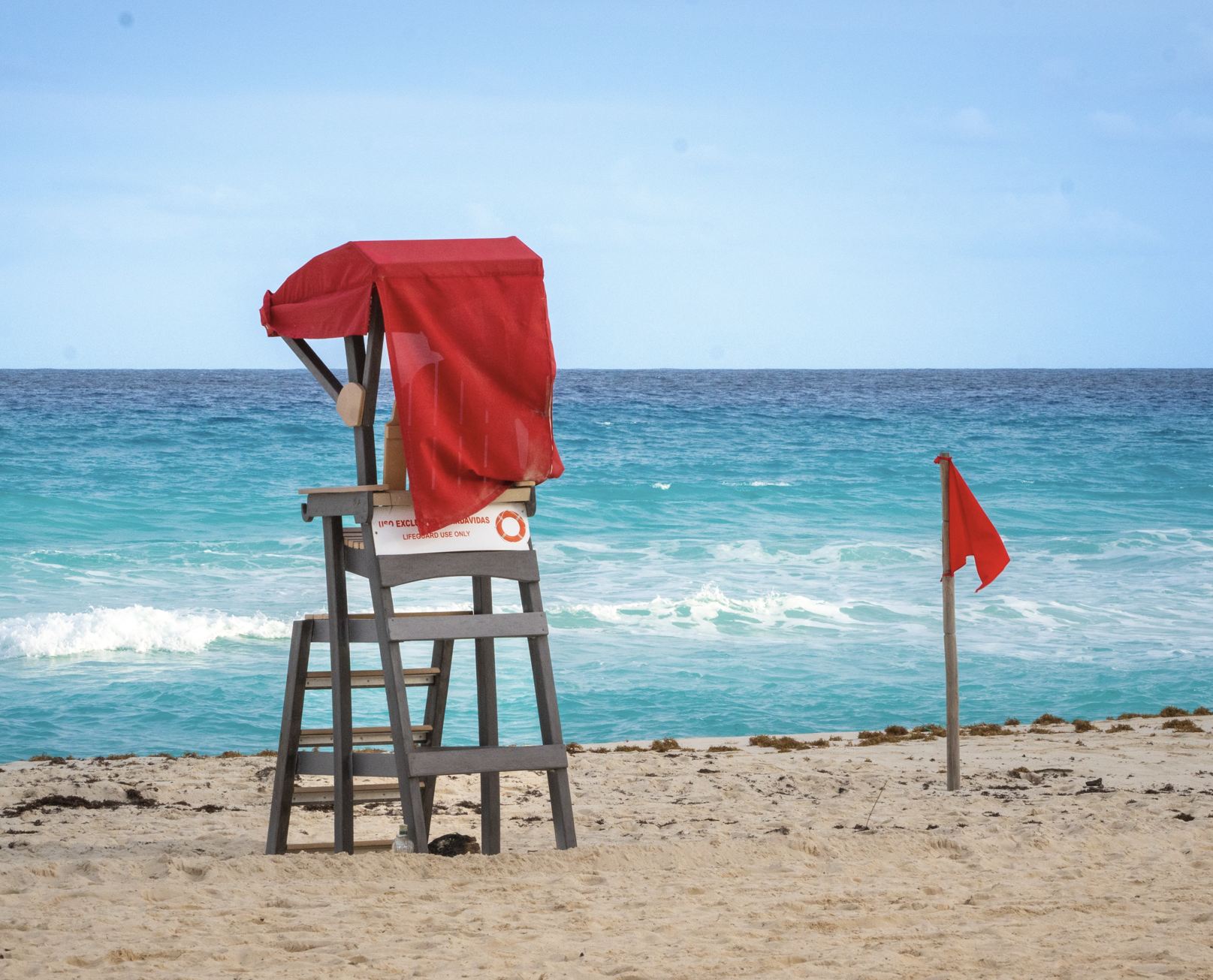
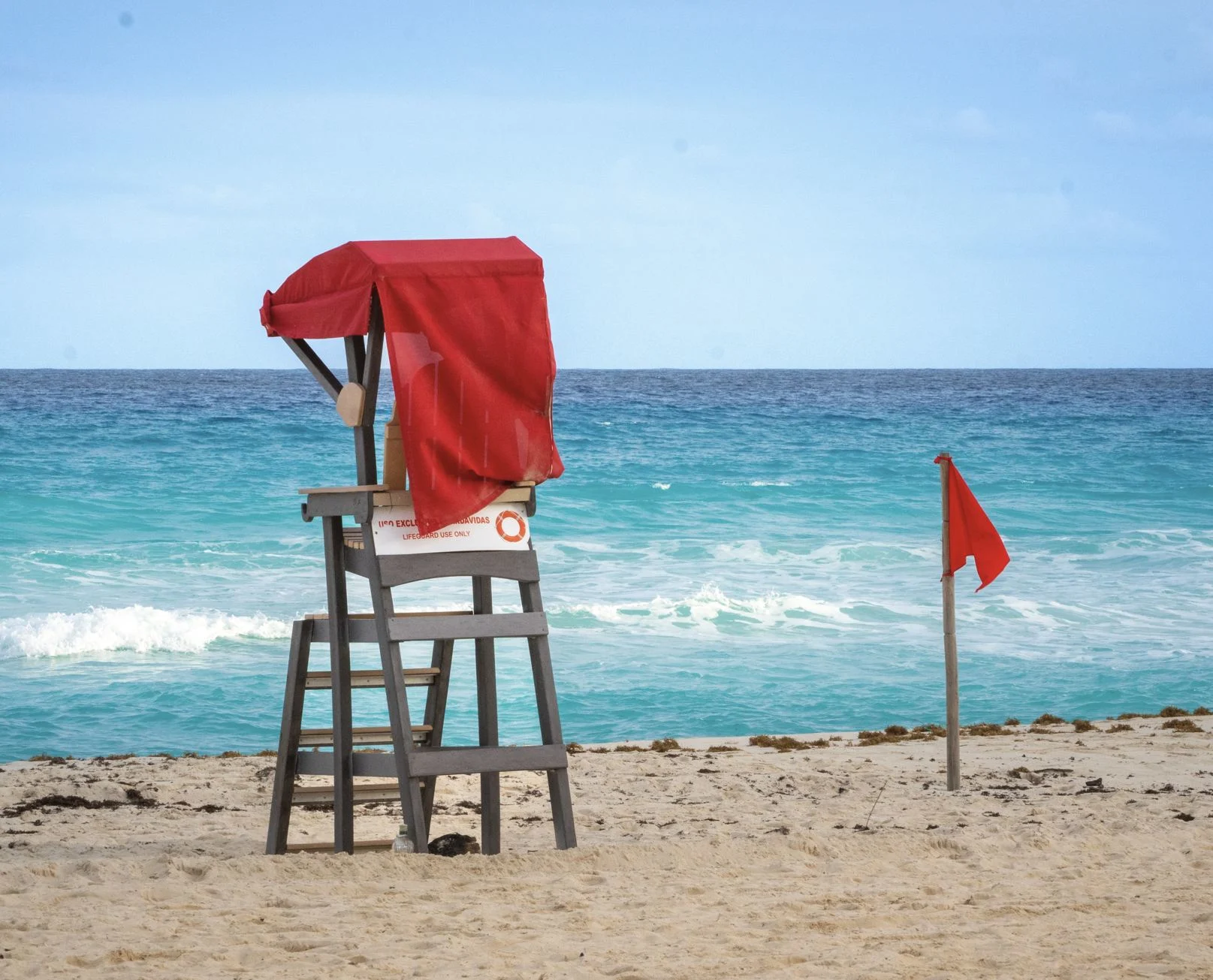
If your resort is not located near the three closed beaches, you still need to exercise severe caution before getting your feet wet. Several other coastal areas are operating under intermediate risk conditions.
Beaches with Mixed Red and Yellow Flags:
These beaches have specific sectors where swimming is completely banned (red), while other adjacent areas allow swimming with extreme caution (yellow).
- Playa Marlín
- Playa Langosta
- Playa Tortugas
- Pez Volador
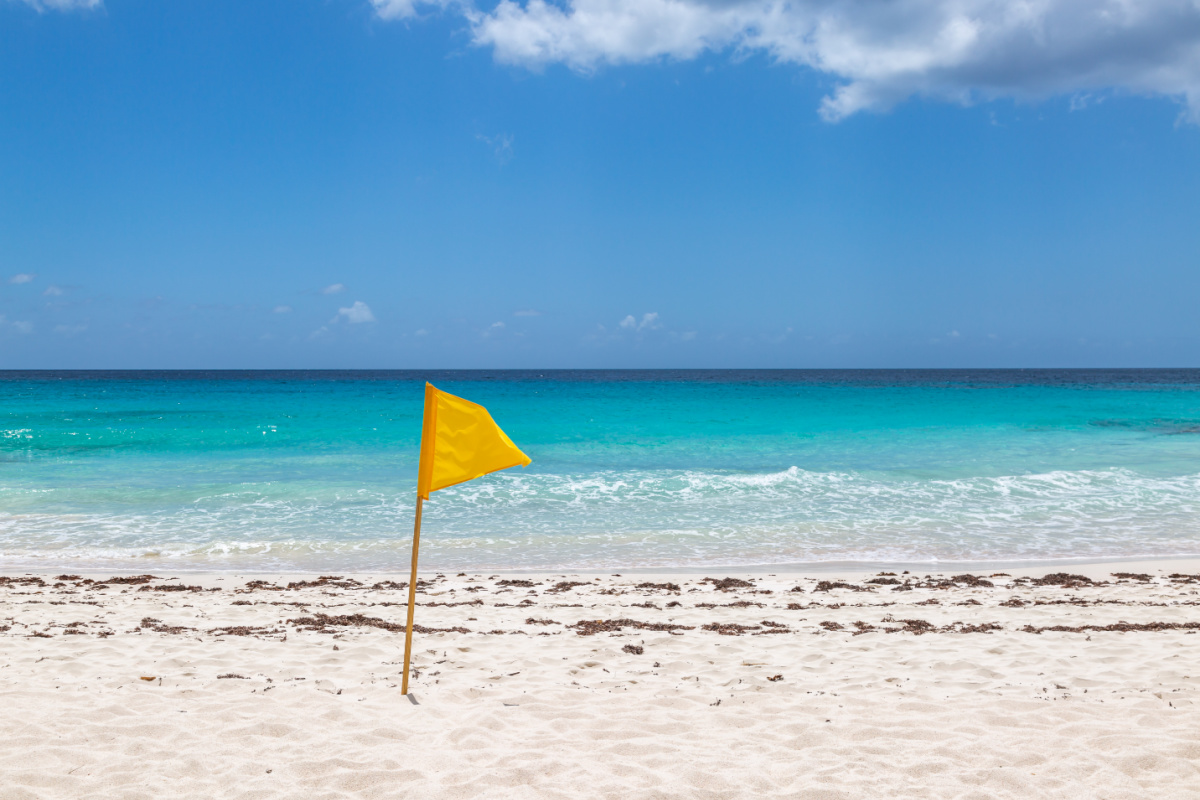
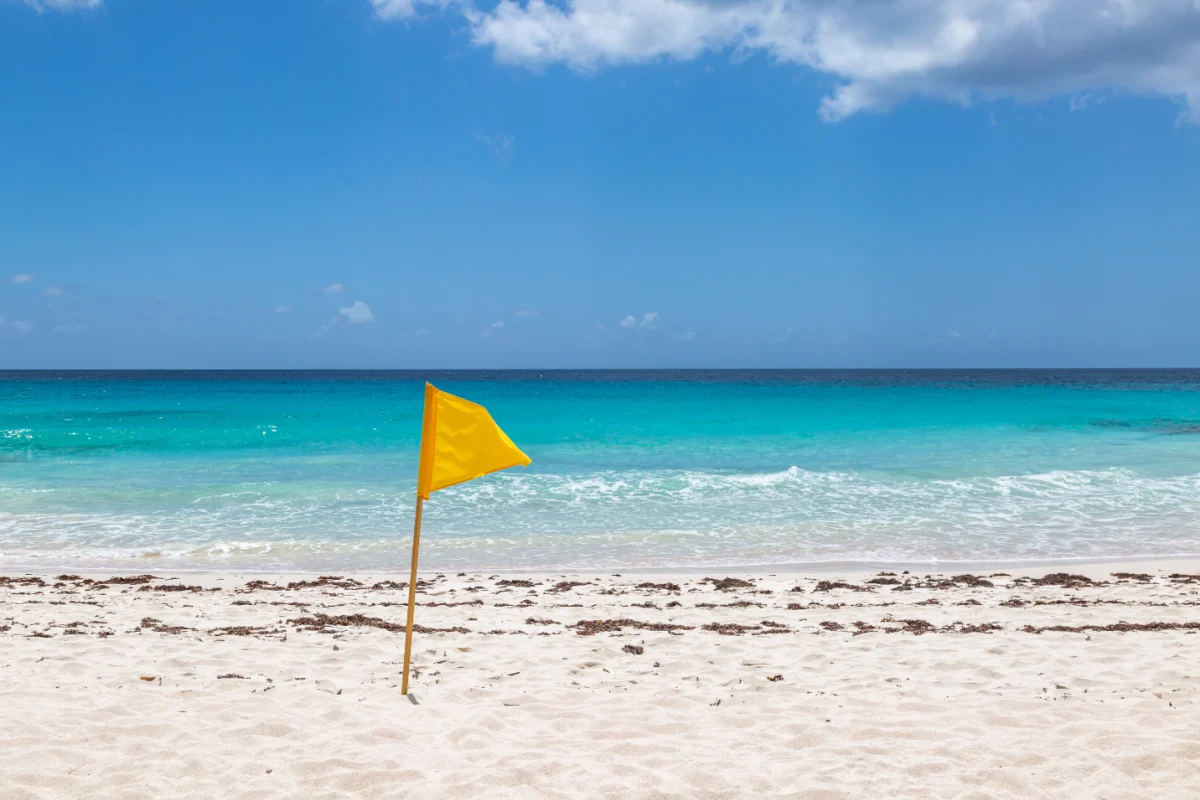
Beaches with Yellow Flags:
Located primarily in the more sheltered “low beach” zones, these areas allow swimming, but you must remain highly vigilant, stay close to the shore, and follow all lifeguard instructions.
- Playa Chac Mool
- Playa del Niño
- Las Perlas
- Playa Caracol
The Golden Rules For Ocean Safety This Week
Ocean conditions in the Mexican Caribbean can shift in a matter of minutes. A beach that was perfectly calm in the morning can easily transition to a red flag by the afternoon.
If you are heading out to enjoy the sand, Civil Protection officials are urging all tourists to strictly respect the physical flags planted on the shore and obey any instructions given by the lifeguard units.
Cancun Warning
If you want to check the status of the water before leaving your hotel room, you can monitor the real-time risk levels on the official municipal board provided by Implan (the Municipal Planning Institute).
If your favorite beach is currently locked down with red flags, do not let it ruin your day! It is the perfect excuse to spend the afternoon ordering drinks at your resort’s massive infinity pool, booking a jungle tour to swim in the crystal-clear (and completely wave-free) cenotes, or exploring the vibrant shopping and dining scene at La Isla Shopping Village.
The Ultimate Cancun Trip Planner
When’s the best time to go? Our powerful month-by-month guide breaks down the weather, crowds, sargassum, and prices for your perfect trip.
Find Your Perfect Cancun & Riviera Maya Resort In Seconds
This simple, powerful tool was built by our on-the-ground experts to match you with the ideal resort for your specific budget and travel style.
Subscribe to our Latest Posts
Enter your email address to subscribe to The Cancun Sun’s latest breaking news affecting travelers, straight to your inbox.