
If you love Cancun’s beaches as much as we do, you’ve seen those colored flags near lifeguard towers. They aren’t just décor—they’re your quick-read safety system.
As we at The Cancun Sun have explained in recent coverage, these flags change with conditions throughout the day, so reading them right can be the difference between the perfect swim and a vacation mishap.
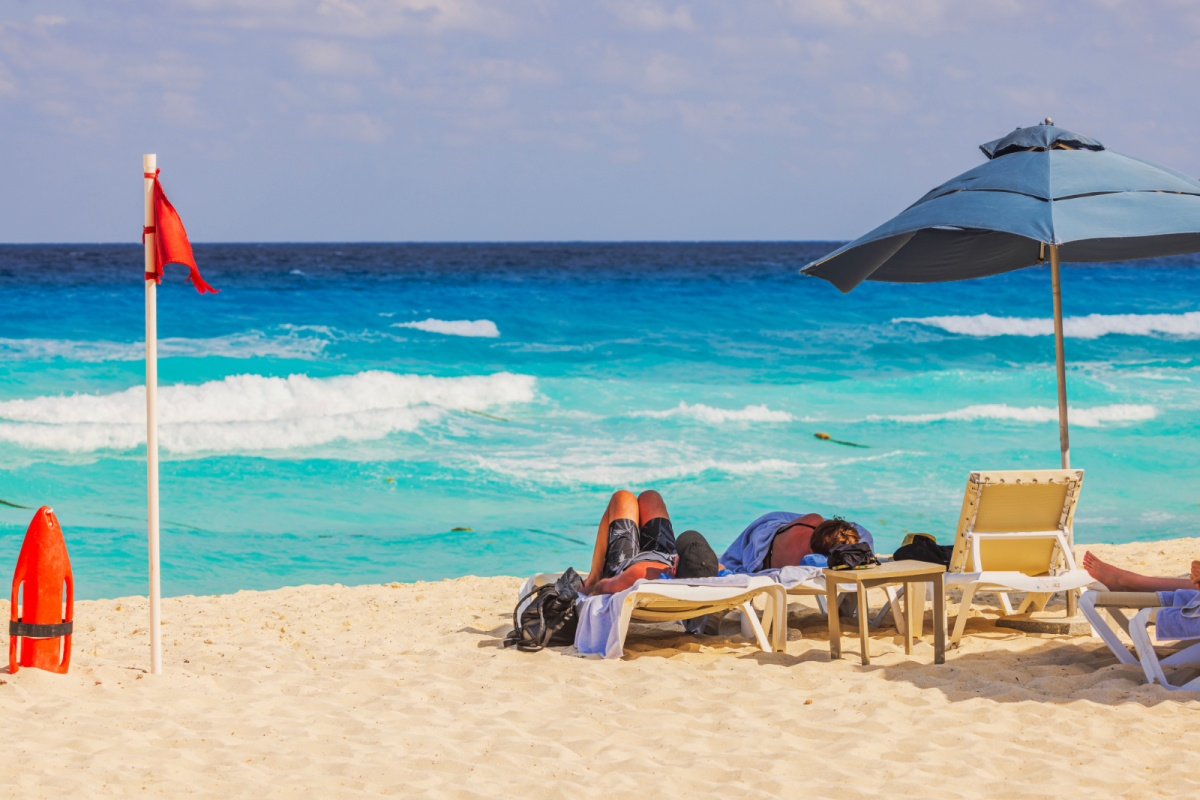
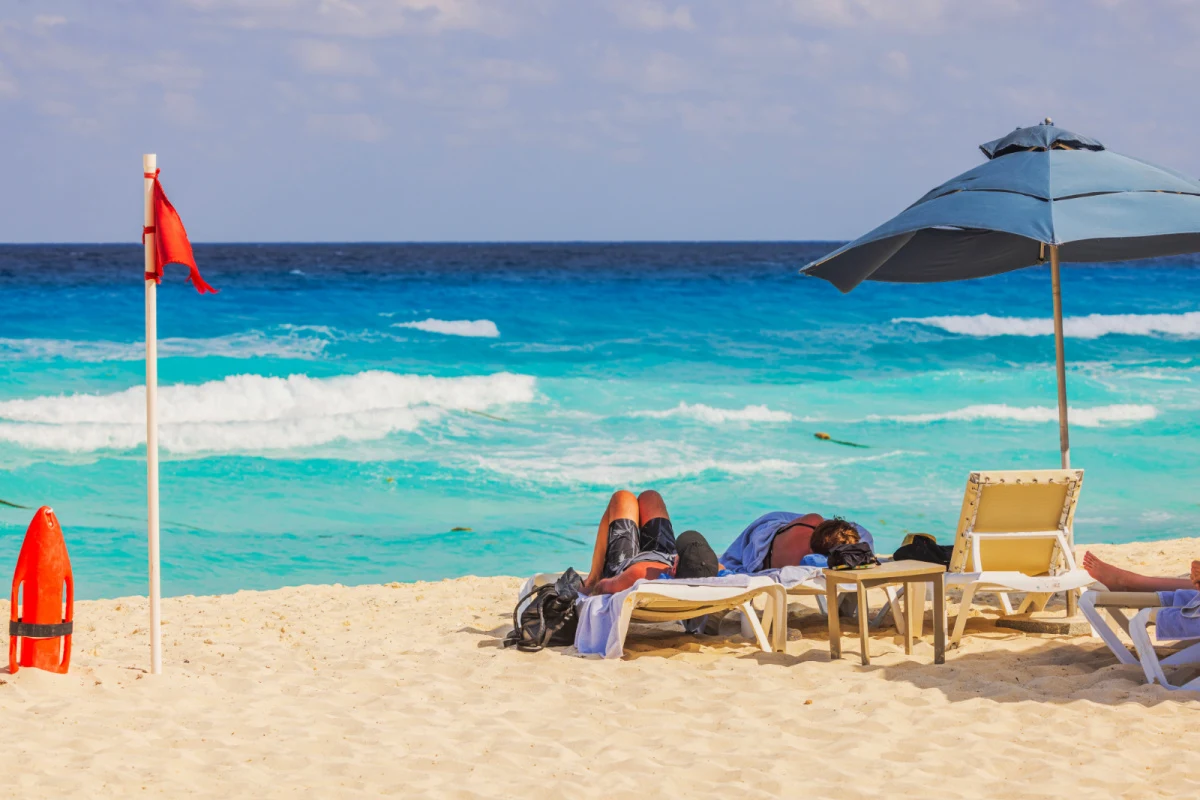
Cancun’s Beach Flag Colors (Save This Part!)
- Green — Low Hazard. Calmer conditions; swimming allowed. Still keep kids within arm’s reach and stay near lifeguards.
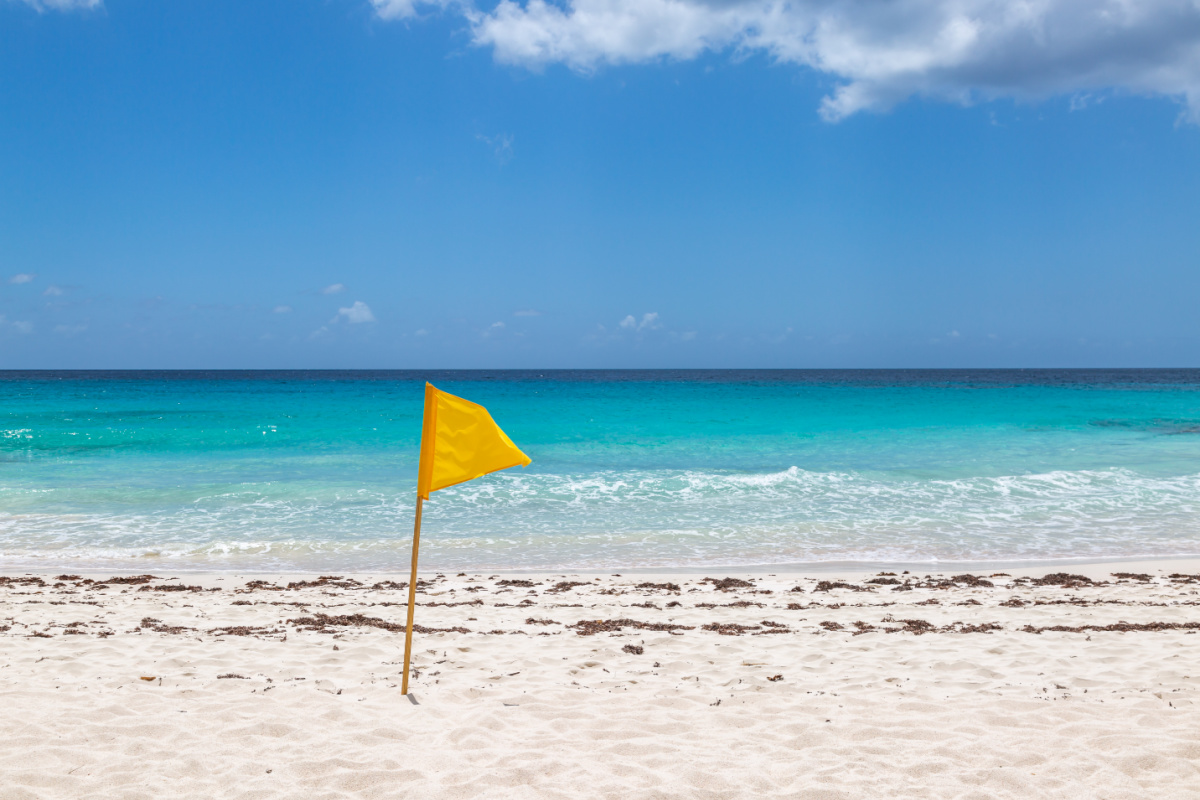
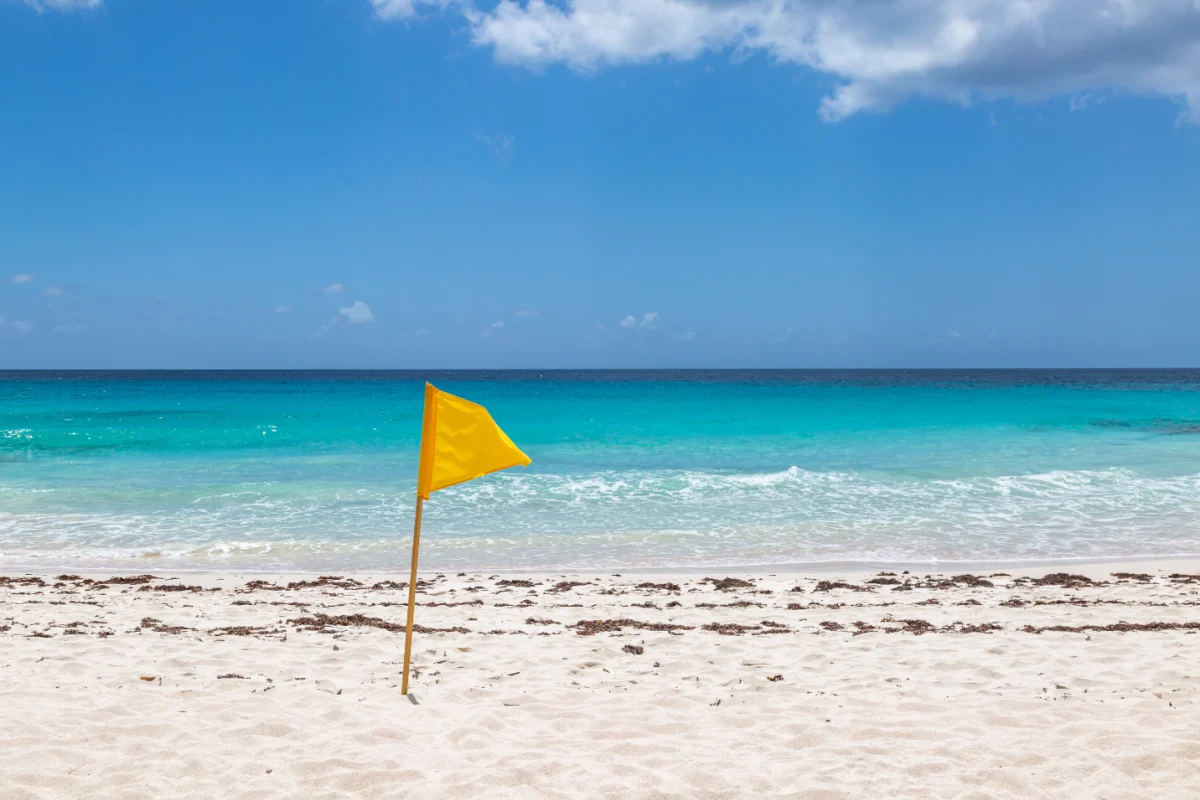
- Yellow — Moderate Hazard. Choppier waves or mild currents. Confident swimmers only, close to shore.
- Red — High Hazard. This is not an automatic ban, but officials strongly advise staying out due to strong currents or rough surf. If you do enter, keep it shallow and be extra cautious. We’ve broken this down in detail here.
- Black — Water Closed. Do not enter the ocean. This is used for extreme danger—powerful currents, storms, or contamination.
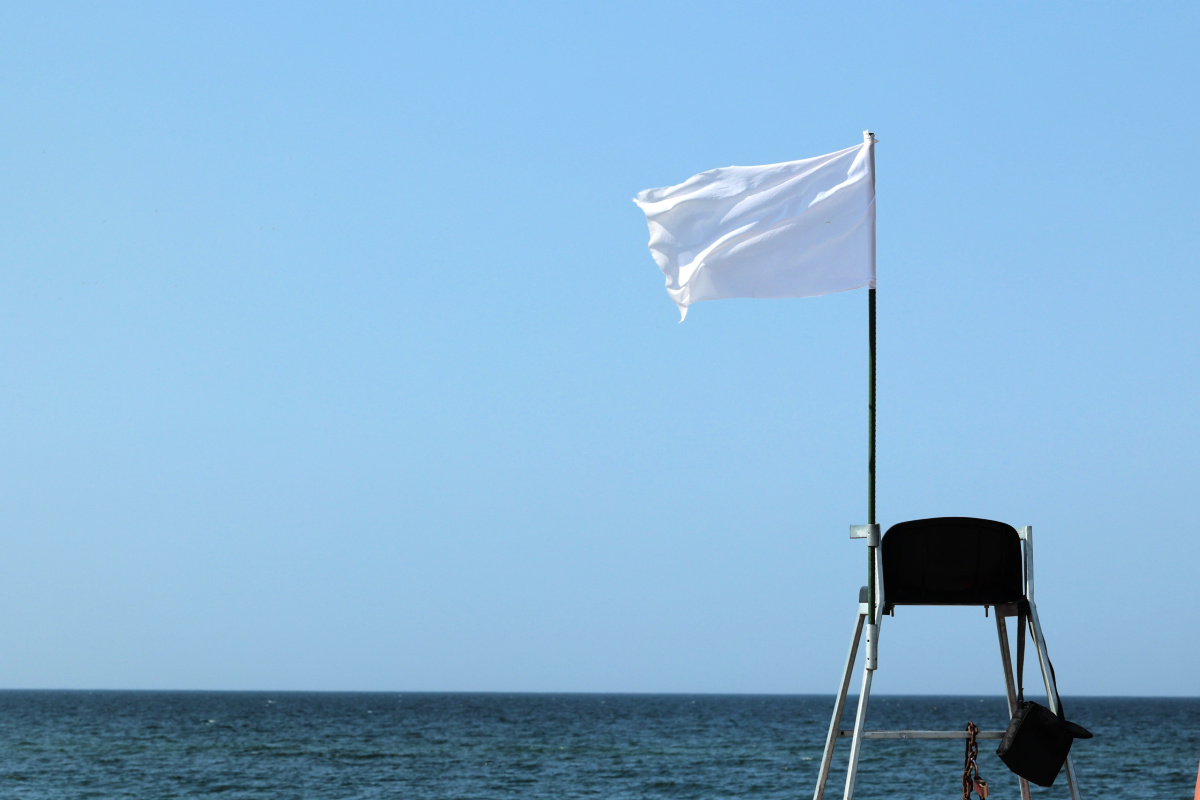
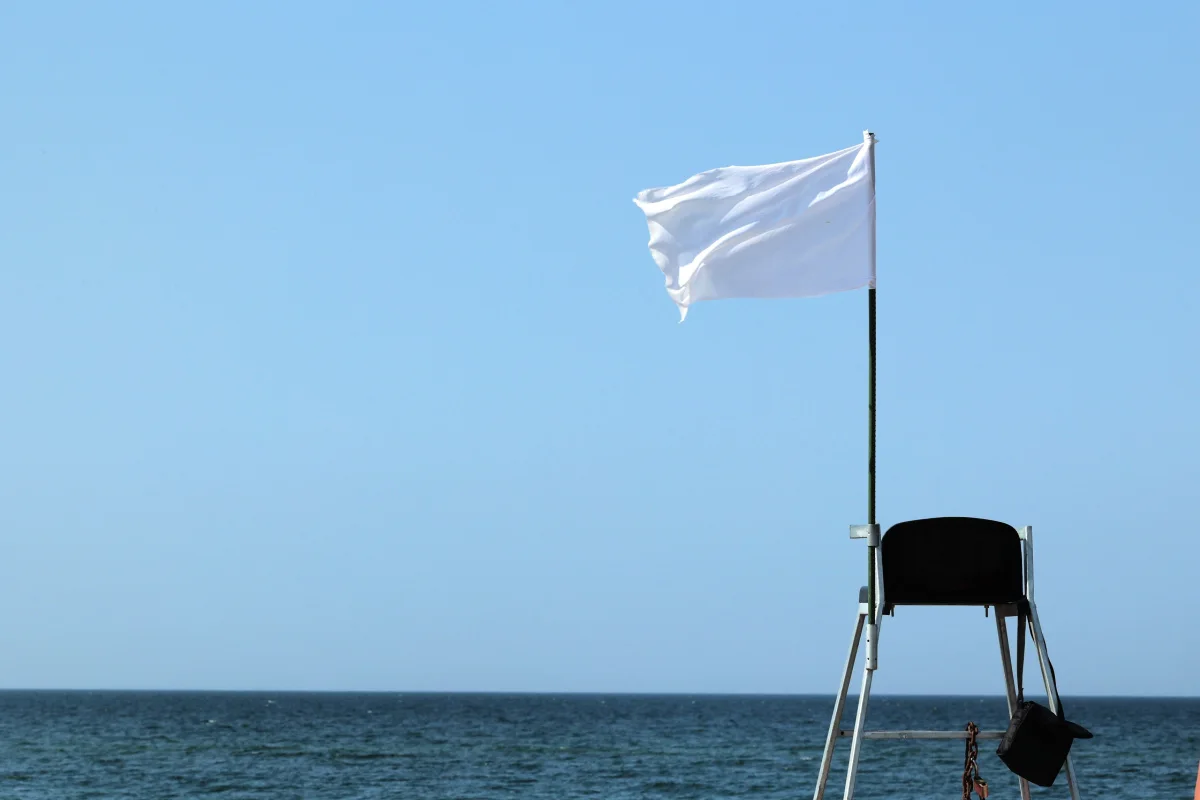
- White — Marine Life Alert. Jellyfish or other stingers may be present even if the sea looks calm. On white-flag days, a pool or shallow splash at the shoreline is the safer call.
Quick memory trick: Green = Go, Yellow = Careful, Red = Really risky, Black = Ban, White = Wildlife.
Red vs. Black: The #1 Misunderstanding
Visitors most often confuse red and black. A red flag signals high risk and authorities strongly recommend you stay out—it is not a legal prohibition.
A black flag is different: the beach is closed for entering the water, full stop. If you see black, enjoy the view, snap the photos, and switch to the hotel pool or a more sheltered spot.
Where (And How) To Swim Safely In Cancun
Even on green or yellow days, currents can be tricky—especially along open-ocean stretches like Playa Delfines, which we’ve reported is both iconic and deceptively powerful. Stick to lifeguarded areas and always recheck the flag before re-entering the water after a break.
Want extra peace of mind? Cancun leads Mexico for Blue Flag beaches—think Perlas, Chac Mool, Marlin, Ballenas, Delfines, and Coral—recognition for water quality, services, and safety infrastructure. Just remember: Blue Flag is about overall beach quality; the day’s warning flag still rules your swim decision.
We also keep tabs on sargassum season and how it affects beach conditions and clarity. If seaweed is heavy, that alone can change your plans; our recent reports explain when and where to pivot (like hopping to Isla Mujeres for clearer water days).
Cancun Beach Flag Guide
Tap a flag below to see what it means for your beach day.
Green Flag: Low Hazard
What it means: Conditions are calm and swimming is generally safe and allowed.
What to do: Always swim near a lifeguard and keep an eye on children.
Yellow Flag: Moderate Hazard
What it means: Choppier waves or mild currents are present. Use caution.
What to do: Recommended for confident swimmers only. Stay close to the shore.
Red Flag: High Hazard
What it means: Strong currents or powerful waves create dangerous conditions.
What to do: Authorities strongly advise you to stay out of the water. This is a serious warning, not a ban.
Black Flag: Water Closed
What it means: EXTREME DANGER. The beach is closed to water entry for everyone.
What to do: Do not enter the water for any reason. Used for storm surge, dangerous currents, or contamination.
White Flag: Marine Life
What it means: Jellyfish or other stinging marine life have been spotted in the area.
What to do: Consider staying out if you are sensitive. If you go in, wear protection and shuffle your feet.
Key Difference: Red vs. Black Flags
Red flags are a strong recommendation to stay out due to high risk, but not a formal ban. Black flags mean the beach is CLOSED to swimming entirely. Never enter the water on a black flag day.
What To Do On A White-Flag Day (Jellyfish Alert)
- Cover up with a rash guard or light layer; consider reef-safe protection for exposed skin.
- Shoreline shuffle. Tentacles can wash up—shuffling helps you avoid stingrays and unseen hazards.
- If stung: Rinse with seawater (not freshwater), remove tentacles with tweezers or a card, and seek medical attention if symptoms escalate. We published a practical explainer on white-flag days and how to stay safe.
Your 60-Second Pre-Swim Checklist
- Check the flag when you arrive and again before you enter—winds, tides, and storms can flip colors midday.
- Swim near lifeguards and within roped areas when present.
- Skip the booze-then-swim combo. Save the margarita for after the dip.
- Caught in a rip? Float, stay calm, and swim parallel to shore to exit the current; then signal for help.
Final Word From The Towers
Lifeguards and beach safety teams in Cancun update flags to protect you—and sometimes they’ll upgrade to black after storms or sanitary reviews. This summer, authorities inspected beaches nationwide for sanitary conditions and Cancun was cleared for swimming, but daily conditions still decide the color you’ll see at the tower.
Check the flag, follow directions, and you’ll have that turquoise-water day you came for.
Stay safe out there—we’ll see you by the shore.
The Ultimate Cancun Trip Planner
When’s the best time to go? Our powerful month-by-month guide breaks down the weather, crowds, sargassum, and prices for your perfect trip.
Find Your Perfect Cancun & Riviera Maya Resort In Seconds
This simple, powerful tool was built by our on-the-ground experts to match you with the ideal resort for your specific budget and travel style.
Subscribe to our Latest Posts
Enter your email address to subscribe to The Cancun Sun’s latest breaking news affecting travelers, straight to your inbox.