
If you have spent the last few months enjoying the crystal-clear, electric-blue waters of the Mexican Caribbean, you have the winter cold fronts to thank. But as the ocean begins to warm and the seasonal winds shift, that pristine, seaweed-free window is officially closing.
March marks the traditional kickoff to the annual sargassum season in Cancun and the Riviera Maya. This week, the Mexican Navy (SEMAR) issued a formal warning that a colossal mass of over 280,000 tons of brown macroalgae is currently migrating westward across the Central Atlantic, setting its sights directly on the Yucatan Peninsula.
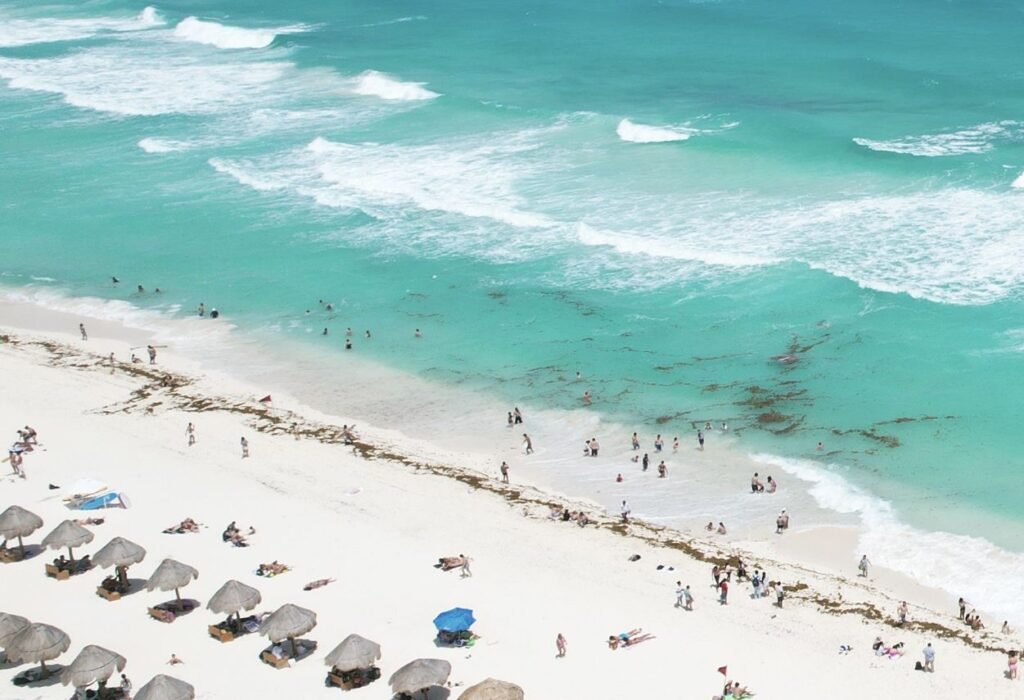
Seeing a six-figure tonnage warning in a headline is usually enough to make any traveler consider canceling their flight. However, context is everything. Here is the unvarnished truth about the 2026 sargassum season, what the military is doing to stop it, and how to verify the exact conditions on your beach before you panic.
The March Ramp-Up: It Does Not Hit All At Once
The most important thing to understand about the Great Atlantic Sargassum Belt is that it is not a solid, apocalyptic wall of seaweed that crashes onto the shore overnight.
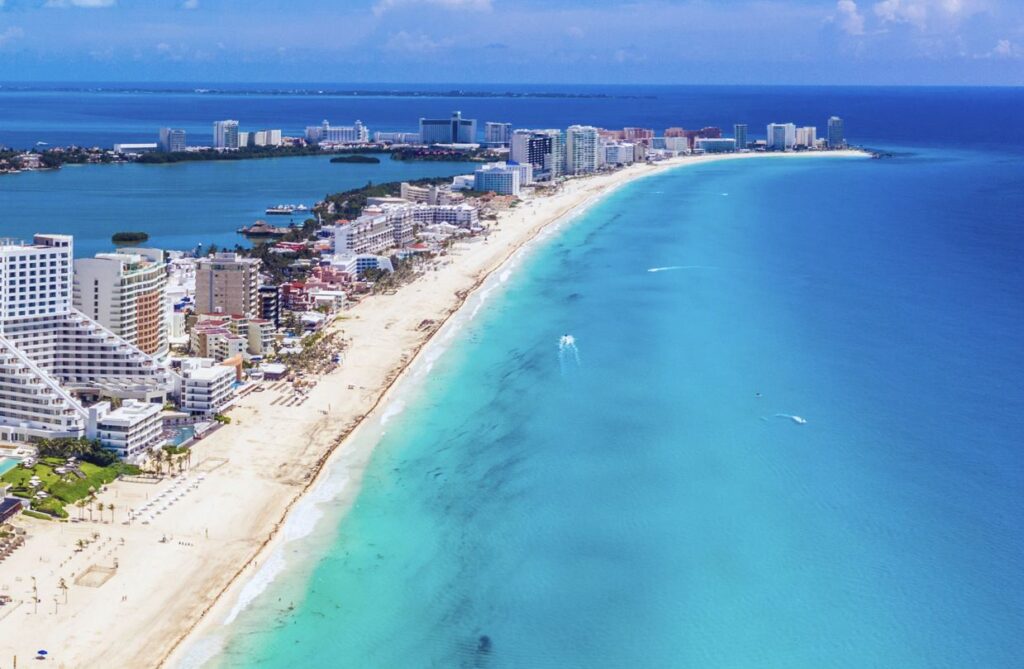
While 280,000 tons sounds catastrophic, that biomass is spread across thousands of miles of open ocean. March is simply the beginning of a slow, heavily monitored ramp-up. While the Navy’s tracking data suggests that March and April will see arrival volumes roughly 75 percent higher than historical averages, the absolute peak of the season generally does not materialize until the intense heat of July and August.
When the sargassum does make landfall this month, it is highly dictated by localized, daily micro-currents. You could easily wake up to a heavy, foul-smelling brown tide covering a beach in Tulum, while the beaches in the Cancun Hotel Zone remain completely clear on the exact same morning.

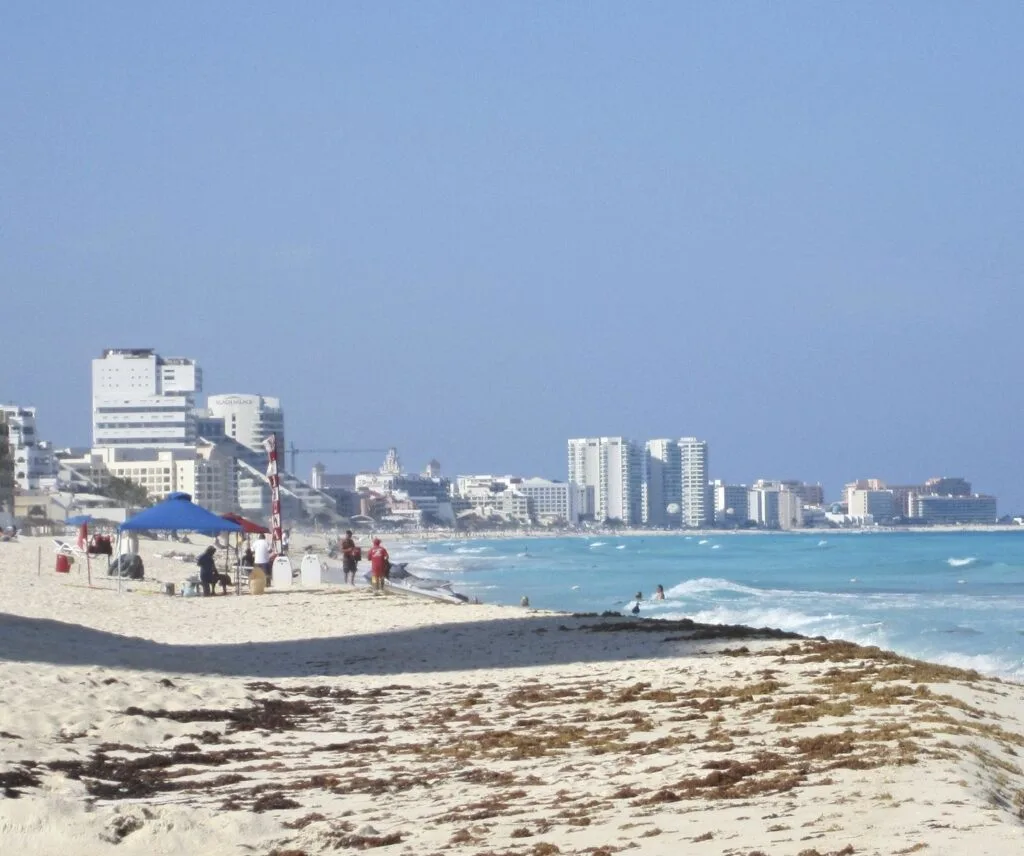
SEMAR’s 2026 Coastal Defense Operation
With the massive global spotlight of the upcoming World Cup looming over Mexico this summer, the government is treating the sargassum invasion as a full-scale coastal defense operation.
The Mexican Navy is actively engaging the seaweed miles before it ever threatens a tourist’s beach chair. SEMAR has deployed a highly specialized offshore armada consisting of 16 surface vessels, a massive ocean-going ship, 11 coastal interceptors, and four custom-built amphibious collection boats.
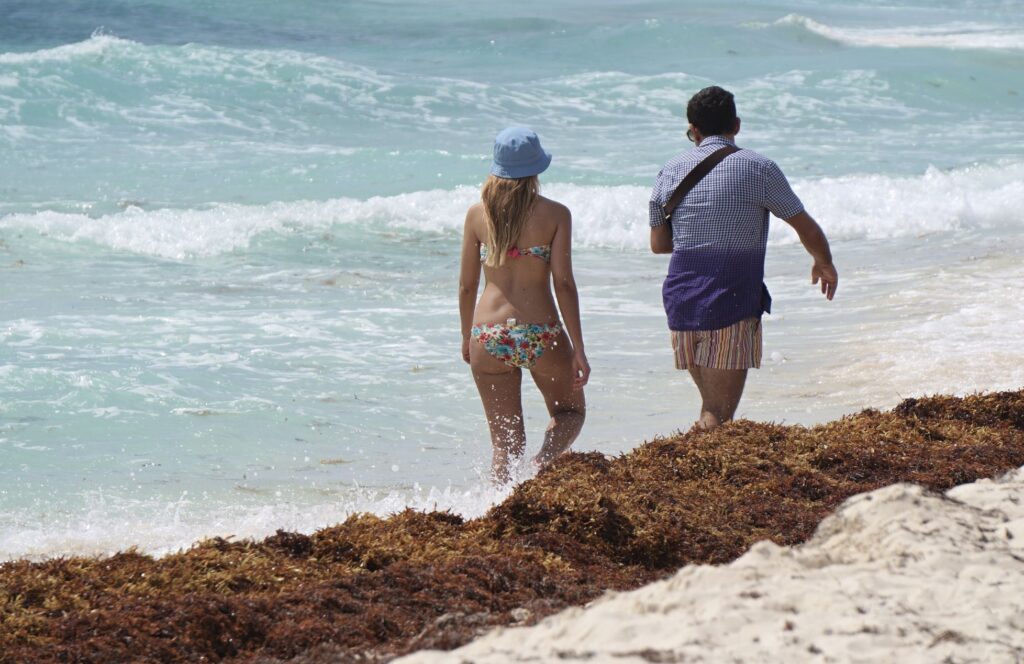
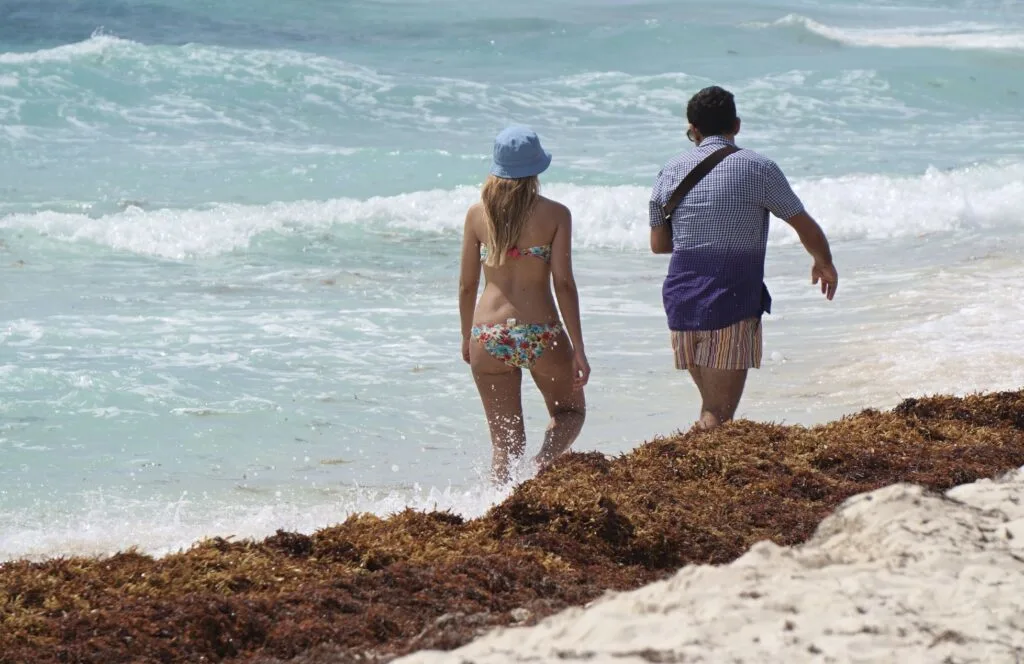
To support the fleet, the military has already anchored 9,500 meters of heavy-duty containment barriers into the water to snag the floating mats as they approach the reef line. In response to the early March surge, naval engineers are currently rushing to deploy an additional 6,000 meters of netting to physically shield the most heavily trafficked tourist corridors along the Riviera Maya.
The Ground Truth: Don’t Let Rumors Ruin Your Trip
Even with a literal naval armada fighting the algae offshore, nature occasionally wins. Some sargassum will inevitably breach the nets and wash ashore this month.
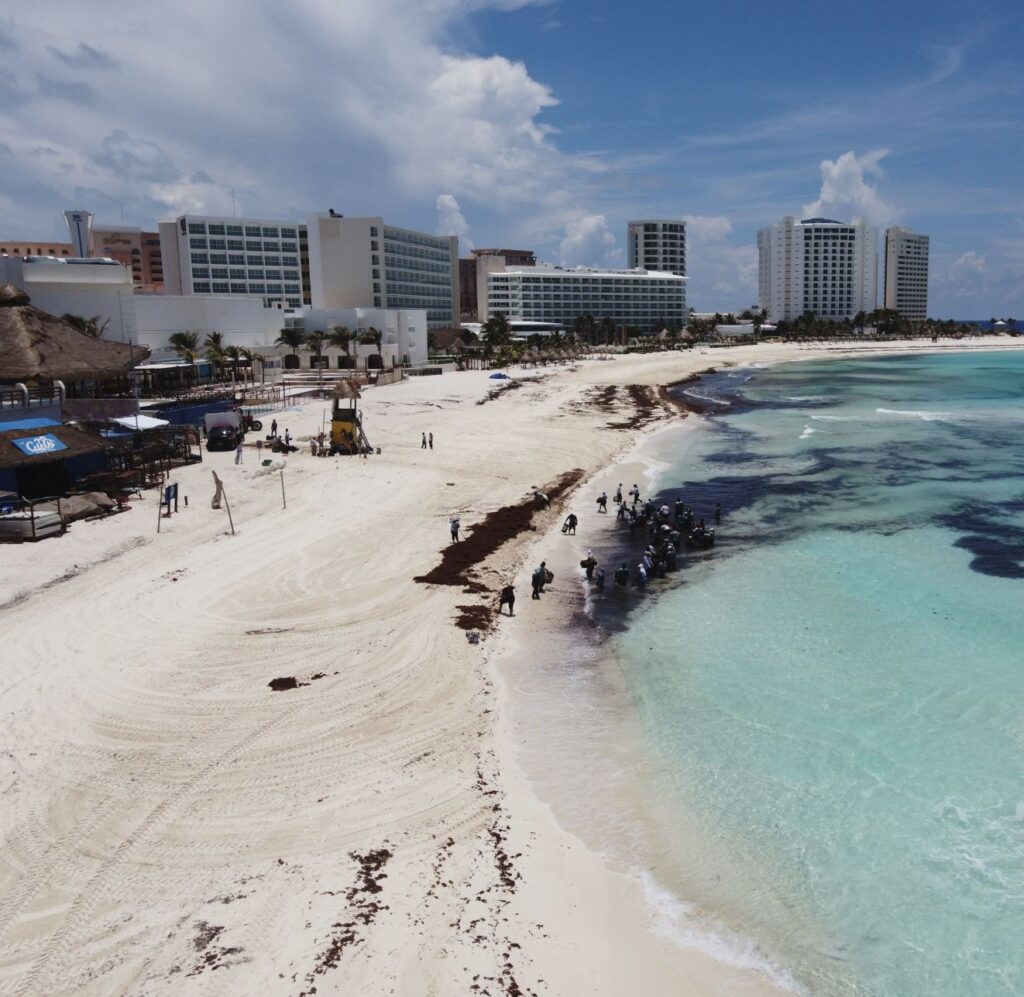
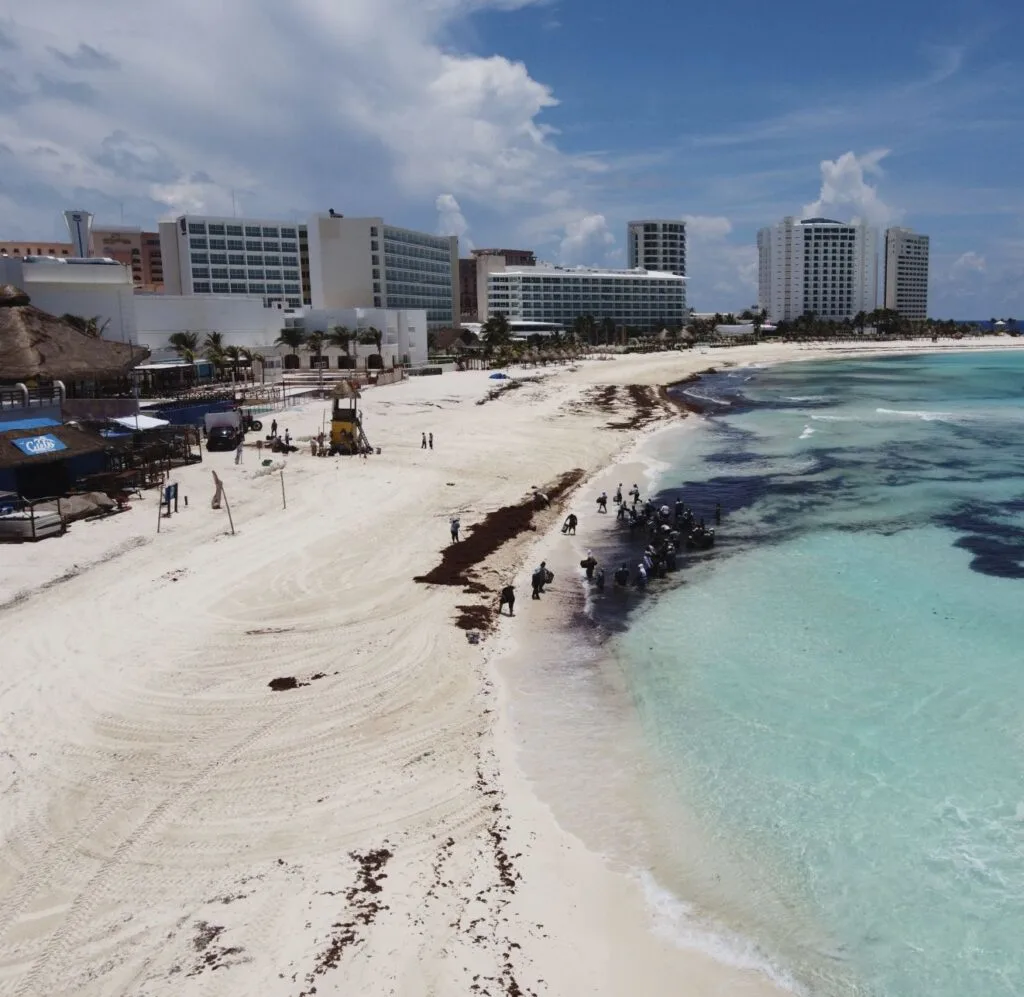
When that happens, the internet loses its mind. Between dozens of conflicting news stories, viral TikToks, and week-old Facebook group posts, you never quite know what the truth is regarding the beaches. Headlines will tell you the coast is buried; Instagram influencers will show you pristine white sand. Who do you trust?
There is one thing that can’t lie, can’t exaggerate, and can’t make up data: Live webcam feeds.
Sargassum is entirely unpredictable. It can be a disaster on Monday and pristine on Tuesday. That is why viral social media posts are often useless—they simply can’t keep up with the changing tides. The only way to know the truth is to see it with your own eyes.

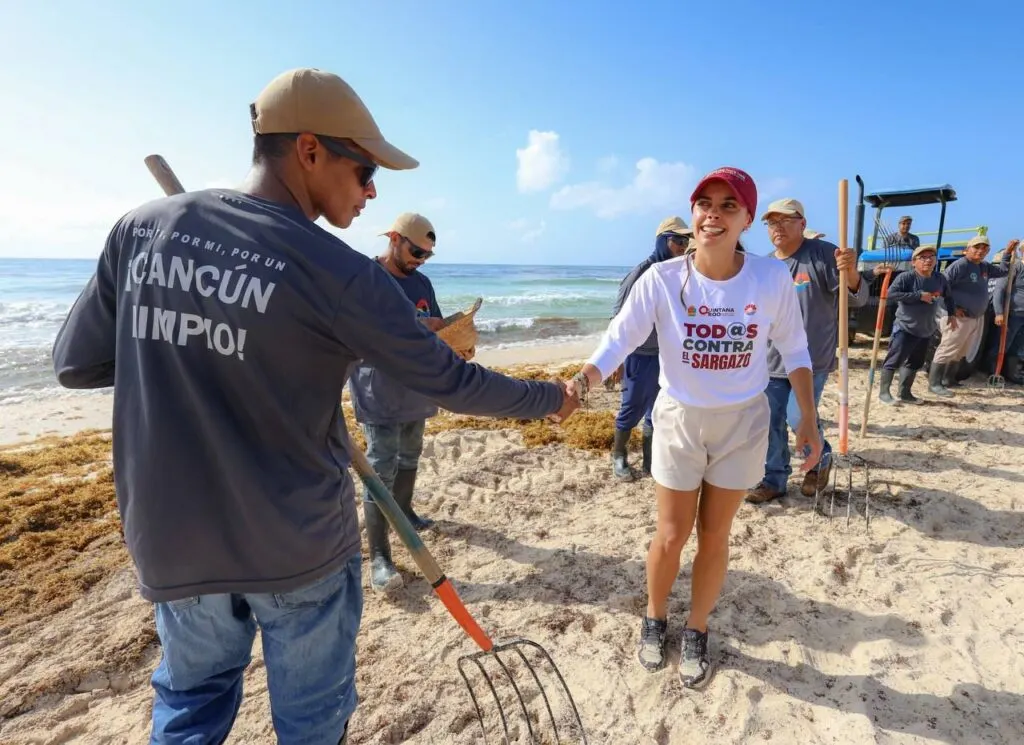
Here at The Cancun Sun, we have built a centralized hub of 24-hour live camera feeds covering the most popular stretches of sand from the Cancun Hotel Zone all the way down to Tulum. Instead of guessing, you can check the exact water clarity and sargassum levels right outside your specific hotel.
Check The Cameras Before You Fly: Live Cancun Sargassum Webcams: Search Your Resort To See Current Conditions
The Pivot Playbook
If you are traveling to the Mexican Caribbean this month, you do not need to alter your dates—you just need to pack a little flexibility and check the live feeds. If the cameras show that a rogue ocean current dumped a fresh mat of seaweed onto your specific beach, simply execute a backup plan:
- Trust The Pool Deck: You likely paid a premium for a luxury resort with a sprawling, multi-level pool complex. Enjoy the swim-up bar while the Zofemat tractor crews do the heavy lifting on the sand.

- Island Hop For Shielded Beaches: Geography is your best friend. Take the Ultramar ferry to Isla Mujeres or Cozumel. The west-facing beaches on these islands (like the famous Playa Norte) are naturally shielded from the eastward-blowing sargassum currents and remain virtually flawless year-round.
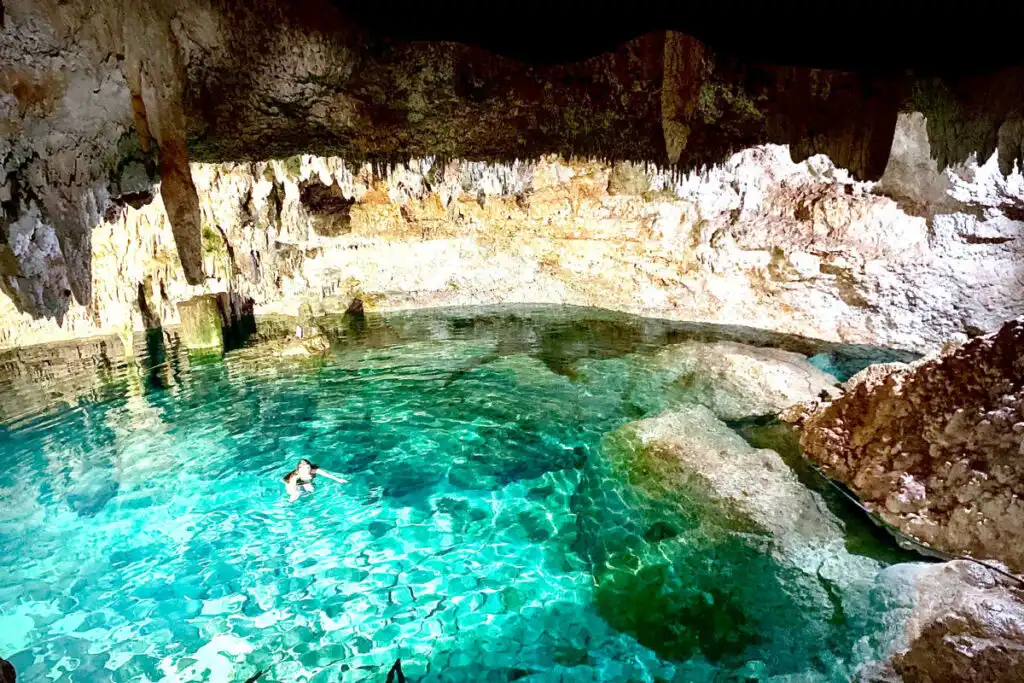
- Retreat To The Jungle: When the coastline is compromised, head inland. The Yucatan Peninsula is built over thousands of underground freshwater cenotes. These stunning, crystal-clear sinkholes are entirely immune to sargassum and offer a perfect swimming alternative.
The 2026 sargassum season is officially ramping up, but armed with the Navy’s defenses, a flexible itinerary, and live webcam data, it will not ruin your vacation.
The Ultimate Cancun Trip Planner
When’s the best time to go? Our powerful month-by-month guide breaks down the weather, crowds, sargassum, and prices for your perfect trip.
Find Your Perfect Cancun & Riviera Maya Resort In Seconds
This simple, powerful tool was built by our on-the-ground experts to match you with the ideal resort for your specific budget and travel style.
Subscribe to our Latest Posts
Enter your email address to subscribe to The Cancun Sun’s latest breaking news affecting travelers, straight to your inbox.