
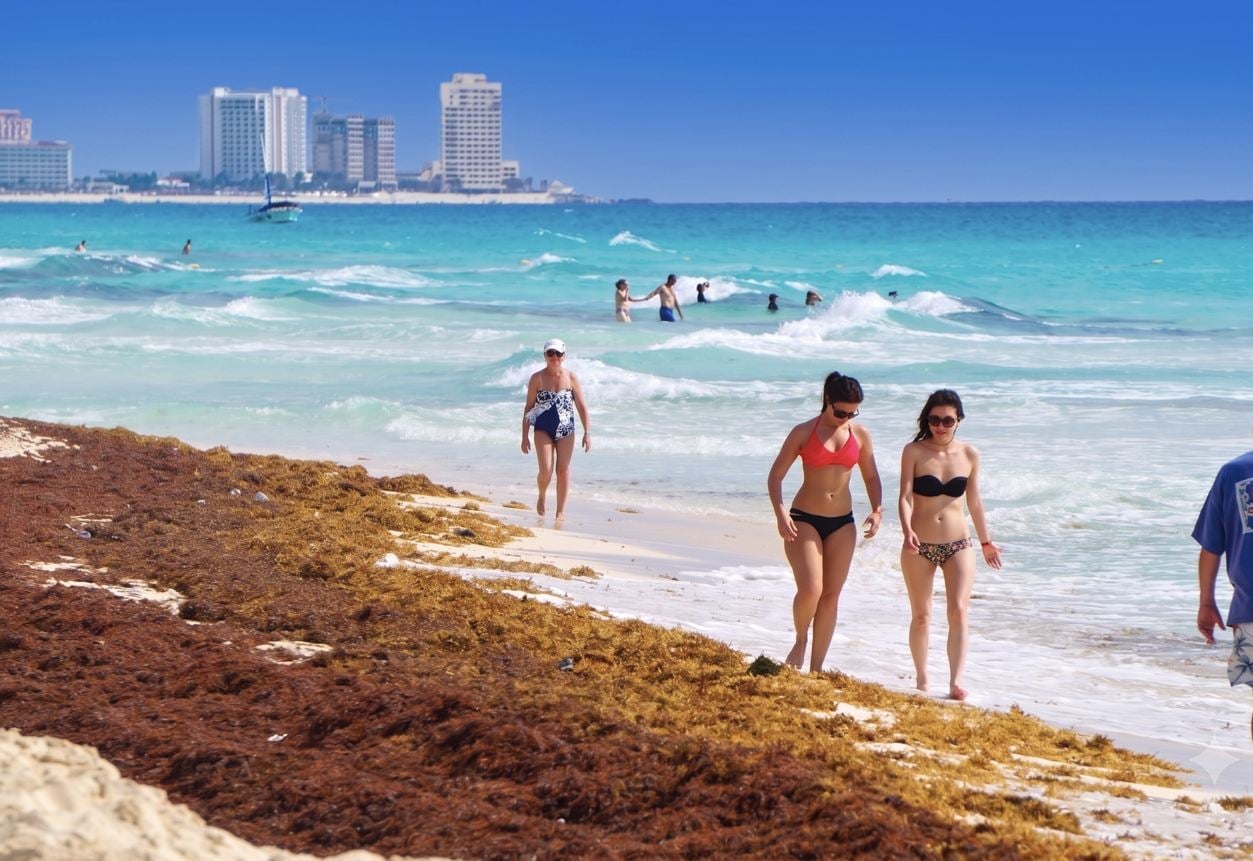
When Americans save up all year for a pristine Caribbean getaway, the last thing they want to see upon arrival is a shoreline choked with brown, foul-smelling algae. If you have been tracking the travel news lately, you already know that the Mexican Caribbean is facing a massive environmental hurdle this year. Environmental officials are currently projecting a staggering 119,000 tons of sargassum to wash up on the coast by the end of 2026.
If you are a traveler holding a booking for Cancun, Playa del Carmen, or Tulum, that record-breaking number probably sounds like a total vacation killer. If you are used to the meticulously raked sands of South Beach, the clear waters of the Florida Keys, or the predictable tides of Southern California, the idea of wading through thick seaweed is a tough pill to swallow.
However, you do not need to panic or cancel your flights just yet.
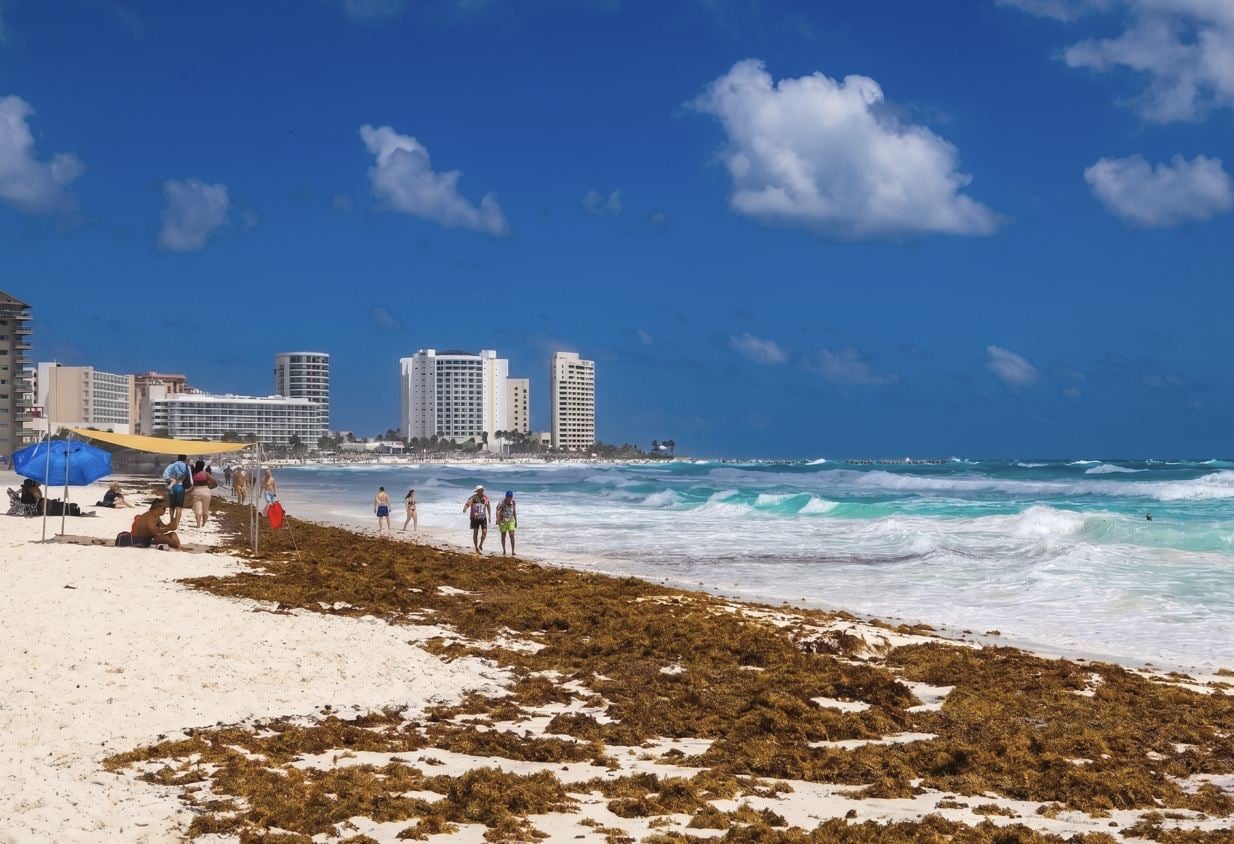
Frequent travelers to Mexico are exhausted by the standard, repetitive “seaweed is bad” reports. You want to know what is actually being done to protect your investment and ensure you can still enjoy the ocean. The good news is that the Mexican government is no longer relying on guys with pitchforks and wheelbarrows to manually clear the sand.
This week, Mexico officially announced a massive, high-tech joint program with Japan to deploy robotics, specialized vessels, and satellite monitoring to fight the invasion head-on.
Here is exactly how this futuristic coastal defense will impact your upcoming beach days.
The Japan-Mexico Tech Alliance
Tackling a marine issue of this size requires serious industrial muscle.
To put that in perspective, the sheer volume of this algae dwarfs the occasional red tide events we experience on the Florida Gulf Coast. To combat these relentless waves of sargassum, the Mexican Foreign Ministry has partnered directly with Japan to completely overhaul how the Caribbean coast is maintained.
Instead of waiting for the seaweed to bake and rot on the sand under the tropical sun, this new initiative focuses on stopping it before it ever reaches your beach chair.
Japan is introducing advanced ocean-monitoring technology, specialized aquatic sensors, and cutting-edge robotics to the region. More importantly, they are deploying highly specialized sargassum-collecting ships that are specifically adapted to harvest the macroalgae out in the open sea.
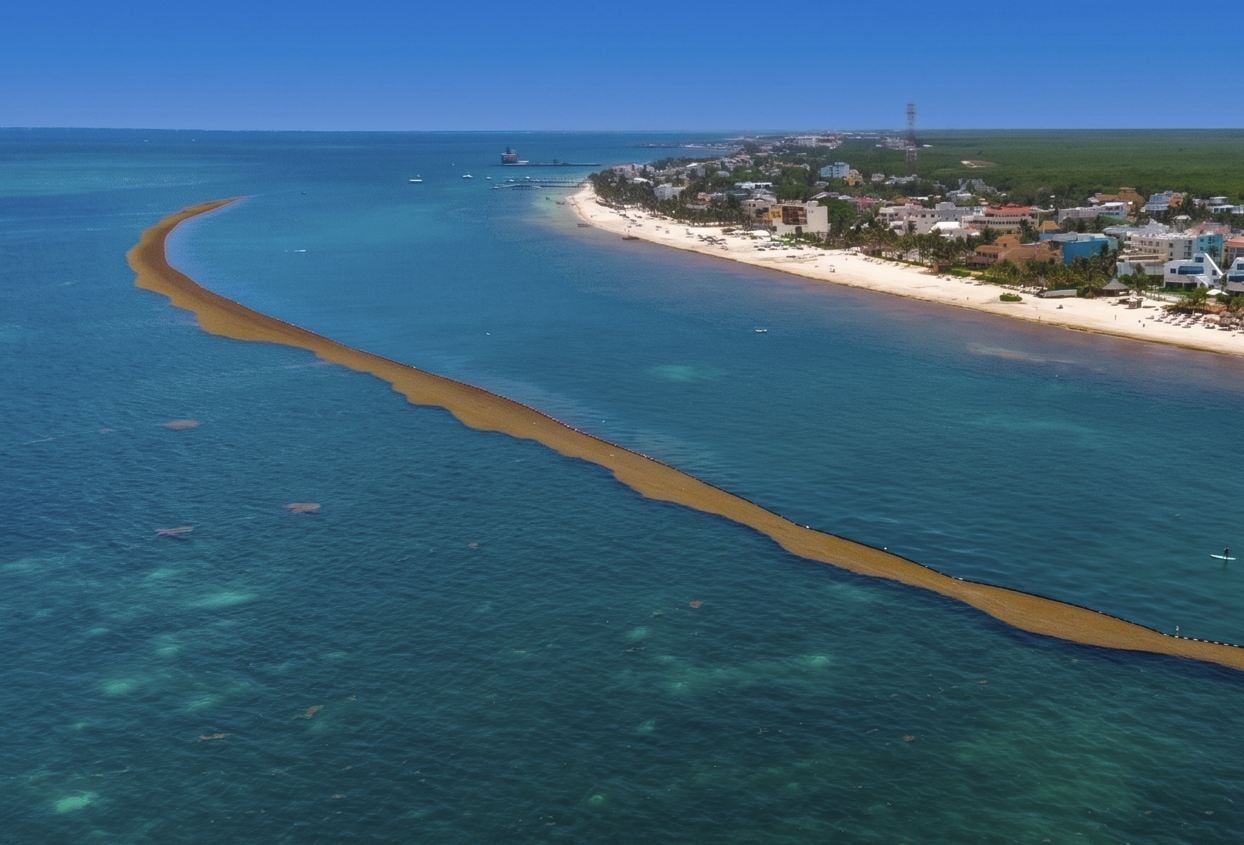
For travelers staying at beachfront resorts this fall, this means you might spot these high-tech Japanese vessels operating off the coast, acting as a massive aquatic vacuum system to intercept the seaweed before it can ruin the shoreline.
Eyes in the Sky: Satellite Monitoring
Back stateside, we rely on advanced radar and satellite imagery to track incoming hurricanes or severe weather systems before they make landfall. Mexico is now applying that exact same concept to the sargassum belt.
The new joint initiative features dedicated satellite monitoring designed to track the massive offshore algae blooms in real-time.
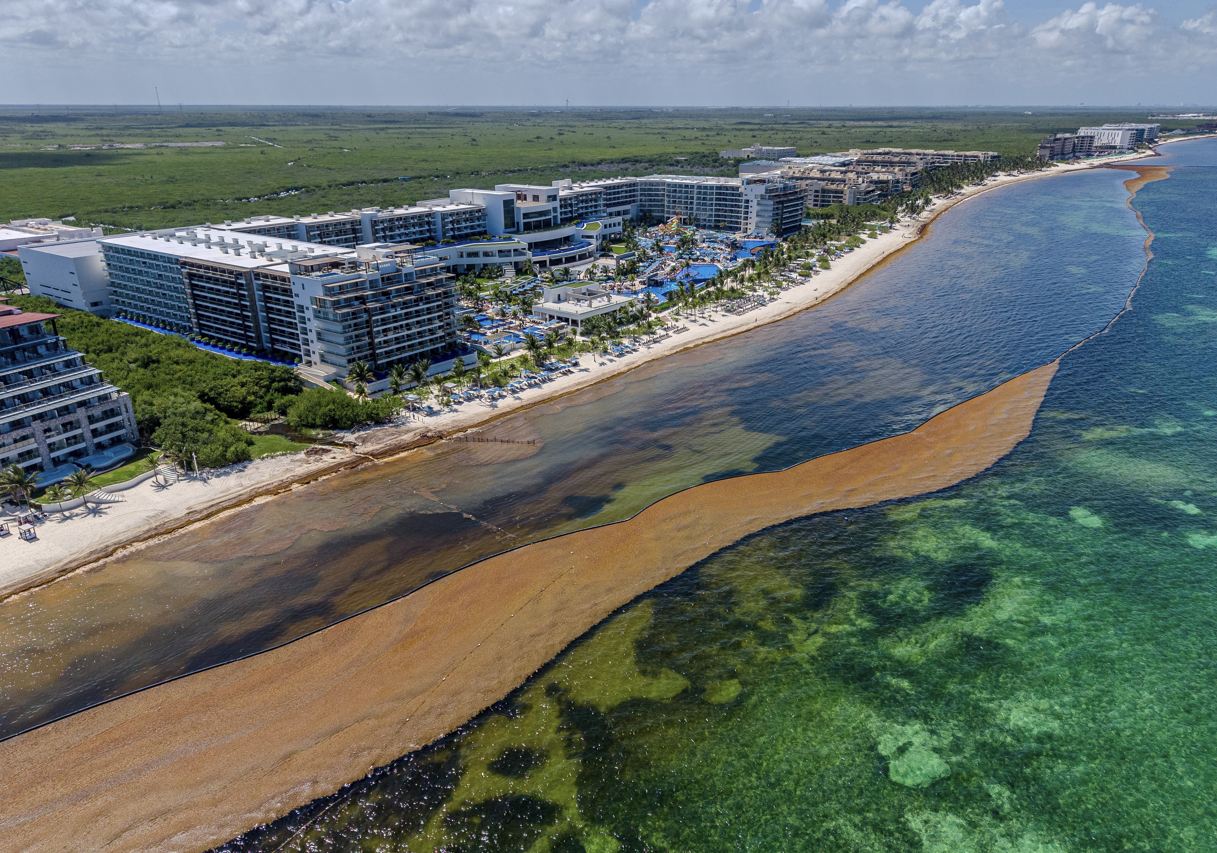
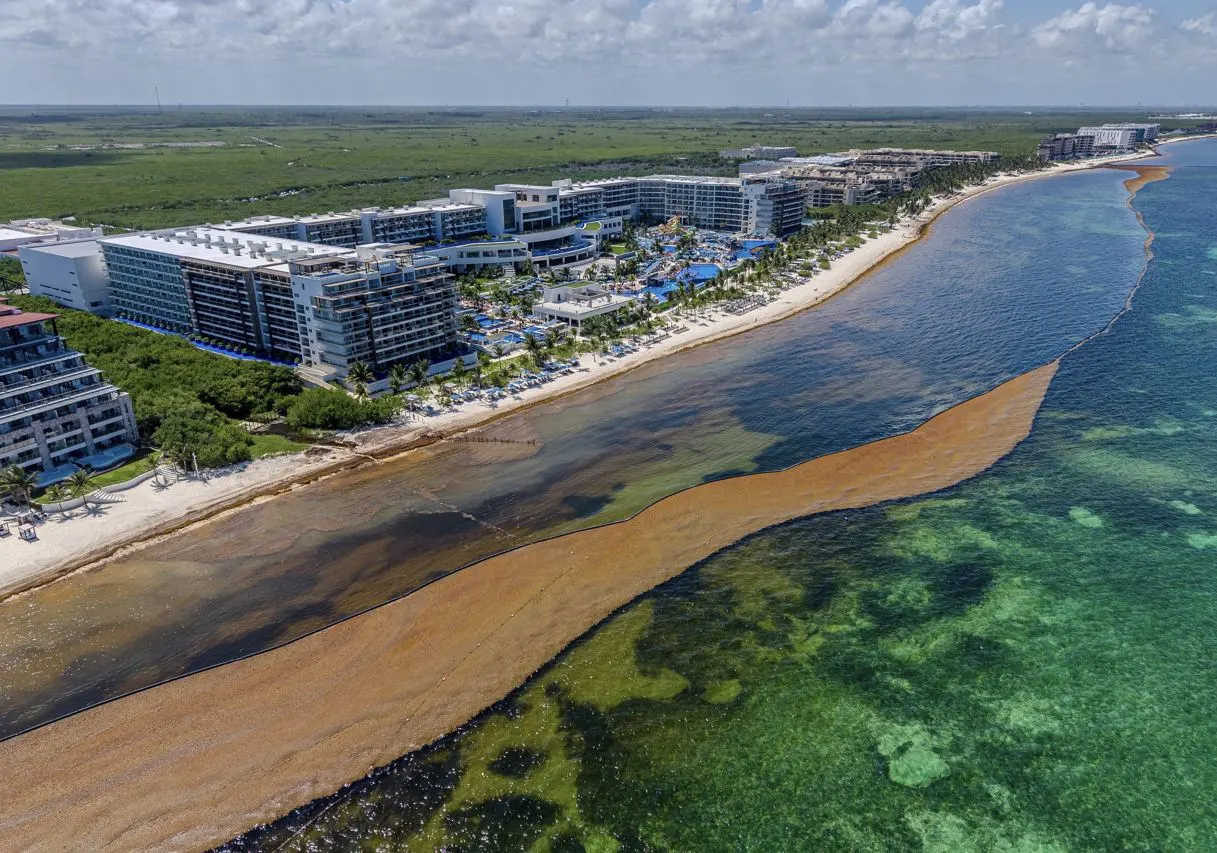
By utilizing these “eyes in the sky,” local authorities, the Mexican Navy, and individual resort managers will know exactly when and where the heaviest waves of seaweed are going to hit.
This predictive modeling allows them to proactively deploy containment barriers and robotic harvesting ships to the hardest-hit zones days in advance, rather than reacting blindly after the sand is already covered.
A $115 Million Federal Investment
This high-tech deployment is not just a theoretical experiment; it is being backed by serious financial firepower.
President Claudia Sheinbaum recently pledged $115 million in federal funds specifically to battle the sargassum influx in the state of Quintana Roo.
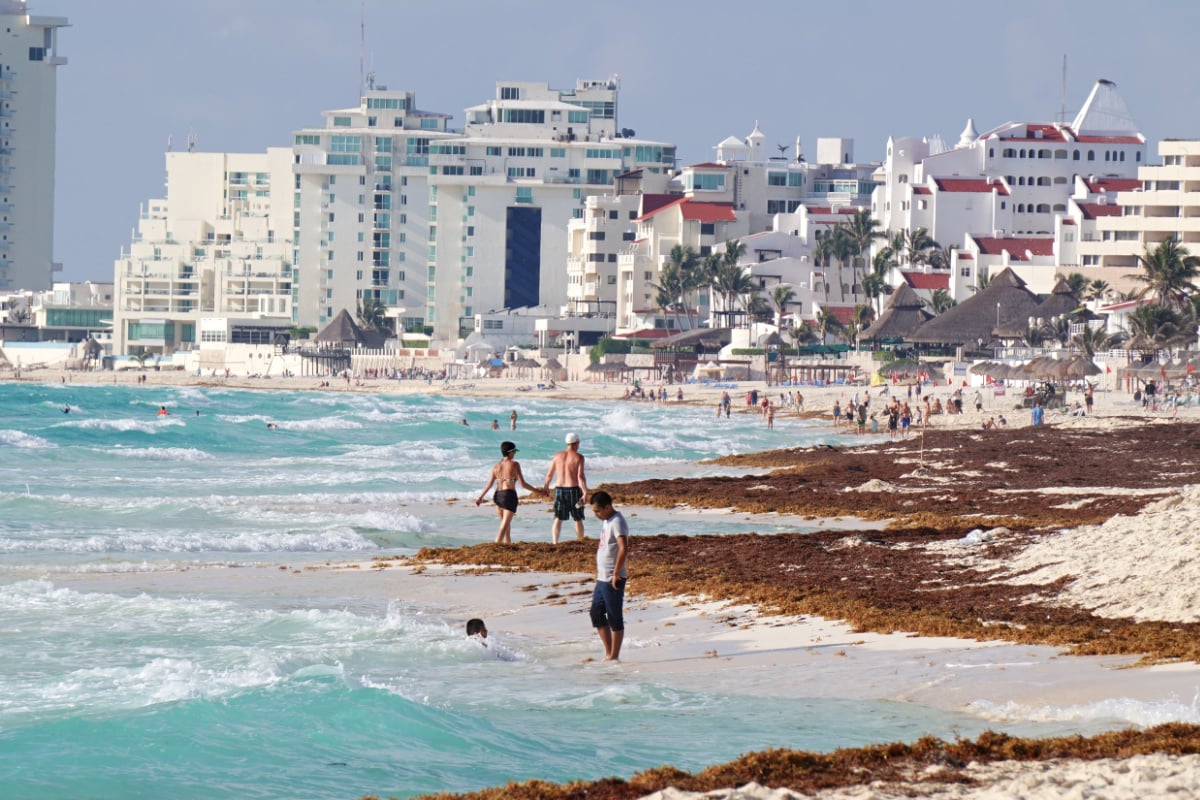
This massive budget will cover sargassum control efforts across 30 miles of beachfront, directly protecting the main tourist hubs of Cancun, Playa del Carmen, Puerto Morelos, Tulum, and Mahahual. Furthermore, the collaboration is heavily focused on biological decomposition technologies and converting the harvested sargassum into commercially viable products.
Instead of piling the seaweed in landfills, research teams are working to turn it into sustainable building materials, biofuels, and agricultural fertilizers.
What This Means For Your Fall Getaway
If you are gearing up for a Mexican escape this fall, you are walking into a highly active, heavily funded environmental defense zone.

While no system can guarantee a completely seaweed-free experience during a record-breaking year, the introduction of robotics, satellite tracking, and offshore collection vessels drastically changes the reality on the ground.
Mexico knows exactly how important American tourism is to their economy, and they are bringing in world-class technology to ensure your hard-earned vacation remains as pristine as possible.
You can expect to see a much more organized, high-tech approach to beach maintenance during your stay, meaning fewer foul odors on the sand and significantly more clear water for your morning swim.
Join Our Cancun Sun Community of 16,000+ Members
Get real-time answers to your travel questions from our team of local experts and thousands of fellow travelers directly inside our interactive group.
Find Your Perfect Cancun & Riviera Maya Resort In Seconds
This simple, powerful tool was built by our on-the-ground experts to match you with the ideal resort for your specific budget and travel style.
The Ultimate Cancun Trip Planner
When’s the best time to go? Our powerful month-by-month guide breaks down the weather, crowds, sargassum, and prices for your perfect trip.
Enter your email address to subscribe to The Cancun Sun’s latest breaking news affecting travelers, straight to your inbox.
Jim Langdon
Monday 10th of August 2026
I read the articles from the Cancun Sun every day. Look forward to them. Today in the article, it sounded like only Americans go to the area. I am Canadian and holiday for 5 weeks in Puerto Morelos every year and love it. Please try to use a generic term to describe your visitors when describing the area. I understand that the USA will have more going to Cancun than other countries but remember-everyone leaves their money.