
The transfer between the Cancun International Airport and the Hotel Zone is about to get a whole lot faster.
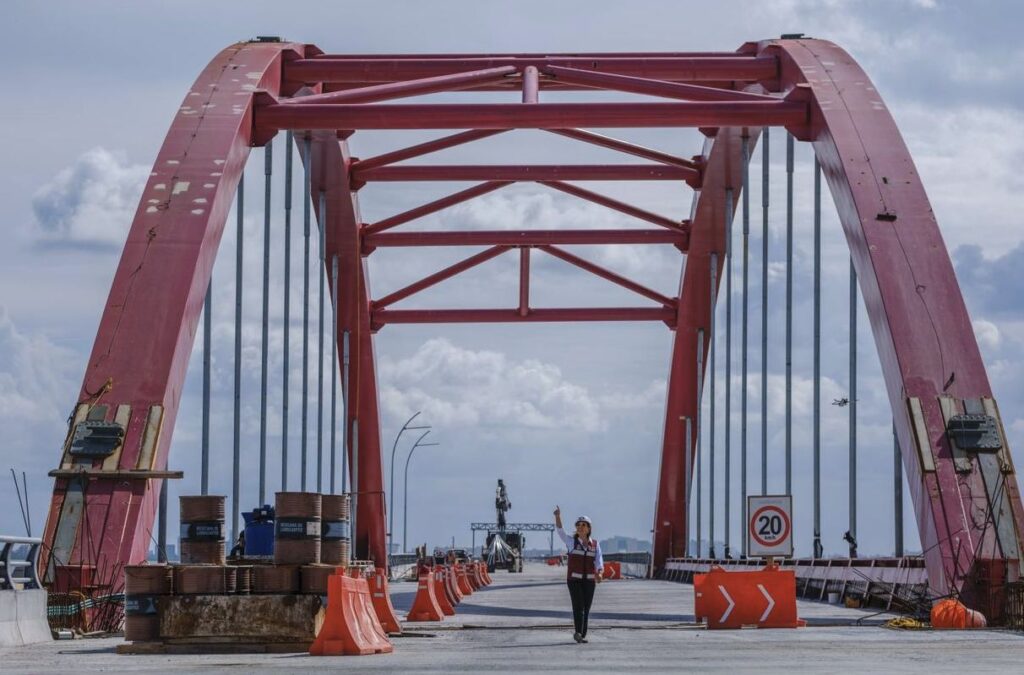
During a site inspection this Friday, President Claudia Sheinbaum and Infrastructure Secretary Jesús Antonio Esteva Medina officially confirmed that the Nichupté Vehicular Bridge is on track to open to the public by the end of April 2026.
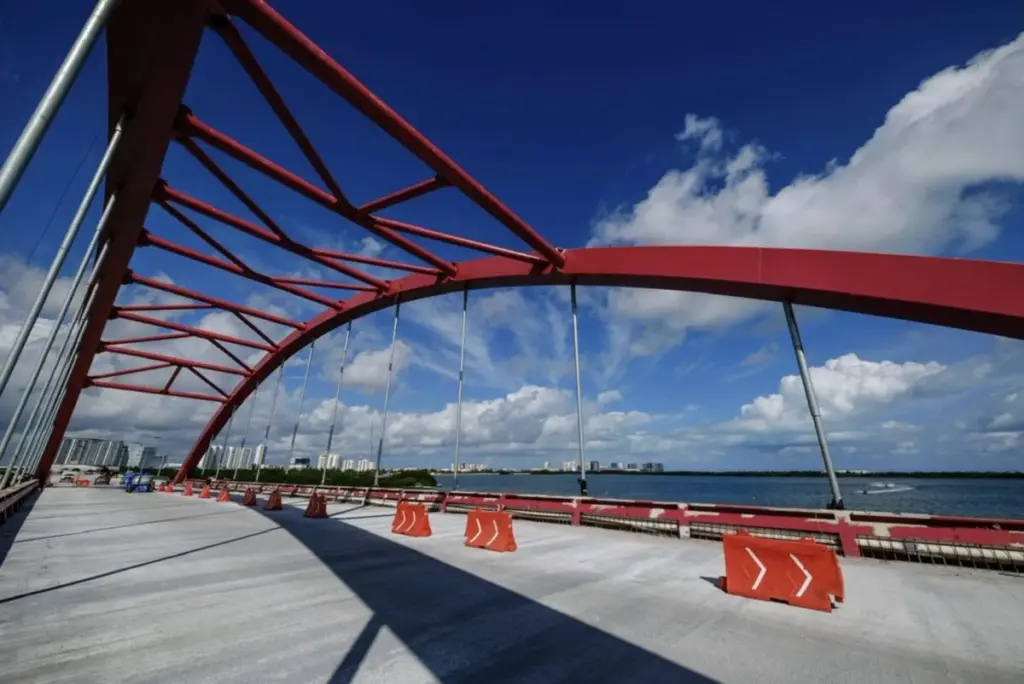
While the mega-project has faced significant delays over the past few years, its completion introduces the most important infrastructure upgrade for Cancun travelers in recent memory. For millions of international tourists flying into the Mexican Caribbean this year, the opening of this bridge fundamentally changes the transportation logistics of a Cancun vacation.
Here is exactly how the new route will streamline your airport transfer and daily excursions.

The Current Airport Transfer Bottleneck
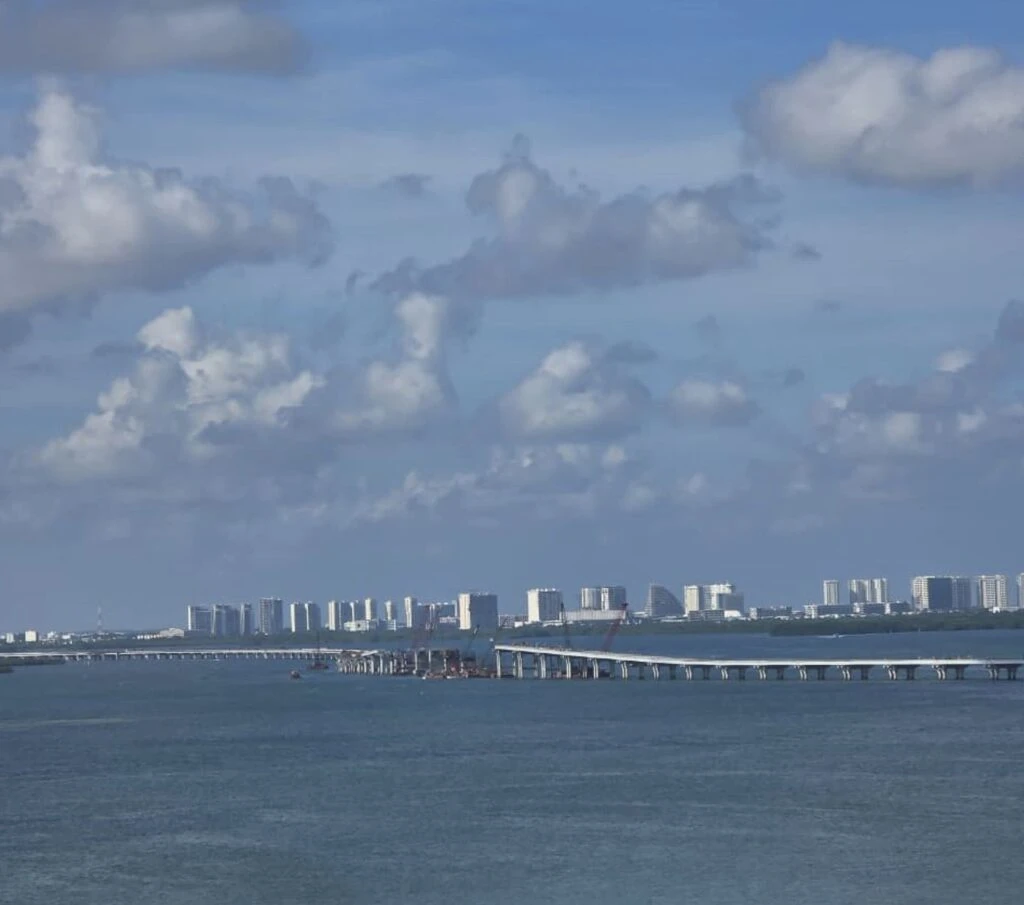
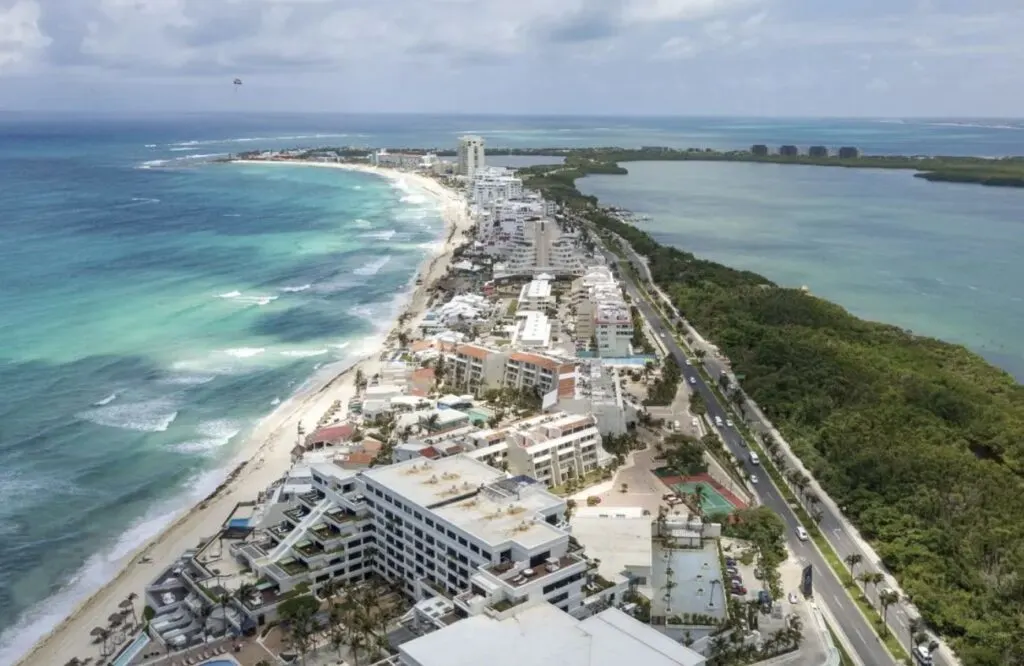
To understand why this bridge is such a massive development, you have to look at the geography of Cancun. The famous Hotel Zone is essentially a 22-kilometer island shaped like a number seven, connected to the mainland by only two access points: one at the north end near downtown, and one at the south end near the airport.
Because Boulevard Kukulcán is the single artery running through the entire Hotel Zone, airport transfers are highly dependent on local traffic volume. While traffic flows perfectly fine on an average day, the lack of alternative routes means that a minor fender bender, heavy rain, or peak afternoon arrival times can quickly cause localized congestion. Travelers often find themselves budgeting extra hours for their departure transfers just to ensure they do not miss their flights.
The 10-Minute Shortcut Across the Lagoon
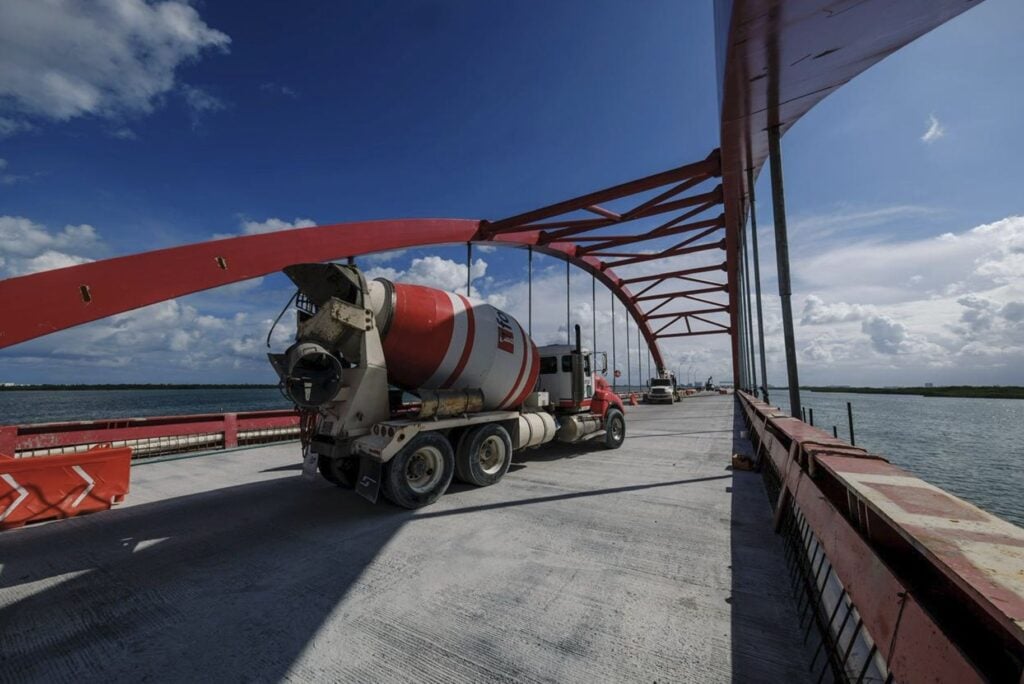
The new Nichupté Vehicular Bridge completely alters this dynamic. Spanning more than 11 kilometers (about 6.8 miles), the massive structure cuts directly across the Nichupté Lagoon, acting as a direct overwater highway from the mainland straight into the central heart of the Hotel Zone.
By utilizing this new route, airport shuttles, taxis, and private drivers can completely bypass the traditional downtown intersections and the busy southern entry point. Once the bridge is fully operational, the drive from the airport highway directly to the center of the resort strip is expected to drop to roughly 10 minutes depending on where you are headed in the hotel zone. This effectively eliminates the unpredictability of the transfer, getting travelers out of their transit vans and onto the beach faster.
A Vital Third Access Point for the Hotel Zone
Beyond just airport transfers, the Nichupté Bridge acts as a central pressure valve for the entire city. For decades, the area has operated without a middle exit.
Giving the Hotel Zone a third dedicated entry and exit route provides massive benefits for travelers looking to leave their all-inclusive resorts for day trips. Tour vans heading south to the Riviera Maya, Playa del Carmen, Tulum, or the popular cenotes can now exit the Hotel Zone immediately. Instead of driving the entire length of the strip to get out, tours can cross the lagoon and hit the highway, meaning earlier arrival times at excursions and less time sitting in a crowded bus.
It also provides seamless connectivity for travelers utilizing the new Maya Train, allowing for rapid transit between the resort district and the main Cancun railway station.

Environmental Hurdles and Toll-Free Access
Building the longest lagoon-crossing structure in Mexico was not without its challenges. The project, originally announced alongside the Maya Train in 2023, required extensive environmental studies to protect the delicate mangroves and the lagoon’s ecosystem.
Engineers had to adapt the construction to the region’s porous limestone seabed, utilizing specialized techniques to sink massive pillars without disrupting the natural water flow. These technical challenges, along with rising material costs, pushed the initial budget from roughly 4 billion pesos to nearly 11 billion pesos.
Despite the cost overruns, the Mexican government has officially confirmed that the Nichupté Bridge will be 100% toll-free for all vehicles. Furthermore, the sweeping elevation provides a brand-new scenic entry into the city, offering travelers a panoramic view of the turquoise waters before they even reach their hotel.
The Nichupté Bridge
The Ground Truth: The April Timeline
While the President has doubled down on the late April opening following successful load tests this week, travelers should maintain realistic expectations. The physical span is now fully connected across the water, and paving operations are in their final stages.
Even if final safety certifications or minor finishing touches push the grand opening a few weeks into May, the core structure is built. The era of relying on a single road to navigate Cancun is coming to an end, and travelers are about to get a lot of their vacation time back.
The Ultimate Cancun Trip Planner
When’s the best time to go? Our powerful month-by-month guide breaks down the weather, crowds, sargassum, and prices for your perfect trip.
Find Your Perfect Cancun & Riviera Maya Resort In Seconds
This simple, powerful tool was built by our on-the-ground experts to match you with the ideal resort for your specific budget and travel style.
Subscribe to our Latest Posts
Enter your email address to subscribe to The Cancun Sun’s latest breaking news affecting travelers, straight to your inbox.