
If you turn on the evening news, you might think the biggest threat to your Cancun vacation is a high-speed cartel chase or an international kidnapping plot.
The reality on the ground is entirely different.
While the U.S. State Department does keep Quintana Roo at a Level 2 travel advisory (the exact same level as France and the UK), the actual statistics show that violent crime against tourists is incredibly rare. The real danger to your vacation isn’t a malicious attack; it is the combination of the “vacation mindset,” unfamiliar environments, and a few too many margaritas.
From the ocean to your hotel balcony, here are the most common ways tourists actually get hurt in Cancun—and exactly how you can avoid them.
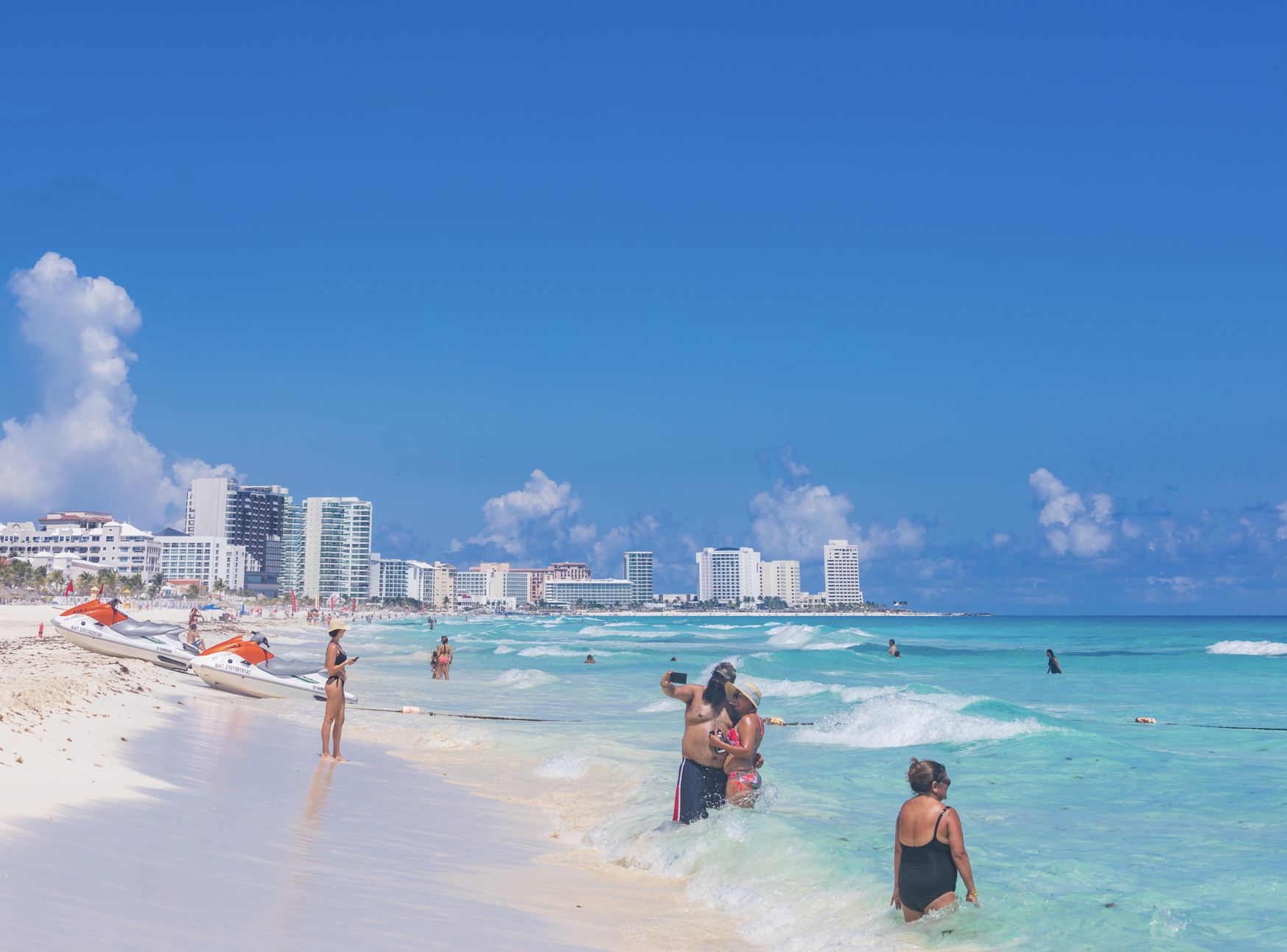
1. The Ocean: Rip Currents & Surf Zone Drowning
This is, by far, the leading cause of severe injury and fatality for tourists in the Mexican Caribbean.
The turquoise water looks calm in the brochures, but the Cancun Hotel Zone sits right on the open ocean. The coast frequently generates massive, powerful rip currents that can pull even Olympic-level swimmers out to deep water in seconds.
The biggest mistake tourists make is panicking and trying to swim against the current back to shore, which leads to rapid exhaustion and drowning.
How to Avoid It:
- Know How To Escape: If you get caught in a rip current, do not swim towards the beach. Swim parallel to the shoreline until you are out of the narrow current, and then swim diagonally back to land.
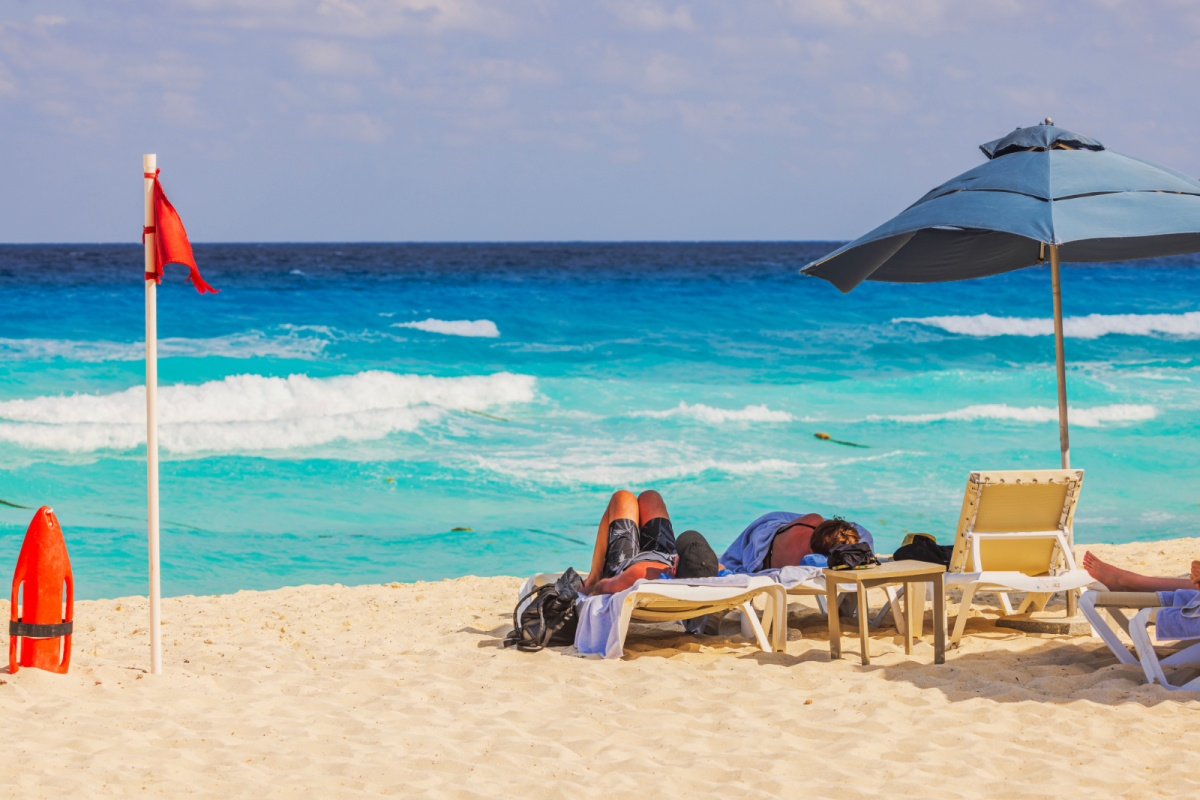
- Respect The Flags: Cancun uses a strict color-coded flag system on the beach. If you see a Red Flag, stay out of the water. If you see a Black or Double Red Flag, the beach is legally closed.
- Watch The Clock: A disproportionate amount of drownings happen early in the morning or late at night. Never swim outside of the official lifeguard hours (9:00 AM to 5:00 PM).
2. Balcony Falls & Resort Slips
When you combine an all-inclusive open bar, a hot sun, and severe dehydration, people tend to lose their spatial awareness.
Mexican building codes are different from those in the U.S. or Canada. You will frequently find lower balcony railings, wider gaps between balustrades, and highly polished marble floors that turn into ice rinks when they get wet from the pool. Falls from elevated heights (like resort balconies) are a recurring, catastrophic category of tourist injury, almost always involving heavy alcohol consumption.
How to Avoid It:
- Pace Yourself: The open bar isn’t going anywhere. Drink a glass of water for every alcoholic beverage you consume.
- Watch Your Step: Never run near the pool deck or through the resort lobby in wet sandals.
- Balcony Safety: Do not sit on the railing, lean over the edge to talk to friends below, or try to climb between balconies.

3. “Montezuma’s Revenge” (Gastrointestinal Illness)
Up to 40% of travelers to developing nations experience some form of stomach distress. While the massive resort buffets look amazing, they present a huge challenge for temperature control and sanitation.
Exposure to new bacteria or parasites (like Cyclospora) from contaminated water or improperly handled food can ruin your trip with severe, dehydration-inducing illness.
How to Avoid It:
- The Golden Rule of Food: “Boil it, cook it, peel it, or forget it.”
- Water Safety: Never drink the tap water. Use bottled water for everything, including brushing your teeth. (Don’t worry about the ice in your resort drinks; it is almost always made from purified water and shaped like a cylinder with a hole in the middle).
- Buffet Strategy: Only eat hot food that is actually steaming hot, and cold food that is properly chilled. Skip the room-temperature salads or raw fruits that you didn’t peel yourself (like apples or berries). Stick to fruits with thick skins like bananas or oranges.


4. Excursion Accidents (ATVs & Cenotes)
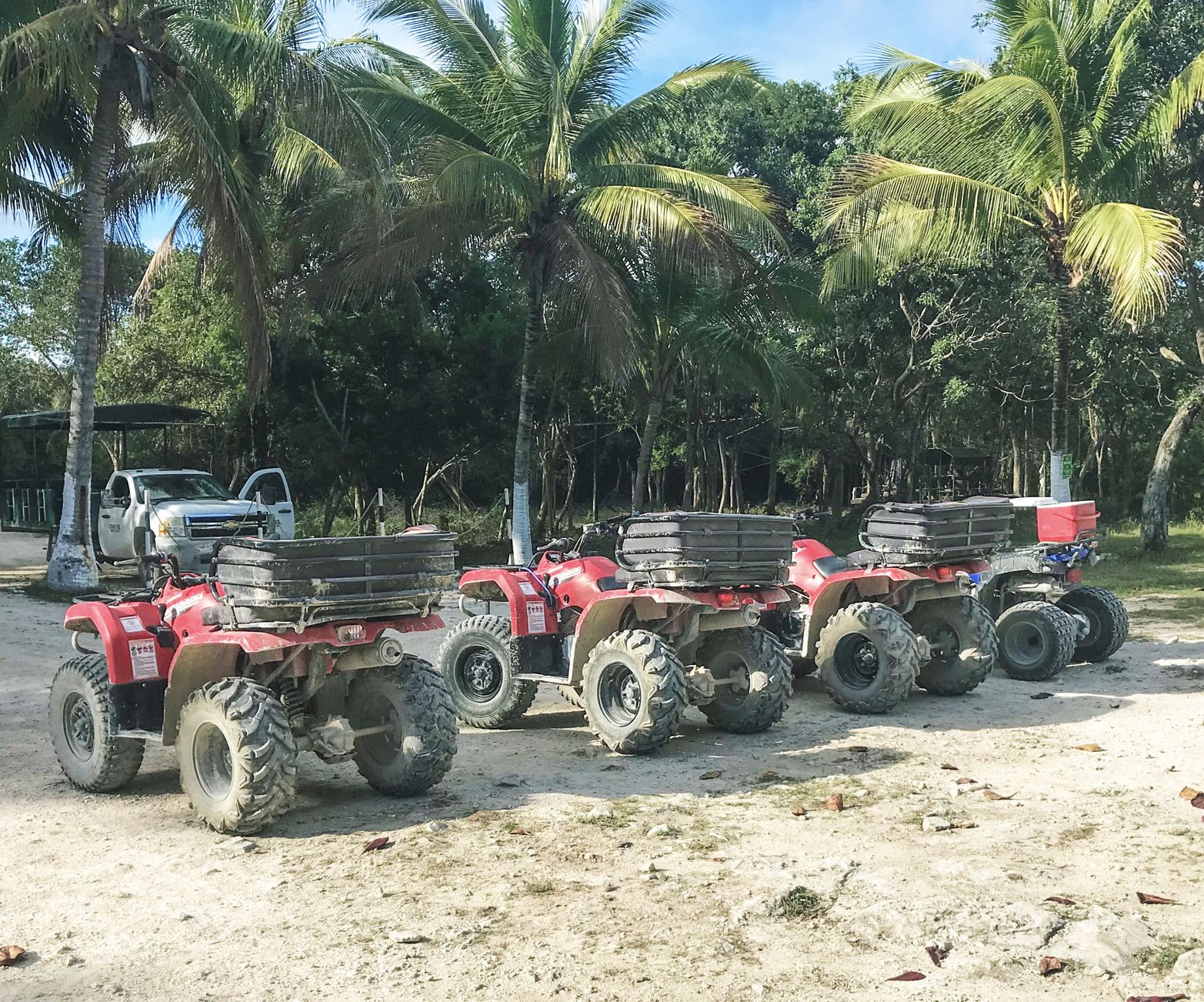
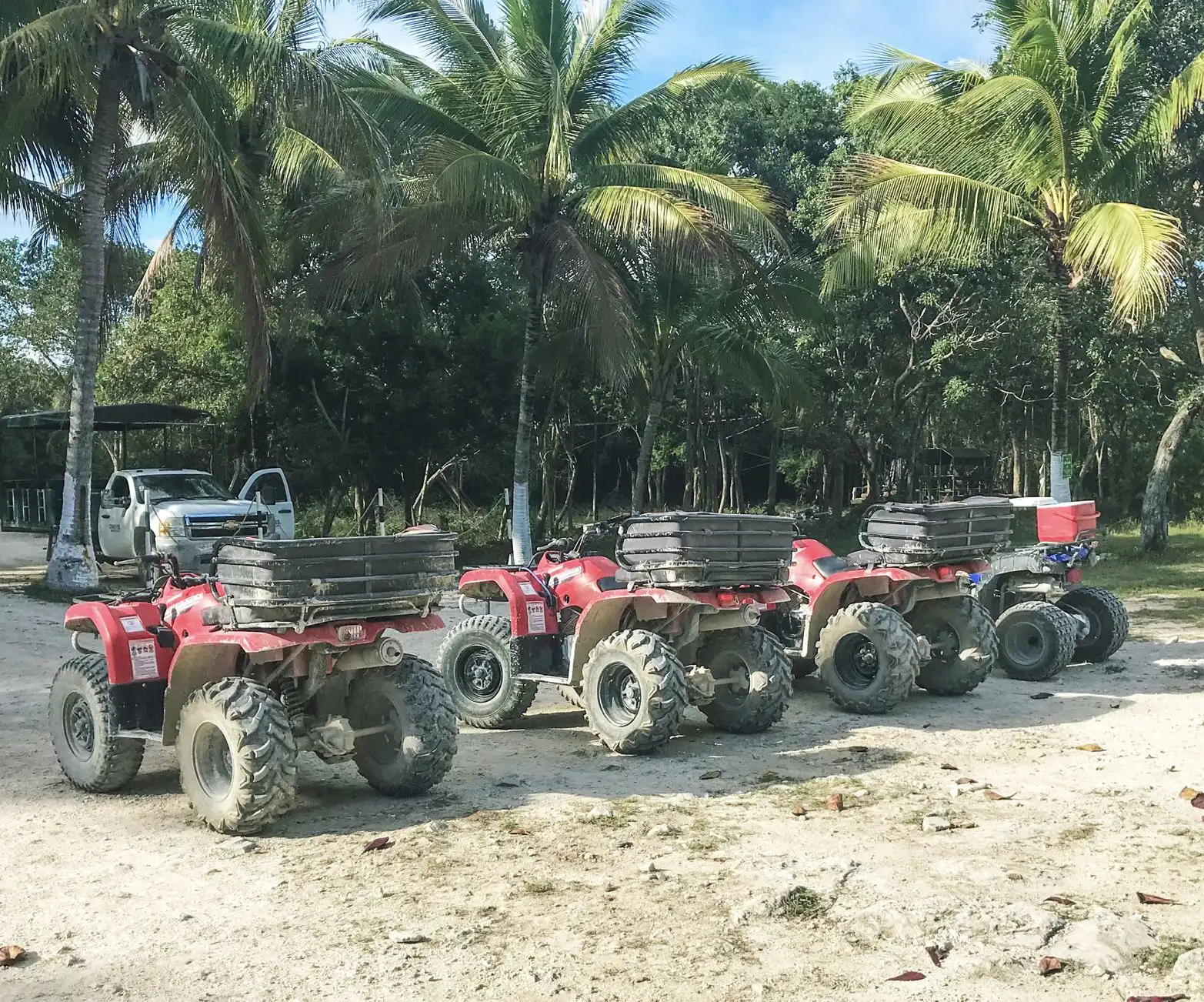
The Yucatán Peninsula is famous for jungle ATVs, zip-lining, and diving into cenotes (natural limestone sinkholes). However, the safety standards and equipment maintenance among tour operators vary wildly.
Booking a cheap, heavily discounted jungle tour from a random guy on the beach often means you are getting on an ATV with bad brakes or zip-lining with a frayed harness. Furthermore, slipping on the algae-coated limestone stairs leading down into a cenote is a major cause of orthopedic injuries.
How to Avoid It:
- Verify The Operator: Only book excursions through verified, reputable companies that hold a National Tourism Registry (RNT) certification and actual liability insurance. Your hotel concierge can help you find legitimate operators.
- Cenote Safety: Wear proper water shoes with heavy grip when walking down into the sinkholes, and never dive headfirst into the water, as the depth is often unpredictable.
5. Toxicological Threats (Tainted Alcohol & Fake Pharmacies)
This is a severe, insidious risk that catches many tourists off guard.
To maximize profits, corrupt supply chains sometimes dilute liquor with unregulated industrial chemicals like methanol. Drinking this tainted alcohol can cause rapid, catastrophic medical emergencies, including sudden unconsciousness or respiratory failure.
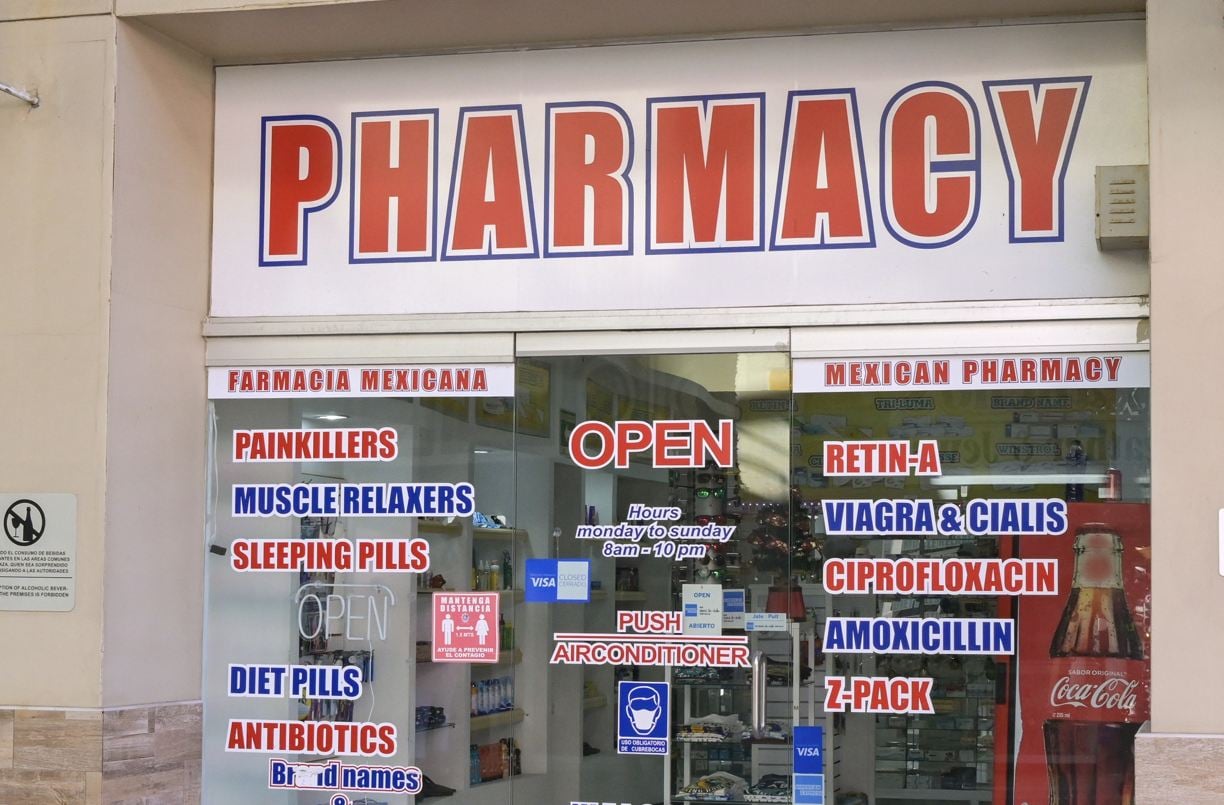
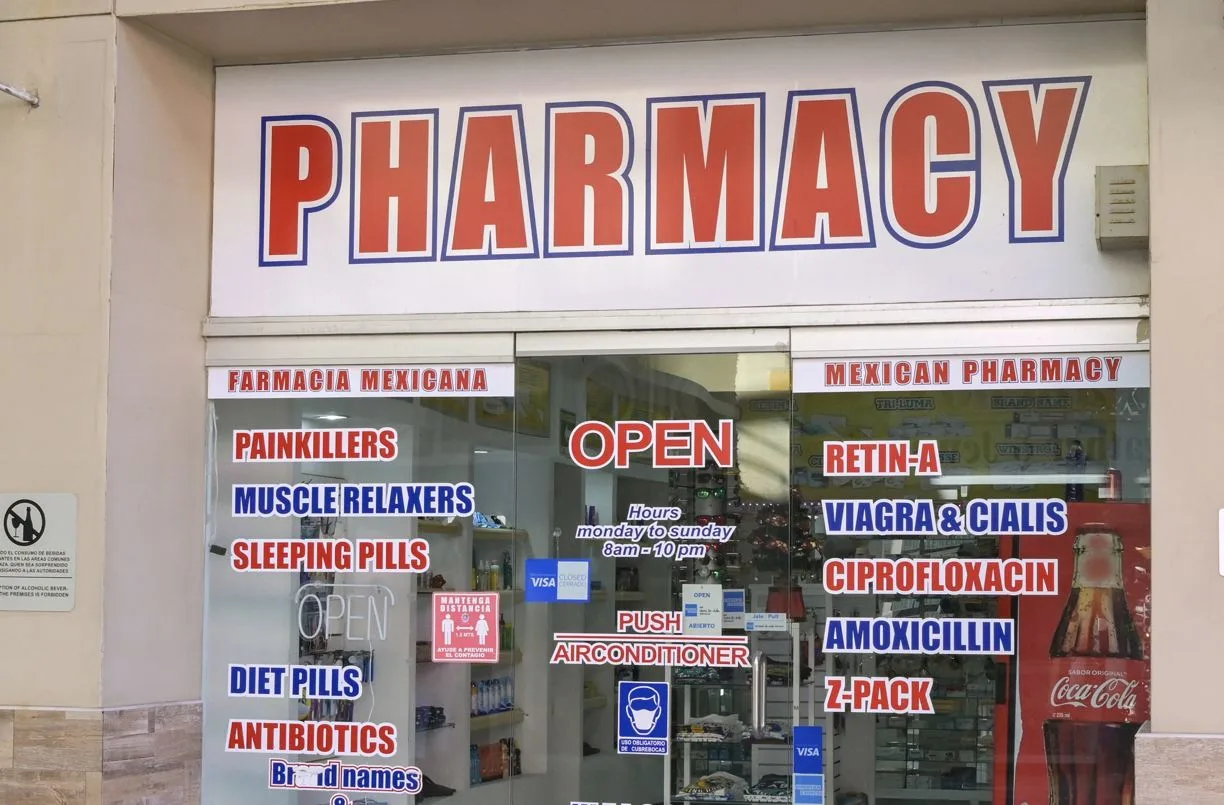
Similarly, many small, independent pharmacies operating on tourist strips sell counterfeit pills.
How to Avoid It:
- Drink Defense: Actively watch your drinks being made. If your drink smells strongly of chemicals or nail polish remover, do not drink it. Stick to factory-sealed beers or order brand-name liquors you recognize.
- Pharmacy Protocol: Never buy prescription medication from a small, independent tourist shop. If you need medicine, only go to massive, nationally regulated chain pharmacies like Farmacias del Ahorro or Farmacias Guadalajara.
The Ultimate Backup Plan: Travel Medical Insurance
If you do get hurt, you need to understand how the Mexican healthcare system works for tourists.
You will be taken to an elite private hospital (like Hospital Galenia or Amerimed in Cancun). These hospitals are world-class, but they operate strictly on an upfront, fee-for-service model. Your U.S. health insurance (including Medicare) will likely not cover you internationally.
If you have a major emergency, the hospital will demand thousands of dollars upfront before they provide non-stabilizing care. The absolute best way to avoid a financial disaster is to buy a robust Travel Medical Insurance policy before your trip that includes coverage for emergency medical evacuation.
The Ultimate Cancun Trip Planner
When’s the best time to go? Our powerful month-by-month guide breaks down the weather, crowds, sargassum, and prices for your perfect trip.
Find Your Perfect Cancun & Riviera Maya Resort In Seconds
This simple, powerful tool was built by our on-the-ground experts to match you with the ideal resort for your specific budget and travel style.
Subscribe to our Latest Posts
Enter your email address to subscribe to The Cancun Sun’s latest breaking news affecting travelers, straight to your inbox.