
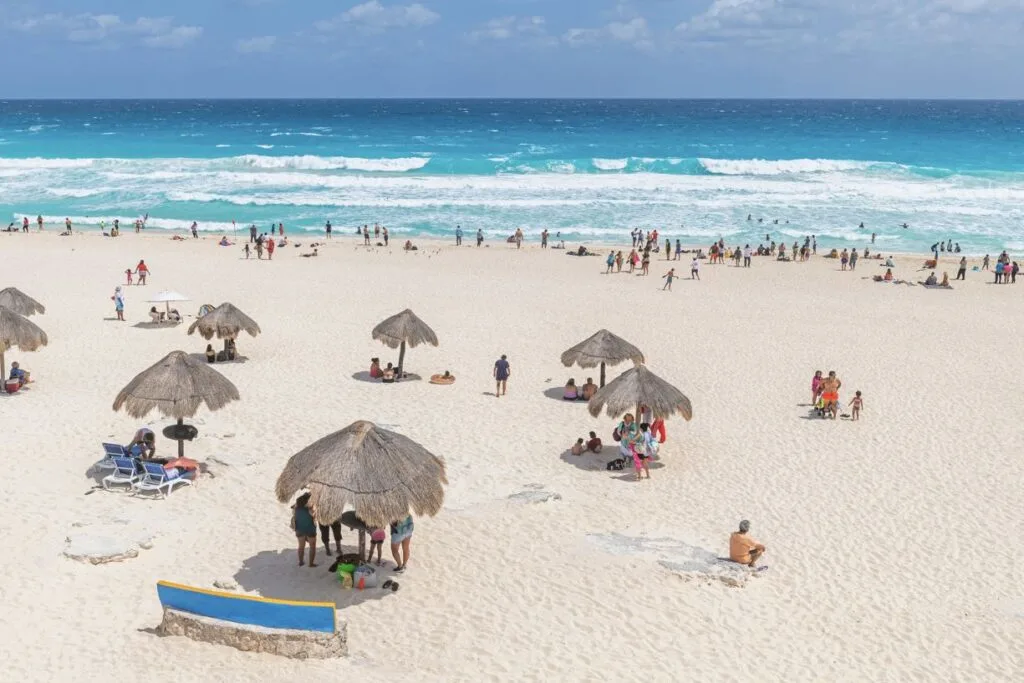
It is the postcard image everyone flies here for: miles of beautiful white sand beaches and turquoise waters But this week, local authorities are reminding travelers that the Caribbean Sea, while beautiful, demands respect.
Following a dramatic rescue operation on Sunday evening, officials are urging all visitors to exercise increased caution on Cancun’s beaches. Here at The Cancun Sun, we know that nothing ruins a vacation faster than a scare in the water. The good news is that staying safe doesn’t mean staying on the beach—it just means knowing how to stay safe around the powerful ocean waves in Cancun’s hotel zone.

Here is what happened this weekend, and the essential “insider” rules for swimming safely in the Hotel Zone.
The Incident at Playa Delfines
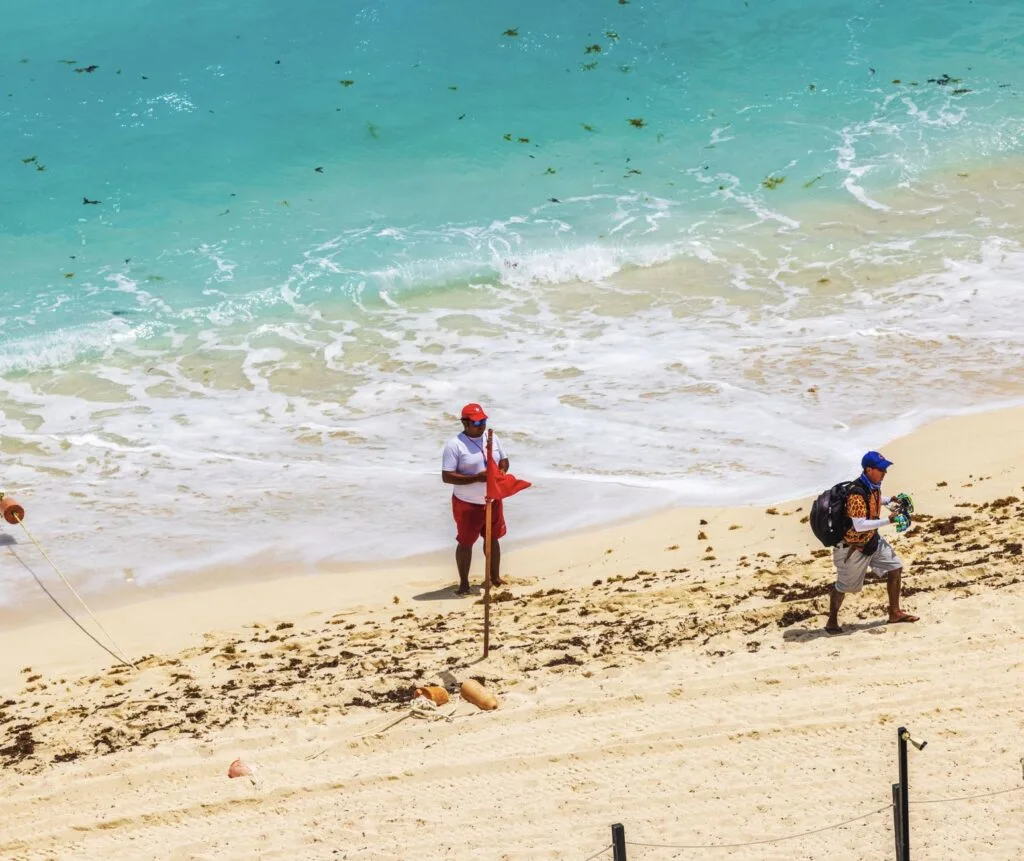
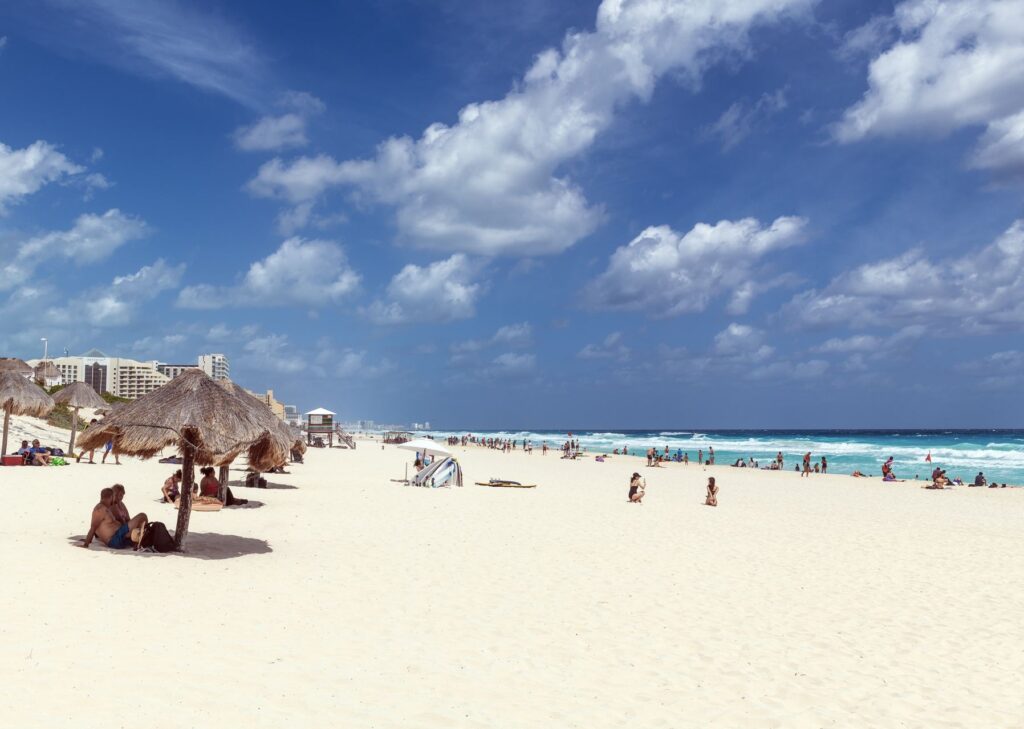
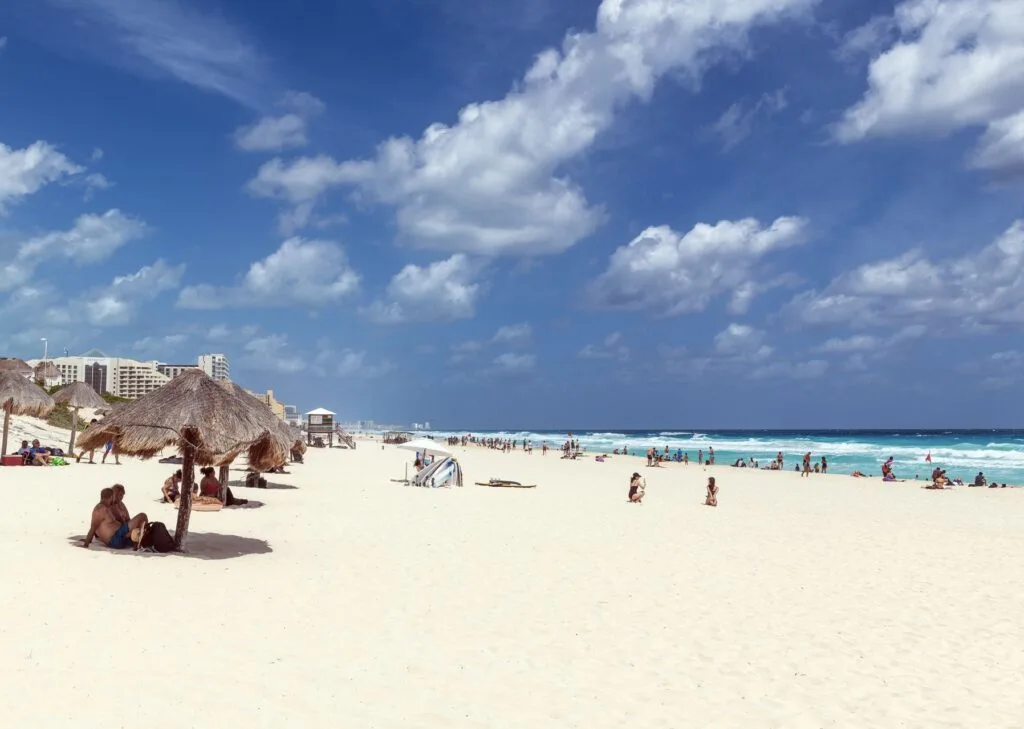
On Sunday evening, the calm was broken at Playa Delfines (Km 18), one of the most popular public beaches in the Hotel Zone. A young woman, wading in the shallows, was suddenly struck by a powerful wave. The force knocked her off her feet, and the strong undertow immediately began dragging her further out to sea.
Fortunately, Cancun’s lifeguard team is world-class. Spotting her struggle immediately, lifeguards launched a rapid rescue operation, pulling her from the current and bringing her safely back to shore.
In a statement following the incident, Protección Civil Cancún reinforced their commitment: “We work every day for your safety. Respecting the lifeguards’ instructions can save your life.”
Why The Hotel Zone Water Is Different
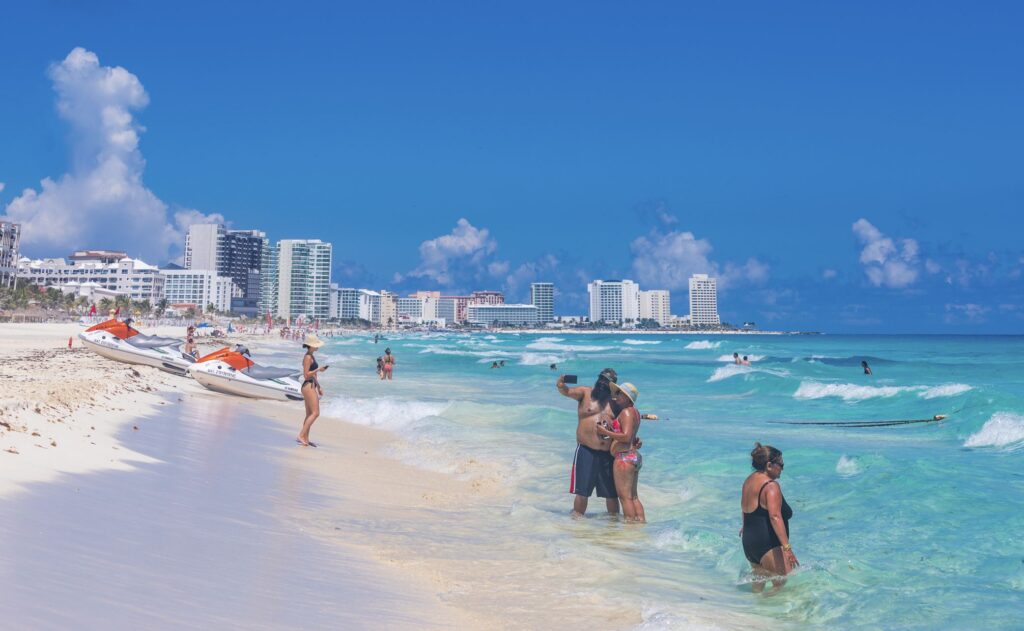
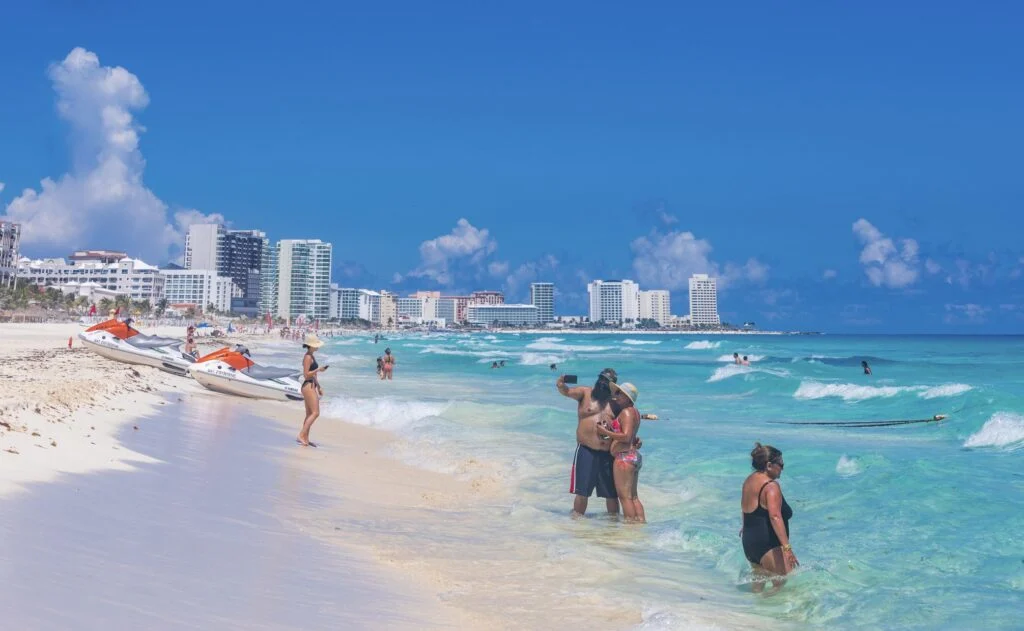
To the untrained eye, all beaches in Cancun look the same. But savvy travelers know there is a huge difference between the “top of the 7” (North Hotel Zone) and the “long strip” (East Hotel Zone).
Playa Delfines is located on the long strip, facing the open Caribbean Sea. There is no island or reef blocking the swell here, which means waves can sometimes be powerful and unpredictable. This geography creates a phenomenon known as “rogue waves” or sudden swells that can hit the shore with surprising force, even on relatively calm days.

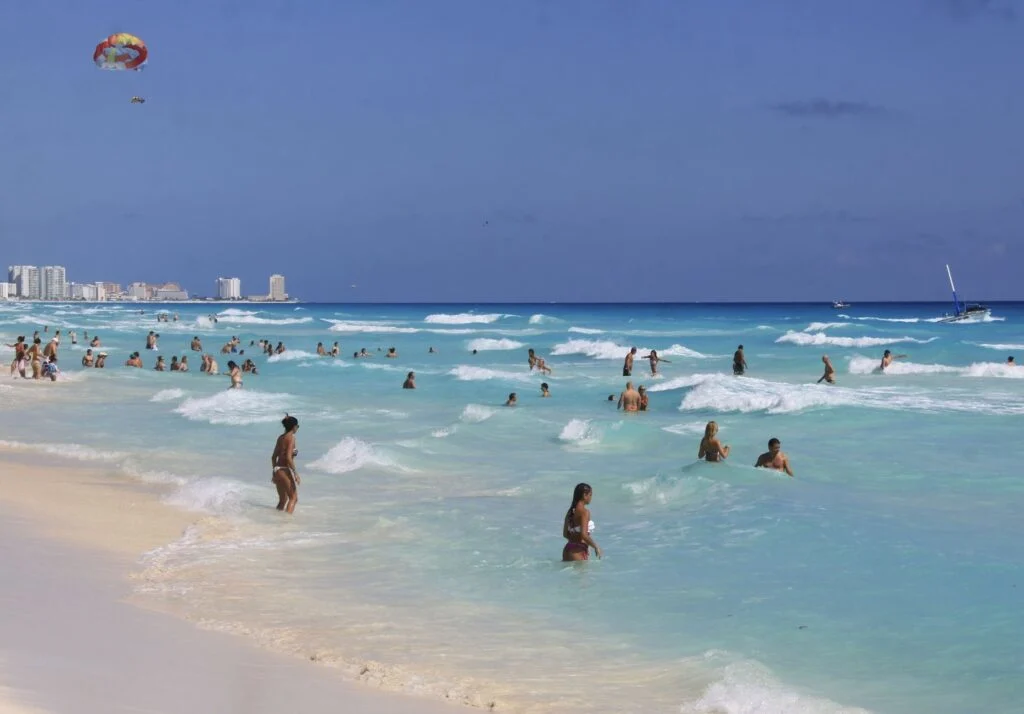
The Insider Truth: The water in Cancun is not a swimming pool. The currents are constantly shifting. What was a safe sandbar in the morning could be a rip current by the afternoon.
Decoding The Flag System (It’s Not Just Decoration)
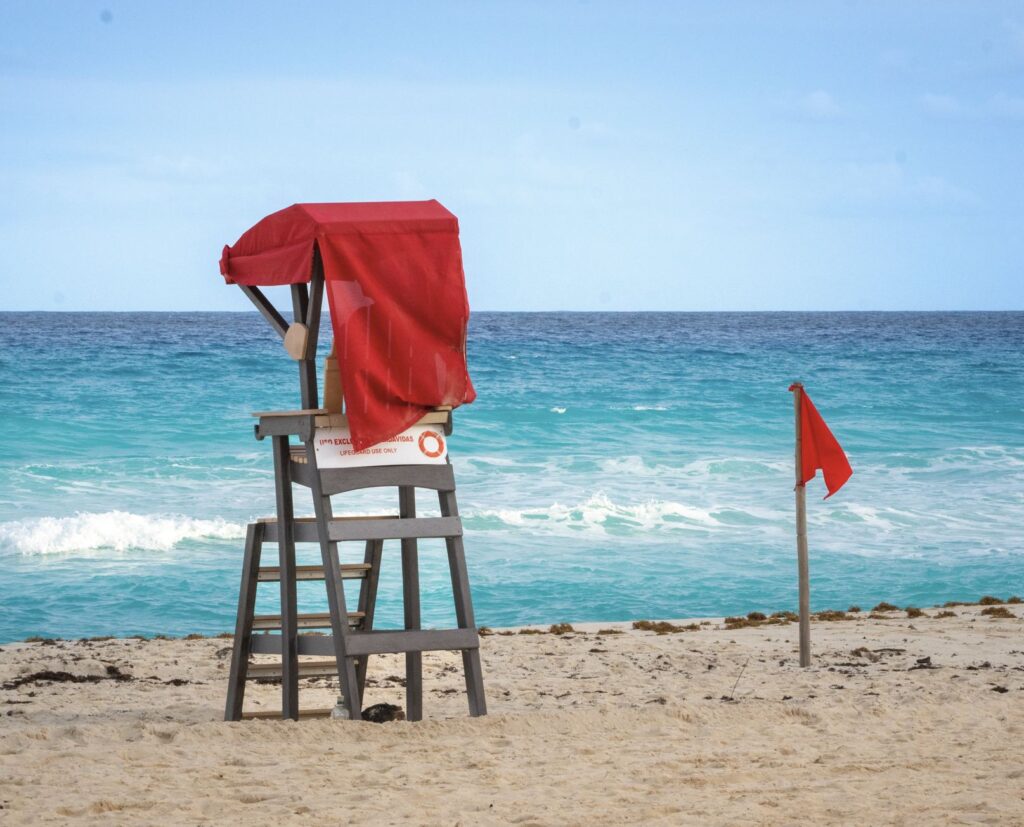
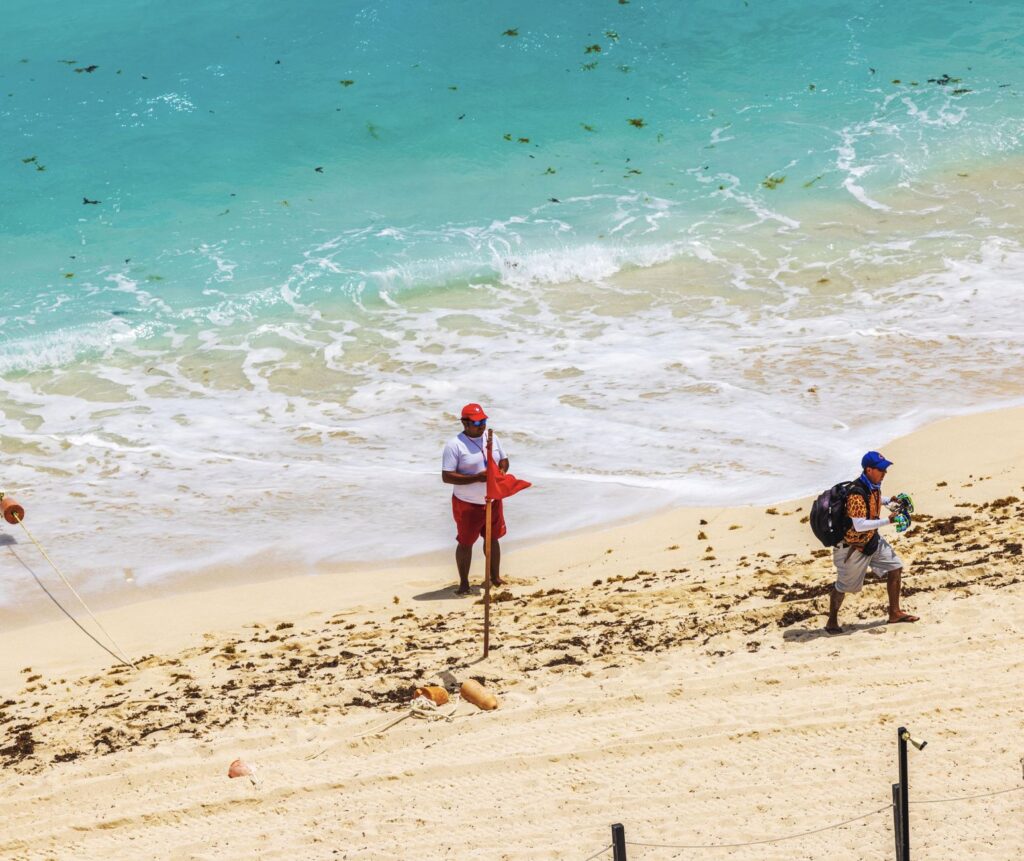
You will see colored flags flying on lifeguard towers at every resort and on public beachs. Too often, tourists treat these as “suggestions.” Authorities are reminding visitors that these are essential safety commands.
- 💚 Green Flag: Conditions are safe. Swim and enjoy.
- 💛 Yellow Flag: Use caution. There may be light currents or changing conditions.
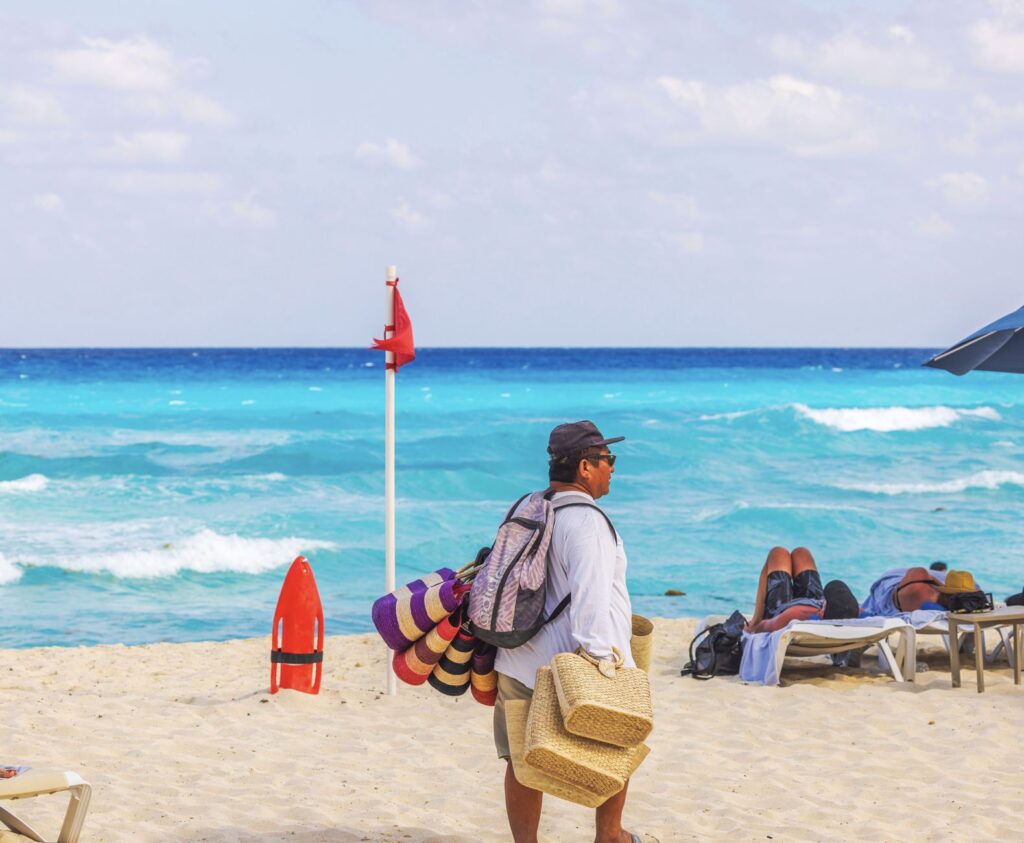
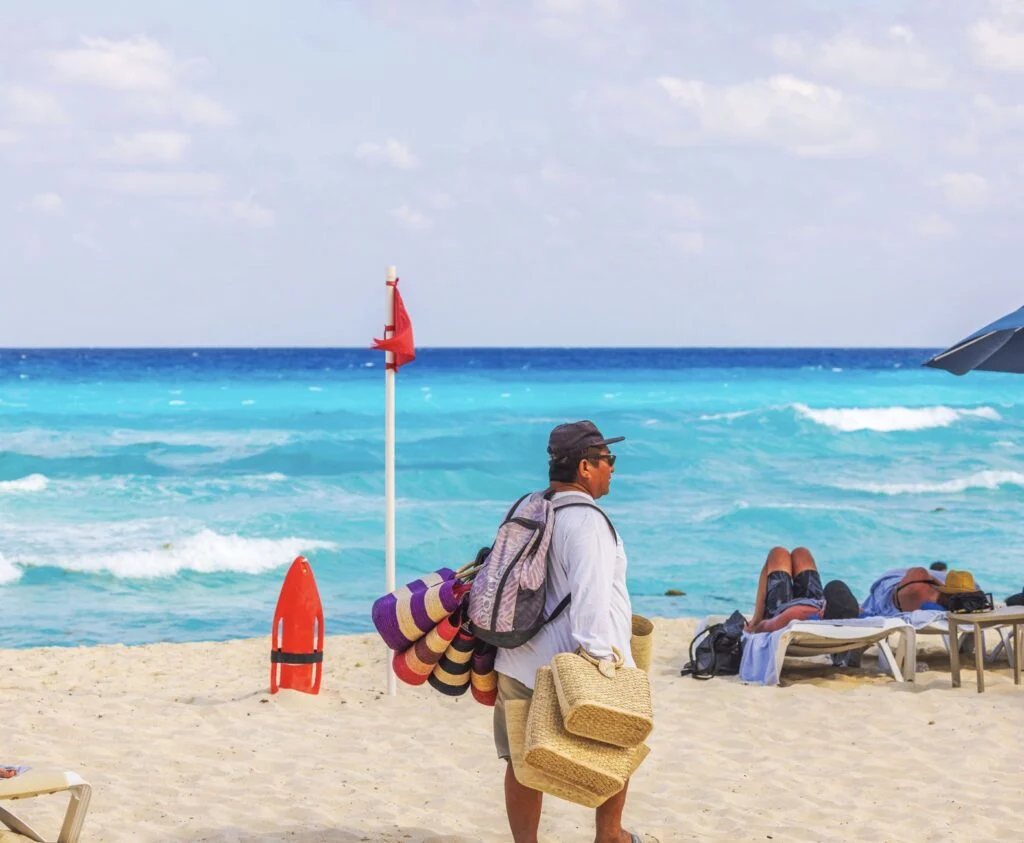
- 🚩 Red Flag: Extreme Caution. This is the most common flag you will see on the windy east-facing beaches. You can enter the water, but you should stay waist-deep and keep your feet firmly planted.
- 🏴 Black Flag: Do Not Swim. The beach is closed for swimming. This usually happens during storms or when rip currents are dangerously strong.
Pro-Tip: If you see a Red Flag, don’t let it ruin your day. It just means you need to be hyper-aware. Keep your head above water and stay close to the shore.
The “Never Turn Your Back” Rule
The incident on Sunday highlights the golden rule of ocean swimming: Never turn your back on the ocean.
Many accidents happen when swimmers are exiting the water. They turn around to walk up the sand, and a breaking wave hits them from behind. This can knock you down and disorient you, allowing the backwash to pull you into deeper water.
The Savvy Move: When leaving the water, walk backward or keep glancing over your shoulder until you are completely clear of the break zone.
Listen To The Whistle
Cancun’s lifeguards are proactive. They don’t wait for you to drown; they whistle before you get into trouble.
If you hear a whistle and see a lifeguard waving, do not ignore it. They aren’t trying to spoil your fun; they have spotted a rip current forming exactly where you are standing. They are often directing you to move 10 feet to the left or right to stay in safe water. Acknowledging them with a wave and moving immediately is the best way to show respect for the job they do.
The Verdict: Swim Smart, Stay Safe
The waves in Cancun are part of the fun—they are great for body surfing and jumping. You don’t need to be afraid of the water, but you do need to be “ocean smart.”
If you aren’t a strong swimmer, stick to the calmer beaches in the North Hotel Zone (like Playa Langosta or Playa Tortugas) or stay in the resort pool when the Black Flags are flying. By following the flags and respecting the lifeguards, you ensure your vacation story remains a happy one.
Safe Travels!
The Ultimate Cancun Trip Planner
When’s the best time to go? Our powerful month-by-month guide breaks down the weather, crowds, sargassum, and prices for your perfect trip.
Find Your Perfect Cancun & Riviera Maya Resort In Seconds
This simple, powerful tool was built by our on-the-ground experts to match you with the ideal resort for your specific budget and travel style.
Subscribe to our Latest Posts
Enter your email address to subscribe to The Cancun Sun’s latest breaking news affecting travelers, straight to your inbox.