
CANCUN — If you’ve been scrolling through Cancun travel forums recently, you’ve likely seen the warnings: the mosquitos are bad this year. Really bad. Travelers and locals are in agreement, with some calling the 2025 season one of the worst in recent memory.
A recent post on a popular Reddit forum asking “Is this still a problem?” was met with a flood of confirmations. The consensus is clear: a “perfect storm” of heavy late-season rains and high humidity has led to a population boom for the pesky insects.
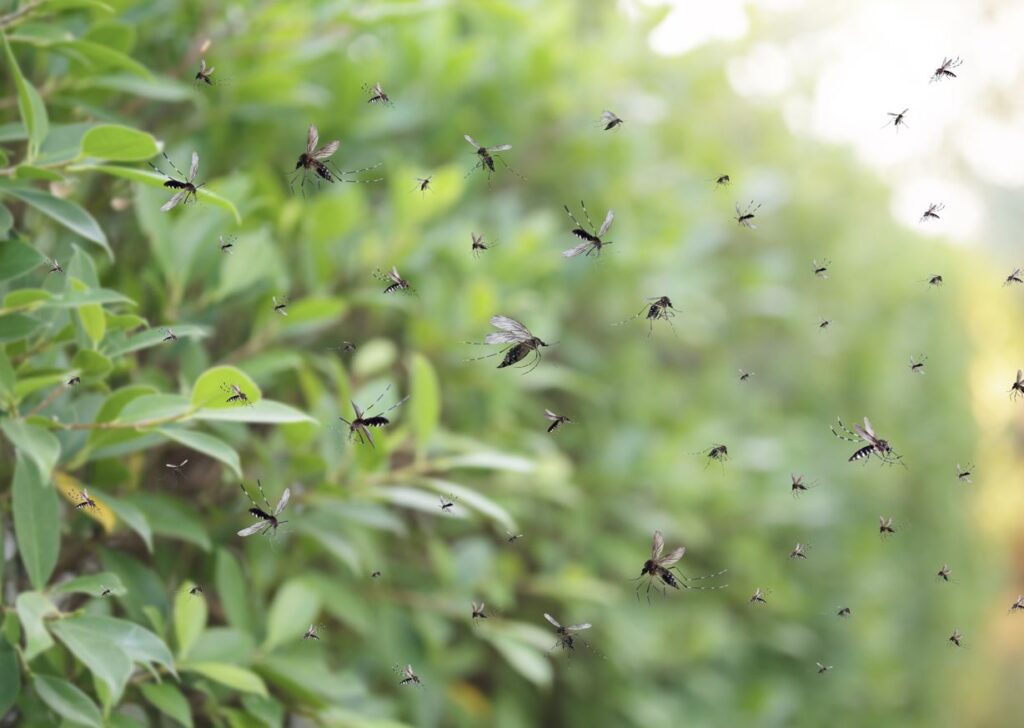
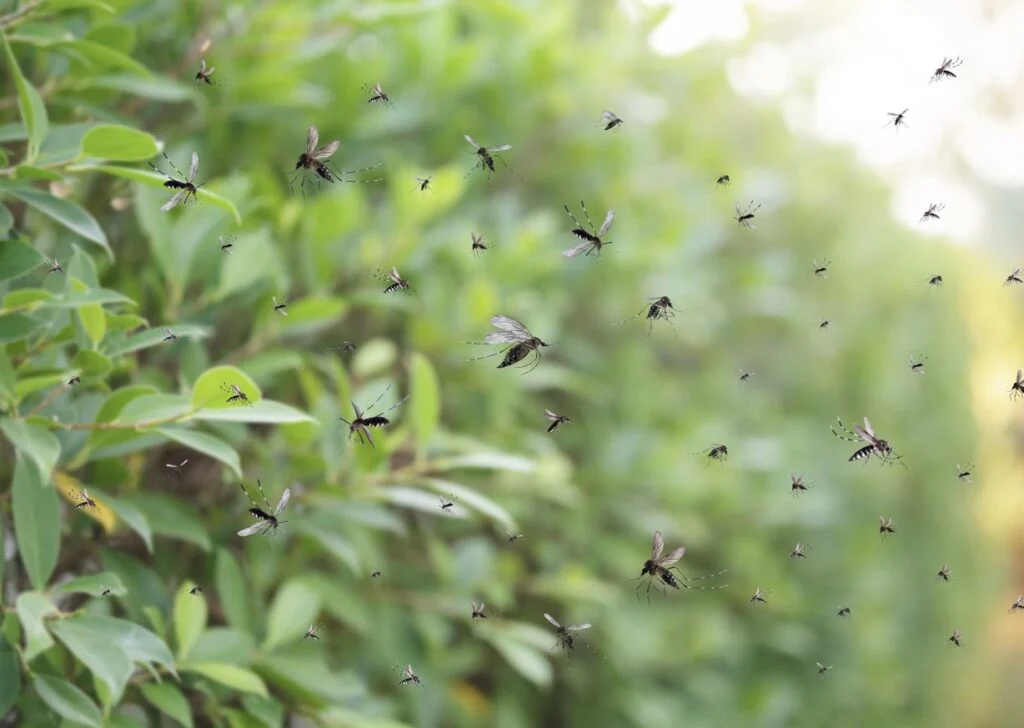
But don’t let this news derail your trip. Here at The Cancun Sun, we’re giving you the complete insider’s guide: a breakdown of where the problem is worst, and the savvy traveler’s playbook for staying bite-free.
A Tale of Two Zones: The Hotel Zone vs. Everywhere Else
The most important thing for travelers to understand is that not all of Cancun is experiencing this issue in the same way. There is a distinct difference between the main Hotel Zone and the surrounding areas.
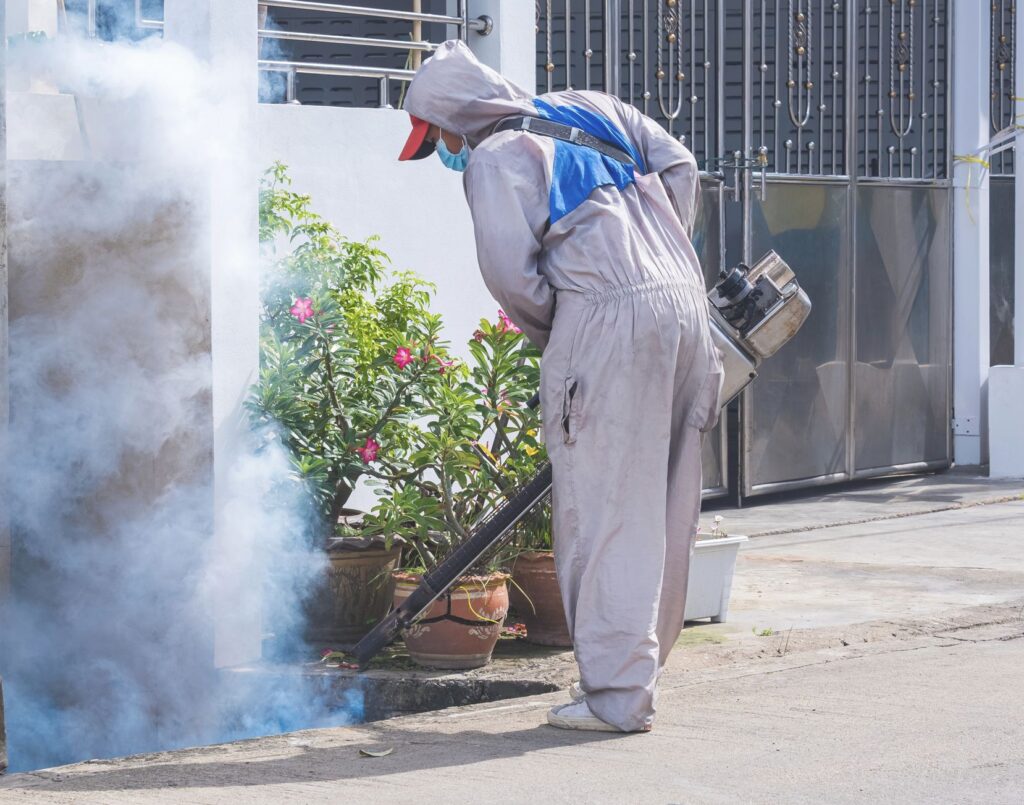
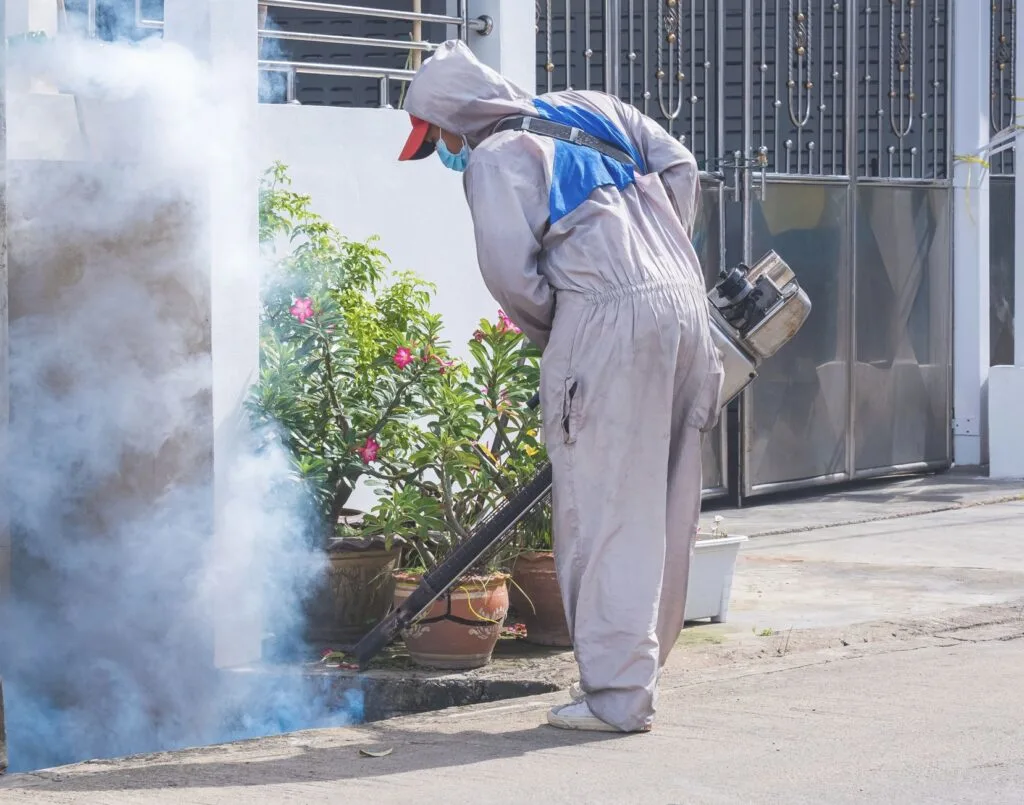
- The Hotel Zone: While mosquitos are certainly more present than in a typical year, the major resorts along the main “7” conduct aggressive, daily fumigation programs to control the population. This, combined with the constant sea breeze, makes the problem noticeable but generally manageable for most guests.
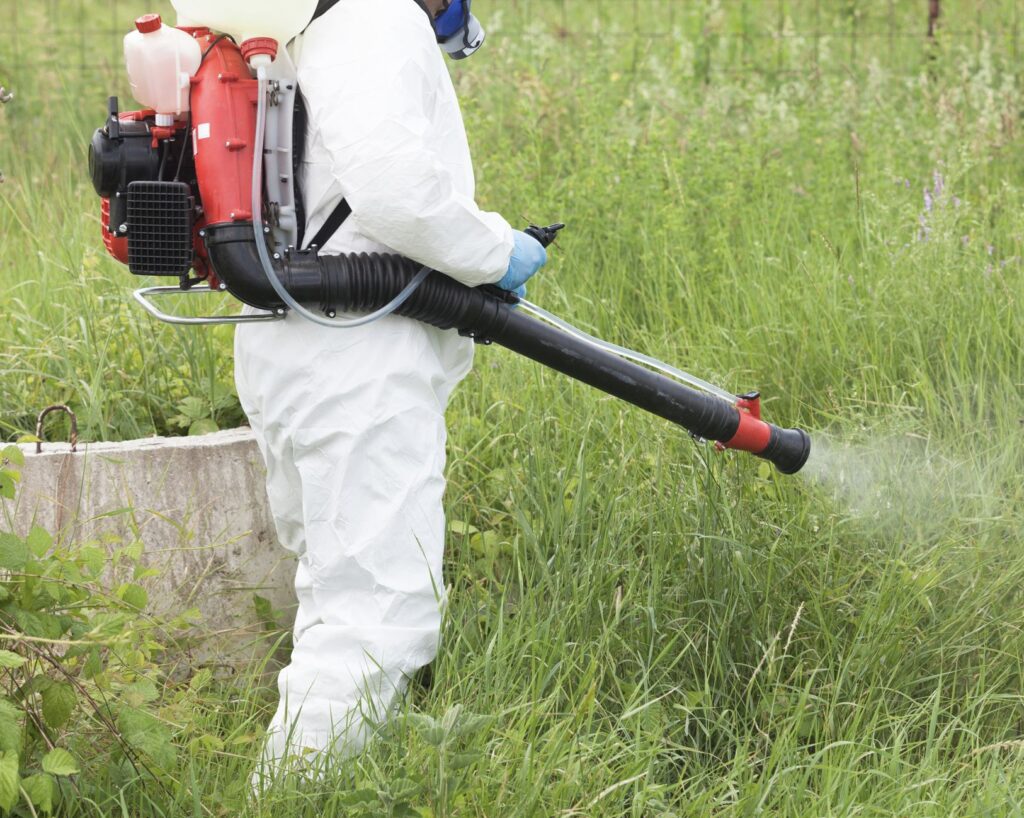
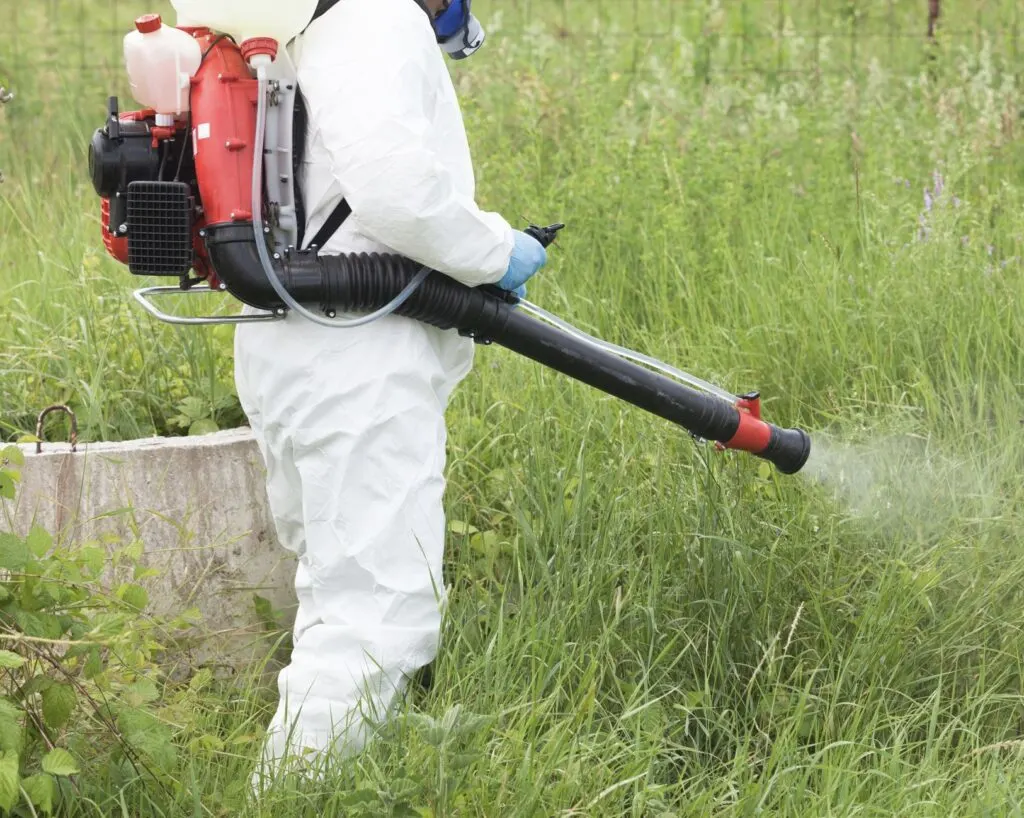
- The Riviera Maya & Playa Mujeres: This is where travelers are reporting the most significant issues. As one local noted, “it’s the worst they have ever seen.” These areas are newer, less densely developed, and are surrounded by vast stretches of natural mangrove jungle—the perfect habitat for mosquitos. The resorts are more spread out, and the proximity to the jungle means that even with on-site fumigation, the sheer volume of mosquitos is much higher.
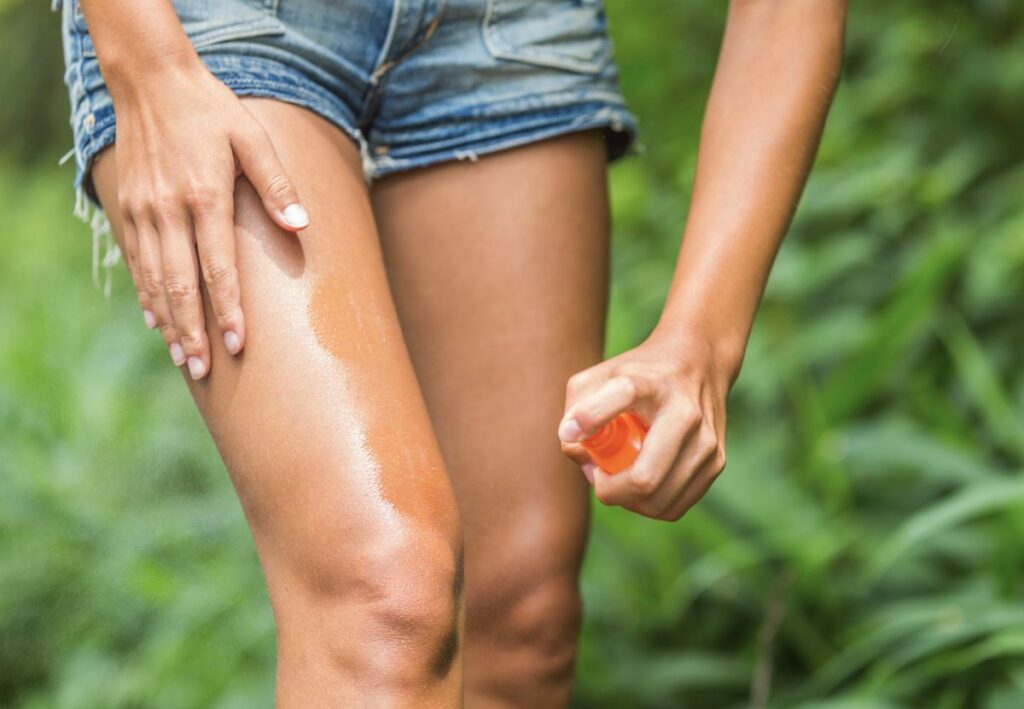
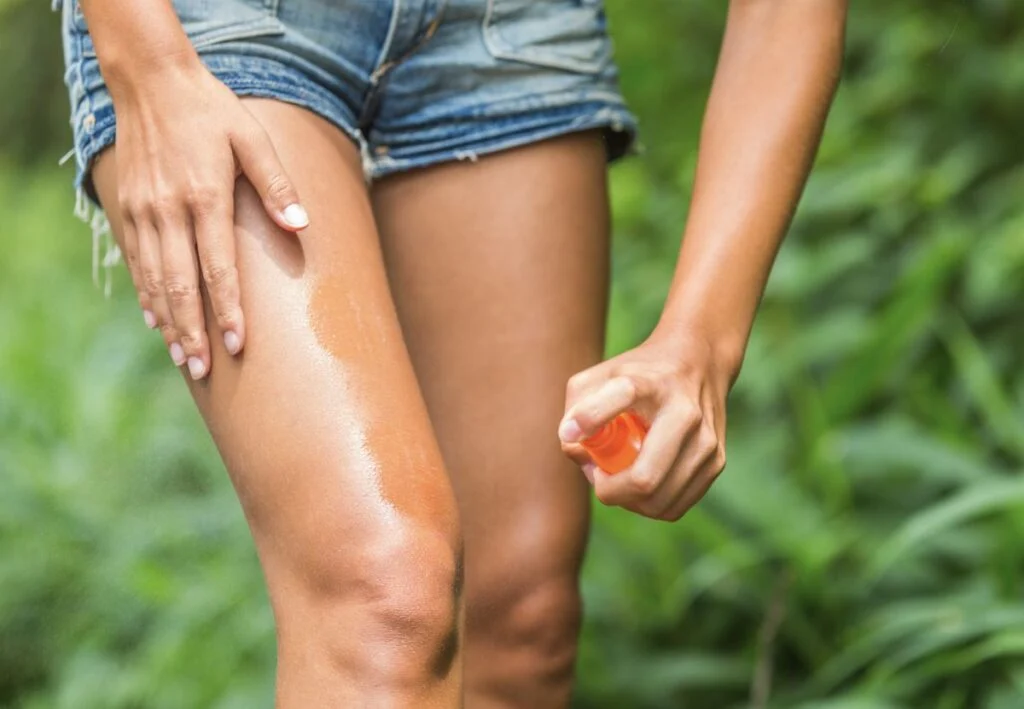
The Ultimate Protection Playbook 🛡️
A few simple, proactive steps can be the difference between an amazing vacation and an itchy, uncomfortable one. Here are the answers to the most common questions travelers are asking right now.
1. What are the best repellents to use? Your best defense is an EPA-registered insect repellent. For the most effective protection in a tropical environment, look for products containing one of these key active ingredients:
- DEET (a concentration of 20-30% is recommended for adults)
- Picaridin
- Oil of Lemon Eucalyptus (OLE)
For children, many experts recommend Picaridin or lower concentrations of DEET, but you should always consult your pediatrician before your trip to choose the best and safest option for your family.


2. Do I need a “cenote-safe” repellent? Yes, absolutely. This is a critical and often overlooked rule. Most cenotes and all major eco-parks (like Xcaret and Xel-Há) strictly require the use of biodegradable, reef-safe repellents and sunscreens to protect their fragile ecosystems. Park staff may check your products at the entrance. If your repellent is not compliant, they will either confiscate it or hold it for you at the front desk until you leave.
3. Should I bring it from home or buy it in Mexico? While you can certainly buy insect repellent at supermarkets and pharmacies in Cancun, the selection can be limited and expensive. Finding your preferred high-DEET or Picaridin-based brand from the U.S. or Canada can be difficult and is often more expensive, especially in resort gift shops.
- The Pro Move: Bring at least two full-sized bottles of your preferred repellent from home. This ensures you have what you know works, and you won’t have to waste precious vacation time hunting for it.
The bottom line: the mosquitos are more numerous than usual this year, especially outside the main Hotel Zone, but it’s a manageable problem. By packing the right protection and being extra vigilant at dawn and dusk, you can easily ensure your Cancun vacation is remembered for its amazing memories, not its itchy bites or an unexpected illness like Dengue fever.
The Ultimate Cancun Trip Planner
When’s the best time to go? Our powerful month-by-month guide breaks down the weather, crowds, sargassum, and prices for your perfect trip.
Find Your Perfect Cancun & Riviera Maya Resort In Seconds
This simple, powerful tool was built by our on-the-ground experts to match you with the ideal resort for your specific budget and travel style.
Subscribe to our Latest Posts
Enter your email address to subscribe to The Cancun Sun’s latest breaking news affecting travelers, straight to your inbox.
Robert
Sunday 12th of October 2025
Why isn’t aerial spraying for mosquitos being done by the government ? It’s the responsibility of the health departments and state and local officials to protect the health of the public