
If you are planning a trip to Cancun this year, there is a very high probability that you have typed some variation of “Is Cancun safe?” into your search bar. It is the single most common question travelers ask before booking their flights.
When you start researching, the data can often feel wildly contradictory. You might see a local Mexican news report highlighting high crime rates, followed immediately by a travel blog promising that the beaches are completely secure.
To give you a crystal-clear picture of what the situation on the ground actually looks like right now, we need to compare the latest official local government statistics with our own traveler-driven metrics.
Here is exactly what the newest 2026 security data reveals about your upcoming Cancun vacation.
The Local Perspective: Breaking Down the INEGI Data
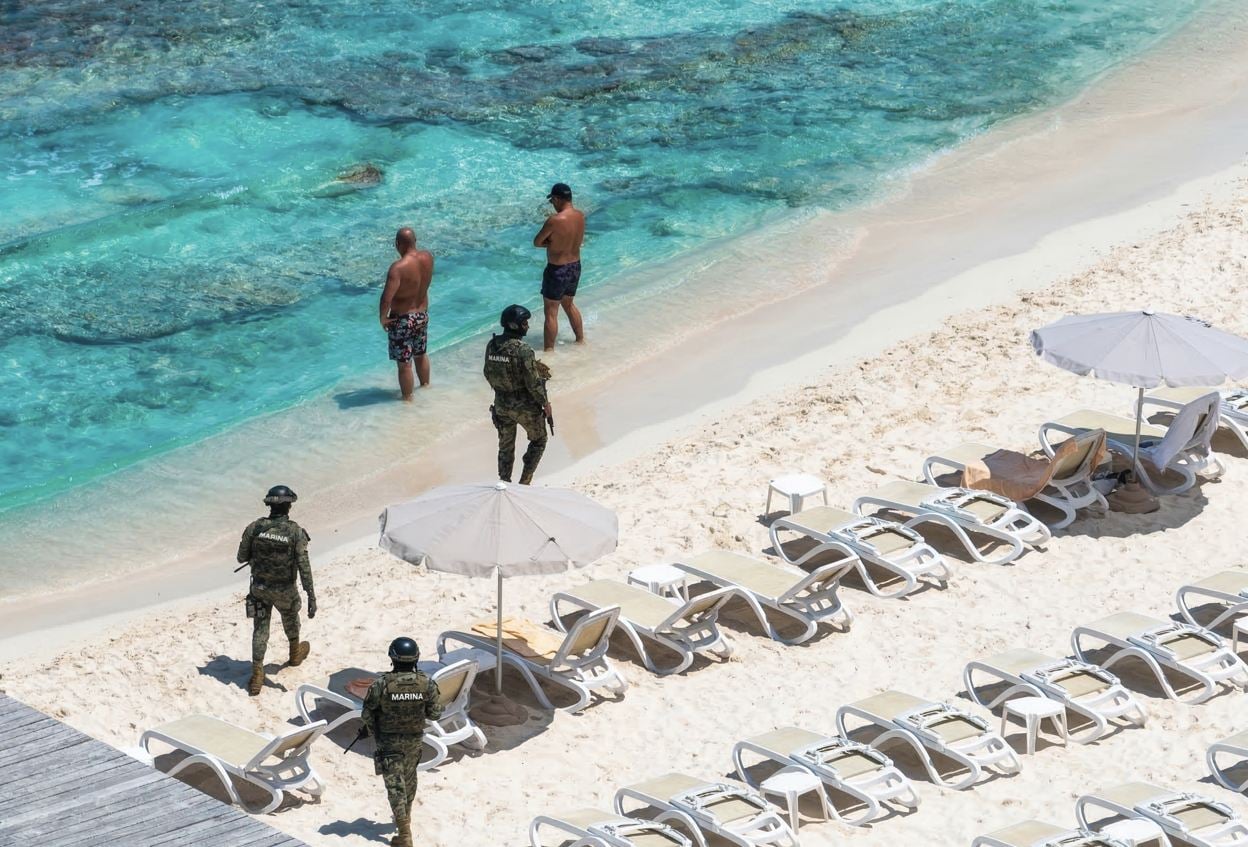
The Mexican government actively tracks how its citizens feel about their safety through the National Institute of Statistics and Geography (INEGI). They recently released the results of their Q2 2026 National Survey of Urban Public Security (ENSU), which measures the “perception of insecurity” among local residents.
The latest survey revealed some highly encouraging trends for the state of Quintana Roo. The perception of insecurity among residents living in Benito Juárez—the official municipal name for Cancun—dropped from 74.9% to 70.1%. Meanwhile, the southern city of Chetumal saw its insecurity perception drop from 66.4% to 62.1%.
While seeing that the metric is moving in a positive direction is great news, a prospective tourist reading those numbers might panic. After all, if 70.1% of the local population feels insecure, why would you want to take your family there for a summer vacation?
The answer comes down to geography and the massive difference between the local residential experience and the tourist experience.
Why Local Surveys Do Not Reflect Your Vacation Reality
The INEGI survey interviews everyday Mexican citizens living and working across the entirety of the Benito Juárez municipality. This includes sprawling residential suburbs, industrial zones, and working-class neighborhoods located miles away from the beach. The people taking this survey are evaluating their daily commutes on local public transit, the safety of their neighborhood ATMs, and the residential crime rates in the city’s interior.
As a tourist, you will likely never step foot in the neighborhoods where these local concerns are rooted.
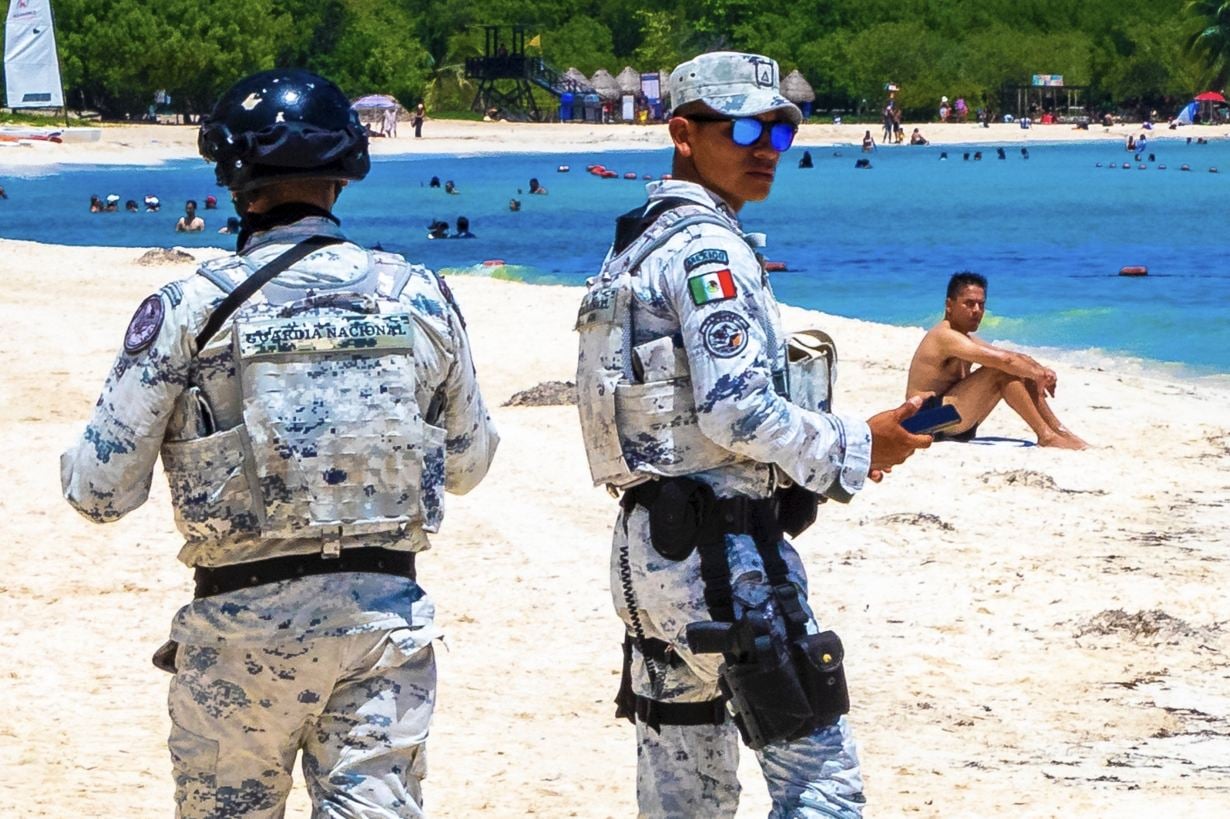
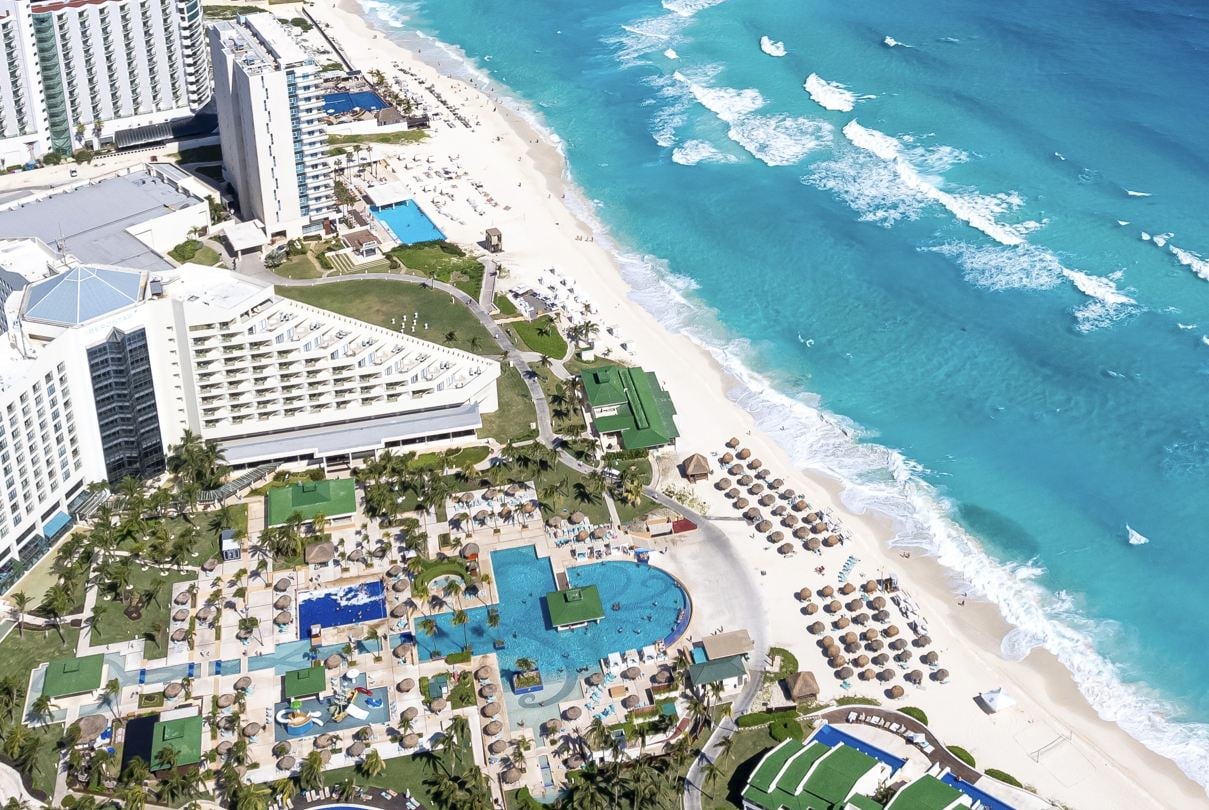
The vast majority of international visitors spend their entire vacation inside the “Zona Hotelera” (Hotel Zone)—a narrow, 14-mile strip of land separated from the mainland city. This tourist corridor is a heavily fortified, deeply controlled environment with just two main entry and exit points.
The Mexican government considers the protection of this tourist corridor its highest economic priority. When you read a stat that says 70.1% of locals feel insecure, you are reading data that simply does not apply to the heavily guarded resort enclave where you will be drinking your margaritas.
The Tourist Perspective: The Cancun Sun Safety Index (92/100)
Because local residential surveys do not accurately reflect the tourist experience, we utilize our own dedicated Safety Index to evaluate the real risks to travelers. Currently, our Safety Index for Cancun sits at an incredibly strong 92 out of 100.
Why is our score so high? Because we measure the factors that actually impact your week at the beach:
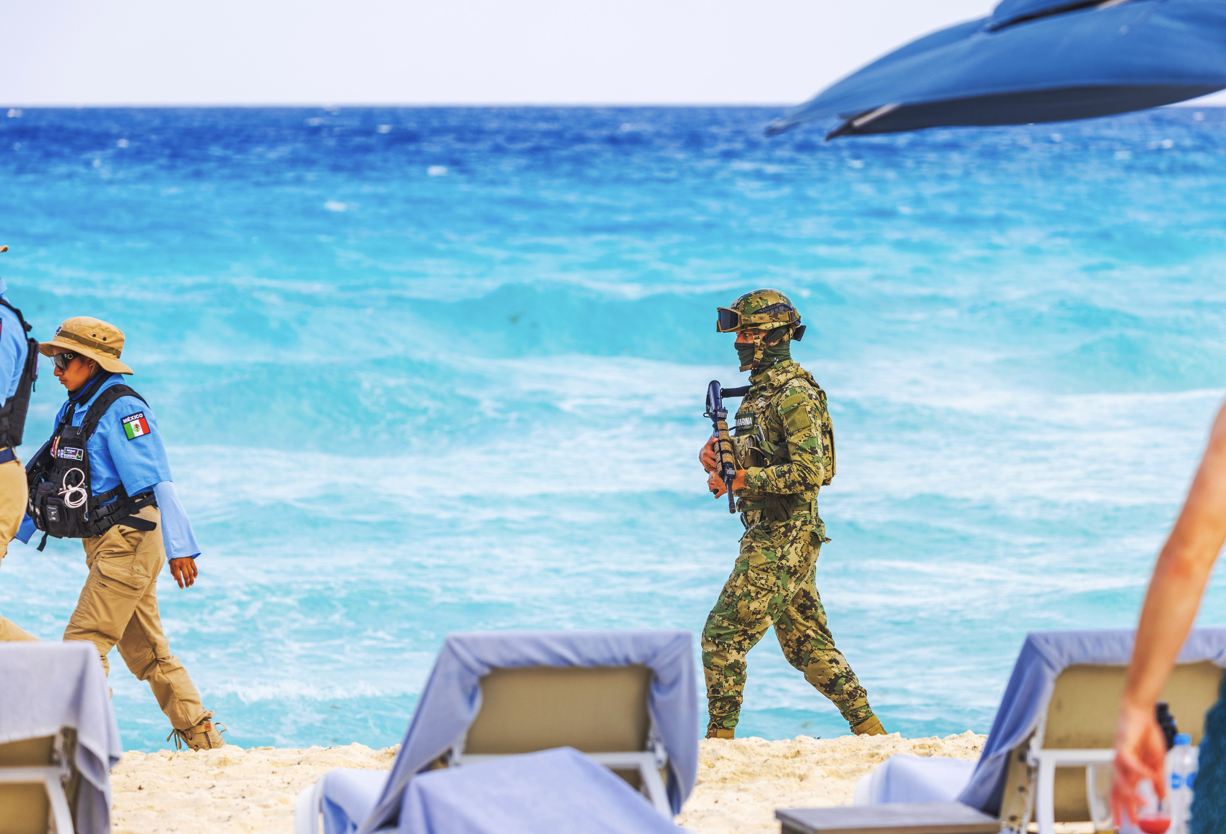
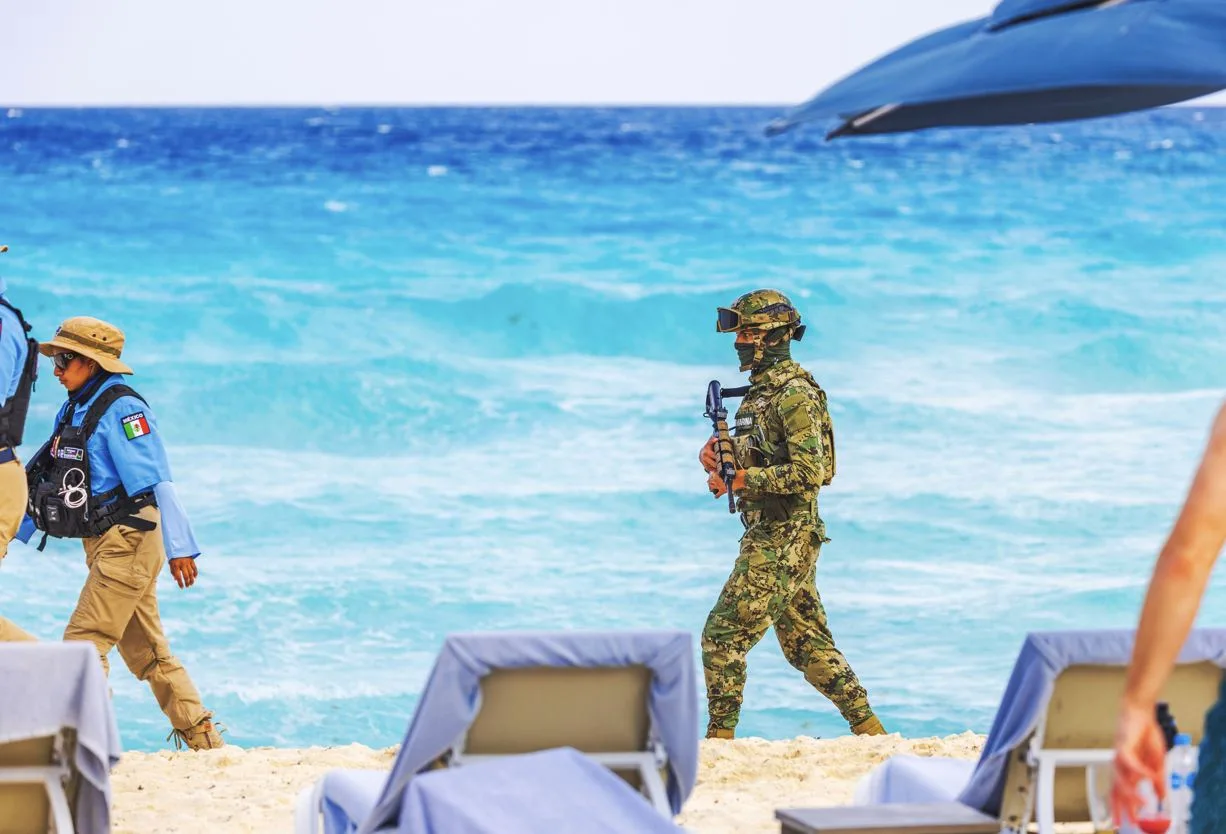
- Hotel Zone Patrol Density: The tourist areas are currently protected by a staggering deployment of more than 7,000 security personnel.
- Dedicated Tourist Forces: Cancun utilizes a specialized Tourist Police force and a Tourist Security Battalion specifically tasked with patrolling the beaches, resort properties, and popular nightlife districts.
- Resort Protocols: The all-inclusive resorts themselves operate like private fortresses, with gated entries, 24/7 security teams, and strict guest-only wristband policies.
- Violent Crime Rates Against Tourists: While organized crime exists in Mexico, cartel violence against international tourists in resort areas remains exceptionally rare.
The U.S. State Department currently classifies Quintana Roo as a “Level 2: Exercise Increased Caution” destination. To put that into perspective, Cancun shares the exact same safety rating as France, Germany, and the United Kingdom.
The “Cancun Shield” Crackdown
The recent drop in local insecurity highlighted by the INEGI survey is not a coincidence. It is the direct result of a massive, coordinated strategy between federal, state, and municipal governments to aggressively combat high-impact crimes.
Over the last year, authorities have launched aggressive operational actions across the municipality. The results of these operations have been massive, including:
- 2,344 people arrested across various local operations.
- 1,710 firearms seized and removed from the streets.
- 528 “Cancun Shield” operations executed to disrupt illegal activity.
- 911 alleged perpetrators captured during these specific shield operations.
- 568 seizures related to drug dealing (crimes against health).
Furthermore, the State Attorney General’s Office has drastically increased the pressure on local criminal groups, executing 36 arrest warrants, carrying out 10 property searches, and securing 15 criminal convictions.
While security experts acknowledge that a rapidly growing tourist hub will always face unique challenges, these sweeping law enforcement actions are actively driving down the crime rates in the city’s interior, creating a safer environment for everyone.
Smart Safety Tips for Your 2026 Vacation
Cancun is overwhelmingly safe, but an index score of 92/100 does not mean you can leave your common sense at the airport. The primary issues tourists face today revolve around petty theft and transit scams, not violent crime.
To ensure your trip goes smoothly, stick to these basic rules:
- Never hail a street taxi: Unlicensed or rogue taxis are the most common source of tourist scams. Always pre-book your airport transfer through a verified company, and use apps like Uber or your resort’s official transportation partners to get around the Hotel Zone.
- Stay on the beaten path: The Hotel Zone and popular excursion sites (like Chichen Itza and Tulum) are completely secure. Avoid wandering into unlit downtown residential neighborhoods late at night.
- Watch your drinks: Whether you are at a crowded nightclub like Coco Bongo or a swim-up bar, treat Cancun like any major city—never leave your drink unattended.
Cancun remains one of the premier luxury destinations in the world. By understanding the real data, relying on traveler-focused safety indexes rather than local residential surveys, and exercising basic situational awareness, you can look forward to a completely safe and spectacular vacation.
Join Our Cancun Sun Community of 16,000+ Members
Get real-time answers to your travel questions from our team of local experts and thousands of fellow travelers directly inside our interactive group.
Find Your Perfect Cancun & Riviera Maya Resort In Seconds
This simple, powerful tool was built by our on-the-ground experts to match you with the ideal resort for your specific budget and travel style.
The Ultimate Cancun Trip Planner
When’s the best time to go? Our powerful month-by-month guide breaks down the weather, crowds, sargassum, and prices for your perfect trip.
Enter your email address to subscribe to The Cancun Sun’s latest breaking news affecting travelers, straight to your inbox.