
I have visited Cancun over 30 times in the last two years. I have flown in on every airline, stayed in every zone, and navigated every possible transport scenario. And yes, I have made mistakes on more than one occasion.
When you travel that frequently, you stop looking at the scenery and start looking at the systems. And in 2026, some systems in Cancun are designed to separate you from your money—legally, politely, and efficiently. For me it was just about learning the ropes and as times change, you need to stay informed.


These aren’t crimes. They are financial traps that catch even seasoned travelers off guard. The difference between a great trip and an expensive one often comes down to three specific moments where you simply say “Yes” instead of “No.”
Here are the three money traps that are draining travel budgets right now, and how to spot them before you swipe your card.
1. The “Terminal Question” (Dynamic Currency Conversion)
This is the single most common way travelers lose money in Cancun, and it happens in the blink of an eye.
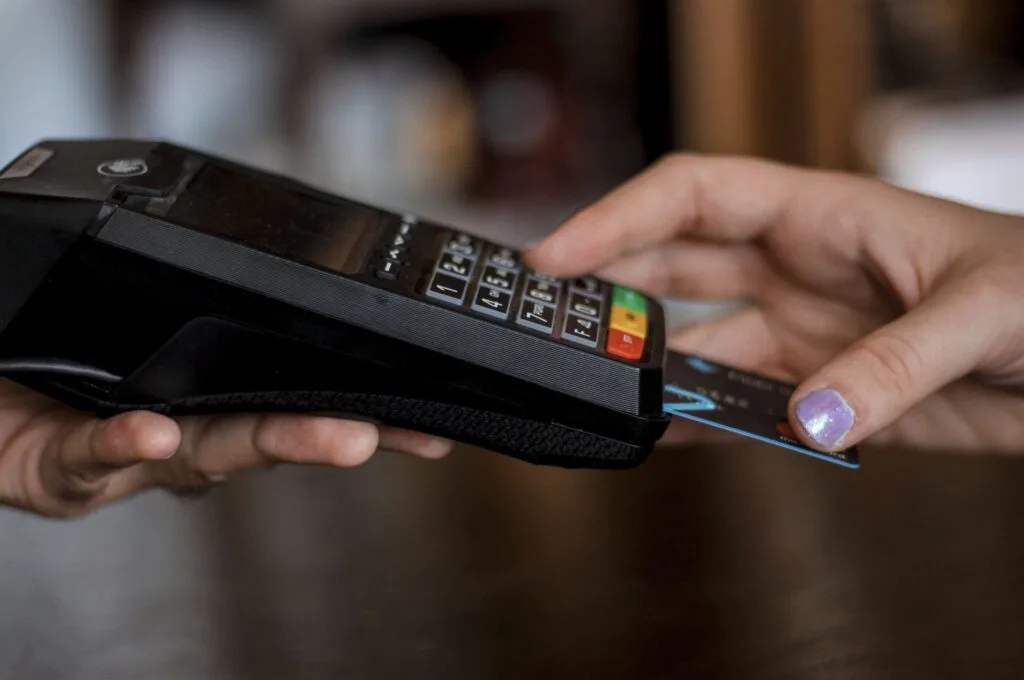
The Setup: You finish a fantastic dinner or buy a souvenir. The bill is 2,000 Pesos. You hand over your credit card. The waiter brings the terminal, inserts your card, and then spins the screen around to ask you a seemingly helpful question: “Would you like to pay in Dollars or Pesos?”

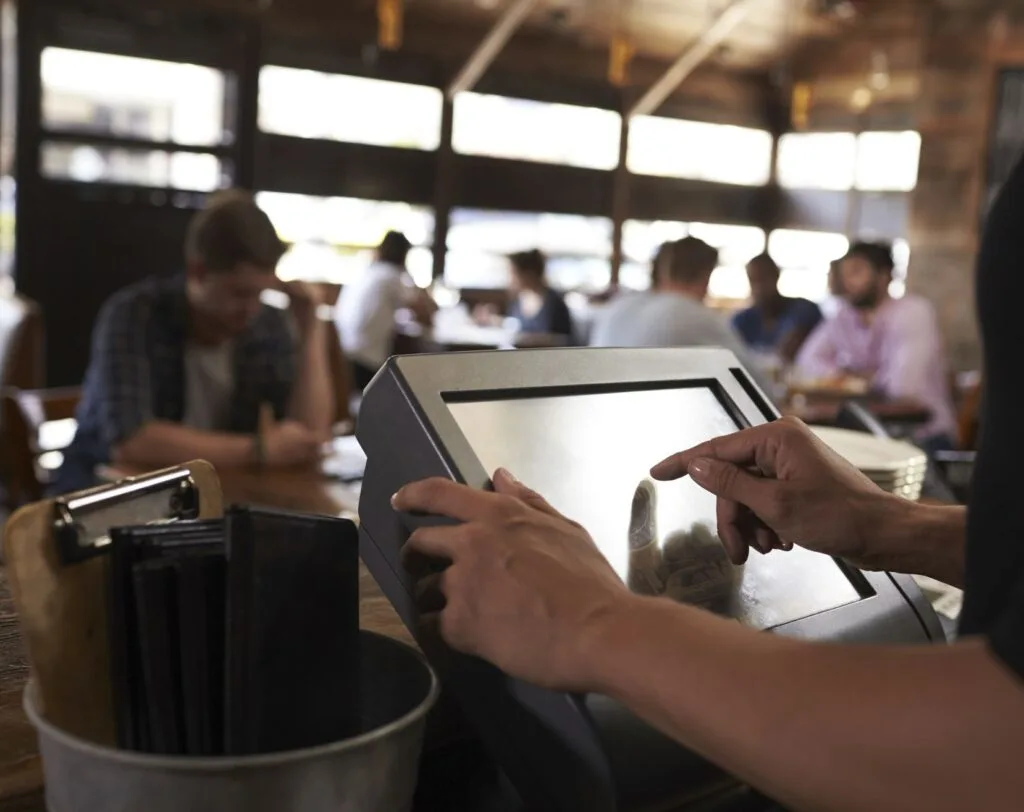
The Trap: It feels safer to pay in US Dollars. You see a fixed number (e.g., $115 USD) and think, “Great, I know exactly what I’m spending.”
The Reality: By selecting “Dollars” on the machine, you are agreeing to the merchant’s private exchange rate, which is often 10% to 15% worse than the actual bank rate. This is called Dynamic Currency Conversion (DCC). You are effectively paying a “convenience fee” for the machine to do math your bank would have done for free.
The Fix: Always, without exception, choose Pesos (MXN) on the screen. Let your home bank handle the conversion. On a $200 dinner, this single button press can save you $20–$30.

2. The “Freebie” Matrix (It’s Never Just a Gift)
We all like to think we are immune to this, but in 2026, the pitch has mutated into three specific, highly sophisticated variations depending on where you are standing.
The “Tell”: For me, the moment I hear the words “Where are you from?” spoken by a stranger in a polo shirt, I know exactly what is coming. It is not a friendly greeting; it is a qualifying question to see if you fit the demographic for a sales pitch.
Scenario A: The Airport (The “Free Ride” Trap)
- The Setup: You just landed and you are tired. You walk through the “Shark Tank” (the hallway between customs and the exit). A helpful representative with a lanyard offers you “Information” or a “Free Taxi” to your hotel.
- The Trap: There is no free taxi. You are being funneled into a timeshare presentation before you even check in. If you accept the ride, you are morally and often contractually obligated to attend a breakfast the next morning that will steal 4 to 6 hours of your first day in paradise.

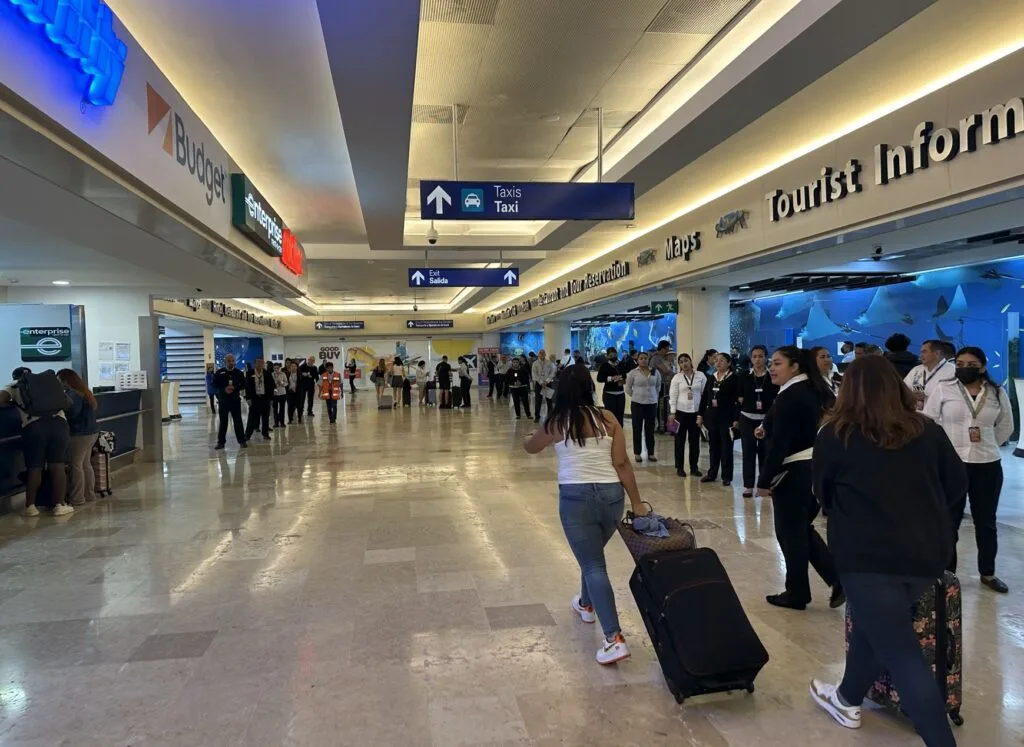
Scenario B: The Hotel (The “Concierge” Trap)
- The Setup: You are in the lobby. A “Concierge” (who often works for a vacation club) offers you a welcome package: a branded beach bag, a 40% off coupon for Xcaret, or a VIP Spa Pass.
- The Trap: These are high-value baits. To redeem that 40% discount, you have to sit through the notorious “90-minute” presentation. In 2026, these are psychological marathons. I have seen travelers trade a $1,000 vacation day (hotel + flight cost + time) just to save $80 on a park ticket.


Scenario C: The Street (The “Tequila Tasting” Trap)
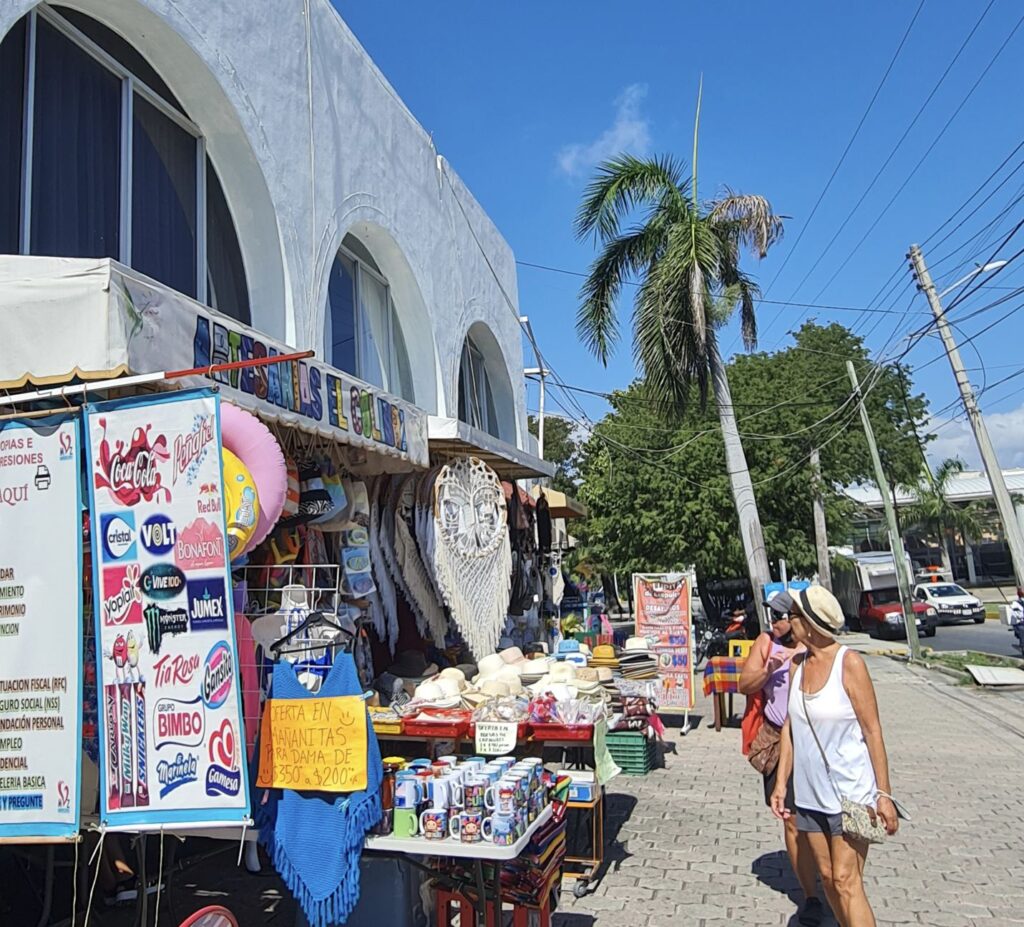
- The Setup: You are walking 5th Avenue in Playa or the Hotel Zone. A shopkeeper offers you a “Free Tequila Tasting.”
- The Trap: This is never a gift; it is a guilt trip. They give you a shot, befriend you, and then pressure you into buying a “Premium, Limited Edition” bottle of vanilla-infused tequila. You walk away paying $150 USD for a bottle that is essentially low-grade liquor with artificial flavoring, worth maybe $15 at the Chedraui grocery store.
The Fix: Use the “No Gracias” rule and keep moving without breaking stride. Your time in the Mexican Caribbean is worth roughly $100 an hour. Do not trade your precious beach time for a cheap tote bag or a shot of syrup-heavy tequila. Buy your tickets online, and buy your tequila at the supermarket.


3. The “Silent” Taxi Entry
In the era of Uber and private transfers, we have forgotten the old rules of the road.
The Setup: You need to get from your hotel to a restaurant downtown. You flag down a taxi or hop in one waiting at the lobby. The driver smiles, opens the door, and you slide in. You assume there is a meter or a standard rate.
The Trap: Most Cancun taxis do not use meters…yet. (They are coming). If you get into the car without verbally confirming the price before the wheels move, you have lost all leverage. Upon arrival, a ride that should have cost 300 Pesos ($15 USD) suddenly becomes $50 or $60 USD. Because you are already at the destination, you have no choice but to pay the inflated rate.
The Fix: Never open the car door until you have agreed on a price. Lean in the window and ask, “Cuanto a [Destination]?” If the price is too high, counter-offer or walk to the next car. The moment you sit down, you have agreed to whatever number they decide to charge you.
The Bottom Line
Cancun is paradise, but it is a paradise that runs on commerce. The locals are running businesses, and they are very good at maximizing profit.
You don’t need to be paranoid; you just need to be engaged. Pay in Pesos, buy your own tequila, and negotiate your ride. Do that, and you’ll save enough to book your next trip back.
The Ultimate Cancun Trip Planner
When’s the best time to go? Our powerful month-by-month guide breaks down the weather, crowds, sargassum, and prices for your perfect trip.
Find Your Perfect Cancun & Riviera Maya Resort In Seconds
This simple, powerful tool was built by our on-the-ground experts to match you with the ideal resort for your specific budget and travel style.
Subscribe to our Latest Posts
Enter your email address to subscribe to The Cancun Sun’s latest breaking news affecting travelers, straight to your inbox.