
It’s one of the most stressful parts of planning a trip to the Mexican Caribbean: the seaweed.
You book the flight, you dream of the turquoise water, and then you see a photo of a beach covered in brown algae.
But not all beaches are equal. There are 5 right in the hotel zone outshining the others for clear sands.
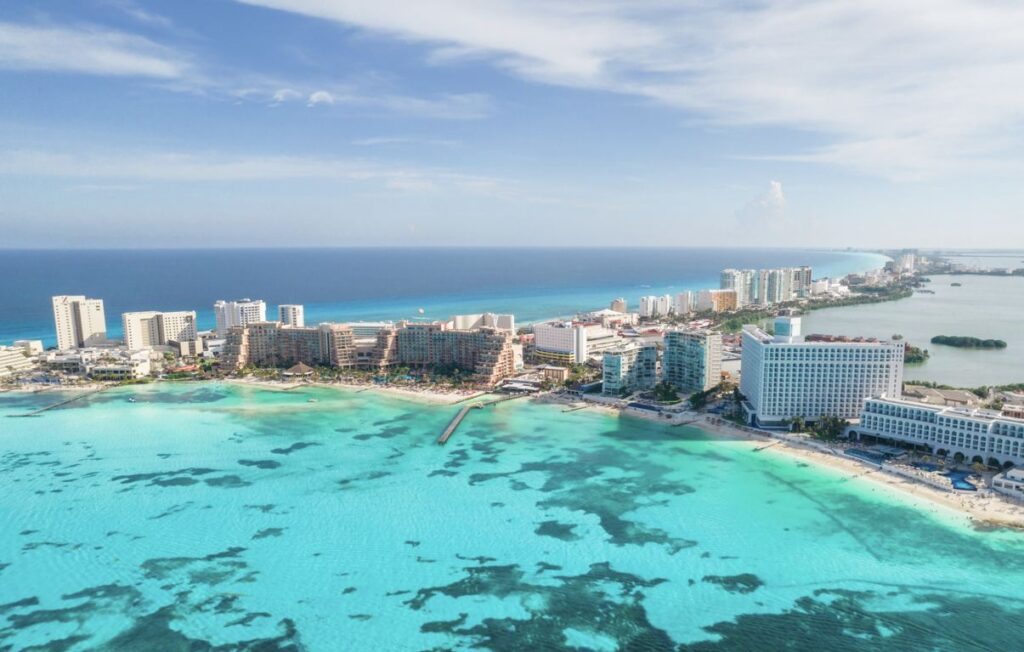
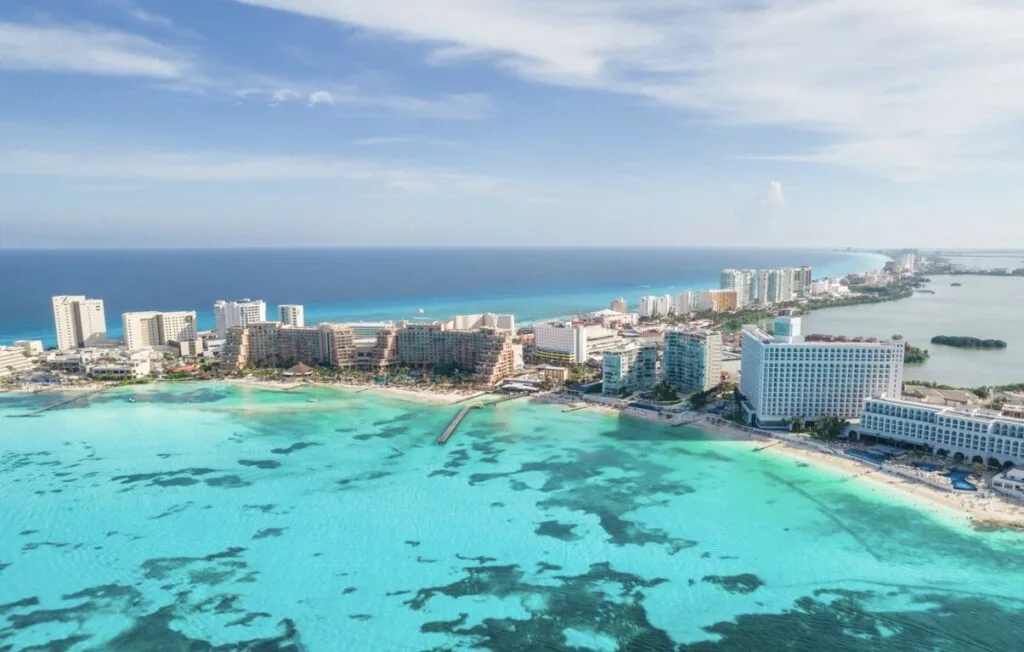
This week, Cancun Mayor Ana Paty Peralta confirmed that the city has already removed a historic 16,000 tons of sargassum from the coastline. That is a massive operational success, but it also proves just how much is out there floating in the Atlantic.
However, it is crucial to make a distinction. When news reports talk about “seaweed in Mexico,” they often lump Tulum, Playa del Carmen, and Puerto Morelos into the same bucket.
This breakdown is specifically for the Cancun Hotel Zone.
If you are staying in Cancun proper, you need to understand the geography of the “7.” The Hotel Zone is shaped like the number 7, and where you stay on that number determines whether you see crystal clear water or a wall of brown.
Based on the latest removal data, here are the 5 cleanest beaches in Cancun right now, and the 3 that are getting hit the hardest.
(Want live sargassum updates? Use our webcam tool here)

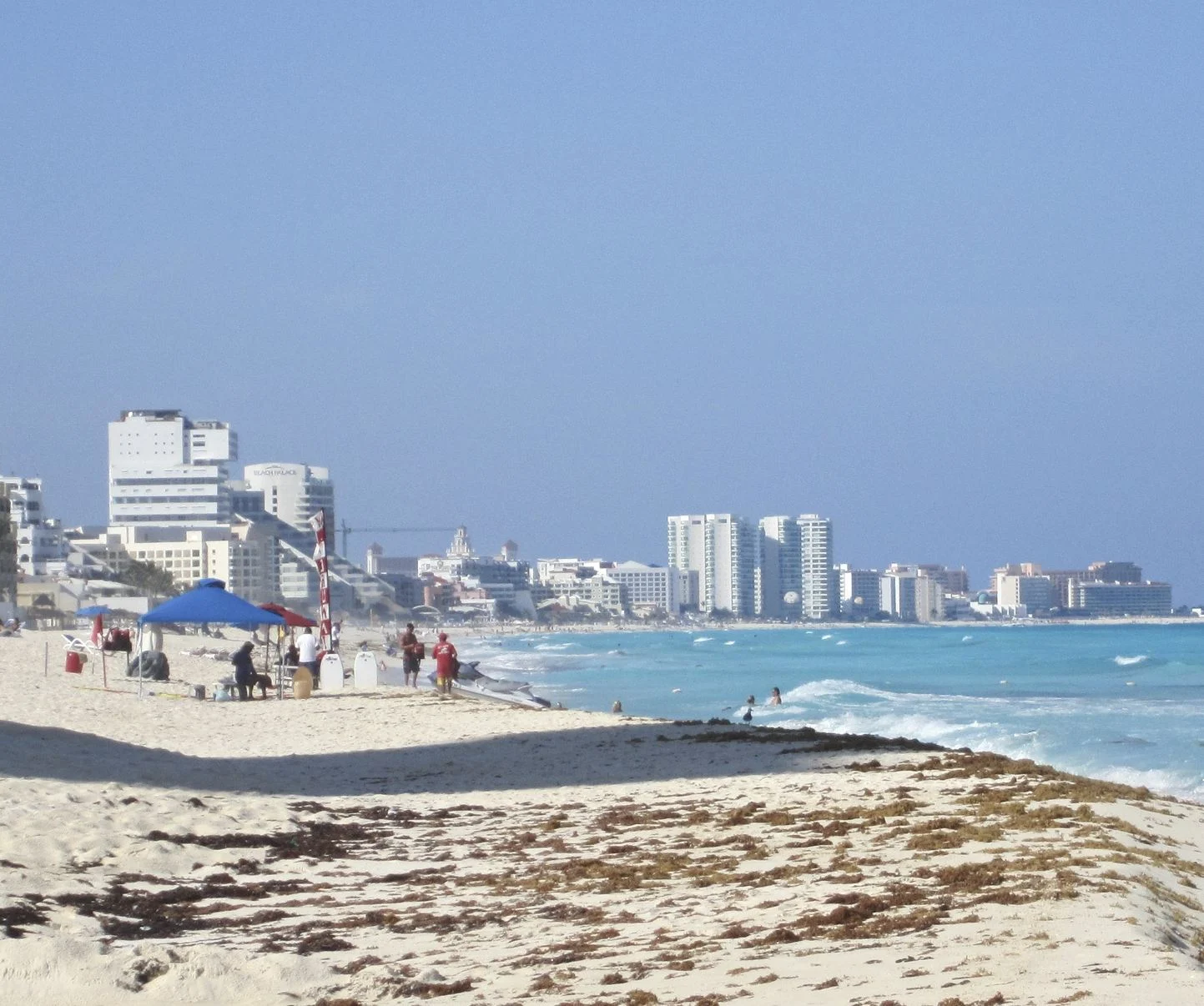
The 5 Best Beaches (Least Sargassum)
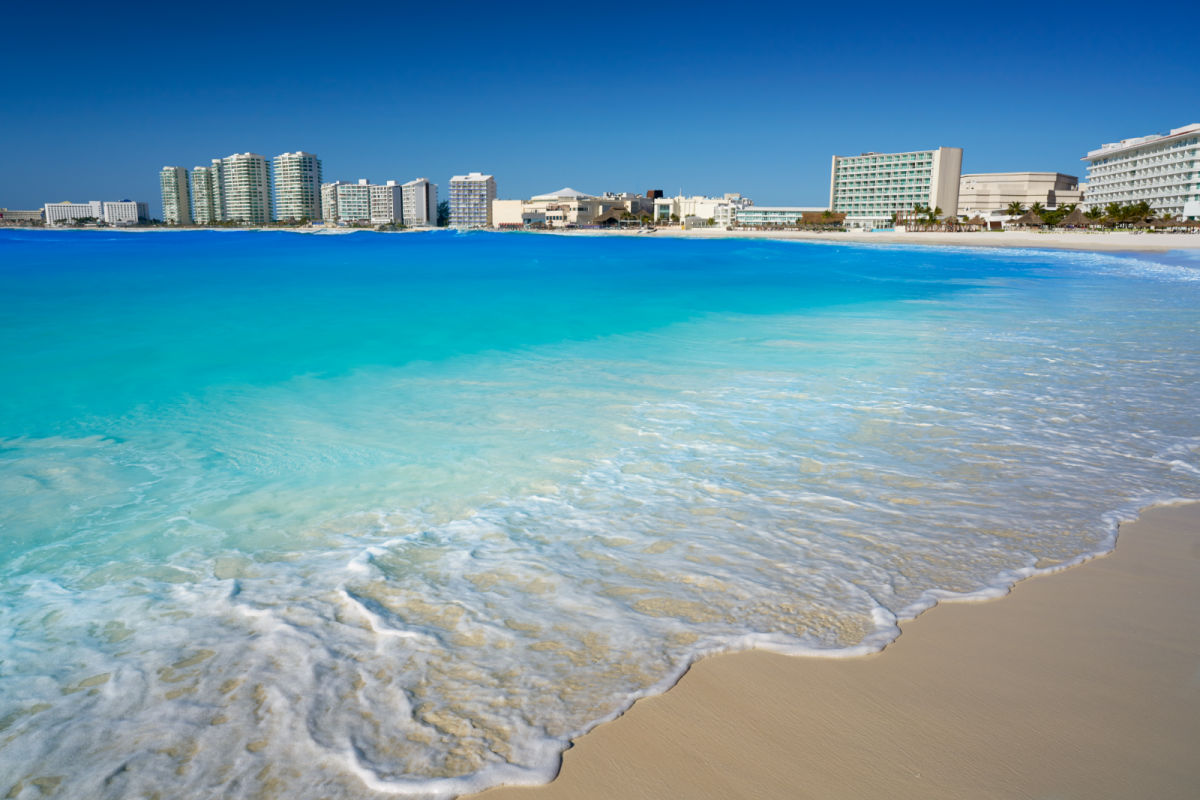
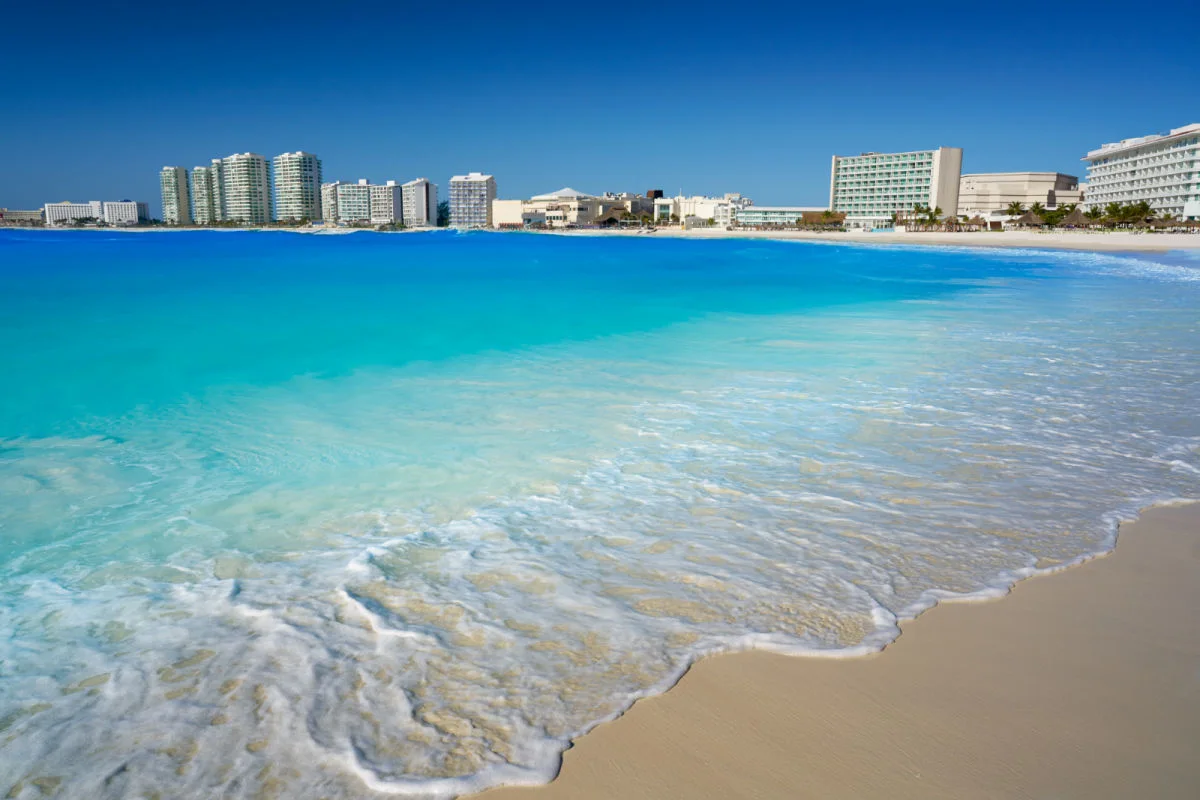
The data is clear: the north-facing beaches (the top horizontal bar of the “7”) are your safe haven. Because they face the bay and are shielded by Isla Mujeres, they avoid the direct impact of the ocean currents that bring the algae.
1. Playa Langosta
Located in the heart of the north strip, this is widely considered one of the most family-friendly and cleanest beaches in the city. The water is calm, shallow, and thanks to its orientation, largely free of the sargassum mats.
2. Playa Tortugas
Famous for its pier and bungee tower, Tortugas benefits from the same “North Shield.” While it can get crowded with locals and ferry passengers, the water clarity is consistently better than the southern resorts.

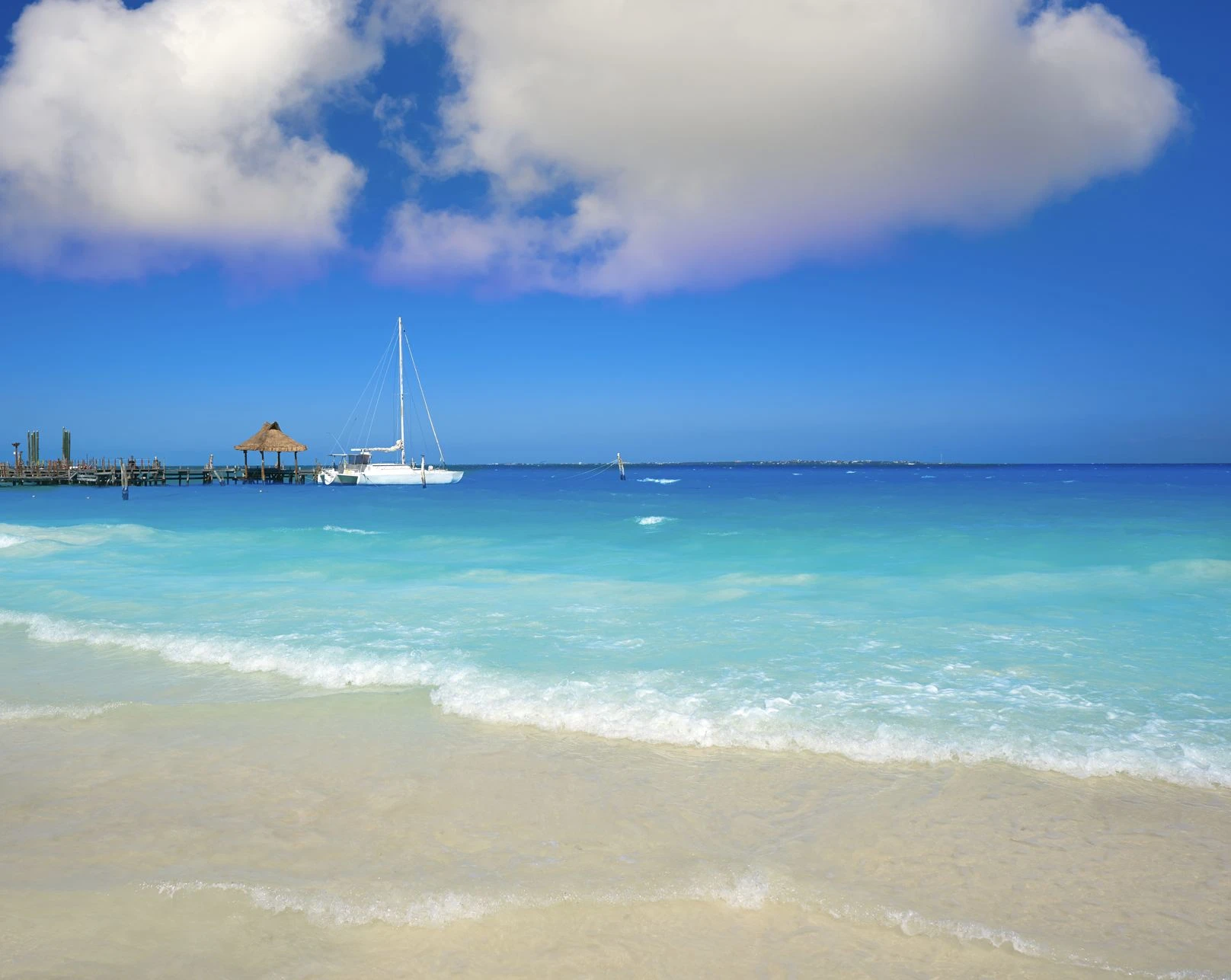
3. Playa Caracol
Located near the Punta Cancun lighthouse (by the major grocery stores and Aloft hotel), Caracol is a stunner. It marks the transition where the beach starts to turn, but it remains protected enough to keep the sand pristine.
4. Playa Pez Volador
Often overlooked by tourists, this beach (located near the giant Mexican flag and the Hotel Casa Maya) is a hidden gem for clean water. It sits deep in the protected zone.
5. Playa Gaviota Azul (Forum)
This is the surprise on the list. Located right behind the nightclub zone (Coco Bongo), this beach usually has stronger waves than the others on this list, but the currents here tend to push the sargassum out rather than trapping it, keeping the accumulation numbers low.
The 3 Worst Beaches (Highest Accumulation)
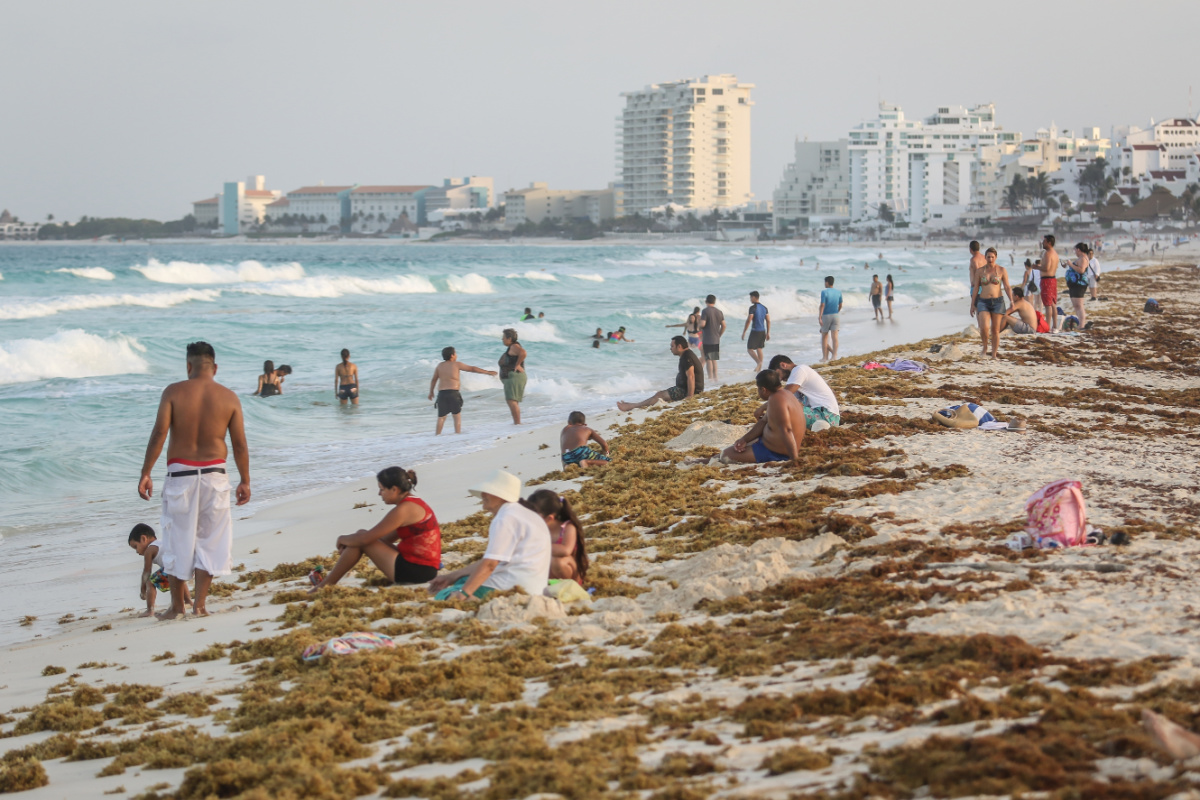
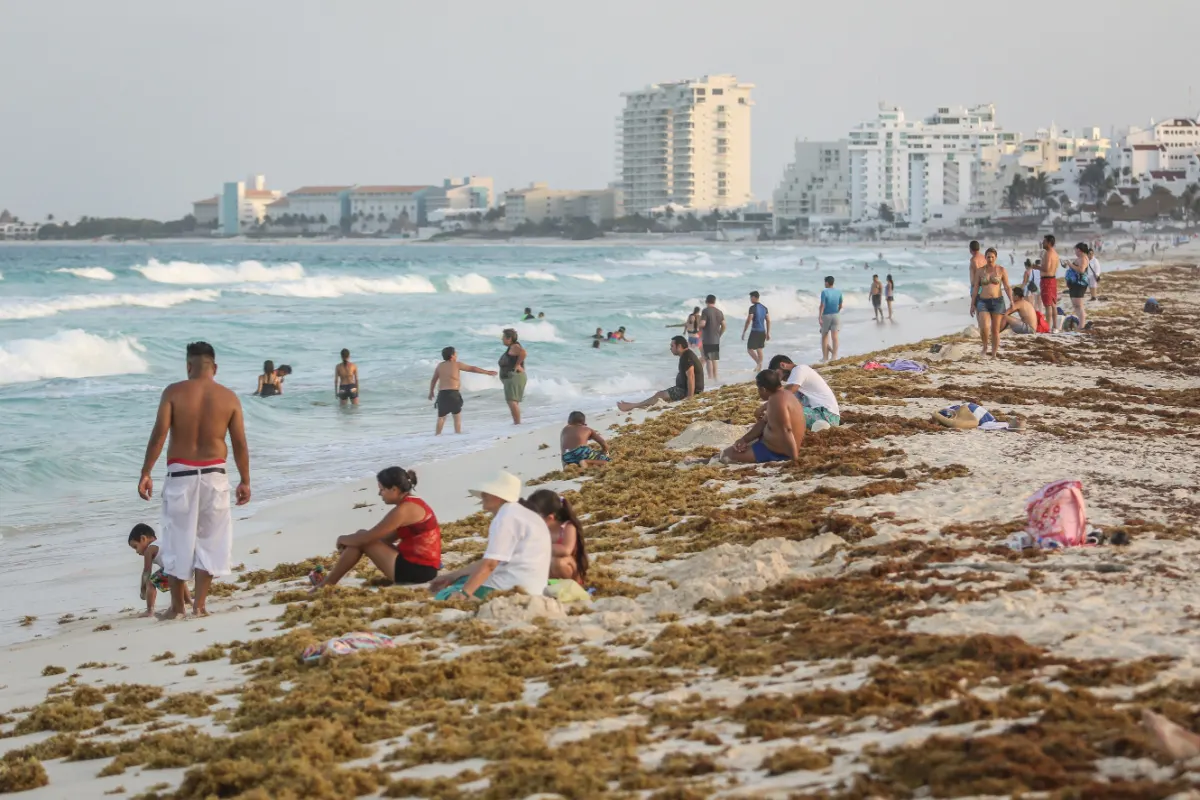
If the north side is safe, the south side is the battleground. These beaches face directly East into the open Caribbean Sea, acting as a “catcher’s mitt” for the floating algae.
The cleanup crews work incredibly hard here—removing tons every morning—but the volume is simply overwhelming compared to the north.
1. Playa Delfines
- Accumulation: ~13,688 cubic meters. This is the most famous beach in Cancun (home of the colorful CANCUN sign), but it is currently the hardest hit. Its position at the bottom of the Hotel Zone means it catches the full force of the Atlantic currents. It is beautiful for photos from the lookout deck, but swimming here can be a challenge right now.
2. Playa Coral
- Accumulation: ~6,096 cubic meters. Known as the city’s “Pet Friendly” beach, Playa Coral is located just south of the main hotel strip. Unfortunately, its location makes it a magnet for seaweed, with accumulation levels nearly half that of Delfines.
3. Playa Chac Mool
- Accumulation: ~2,163 cubic meters. Located in the middle of the vertical strip, Chac Mool takes a direct hit from the East. While it has significantly less than Delfines, it still sees enough volume that you will notice the difference if you walk here from the cleaner northern beaches.
Seaweed Monitor
Not all beaches are equal. Tap a card to see the “Green Zone” and “Red Zone” for seaweed.
THE “7” RULE
Understanding the Map
TAP TO REVEAL5 CLEANEST
Least Accumulation
TAP TO REVEAL3 HARDEST HIT
Highest Accumulation
TAP TO REVEALWHERE TO STAY
Booking Tips
TAP TO REVEALMy Advice
If your priority is swimming in clear water without dodging seaweed, book a hotel on the North side of the Hotel Zone (Km 1 to Km 9).
If you love the resorts on the South side (which are often newer and more luxurious), just make sure they have an amazing pool—because Playa Delfines is currently doing the heavy lifting for the entire city.
That said, the sargassum situation changes every day, so you could get lucky and not see any anywhere!
The Ultimate Cancun Trip Planner
When’s the best time to go? Our powerful month-by-month guide breaks down the weather, crowds, sargassum, and prices for your perfect trip.
Find Your Perfect Cancun & Riviera Maya Resort In Seconds
This simple, powerful tool was built by our on-the-ground experts to match you with the ideal resort for your specific budget and travel style.
Subscribe to our Latest Posts
Enter your email address to subscribe to The Cancun Sun’s latest breaking news affecting travelers, straight to your inbox.