
The rise of the vacation rental has completely transformed how people travel to Cancun. Platforms like Airbnb and Vrbo have offered travelers incredible freedom, space, and value, allowing them to escape the confines of a traditional all-inclusive and craft their own, more independent vacation.
But this explosive growth has largely operated in a “Wild West” of legal gray areas, creating a two-sided problem: a lack of safety standards for tourists and what the hotel industry calls unfair competition.
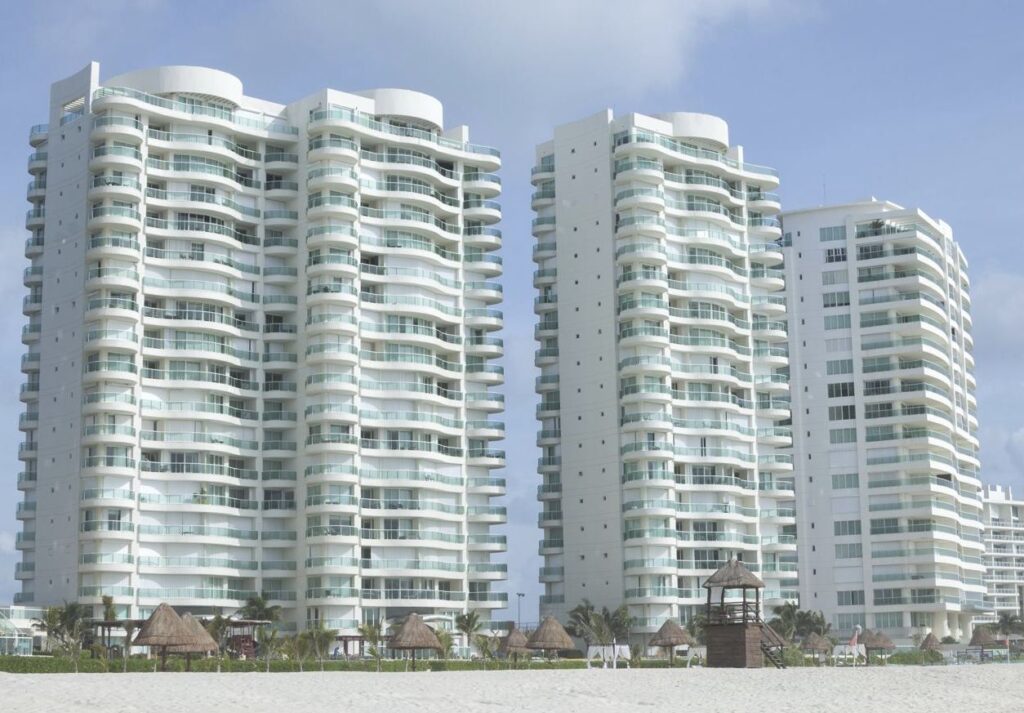
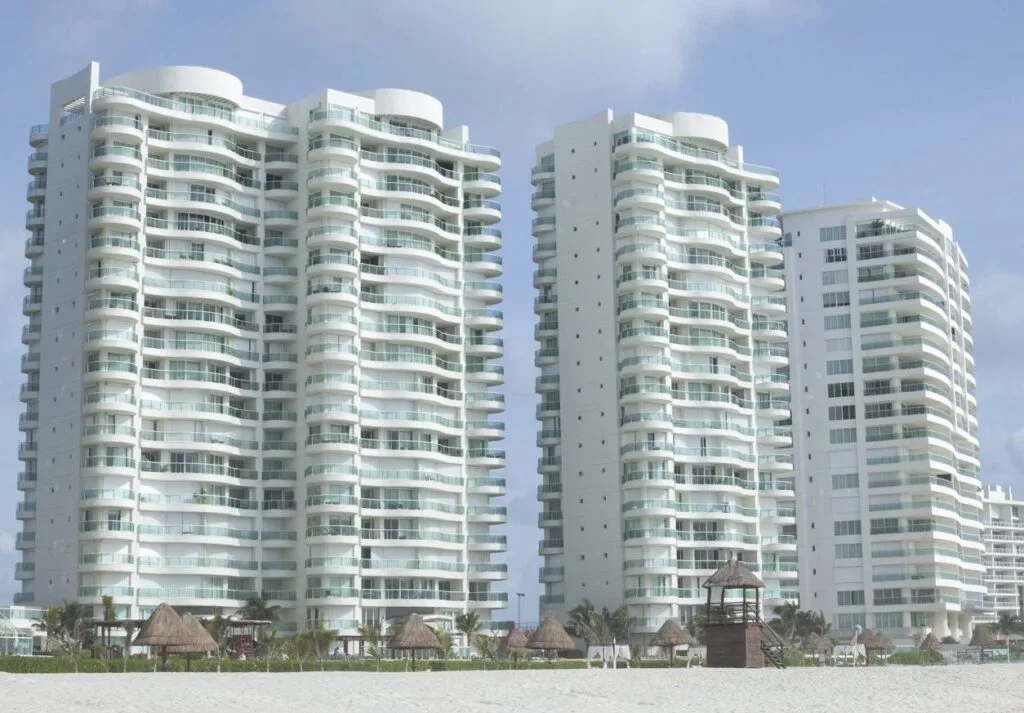
Now, authorities in Cancun are officially stepping in to get a handle on the situation. We’re diving into the new regulations being discussed and what this debate means for the future of your vacation rental.
The Push for Regulation and Tourist Safety
The core of the new initiative is a push for standardization and, most importantly, traveler safety. The Benito Juárez (Cancún) City Council is already working with local tourism groups on a new set of rules.
Miriam Cortés Franco, director of the Association of Vacation Clubs (Acluvaq), confirmed this, stating that the goal is to “achieve fair regulations, but especially to ensure the safety of tourists and those who live nearby.”


This move is a direct response to the growth of informal rentals—properties that aren’t even part of any major platform and may not have basic safety inspections or permits. For travelers, this new regulatory framework is ultimately a good thing. It means that in the future, vacation rentals will be held to a higher standard, ensuring your Airbnb or rental home is safe and compliant with local laws.
The Other Side: Powerful Calls for an Outright Ban
While some groups are pushing for regulation, a much more powerful and vocal segment of the local industry is demanding a more extreme solution: a total ban.
Abelardo Vara, the honorary president of the powerful Cancun Hotel Association, has been blunt in his criticism of the authorities’ tolerance for these platforms. He argues that they operate illegally and represent a massive source of unfair competition for the formal hotel industry, which has to comply with a mountain of rules, taxes, and licensing requirements.
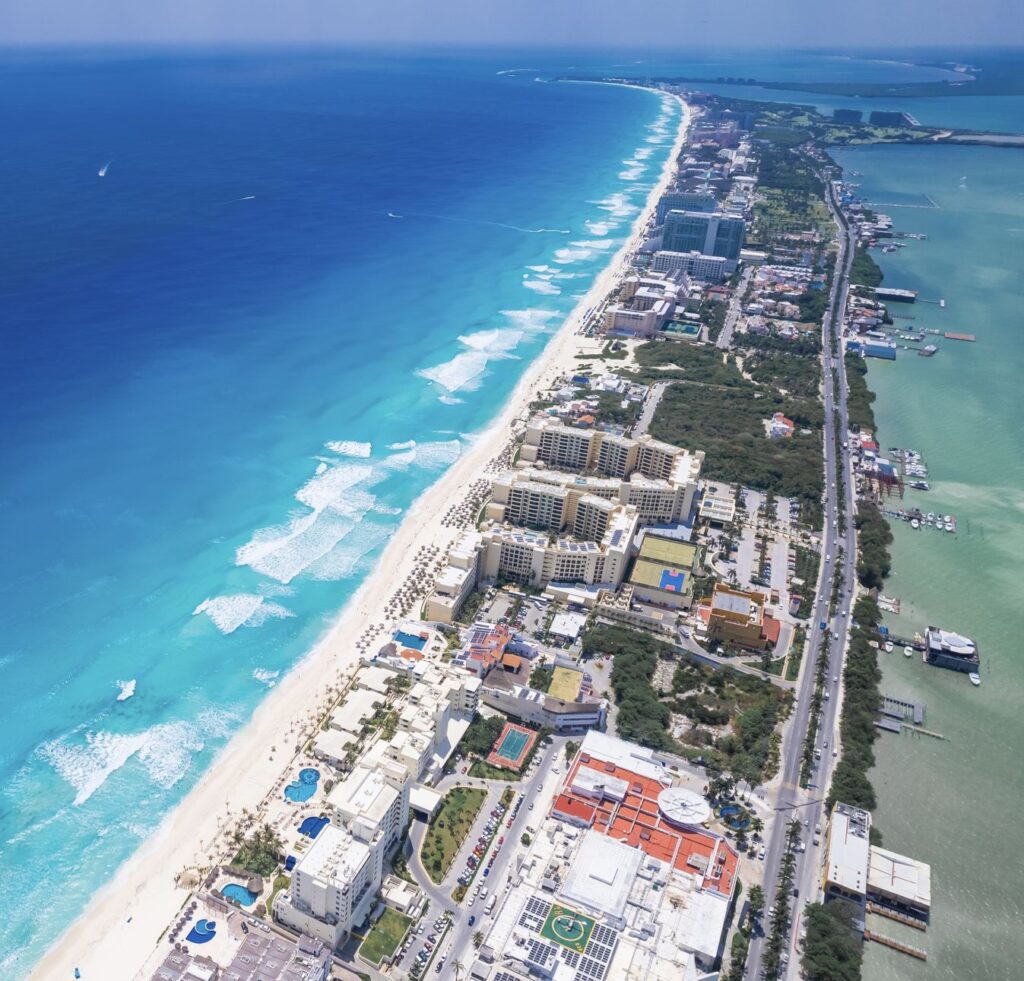
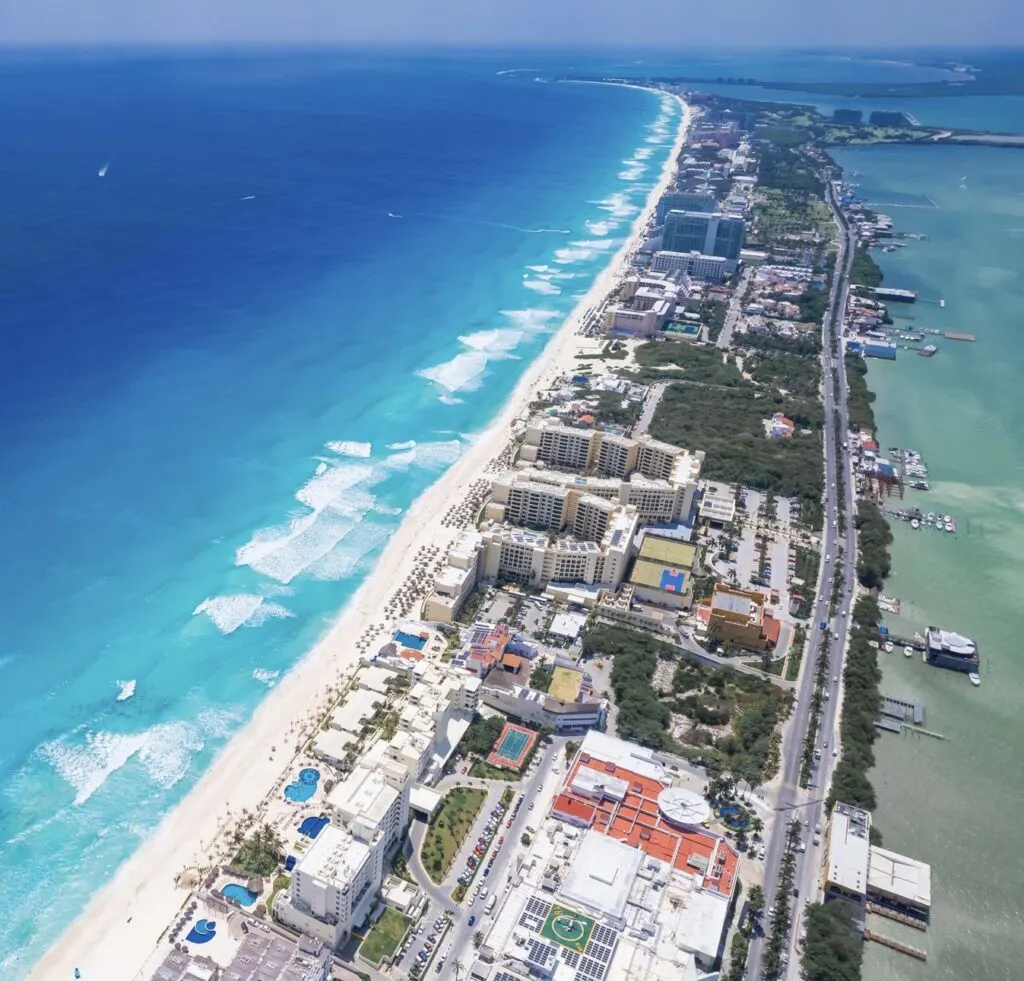
“It’s inconceivable that the government continues to allow illegal platforms to operate,” Vara stated, according to Caribe Peninsular. “They shouldn’t be regulated, they should be shut down. If they want to enter the hotel industry, they should comply with the same rules that everyone else does.”
This high-stakes debate between “regulation” and “elimination” is the central conflict that authorities are now trying to navigate.
The Government’s “Big Picture” View
So, will Cancun actually ban Airbnbs? All signs point to no.
The government’s “big picture” view seems to be one of adaptation, not elimination. Quintana Roo’s Governor, Mara Lezama, recently clarified the state’s position, noting that tourism has not actually decreased, but is instead being “distributed among new accommodations and platforms like Airbnb.”
This is a powerful acknowledgment from the highest level of state government. It signals that they see vacation rentals as a permanent and important part of the region’s tourism mix. The goal, therefore, isn’t to ban them, but to formalize them—bring them into the legal framework, tax them, and use that revenue to benefit the destination.
What This Means for Your Next Cancun Trip
While an outright ban is highly unlikely, you should expect to see changes in the near future that will affect your booking. The “Wild West” era of vacation rentals is coming to an end.
For travelers, this will most likely mean:
- New Taxes: Expect to see local and state tourism taxes more consistently applied to your Airbnb and Vrbo bookings. This could increase overall prices making vacation rentals less appealing.
- Higher Safety Standards: New regulations will likely require hosts to have mandatory safety features, permits, and inspections, which is a huge win for guest safety.
- A More Stable Market: This move will help weed out the bad actors and informal rentals, creating a safer and more reliable market for everyone.

The conversation in Cancun is no longer if vacation rentals should be part of the tourism landscape, but how. This new push for regulation is the first major step in creating a safer and more sustainable future for one of the most popular travel styles in the world.
The Ultimate Cancun Trip Planner
When’s the best time to go? Our powerful month-by-month guide breaks down the weather, crowds, sargassum, and prices for your perfect trip.
Find Your Perfect Cancun & Riviera Maya Resort In Seconds
This simple, powerful tool was built by our on-the-ground experts to match you with the ideal resort for your specific budget and travel style.
Subscribe to our Latest Posts
Enter your email address to subscribe to The Cancun Sun’s latest breaking news affecting travelers, straight to your inbox.