
The Mexican government has officially mobilized federal health inspectors to investigate luxury all-inclusive resorts across the Mexican Caribbean following an international health alert.
The Federal Commission for Protection against Sanitary Risks (Cofepris), operating under the Ministry of Health (Ssa), has ordered immediate verification visits and sanitary inspections at several tourist establishments in Quintana Roo.
The targeted inspections come in direct response to a communication from the United Kingdom regarding an outbreak of cyclosporiasis—a parasitic stomach illness—among British holidaymakers who recently returned from vacations in Cancun and the Riviera Maya.
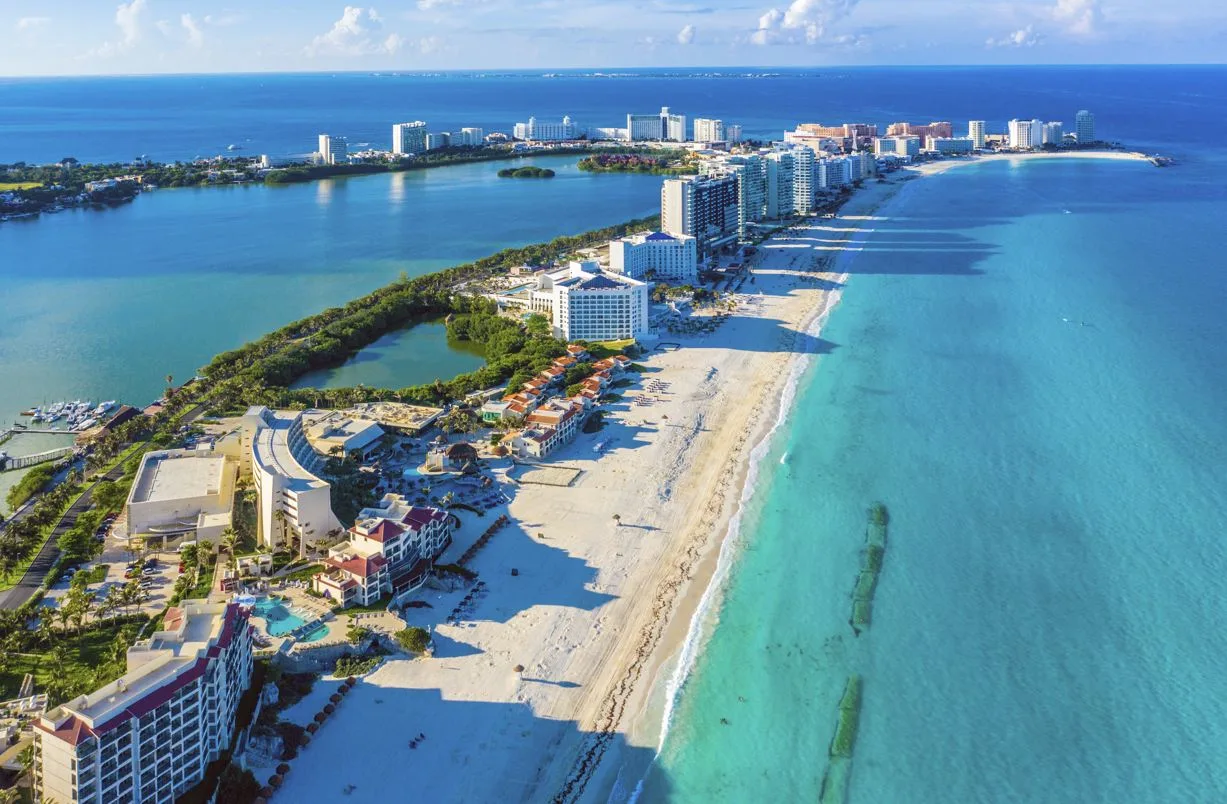
As health officials work to trace the source of the parasite, here is a comprehensive breakdown of the current situation, the government’s response, and what international travelers need to know before their next trip.
The International Health Alert
The sudden mobilization of Mexican health authorities stems from a recent report published by the United Kingdom Health Security Agency. The agency, acting as the National Focal Point for the International Health Regulations, formally notified the Mexican government of a sharp seasonal spike in Cyclospora infections.
According to the UK government’s data, between April 30 and July 15, 2026, 48 tourists originating from England, Wales, and Scotland contracted the illness during their travels. The health agency noted that the infected individuals had visited the Riviera Maya and Cancun regions, where they stayed at various luxury all-inclusive hotels.
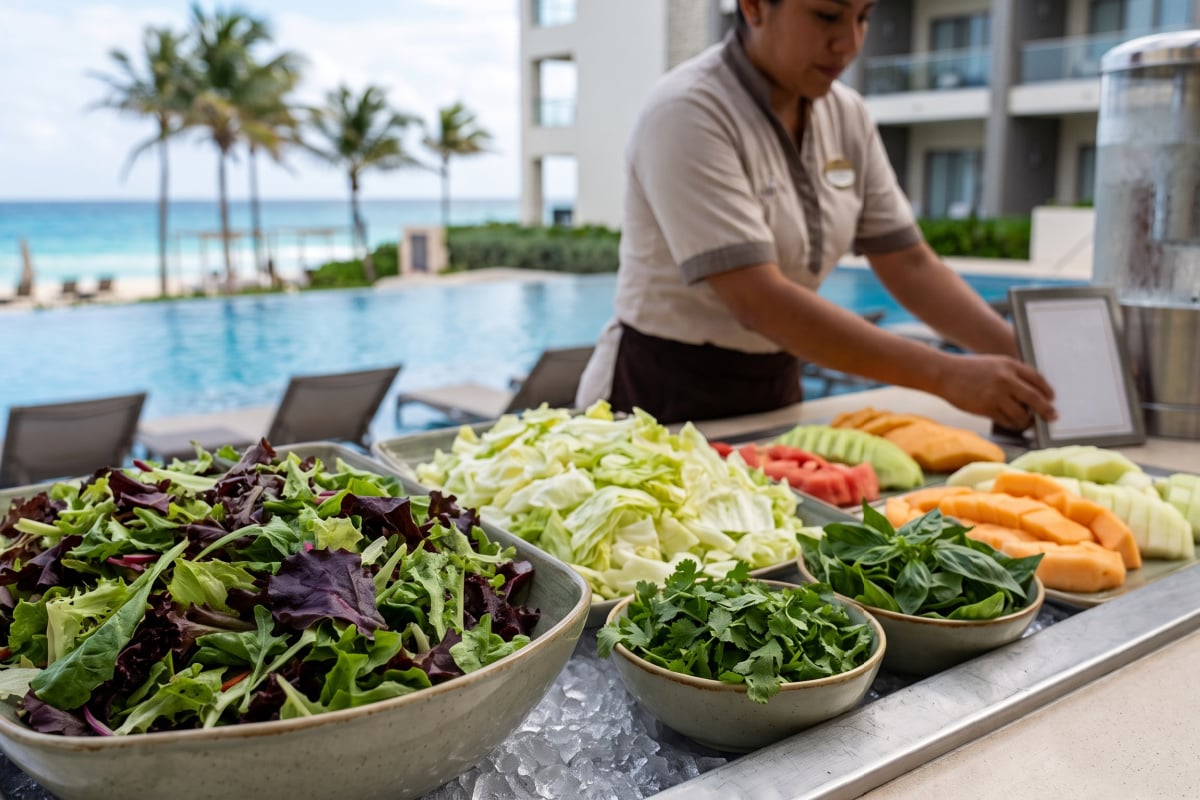
The British authorities indicated that the infections were likely caused by consuming contaminated raw fruits, vegetables, and fresh salads within their resort packages.
Because Cyclospora is not naturally endemic to the UK, health officials look specifically at travel histories to identify the origin point.
Given the seasonal increase in British tourists traveling to Mexican destinations during the summer months, the UK government has warned that more infections could potentially surface in the coming weeks.
Travelling to Mexico this summer? We've seen a sharp rise in cyclospora infections linked to the destination.
— UK Health Security Agency (@UKHSA) July 30, 2026
The tiny parasite is picked up through contaminated food, even at high-end all-inclusive resorts and causes explosive diarrhoea. pic.twitter.com/dPIRLJdYxC
Mexico’s Federal Response and Inspections
Upon receiving the international communication, the Mexican Ministry of Health took immediate action.
Cofepris, operating in coordination with the General Directorate of Epidemiology and other federal agencies, was dispatched to conduct rigorous verification visits at the specific hotels and resorts involved in the reported cases.
The primary goal of these inspections is to evaluate the food handling procedures, sanitation standards, and water treatment processes at the targeted luxury properties.
However, the Mexican government has released a statement emphasizing that, up to this point, analyses conducted by both Mexican and United States health authorities have not successfully identified the physical presence of the Cyclospora cayetanensis parasite in any of the collected samples.
Federal officials assured the public that the ongoing investigations spearheaded by Cofepris are being executed in strict adherence to international protocols and standards. This guarantees the technical soundness, safety, and traceability of all laboratory results.
Authorities in Mexico are working diligently to either identify a potential source of contamination or confirm the safety of the local agricultural and hospitality supply chains.
Understanding Cyclosporiasis
For travelers planning a trip to the Mexican Caribbean, understanding the nature of the illness is the best way to prevent it. Cyclospora cayetanensis is a microscopic, single-celled parasite that causes an intestinal infection known as cyclosporiasis.
Unlike many common stomach bugs that are passed from person to person, Cyclospora is uniquely transmitted through the ingestion of contaminated food or water. The parasite is most frequently associated with fresh produce that is difficult to thoroughly wash, such as leafy green salads, fresh herbs like cilantro, and unpeeled soft fruits like raspberries or blackberries.

Recognizing the Symptoms
The parasite targets the small intestine, leading to a highly unpleasant illness that is often colloquially referred to by sufferers as “explosive diarrhea.” The incubation period for the parasite can vary significantly; symptoms typically appear anywhere between two and 14 days after the initial infection.
The most common symptoms include:
- Frequent, watery, or explosive diarrhea
- Severe abdominal cramping and pain
- Significant bloating and increased flatulence
- Nausea and loss of appetite
- Unintended weight loss and profound fatigue
- Low-grade fever
While the illness can be mild and self-limiting for some individuals, it can be severe and prolonged for others—especially those with compromised immune systems. Because it is a parasitic infection, it generally requires a specific prescription antibiotic regimen for a full recovery.


How to Protect Your Health on Vacation
While the prospect of contracting a stomach parasite is alarming, it should not necessarily force you to cancel your travel plans. Millions of tourists visit Quintana Roo every year without experiencing any health issues. By practicing vigilant food and water hygiene, you can drastically reduce your risk of exposure, even when staying at high-end, five-star resorts.
- Avoid Raw Produce: The safest approach during an active outbreak is to avoid eating raw, uncooked vegetables and salads. Skip the fresh salsa if it contains raw cilantro, and avoid leafy greens at the buffet.
- Choose Peelable Fruits: Instead of eating pre-cut fruit salads or soft berries, opt for fruits that you can peel yourself, such as bananas, oranges, or thick-skinned melons.
- Prioritize Cooked Foods: Heat kills the parasite. Stick to meals that have been thoroughly cooked and are served piping hot.
- Drink Safe Water: Only consume commercially bottled and sealed water. Avoid drinking from the tap, and verify that the ice used in your resort’s cocktails is produced from commercially purified water.
If you begin experiencing severe gastrointestinal distress, extreme fatigue, or prolonged diarrhea during your vacation or shortly after returning home, it is imperative to seek medical attention. Inform your healthcare provider of your recent travel history to the Mexican Caribbean so they can order the appropriate specialized tests and prescribe the correct treatment.
Join Our Cancun Sun Community of 16,000+ Members
Get real-time answers to your travel questions from our team of local experts and thousands of fellow travelers directly inside our interactive group.
Find Your Perfect Cancun & Riviera Maya Resort In Seconds
This simple, powerful tool was built by our on-the-ground experts to match you with the ideal resort for your specific budget and travel style.
The Ultimate Cancun Trip Planner
When’s the best time to go? Our powerful month-by-month guide breaks down the weather, crowds, sargassum, and prices for your perfect trip.
Enter your email address to subscribe to The Cancun Sun’s latest breaking news affecting travelers, straight to your inbox.
Joe Simiriglio Jr
Monday 3rd of August 2026
Please provide/name all resorts with food health violations as cited by the Britidh government.