
Planning a late-summer or early-fall escape to the Mexican Caribbean usually comes with one massive, lingering source of anxiety: the daily sargassum watch. If you have been obsessively refreshing beach webcams or scrolling through local travel groups over the last three months, you have probably seen the overwhelming photos. For most of the summer, massive mats of foul-smelling brown macroalgae dominated the coastline, turning that world-famous turquoise water into a murky, frustrating mess.
But if you have a flight booked to Cancun in the coming weeks, it is time to take a deep, relaxing breath.
As the summer vacation season draws to a close, the tide has officially turned. Across the northern half of Quintana Roo, we are currently seeing a massive, highly visible reduction in seaweed washing ashore. The white sand is finally returning, the water is clearing up, and travelers are stepping right into the surf without having to wade through a thick barrier of algae.

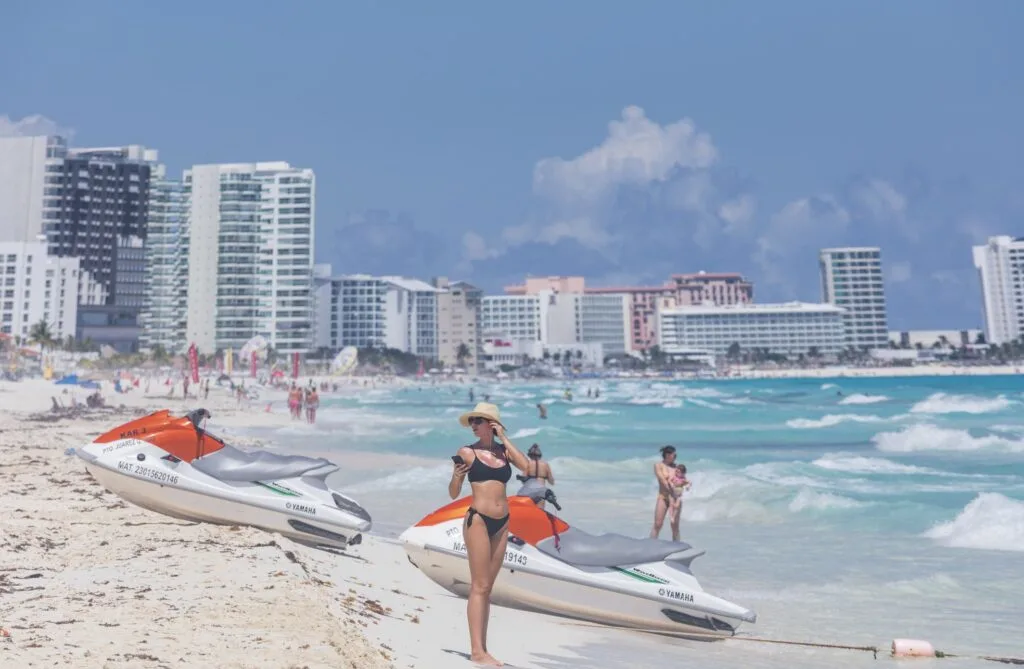
But with the weather constantly shifting, is the 2026 sargassum season actually in our rearview mirror, or is this just a temporary break in the action? Here is a breakdown of what the beaches actually look like right now, the massive cleanup efforts behind the scenes, and what you can expect for the rest of the year.
The Great Reversal: What the Sand Looks Like Today
Just a few weeks ago, waking up and walking down to the beach felt like a gamble. Today, the reality on the sand is entirely different, especially if you are staying in the northern tourist hubs.
Recent monitoring of 100 distinct beaches across the northern half of the state reveals a remarkably positive picture. Out of all those pristine stretches of sand, only eight are currently reporting excessive amounts of sargassum—and the vast majority of those are localized to specific points in Cozumel and the Arco Maya area in Playa del Carmen.
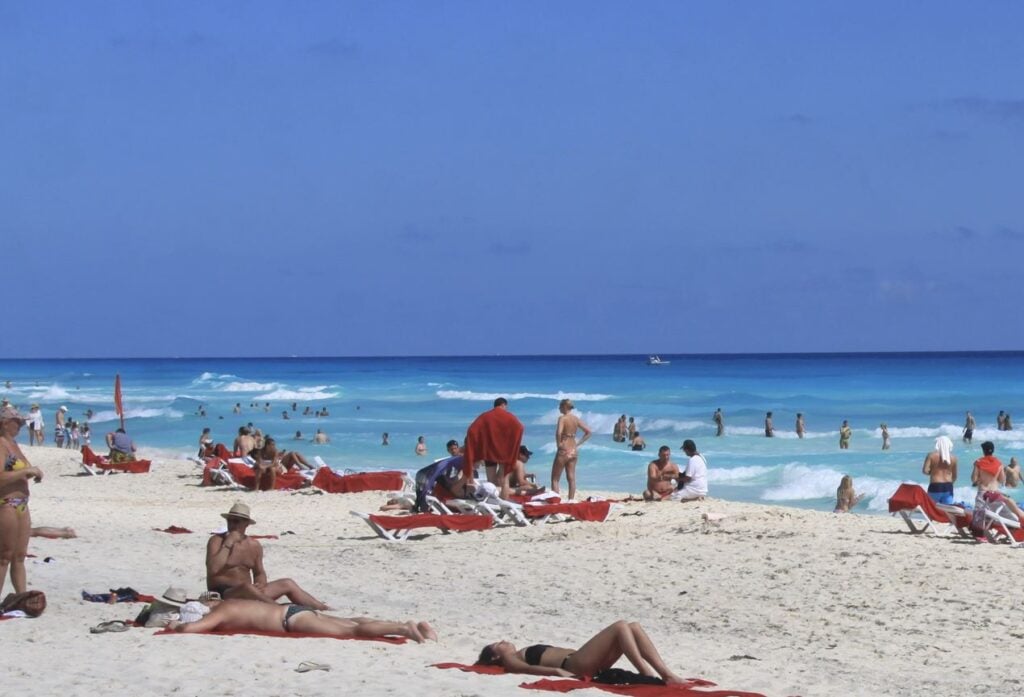
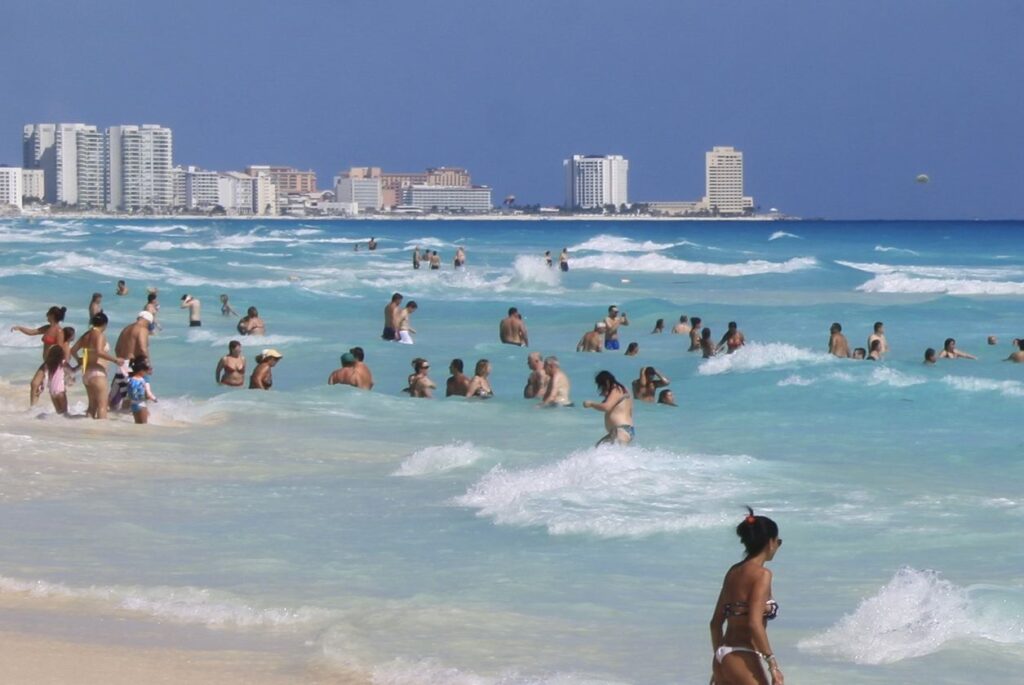
Everywhere else, the news is fantastic. Over 55 beaches are currently reporting incredibly low levels of seaweed, specifically in the massive tourist strongholds of Cancun and Puerto Morelos.
If you are willing to take a quick ferry ride north, the island of Holbox is currently reporting beaches that are completely, 100 percent clean. Travelers arriving this week are happily reporting that while there might be a few small patches of seaweed early in the morning, it is absolutely not preventing anyone from diving in and enjoying the warm Caribbean Sea.
The Invisible Army: 100,000 Tons Removed
It is incredibly important to understand that this dramatic turnaround did not just happen by magic. While shifting ocean currents are helping, the clear beaches you are enjoying right now are the direct result of an absolute logistical masterclass.
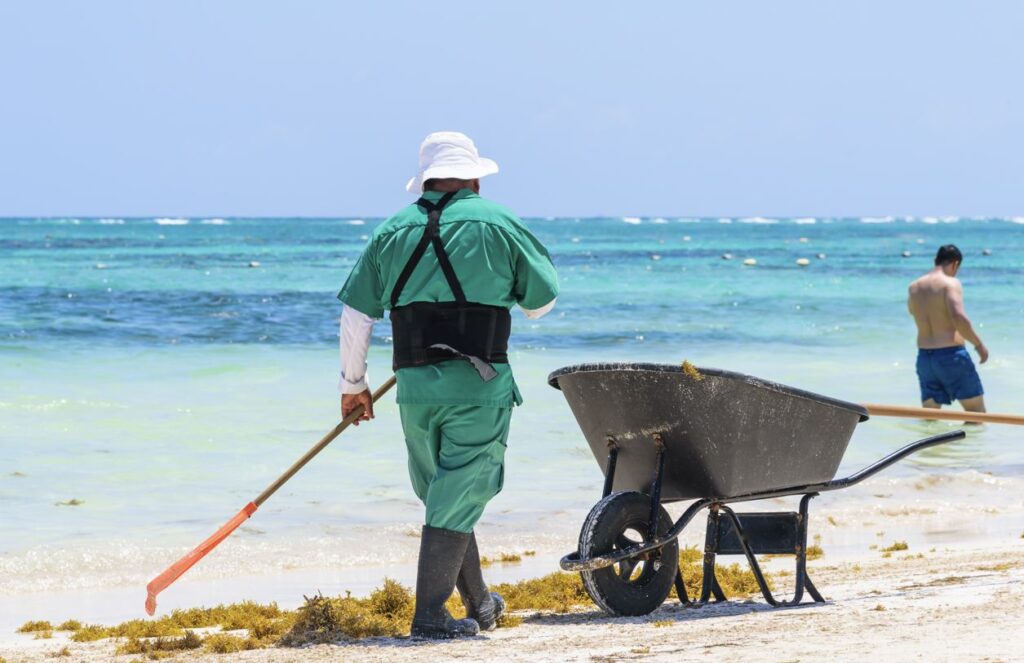
So far this year, a coordinated effort between the Mexican Navy, the state government, and local municipal crews has successfully removed nearly 100,000 tons of sargassum from the coastline. Let that number sink in.
This required an army of local workers, specialized naval collection vessels sweeping the shallow waters, and fleets of tractors raking the sand before the sun even came up.
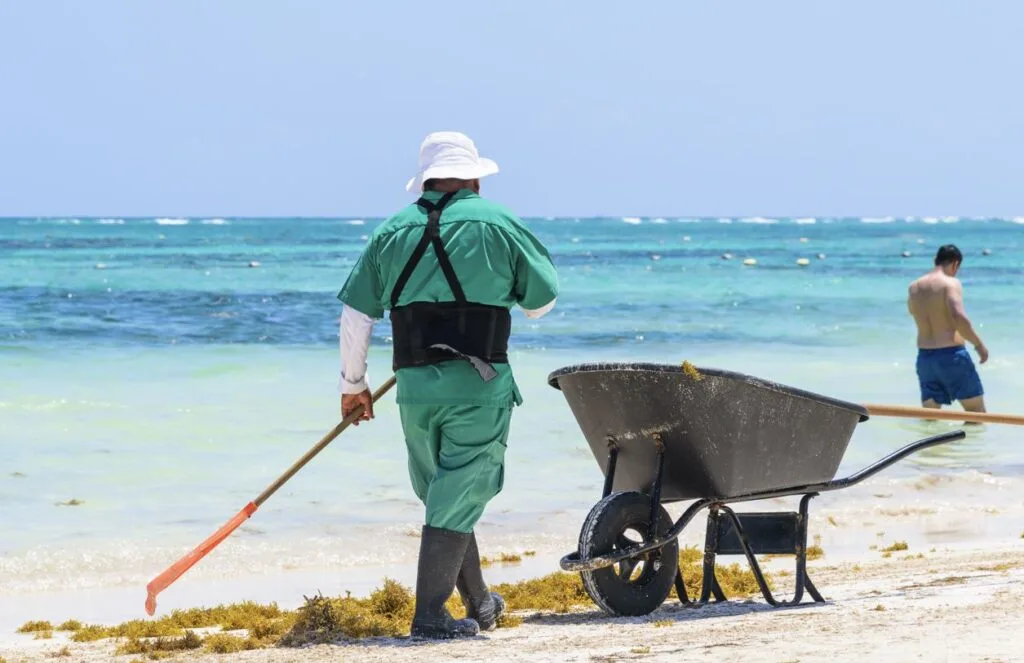
When you sit on your pristine beach chair sipping a margarita this week, you are directly benefiting from one of the most aggressive, well-funded environmental cleanup operations on the planet. The destination refused to wave the white flag, and that dedication has saved countless vacations.
A Tale of Two Coasts: Where to Avoid
While Cancun and Puerto Morelos are celebrating the return of crystal-clear water, it is crucial to know that the entire state is not completely out of the woods just yet. Geography plays a huge role in where the seaweed lands.

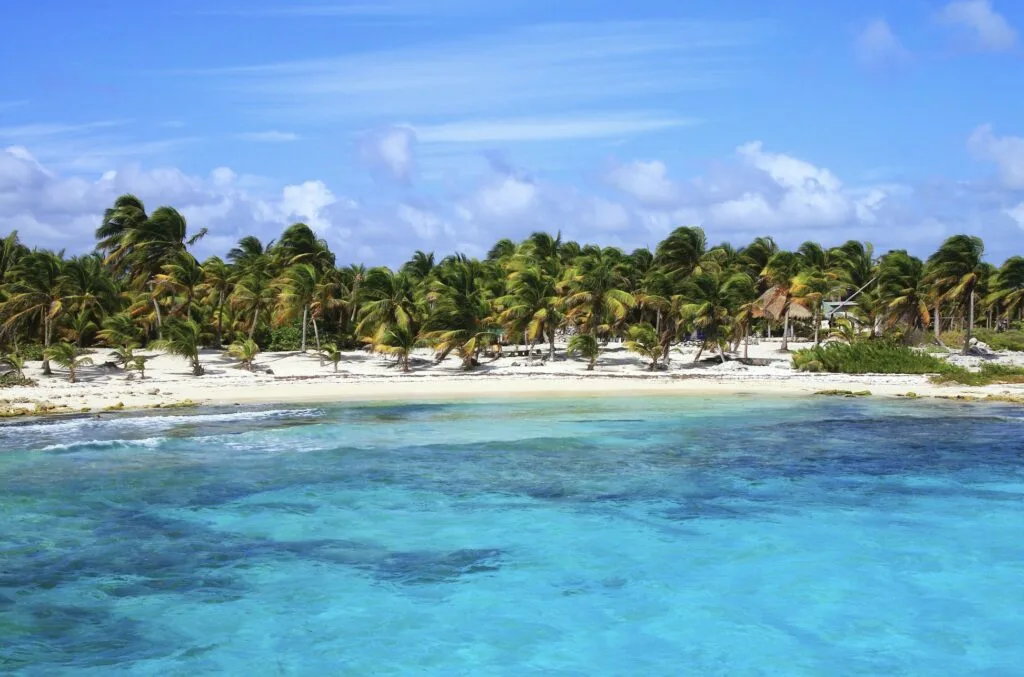
If your itinerary takes you deep into the southern stretches of Quintana Roo—specifically the laid-back dive towns of Mahahual and Xcalak—you need to manage your expectations. Monitoring shows that the vast majority of beaches in the deep south are still battling excessive amounts of sargassum. Because of the way the ocean currents hit the lower half of the peninsula, those areas naturally catch a much higher volume of the drifting algae.
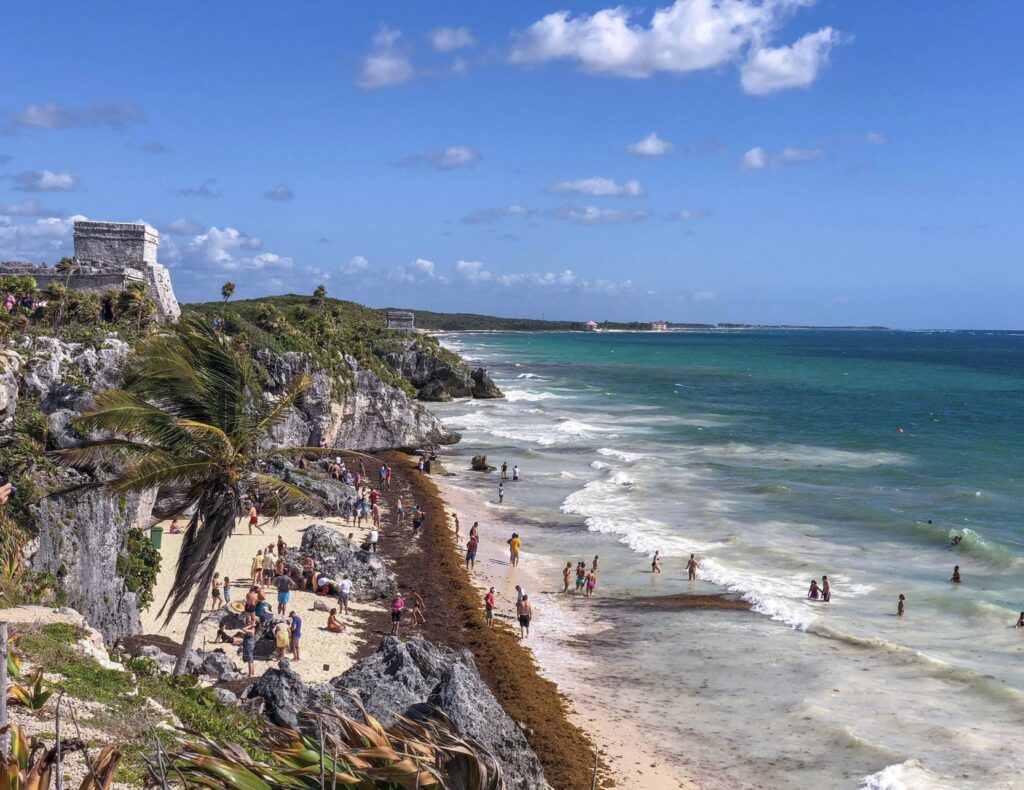
Even in Tulum, the fight is still ongoing. The natural wave action along the Tulum coastline makes it incredibly difficult for the Navy to install floating barriers, meaning more of the seaweed successfully makes it all the way to the sand. If you want guaranteed clear water right now, your best strategy is to stay up north.
The Final Verdict: Is The Season Over?
So, is the 2026 sargassum season officially dead and gone? Not completely, but we are absolutely rounding third base and heading for home.
Environmental experts and local transit monitors expect this massive reduction to continue holding steady through September and October. The late-summer shift in ocean currents, combined with the atmospheric changes brought on by tropical weather patterns, naturally breaks up the massive algae mats before they can reach the shore.
While you might still see a stray patch of seaweed wash up after a strong overnight storm, the days of the massive, coastline-choking invasions are largely behind us for the year. The heavy lifting is done, the water is clearing up beautifully, and the Mexican Caribbean is officially transitioning into its spectacular fall and winter seasons. Pack your bags, leave the sargassum anxiety at home, and get ready for an incredible trip.
Join Our Cancun Sun Community of 16,000+ Members
Get real-time answers to your travel questions from our team of local experts and thousands of fellow travelers directly inside our interactive group.
Find Your Perfect Cancun & Riviera Maya Resort In Seconds
This simple, powerful tool was built by our on-the-ground experts to match you with the ideal resort for your specific budget and travel style.
The Ultimate Cancun Trip Planner
When’s the best time to go? Our powerful month-by-month guide breaks down the weather, crowds, sargassum, and prices for your perfect trip.
Enter your email address to subscribe to The Cancun Sun’s latest breaking news affecting travelers, straight to your inbox.