
You have finally made it to the Mexican Caribbean. You have your favorite swimsuit on, a cold drink in hand, and you are ready to dive into that iconic turquoise water. But as you walk past the lifeguard tower, you notice a bright white flag flapping in the ocean breeze.
Most travelers know that a green flag means go and a red flag means stop. But what exactly does the white flag mean?
At The Cancun Sun, we want to make sure your vacation is memorable for all the right reasons—not because you spent three days nursing a painful rash.
Here is your ultimate 2026 guide to understanding Cancun’s white flag warning, what it means for your beach day, and exactly how to pivot your plans to stay safe.
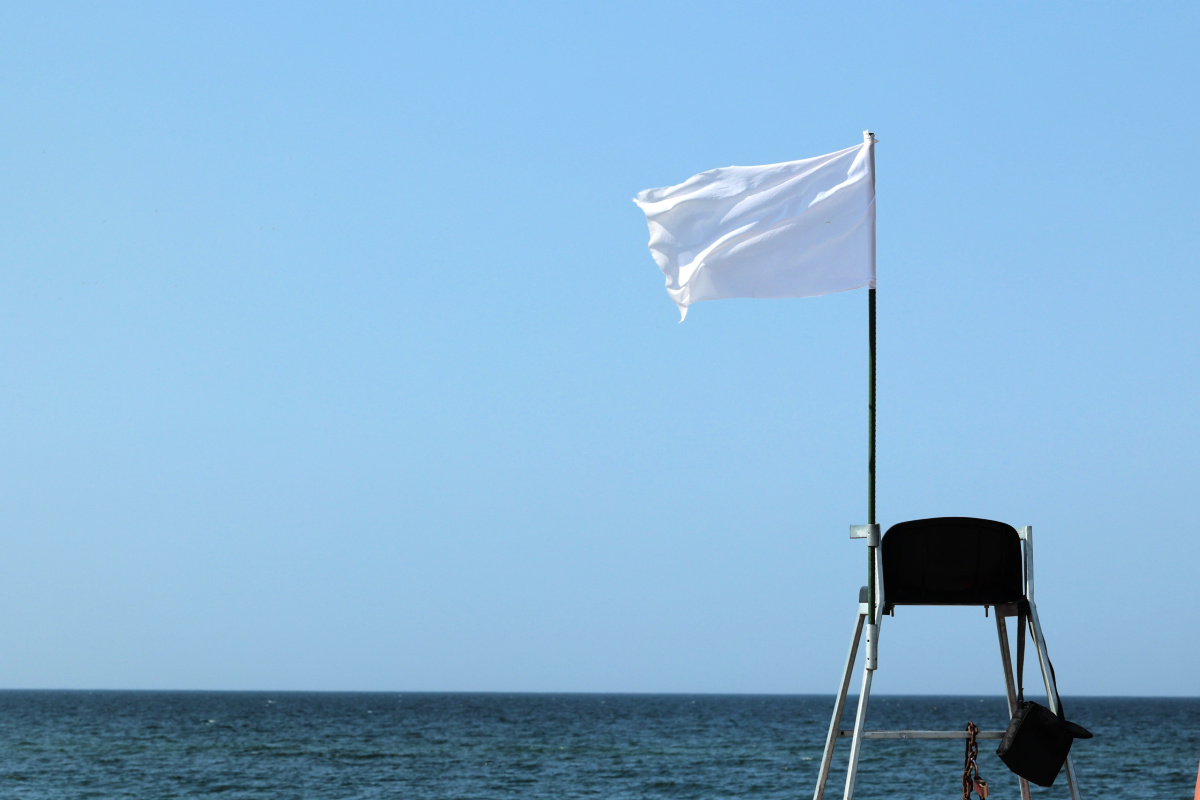
The White Flag: Cancun’s Marine Life Warning
Beach flags are essentially your eyes in the water. They are updated in real-time by highly trained lifeguards and local Civil Protection teams to communicate hidden hazards.
While the standard green, yellow, and red flags dictate wave intensity and rip currents, the white flag is biological.
Unlike the United States flag system, which typically flies a purple flag for marine pests, Cancun and the Riviera Maya utilize a solid white flag to signal that dangerous marine life has been spotted in the surf zone or washing ashore.
When this flag is flying, the hazard has nothing to do with the strength of the waves—it is entirely about creatures that can bite, sting, or leave you with a severe rash.
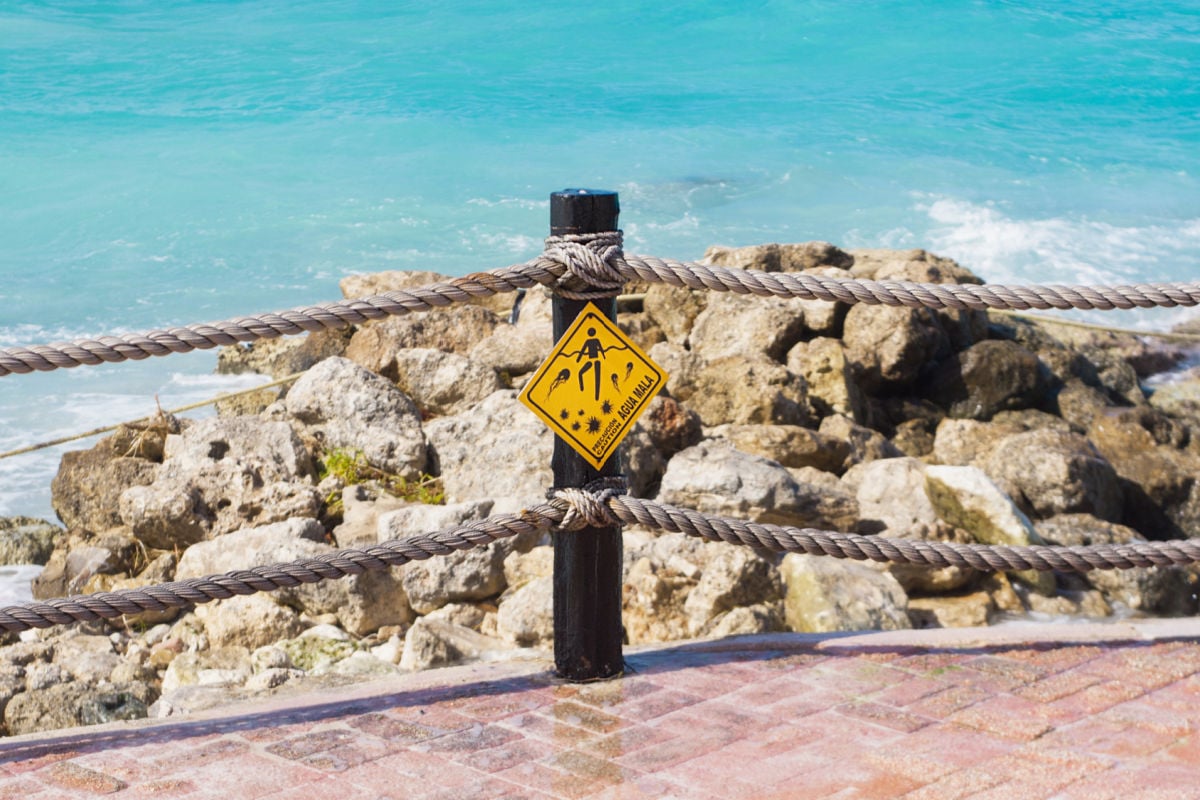
What Exactly Is in the Water?
When lifeguards hoist the white flag, they are usually warning you about one of three temporary visitors pushed to the shoreline by shifting currents and warming waters:
- Jellyfish Blooms: The most common culprit. These blooms can appear out of nowhere depending on the wind and tide, bringing thousands of stinging jellyfish right into the shallow wading zones.
- Sea Lice: Do not let the name fool you—these are not actual lice. “Sea lice” are actually microscopic thimble jellyfish larvae. They are practically invisible to the naked eye, but if they get trapped inside your swimsuit while you swim, their defense mechanisms trigger, causing a fiercely itchy, bumpy rash known as “seabather’s eruption.”
- The Portuguese Man-of-War: While much rarer, these highly venomous hydrozoans occasionally get blown onto Quintana Roo beaches after strong offshore storms. Their vibrant blue and purple tentacles can trail for feet behind them and deliver an excruciating sting.
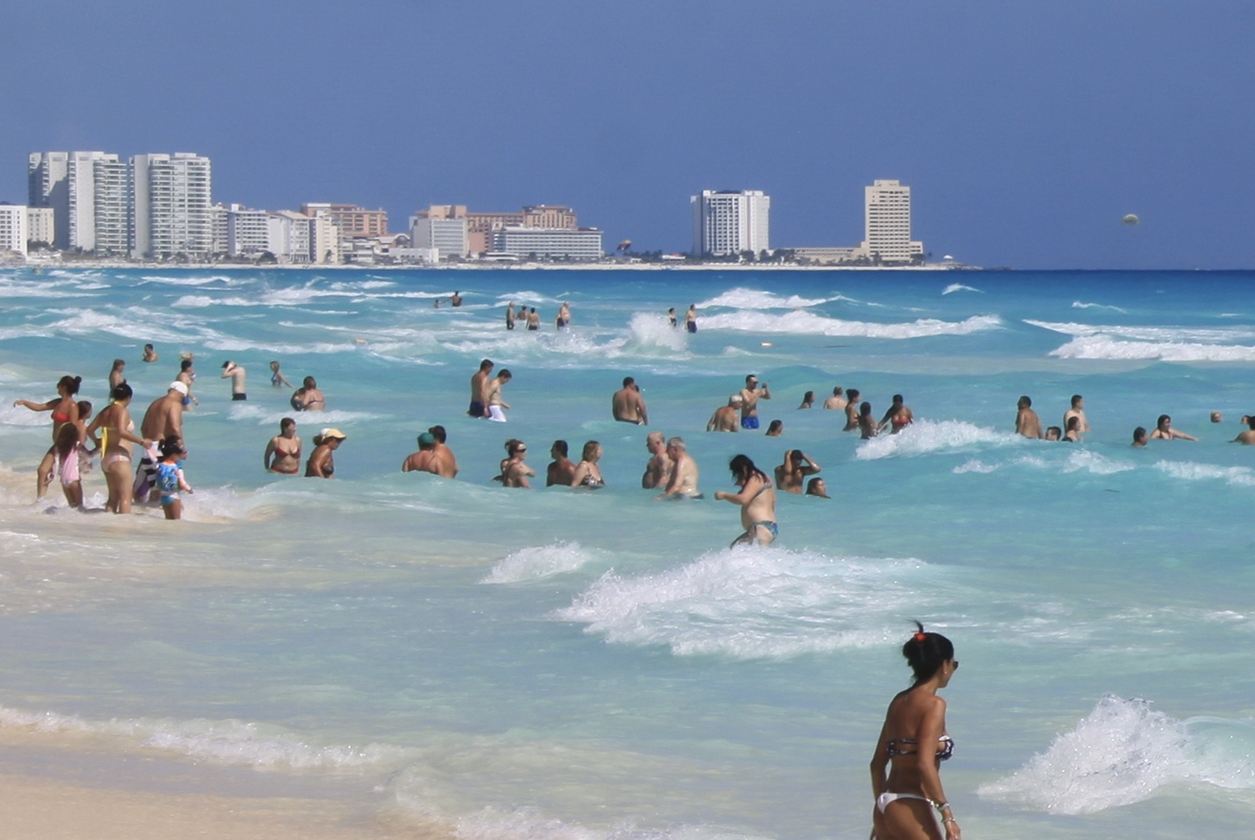
4 Rules to Follow When the White Flag is Flying
Seeing the white flag does not mean you have to abandon the beach entirely and hide in your hotel room. You just need to adjust your strategy:
1. Stay Out of the Surf
Even if the water looks as calm and inviting as a bathtub, do not go for a swim. Jellyfish and sea lice drift entirely at the mercy of the ocean currents. You cannot out-swim them, and stings can be incredibly painful, especially for young children.
2. Watch Your Step on the Sand
The danger does not stop where the water meets the shore. Broken jellyfish tentacles frequently wash up onto the wet sand and remain biologically active. They can still deliver a full-power sting even if they are detached from the jellyfish. Keep your sandals on when walking the shoreline and always inspect the sand carefully before laying down your towel.

3. The Rash Guard Loophole
If you absolutely must wade into the shallows, do not do it in a standard swimsuit. Wear a long-sleeved rash guard or a full-body stinger suit. Because jellyfish stingers (nematocysts) are triggered by physical contact with organic skin, a layer of tightly woven fabric acts as a highly effective armor.
4. Look, But Never Touch
If you see a fascinating, colorful creature washed up on the sand, admire it from a distance. Never let children poke marine life with sticks or try to “rescue” stranded jellyfish by tossing them back into the sea.
How to Treat a Sting (And What NOT To Do)
If you or someone in your group does get stung, fast action makes all the difference. First, let’s clear up the biggest myth in beach history: do not pee on a jellyfish sting. It does not work and can actually make the pain significantly worse.


Instead, follow this scientifically backed protocol:
- Rinse with Seawater: Gently rinse the affected area with ocean water. Never use bottled fresh water or ice! Fresh water causes dormant stinging cells to rapidly expand and fire more venom into your skin.
- Remove the Tentacles: Use a pair of tweezers or a credit card to carefully scrape away any visible tentacles. Never rub the area with a towel or your bare hands.
- Neutralize the Venom: Soak the sting in hot water (around 110–113 °F) for 20 to 45 minutes. The heat physically breaks down the venom proteins, offering massive pain relief. If hot water isn’t available, applying standard household vinegar can also help neutralize the sting.
- Seek Medical Attention: Head to the lifeguard stand immediately. They carry specialized first-aid kits designed specifically for local marine life. Seek emergency care if the victim experiences chest pain, difficulty breathing, or severe facial swelling, as these are signs of an allergic reaction.

How to Save Your Vacation Day
If the ocean is off-limits, Cancun still has you covered. Swap your beach day for one of these incredible, sting-free adventures:
- Dive Into the Underworld: Book a tour of the local cenotes (natural freshwater sinkholes). Because these underground rivers are not connected to the ocean currents, they are completely immune to jellyfish and sea lice. Locations like Cenote Dos Ojos or Cenote Cristalino offer incredibly clear, refreshing water.
- Explore the Nichupté Lagoon: Rent a paddleboard or join a guided kayak tour through the massive lagoon that borders the Hotel Zone. You can paddle through dense mangrove forests and spot local wildlife without ever touching the open sea.
- Take a Cultural Day Trip: Rent a car or hire a driver to head inland. The stunning colonial architecture of Valladolid or the ancient Mayan pyramids of Chichén Itzá offer world-class exploration safely away from the coast.
Join Our Cancun Sun Community of 16,000+ Members
Get real-time answers to your travel questions from our team of local experts and thousands of fellow travelers directly inside our interactive group.
Find Your Perfect Cancun & Riviera Maya Resort In Seconds
This simple, powerful tool was built by our on-the-ground experts to match you with the ideal resort for your specific budget and travel style.
The Ultimate Cancun Trip Planner
When’s the best time to go? Our powerful month-by-month guide breaks down the weather, crowds, sargassum, and prices for your perfect trip.
Enter your email address to subscribe to The Cancun Sun’s latest breaking news affecting travelers, straight to your inbox.