
You finally made it to Cancun. You have your swimsuit on, your sunscreen applied, and you are ready to sprint straight into that postcard-perfect turquoise water.
But before you dive into the surf today, you need to pause and look at the flags.
Due to a sudden shift in weather patterns, Civil Protection authorities and local lifeguard units have just issued a preventive warning for nearly the entire Cancun coastline. The Caribbean Sea is currently churning out large waves and incredibly dangerous rip currents, and the city is officially urging all tourists to take extreme precautions.
Here is exactly what the beach flags mean right now and where you need to avoid the water.
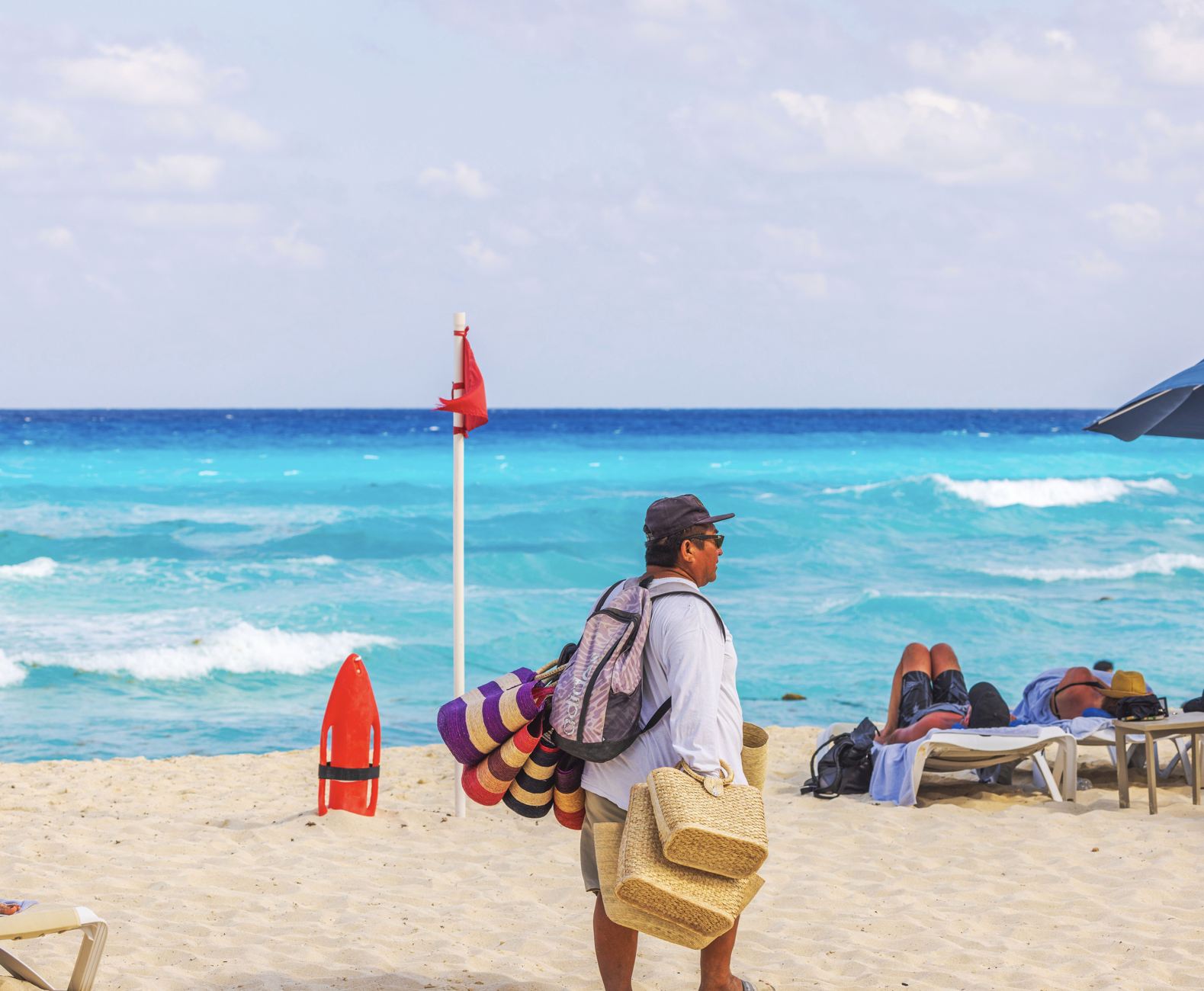
The “Red Flag” Zones (Recommended: Stay On The Sand)
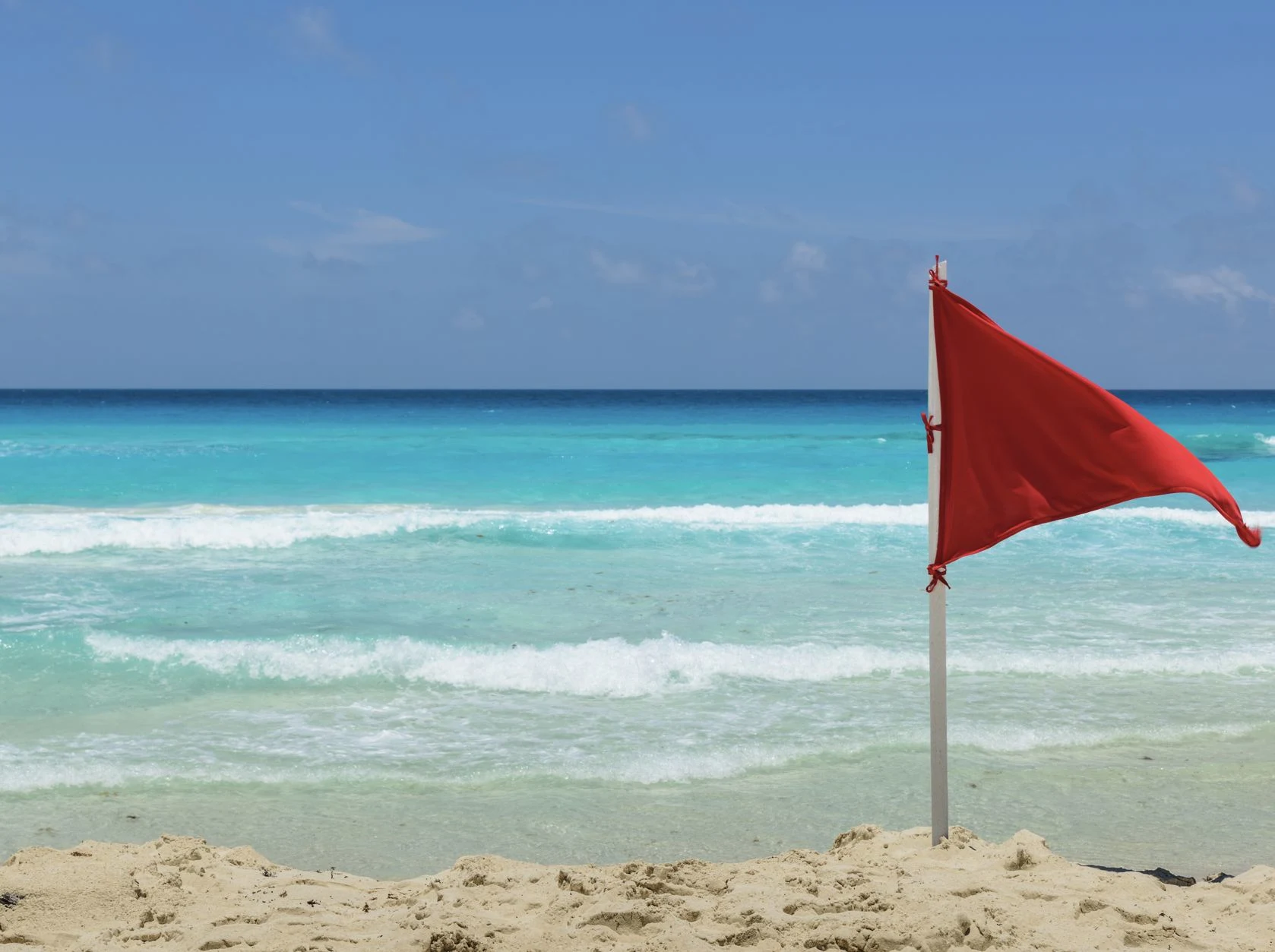
The eastern-facing side of the Hotel Zone (which locals refer to as the “High Beaches”) takes the absolute brunt of the open ocean swells. Right now, authorities have hoisted Red Flags across the most popular stretches of sand.
If you are staying near or visiting Playa Delfines, Playa Ballenas, Playa Marlín, Playa Chac-Mool, or Playa Gaviota Azul, you need to stay out of the water. A red flag means the surf is highly volatile and the rip currents can sweep even the strongest Olympic-level swimmers out to sea in seconds. Entering the water under a red flag is strongly discouraged.
The “Closed” Beaches
The situation is even more intense at a few specific spots. Playa Tortugas and Playa Caracol are currently dealing with such severe currents that they have been completely closed to all swimming.

The “Yellow Flag” Zones (Swim With Extreme Caution)
If you absolutely must get in the ocean today, you need to head to the northern-facing “Lower Beaches.” Because this stretch of the coast is partially shielded by the landmass of Isla Mujeres across the bay, the water is slightly calmer.
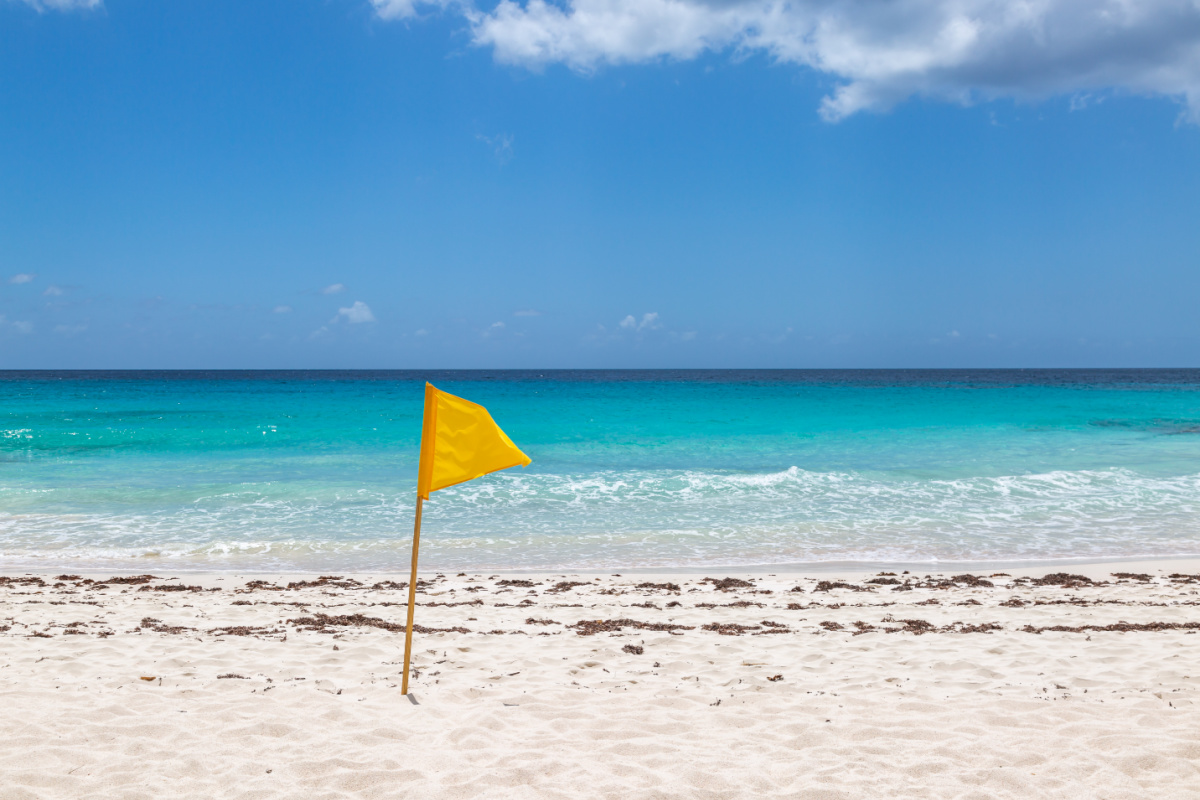
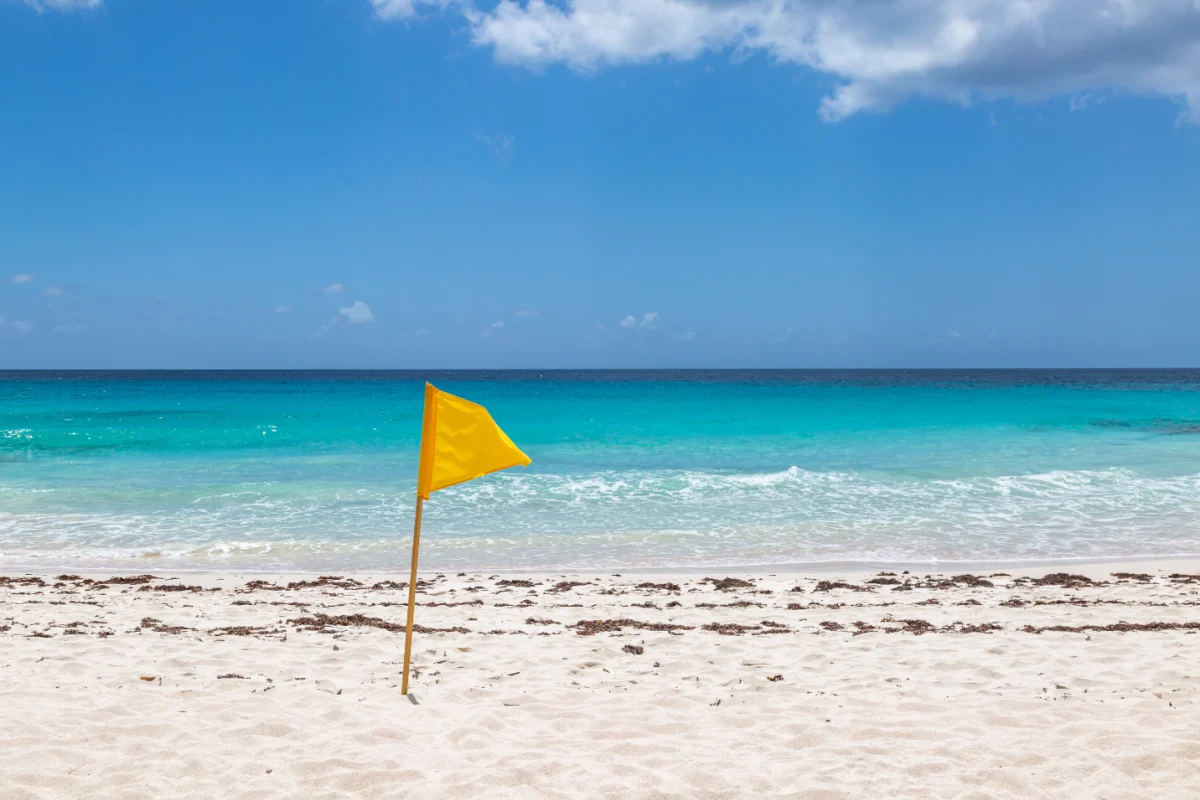
Right now, Playa del Niño, Playa Las Perlas, Playa Langosta, and Playa Pez Volador are flying Yellow Flags. This means the water is partially restricted.
You are allowed to enter, but you must exercise extreme caution, stay very close to the shore, and keep your children within arm’s reach at all times.
Our Take On Ocean Safety
We all want to maximize our beach days, but the ocean does not care about your vacation itinerary.
Ignoring a red flag isn’t just a minor rule-breaking annoyance—it is genuinely life-threatening. Those massive waves are unpredictable, and the undertow is far stronger than it looks from the comfort of your lounge chair.
If the red flags are flying at your resort today, grab a margarita, enjoy the breeze from the safety of the sand, and spend your afternoon in the hotel pool instead. And if you need a refresher on beach flags, use our tool below.
Cancun Beach Flag Guide
Tap a flag below to see what it means for your beach day.
Green Flag: Low Hazard
What it means: Conditions are calm and swimming is generally safe and allowed.
What to do: Always swim near a lifeguard and keep an eye on children.
Yellow Flag: Moderate Hazard
What it means: Choppier waves or mild currents are present. Use caution.
What to do: Recommended for confident swimmers only. Stay close to the shore.
Red Flag: High Hazard
What it means: Strong currents or powerful waves create dangerous conditions.
What to do: Authorities strongly advise you to stay out of the water. This is a serious warning, not a ban.
Black Flag: Water Closed
What it means: EXTREME DANGER. The beach is closed to water entry for everyone.
What to do: Do not enter the water for any reason. Used for storm surge, dangerous currents, or contamination.
White Flag: Marine Life
What it means: Jellyfish or other stinging marine life have been spotted in the area.
What to do: Consider staying out if you are sensitive. If you go in, wear protection and shuffle your feet.
Key Difference: Red vs. Black Flags
Red flags are a strong recommendation to stay out due to high risk, but not a formal ban. Black flags mean the beach is CLOSED to swimming entirely. Never enter the water on a black flag day.
The Ultimate Cancun Trip Planner
When’s the best time to go? Our powerful month-by-month guide breaks down the weather, crowds, sargassum, and prices for your perfect trip.
Find Your Perfect Cancun & Riviera Maya Resort In Seconds
This simple, powerful tool was built by our on-the-ground experts to match you with the ideal resort for your specific budget and travel style.
Subscribe to our Latest Posts
Enter your email address to subscribe to The Cancun Sun’s latest breaking news affecting travelers, straight to your inbox.