
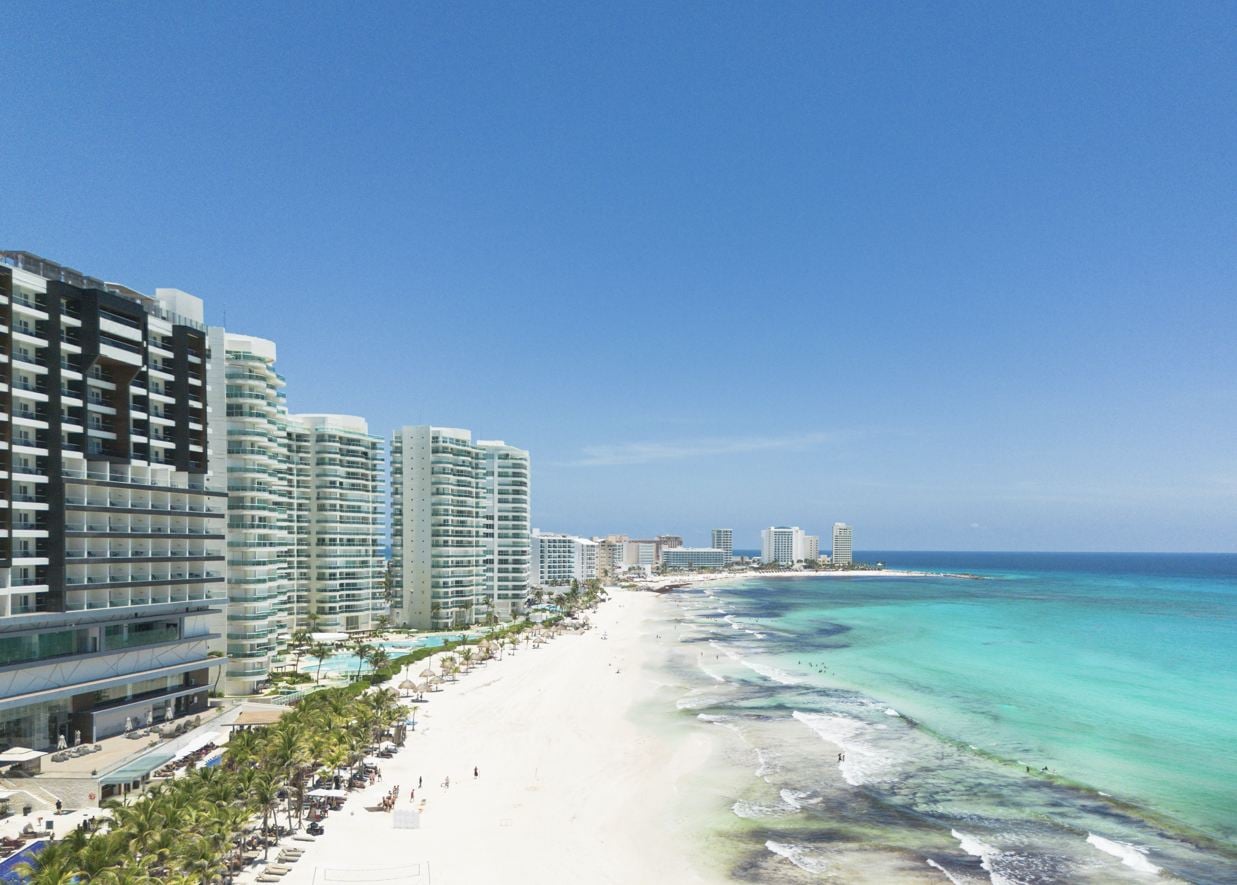
If you have been nervously checking the live beach webcams from your living room before your upcoming fall trip to Cancun, you can finally take a massive sigh of relief. The Mexican Caribbean has officially turned the corner on one of the most intense and visually disruptive seaweed seasons in recent history, and the coastline is rapidly clearing up.
For the past several months, the sheer volume of brown sargassum washing ashore tested the absolute limits of local infrastructure. But as the ocean currents begin their predictable seasonal shift, the daily onslaught of algae is subsiding. If you are holding plane tickets for a late-season beach getaway, the timing could not be better. The pristine, crystal-clear turquoise water that made the Riviera Maya famous is officially making its highly anticipated return just in time for the late fall travel window.
The Staggering Record-Breaking Numbers
To truly understand how massive the cleanup effort has been this year, you have to look at the raw data.
According to the latest official reports from municipal authorities, the cleanup crews strictly operating within Benito Juárez (the municipality that encompasses Cancun and the Hotel Zone) have hauled away an absolutely staggering 29,482 tons of sargassum so far in 2026.

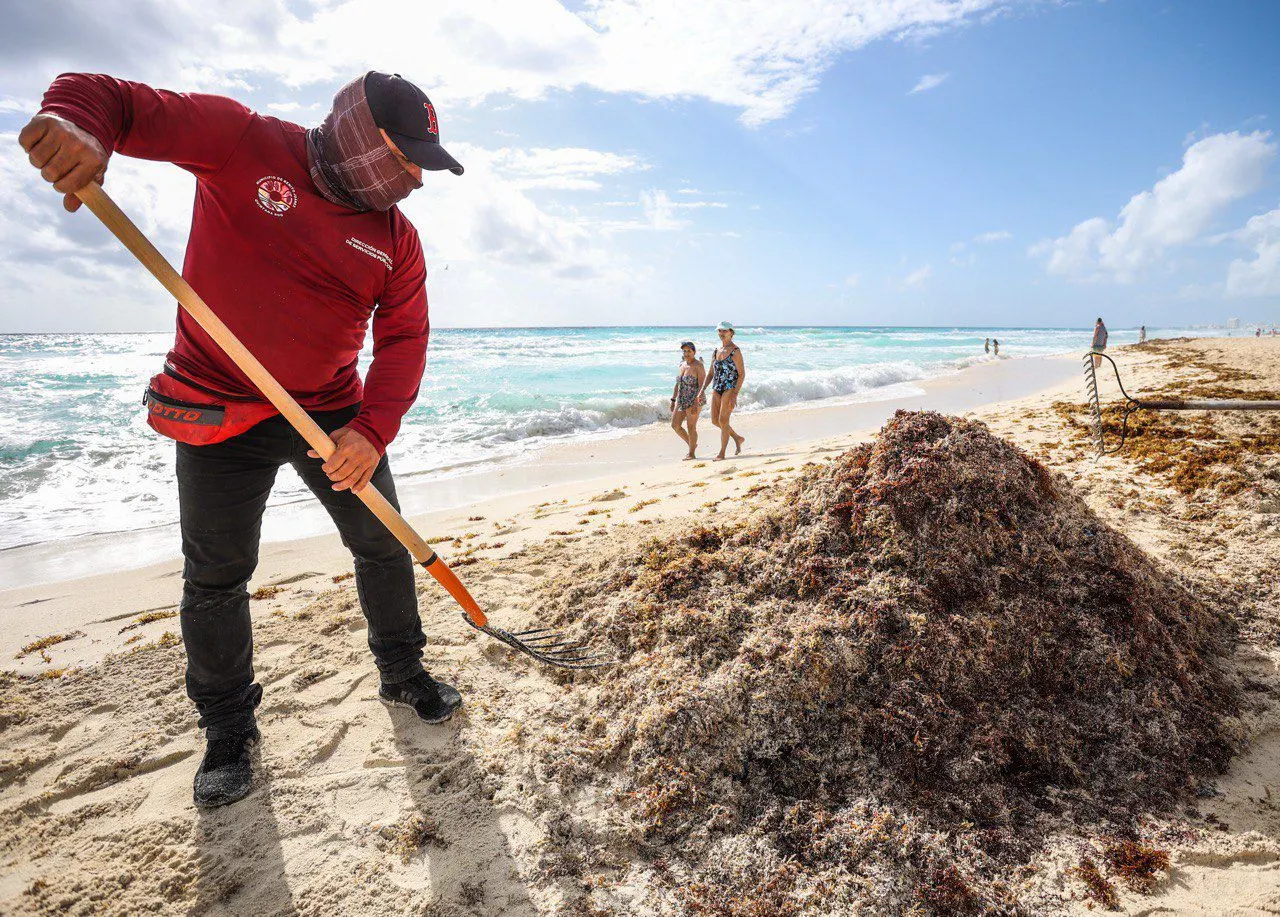
To put that massive volume into perspective, the city collected roughly 16,000 tons of the invasive macroalgae during the entirety of last year.
This season nearly doubled the historical average, driven by shifting climate variations and a highly active Great Atlantic Sargassum Belt.
And that is just one municipality. When you look at the broader Mexican Caribbean coast—stretching down through Puerto Morelos, Tulum, and Mahahual—the regional numbers are even wilder. Authorities estimate that over 83,000 tons of sargassum have been pulled from the water and sand statewide, with neighboring Playa del Carmen absorbing over 30,000 tons of that total hit.
How Cancun Held the Line Without Panicking
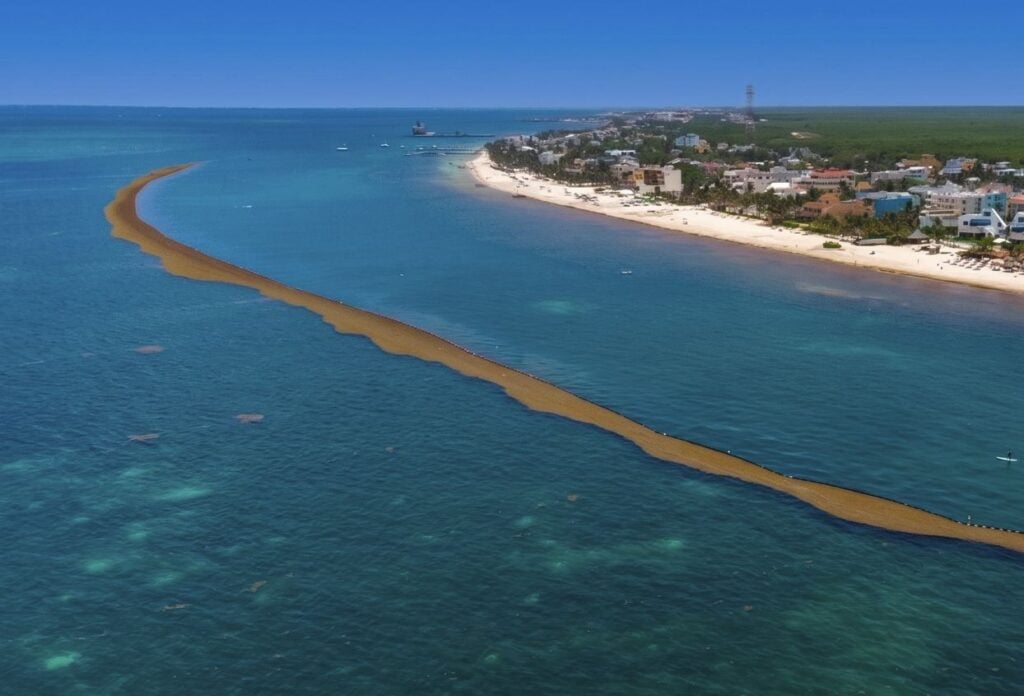
Despite facing nearly double the volume of seaweed compared to the previous year, the city managed to keep the beaches operational without hitting the absolute panic button. In previous years of heavy inundation, local authorities were forced to activate extreme emergency protocols, such as the citizen-led “Everyone Against Sargassum” brigades. This year, they relied entirely on a highly coordinated, heavy-machinery approach that operated flawlessly behind the scenes.

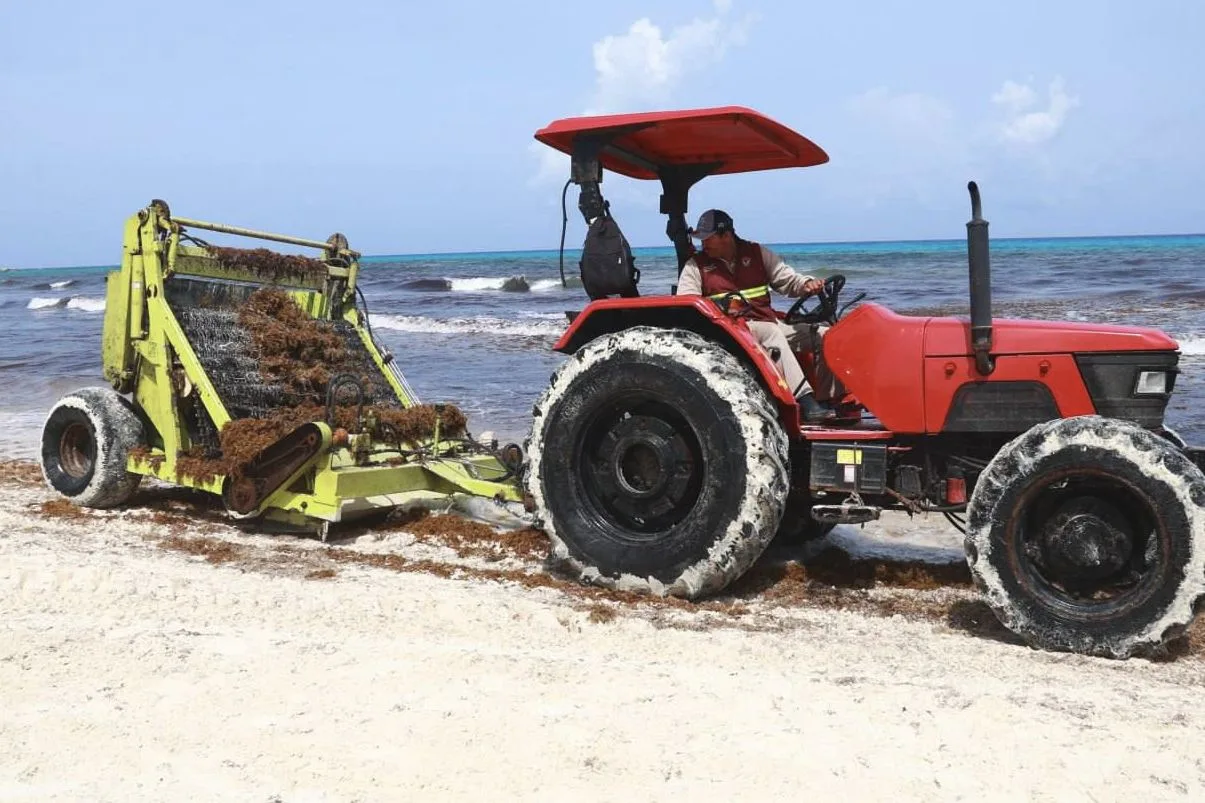
Here is exactly how the coastal defense strategy worked:
- Heavy Machinery Deployment: The city deployed a massive, dedicated fleet of seven mechanical beach sweepers. These specialized tractors raked the sand constantly, preventing the algae from rotting, breaking down, and ruining the beach with the infamous sulfur smell.
- Relentless Scheduling: Cleanup crews worked exhaustive double shifts spanning from Saturday to Sunday. This 24/7 approach was perfectly timed with the tidal shifts to catch the seaweed before it accumulated and baked in the midday sun.
- Federal Coordination: The local municipal teams worked in direct conjunction with Zofemat (the Federal Maritime Terrestrial Zone) and the Mexican Navy. The Navy handled the offshore containment barriers and collection vessels, while local crews tackled the sand, managing the massive disposal logistics seamlessly.
The Playa Delfines Battlefield
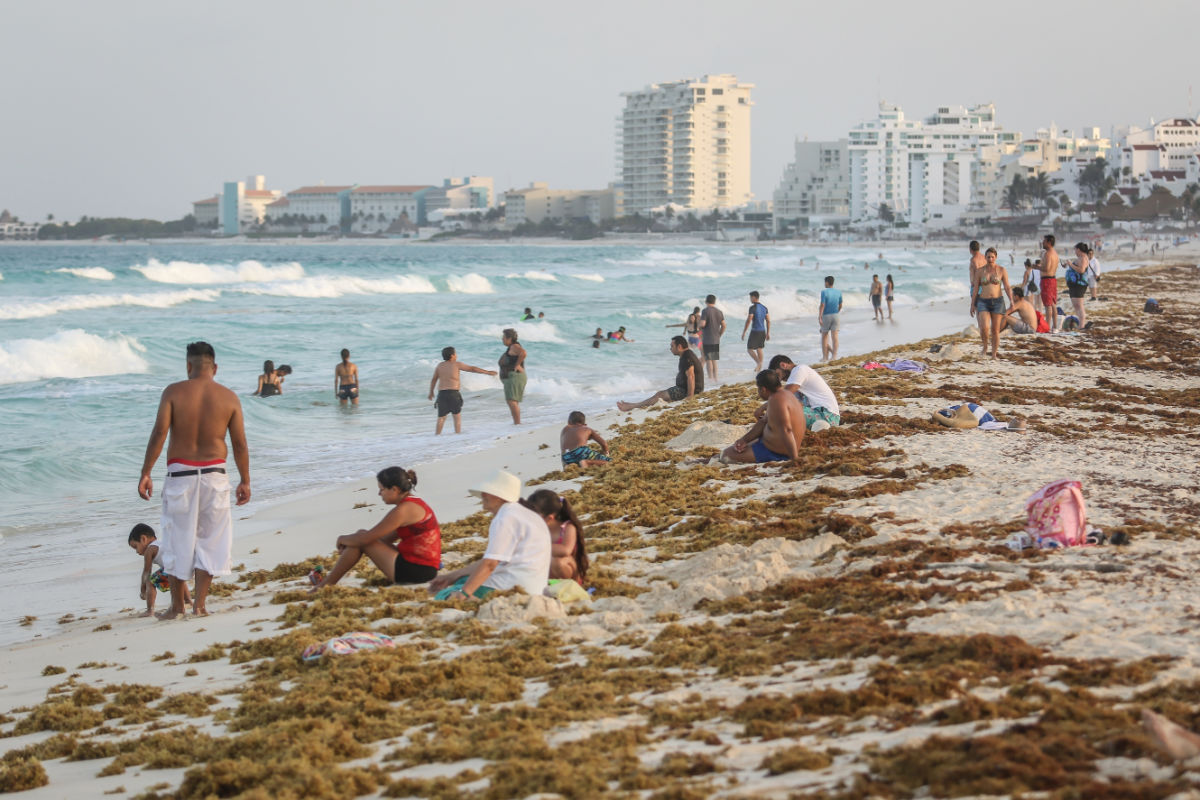
Not all beaches were hit equally during this record-breaking surge. Playa Delfines, famous for its massive “CANCUN” sign and sweeping, unobstructed ocean views, took the absolute brunt of the invasion.
Because the beach features an expansive 300-meter-long exposed shoreline that faces directly into the incoming open-ocean currents, it acted as a massive catcher’s mitt for the floating algae. Keeping this iconic beach usable required constant, daily intervention from the cleanup crews just to keep the white sand visible.
The Science Behind the Autumn Decline
According to Arturo Quintero Díaz, the acting head of the Municipal Public Services Department, the massive surge is finally subsiding due to the natural cycle of the phenomenon. Because the sargassum flow is highly cyclical and dependent on seasonal wind and ocean current patterns, authorities track a sharp, gradual decrease in the amount of seaweed washing ashore right at this exact time of year.
Historically, the region experiences this significant drop-off between August and October. As the water cools slightly and the trade winds shift direction, the massive offshore mats of sargassum are pushed away from the Yucatan Peninsula, giving the cleanup crews a chance to completely clear the remaining debris.
Where to Find the Clearest Water Right Now
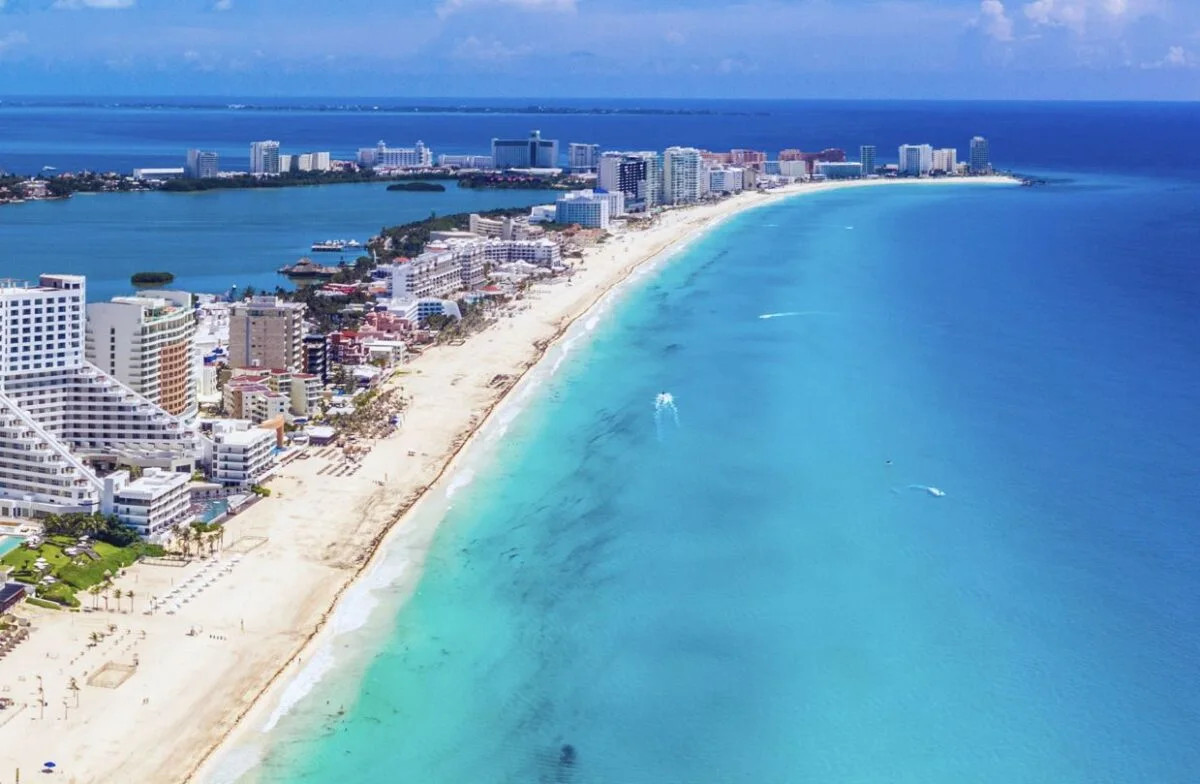
Even as the season winds down, geography remains your best friend when booking a beach day. If you want absolutely guaranteed clear water over the next few transition weeks, you need to look at the naturally protected micro-climates along the coast.
- Costa Mujeres: Located just north of the main Cancun Hotel Zone, this rapidly developing luxury enclave faces naturally sheltered waters. The geography here forces the currents to sweep past the beaches rather than crashing directly onto them, resulting in a pristine shoreline even during the peak summer months.
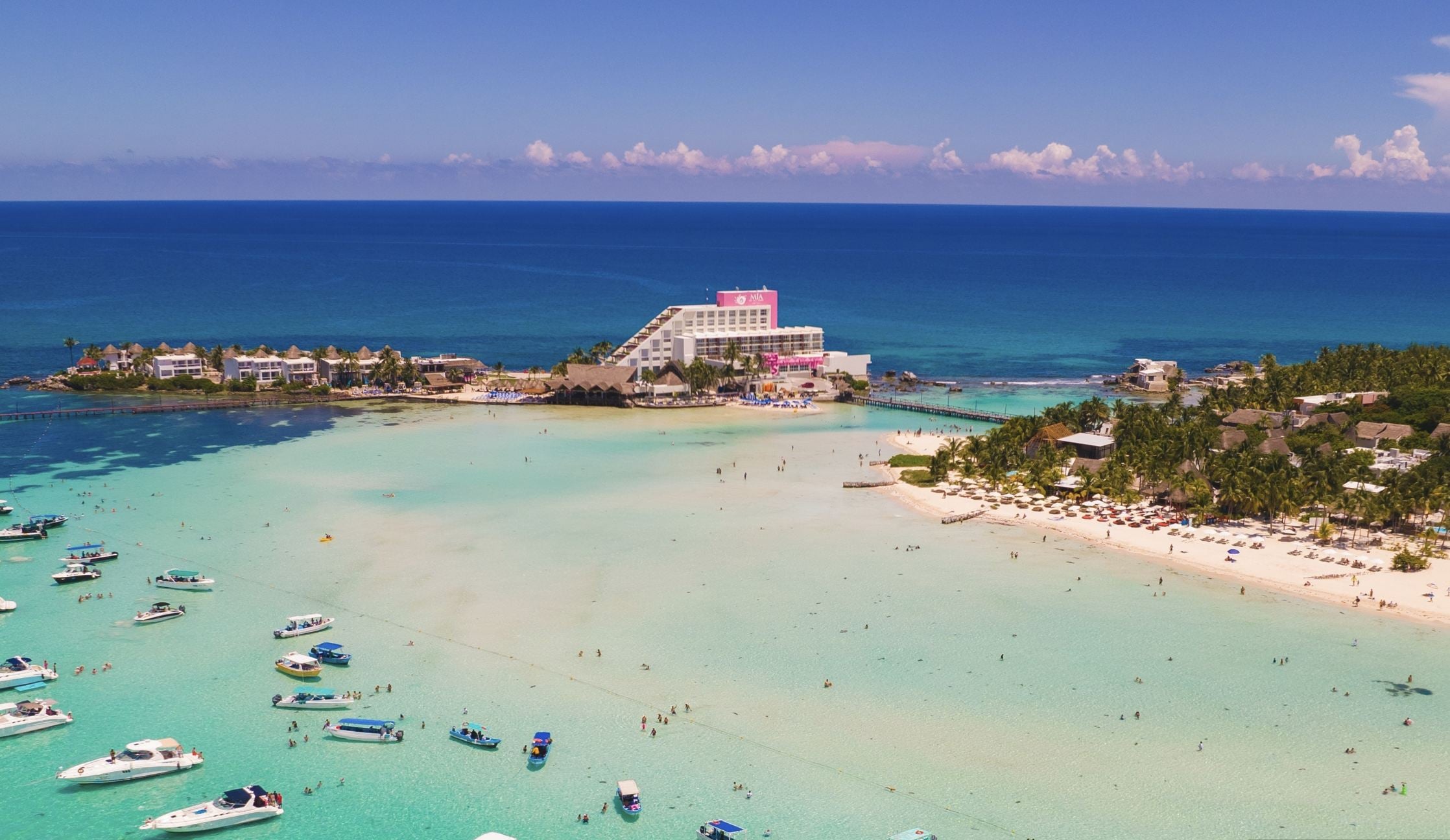
- Isla Mujeres: Just a quick 30-minute ferry ride across the bay, the island’s crown jewel, Playa Norte, is famous for a reason. Because the beach faces back toward the mainland, it is physically impossible for the Atlantic sargassum to reach it. It remains a crystal-clear, shallow lagoon year-round.
- Cozumel’s West Coast: The rugged eastern side of the island catches all the incoming sargassum, leaving the sheltered western coast—where the vast majority of beach clubs and luxury resorts are located—completely algae-free.
Boots-On-The-Ground Tactics for Fall Travel
With the massive cleanup operation successfully winding down, the late fall and early winter travel windows are looking incredibly strong. If you are flying down to the Riviera Maya in the coming weeks, keep these specific strategies in mind to ensure your beach days are flawless:
- Check the Live Webcams: Never rely on outdated blog posts or panicked social media comments. Before you leave your hotel room, pull up the live streaming webcams scattered across the Hotel Zone to see exactly what the sand looks like in real-time.
- Pivot to Cenotes: If a rogue patch of late-season seaweed hits your resort’s beach, take the ocean out of the equation entirely. Rent a car and head into the deep jungle to explore the region’s massive network of cenotes. These natural freshwater sinkholes offer freezing cold, crystal-clear water that is naturally immune to ocean algae.
- Stay Flexible: The absolute key to a successful fall trip is mobility. If the water in front of your hotel is murky, do not force it. Grab a cheap taxi to the ferry terminal, head over to Isla Mujeres for the afternoon, and enjoy a completely flawless beach day just a few miles away.
The record-breaking sargassum season of 2026 was a massive test for Cancun, but the destination passed with flying colors. Pack your bags, leave the stress at home, and get ready to enjoy the Mexican Caribbean at its absolute best.
Join Our Cancun Sun Community of 16,000+ Members
Get real-time answers to your travel questions from our team of local experts and thousands of fellow travelers directly inside our interactive group.
Find Your Perfect Cancun & Riviera Maya Resort In Seconds
This simple, powerful tool was built by our on-the-ground experts to match you with the ideal resort for your specific budget and travel style.
The Ultimate Cancun Trip Planner
When’s the best time to go? Our powerful month-by-month guide breaks down the weather, crowds, sargassum, and prices for your perfect trip.
Enter your email address to subscribe to The Cancun Sun’s latest breaking news affecting travelers, straight to your inbox.