
According to recent reports, the administration of Governor Mara Lezama is floating a plan that would shift collection of a new tax for foreign tourists from the airport to tourism businesses themselves.
Instead of a 525-peso charge collected at airport terminals, hotels, restaurants, beach clubs, tour operators, transportation companies, and even car rental agencies would each be responsible for charging the fee to foreign visitors and passing it on to the government.


In other words, you might see a “tourist tax” line added to:
- Your hotel or resort bill
- Your bar or restaurant tab
- Excursion and tour invoices
- Airport transfer or rental car contracts
Details like the exact amount and how it would appear on receipts have not been finalized publicly yet. This is still a proposal, not a done deal.
How is this different from the current VISITAX?
Right now, the VISITAX is a state-level tourist tax that all foreign visitors over age 4 must pay when visiting Quintana Roo (home to Cancun, Playa del Carmen, and Tulum). The cost is currently 271 pesos per person (about $15 USD in late 2025), and it’s usually paid online through the official government site before departure.
We at The Cancun Sun recently broke down the confusion in our deep-dive on the VISITAX debate and why it’s still mandatory, as well as in our earlier explainer Yes, VISITAX Is Mandatory For Travelers Visiting Cancun.
Under the new model, instead of you paying VISITAX on a dedicated website and showing a QR code at the airport, that fee would essentially be baked into what you pay at participating businesses – and they’d be responsible for collecting and remitting it.
Why are hotels, bars, and tour operators so upset?
Tourism companies have begun circulating a formal letter rejecting the idea that they should act as tax collectors. Their main concerns:
- Guest confusion & friction – Staff at hotels, bars, and tours don’t want to be the ones explaining yet another fee to guests who already feel they’re paying a lot.
- Bad perception of the destination – Businesses worry that being asked to explain and charge a separate tourist tax at every step could make Cancun feel “nickel-and-dimed.”
- More work for frontline staff – Owners argue this adds an operational burden that pulls staff away from actual service.
- Fraud and scam risks – There’s already a history of fake VISITAX websites and confusing collection practices, something we’ve covered in detail in our warning about fake tourist tax websites and airport scam crackdowns.
Business owners say they want collection to remain “secure and direct” and handled by the authorities, not by waiters, receptionists, and tour guides.


A growing stack of fees: why this matters for your budget
The letter also points out that this new tax would come on top of recent increases:
- The lodging tax in Cancun rose from 3% to 5%, a change we previously reported on in Hotel Rates To Rise In Cancun As Lodging Tax Increase Announced.
- By 2026, the entrance fee for foreign visitors to the Tulum archaeological zone is expected to jump from around 100 pesos to about 210 pesos—more than a 100% increase.
When you layer that onto VISITAX, hotel taxes, environmental fees, and normal resort charges, the concern is clear: Cancun and the Riviera Maya risk being perceived as “too expensive” compared to other beach destinations.
If you’re a traveler, this doesn’t mean you should cancel your trip—but it does mean it’s more important than ever to understand the full cost of your vacation up front. Our guide to tourist fees in Cancun and the Mexican Caribbean is a great starting point.
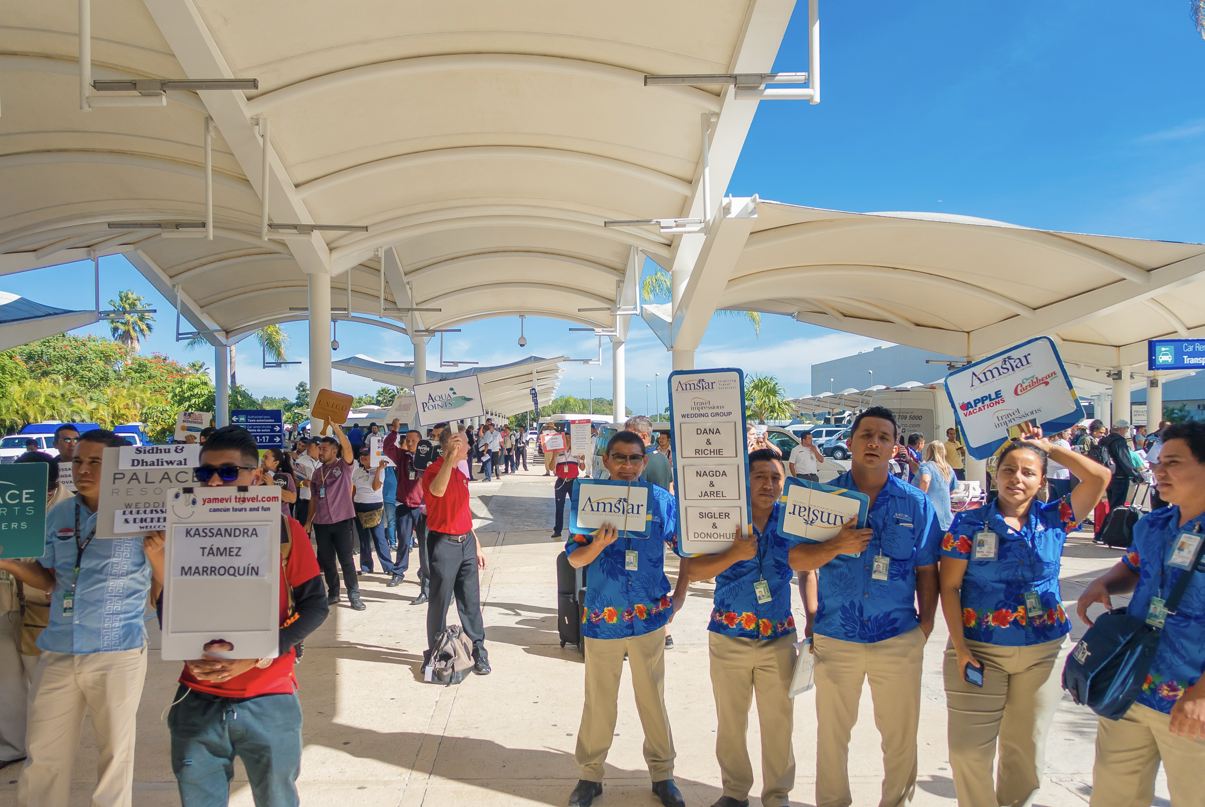
What should travelers do right now?
For now, nothing changes for your upcoming trip:
- VISITAX is still the current system. Plan to pay the 271-peso fee via the official website and keep your QR code handy for spot checks at the airport.
- Only use official or clearly recommended channels. Stick with the government site listed in our VISITAX guides and avoid random links from emails, flyers, or strangers at the airport.
- Ask your hotel what they charge. When you book, ask for a breakdown of room rate vs. taxes and fees so nothing on your bill is a surprise.
- Budget for rising costs in 2026. If your trip includes Tulum’s ruins or you’re planning for next year, give yourself a little extra cushion for higher entrance fees and possible tax tweaks.
You can also keep an eye on broader changes to entry requirements and fees for Cancun in 2025, as well as use our Cancun Trip Planner and Resort Finder tools to compare real-world prices across dates and properties.
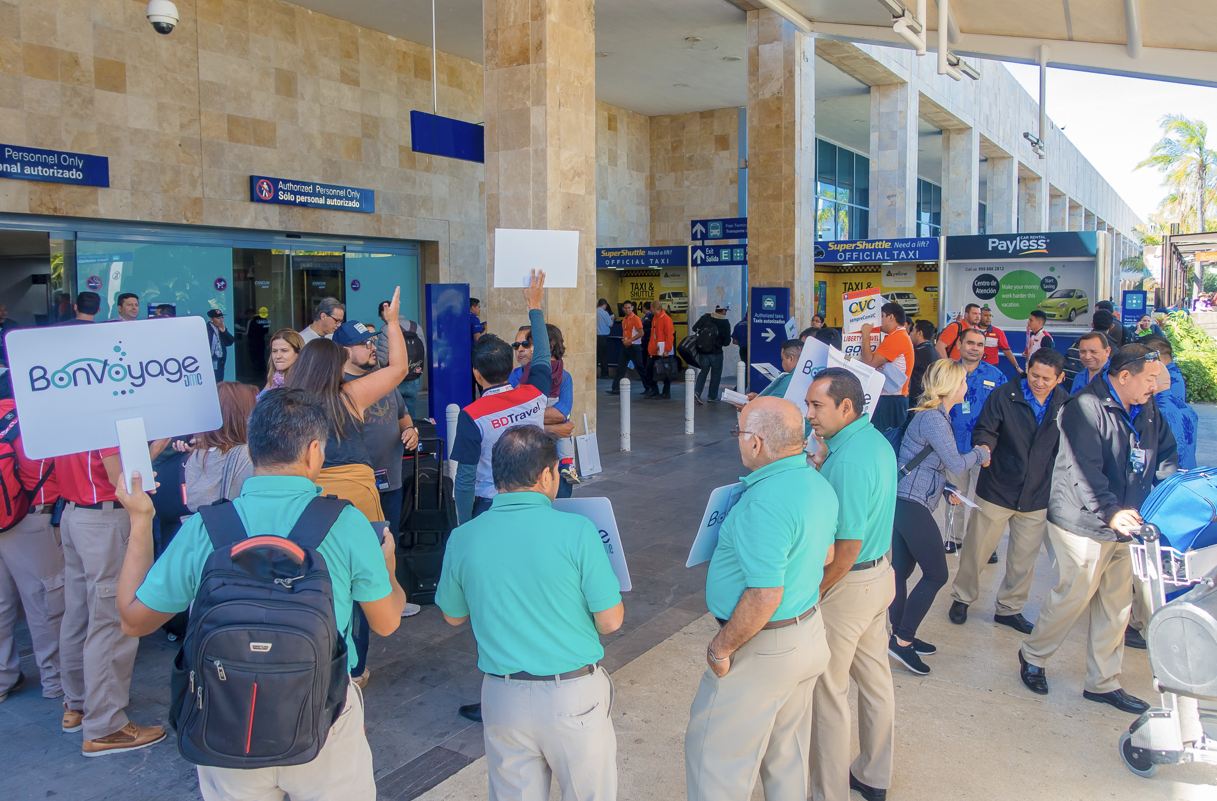
So… should you be worried?
We wouldn’t panic, but we would pay attention.
From our perspective at The Cancun Sun, a clearer, more transparent system for VISITAX would actually be a win for travelers—if it reduces scams, surprises at the airport, and last-minute stress. The concern is that pushing collection into every hotel, bar, and tour check-in could create even more confusion unless it’s communicated very clearly and rolled out with lots of notice.
For now, keep doing what savvy travelers already do:
- Read up on VISITAX before you go
- Pay it through official, trusted channels
- Screenshot your proof
- Factor taxes and fees into your budget just like flights and hotel rates
We’ll keep following this proposal closely and break down any official changes the moment they’re confirmed, so you can focus on what you actually came for: turquoise water, tacos, and a much-needed break on the beach.
The Ultimate Cancun Trip Planner
When’s the best time to go? Our powerful month-by-month guide breaks down the weather, crowds, sargassum, and prices for your perfect trip.
Find Your Perfect Cancun & Riviera Maya Resort In Seconds
This simple, powerful tool was built by our on-the-ground experts to match you with the ideal resort for your specific budget and travel style.
Subscribe to our Latest Posts
Enter your email address to subscribe to The Cancun Sun’s latest breaking news affecting travelers, straight to your inbox.