
If you’ve hung out with us for a bit, you know we at The Cancun Sun are all about low-stress vacations and straight talk.
So here it is: whether travel insurance is “worth it” for Cancun depends on when you’re visiting, how flexible your bookings are, and how much risk you’re willing to carry.
Below, we break down when a policy makes sense, when you can probably skip it, and the fine print that actually matters for the Mexican Caribbean.
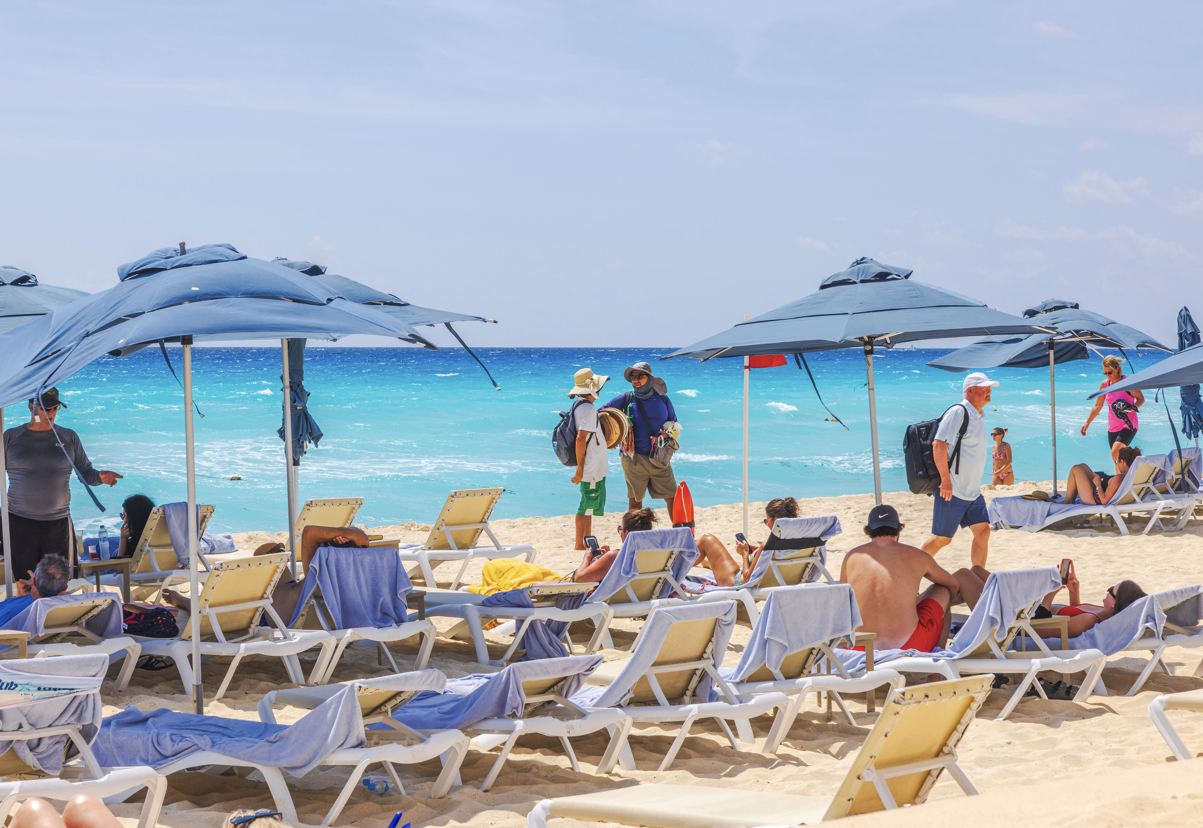
The Cancun Variables That Matter Most
Hurricane season timing. Cancun sits in the Atlantic basin, where hurricane season runs June 1–November 30 (peak is generally August–October). If your dates fall in that window—especially late summer into early fall—consider a plan with weather-related trip cancellation/interruption and trip delay benefits. As storms spin up, the National Hurricane Center (NHC) becomes your best friend for the 7-day outlook.
How prepared Cancun is (and why that still matters). Cancun’s hotels and local authorities are exceptionally practiced; the state’s Civil Protection agency runs a color-coded alert system and even prepares hotel-zone shelters when needed. Read our primers on what peak season means and how shelters are activated so you know the playbook long before the clouds roll in. Insurance won’t stop a storm, but it can reimburse costs when plans change.
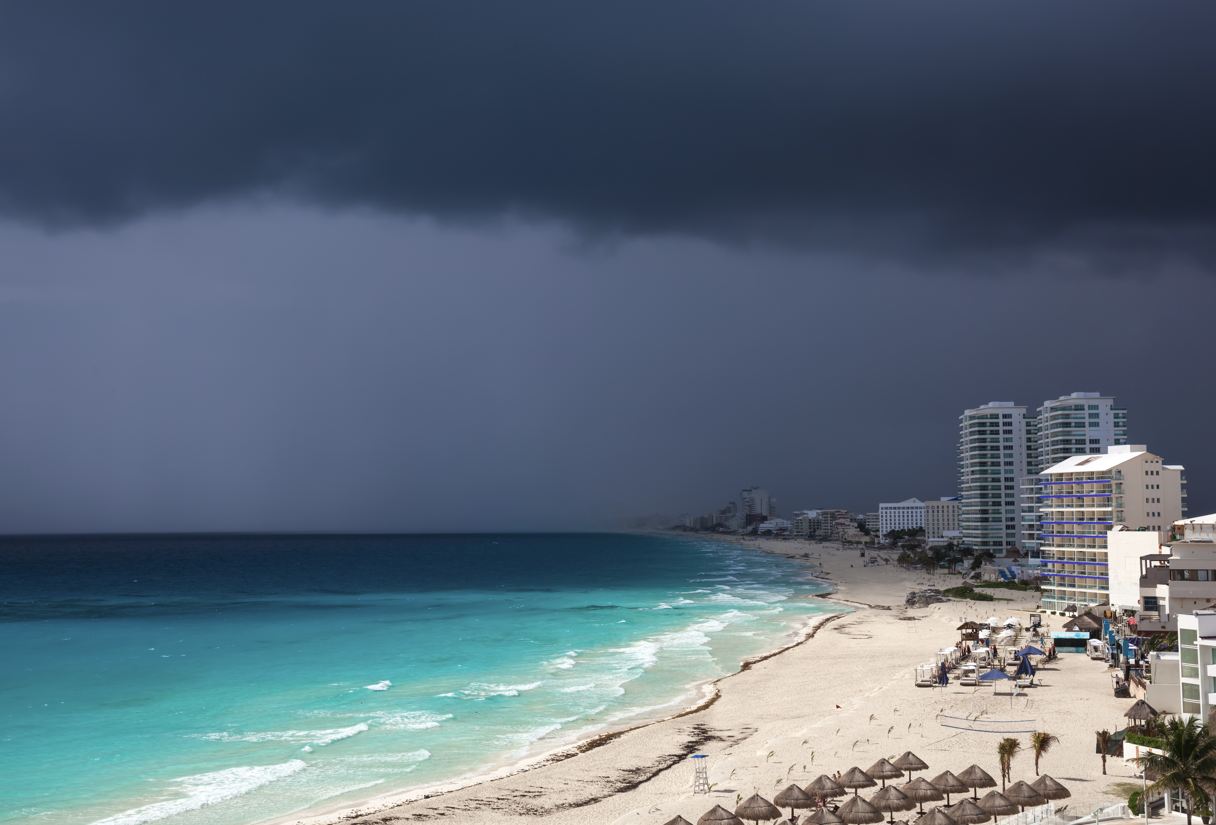
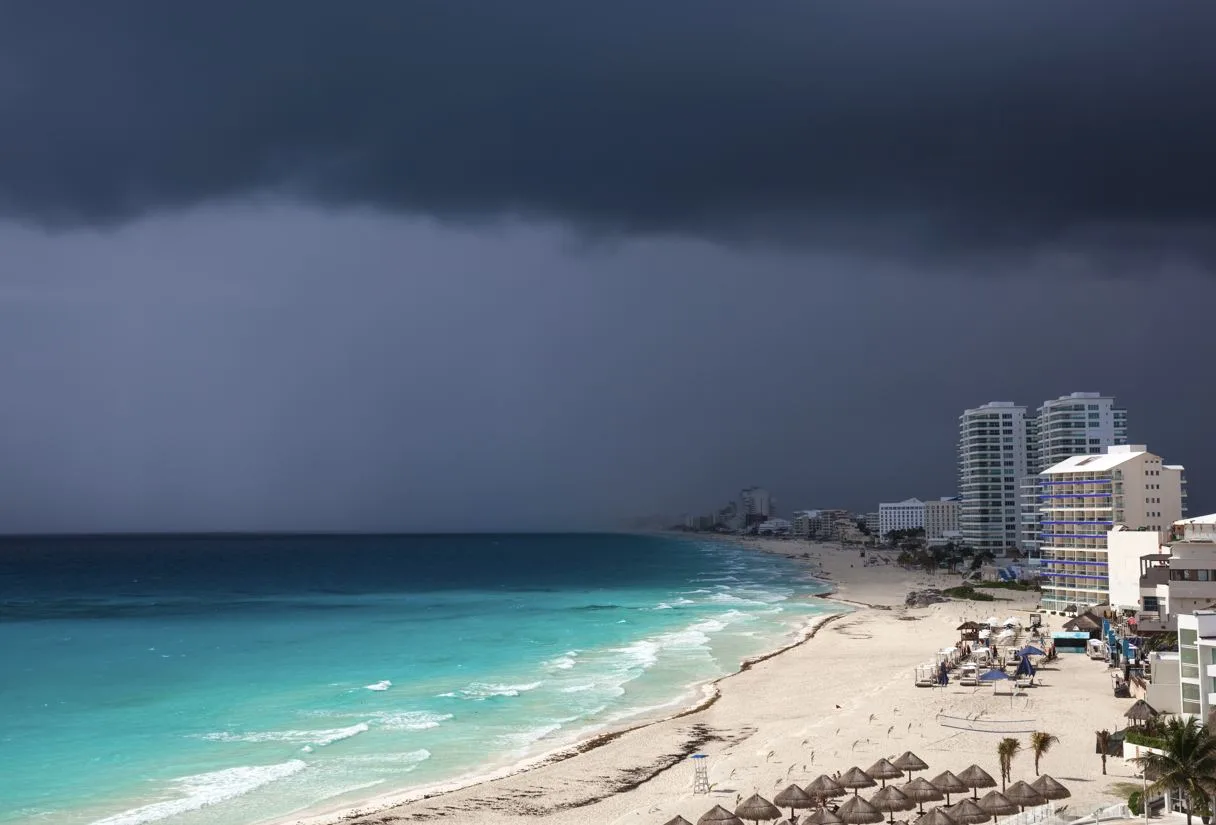
Beach and water conditions. Calm morning can turn into red-flag surf by afternoon. Learn the beach flag colors before you go; we’ve reported on recent incidents and the reminders from authorities to follow the rules. If a tour is canceled due to conditions—or you’re sidelined by a mishap—coverage for missed activities or emergency medical can help.
Medical reality check. Private hospitals in Mexico often require payment up front and may not accept U.S. insurance directly. The U.S. State Department and Embassy flag this repeatedly, which is why we suggest policies with strong emergency medical and medical evacuation limits (think $50,000–$100,000 medical and $100,000–$250,000 evac as sensible floors for international trips).
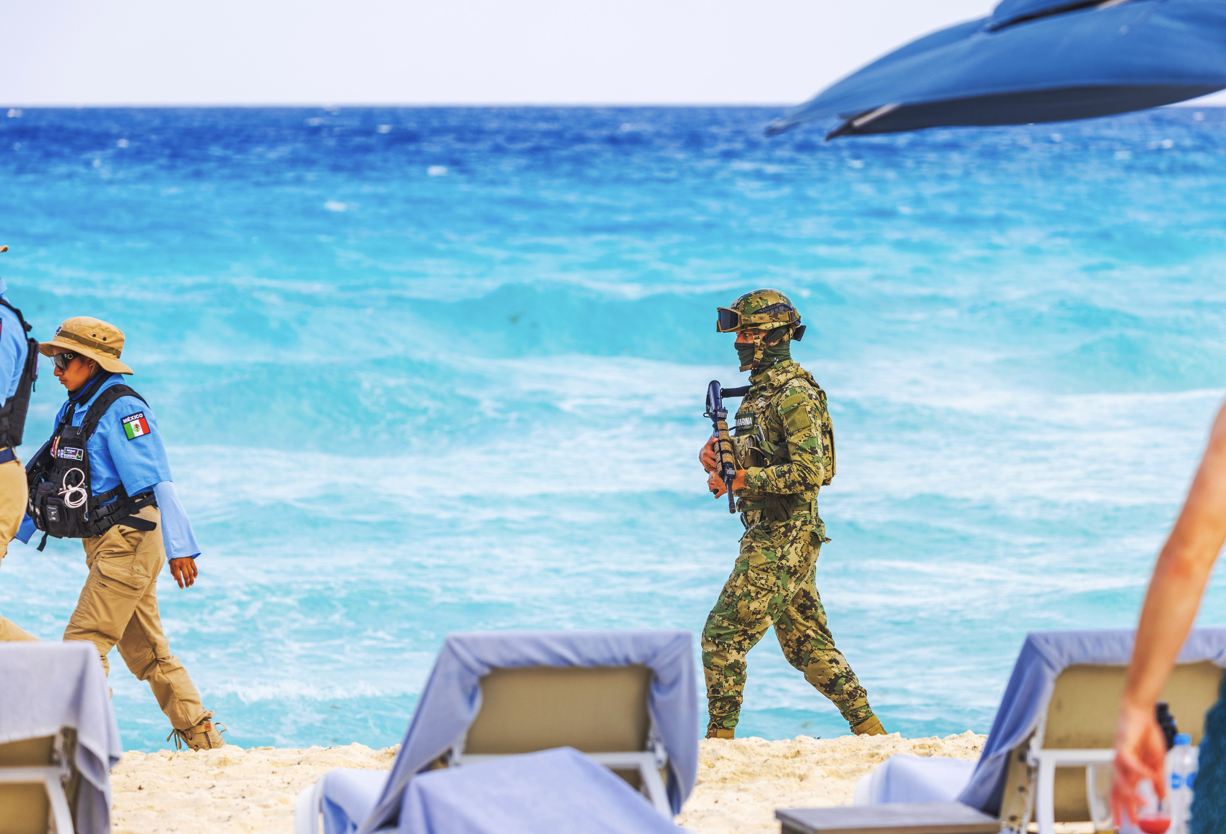
Safety context. Quintana Roo (home to Cancun) currently sits at Level 2: Exercise Increased Caution, similar to many popular destinations. Insurance doesn’t replace common sense—but it can cushion the financial blow of everyday travel hiccups. We unpack the advisory and what it means for visitors here.
When Insurance Is Probably Worth It
- Nonrefundable bookings. If you grabbed a restrictive airfare or a prepaid resort deal with penalties, insurance can protect those sunk costs if a covered reason (illness, injury, a named storm, airline strike, etc.) forces a change.
- Storm-season trips (Aug–Oct especially). Look for weather-related cancellation/interruption and trip delay benefits that cover extra nights, meals, and rebooking if flights go sideways—and keep an eye on the NHC outlook as your dates approach.
- You want maximum flexibility. A Cancel For Any Reason (CFAR) upgrade can reimburse 50–75% of prepaid, nonrefundable costs when you bail for reasons not in the policy—just note the purchase deadlines (often within 14–21 days of your first deposit).
- Pre-existing conditions. Many plans offer a pre-existing condition waiver if you buy soon after your first payment—critical if you want your medical claims considered. (Check each policy’s timing rules.)
To learn about plans we recommend, read more here.
When You Might Skip It
- Fully flexible trip. If your flights and hotel are refundable/changeable and you’re traveling outside the core storm window, you may opt to self-insure and keep your cash—though a medical-only plan is still smart if your home coverage is thin abroad.
What To Look For (and What To Avoid)
- Medical + evac limits: Aim for $50,000–$100,000 medical and $100,000–$250,000 evacuation (more if you’re planning open-water adventures or remote excursions).
- Weather wording: Make sure “named storm” or explicit hurricane language appears under covered reasons for cancellation/interruption. CFAR is the only thing that pays when your reason isn’t listed.
- Activity exclusions: Jet skis, ATVs, scuba, or alcohol-related incidents are commonly excluded or limited—add the right rider and follow operator rules. (Read the exclusions page!)
- Primary vs. secondary: Primary medical benefits are simpler at claim time; secondary can still work if you have U.S. coverage but may add paperwork. Policy-by-policy details vary—compare before you buy.
The Bottom Line
If you’re traveling during peak storm months, sitting on nonrefundable reservations, or simply want medical/evac backup for what-ifs, travel insurance for Cancun is very often worth it.
If your trip is fully flexible outside the busiest storm window and you’re comfortable eating smaller costs, you can reasonably skip comprehensive coverage—while still grabbing an inexpensive medical-only plan for peace of mind.
Either way, arrive informed: watch the NHC outlook, learn the beach flags, and keep our local updates bookmarked for a smooth, sun-drenched Cancun escape.
The Ultimate Cancun Trip Planner
When’s the best time to go? Our powerful month-by-month guide breaks down the weather, crowds, sargassum, and prices for your perfect trip.
Find Your Perfect Cancun & Riviera Maya Resort In Seconds
This simple, powerful tool was built by our on-the-ground experts to match you with the ideal resort for your specific budget and travel style.
Subscribe to our Latest Posts
Enter your email address to subscribe to The Cancun Sun’s latest breaking news affecting travelers, straight to your inbox.