
You wake up on the second day of your vacation, stretch, and look down at your legs. Panic sets in.
Your ankles are covered in tiny, red, maddeningly itchy welts. Or maybe you just got out of the ocean after a perfect swim, and 20 minutes later, your skin feels like it is on fire with a rash that looks like chickenpox.
The immediate reaction is usually: Bed bugs? Spiders? Something poisonous?

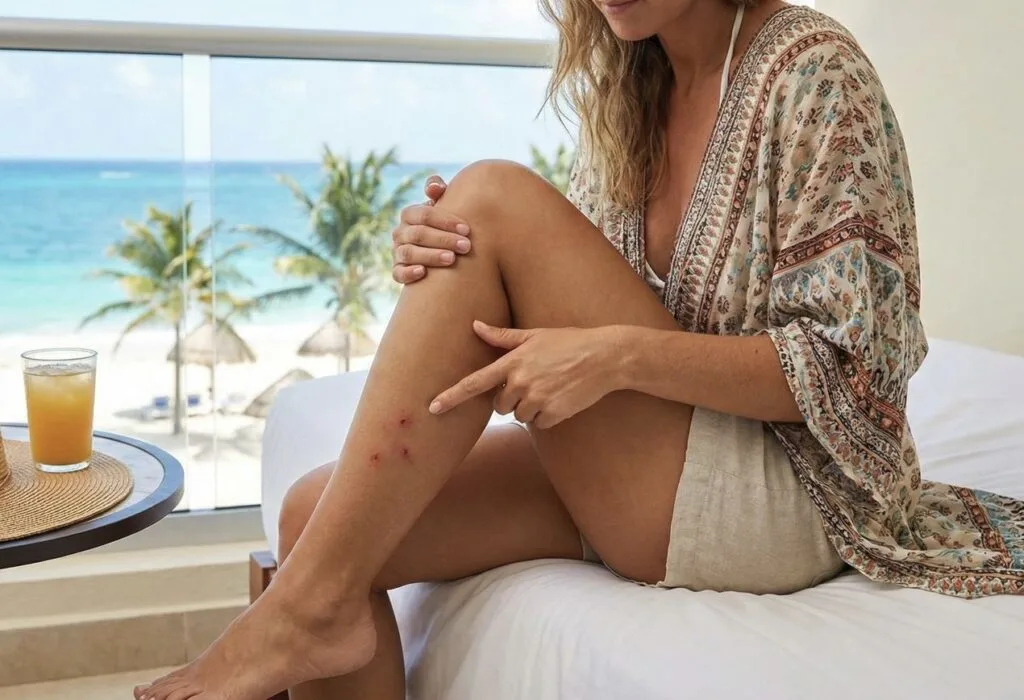
Before you demand a room change or rush to the ER, take a deep breath. Here in the Mexican Caribbean, “mysterious bites” are almost a rite of passage. Most of the time, the culprit isn’t dangerous—it’s just one of the local microscopic residents you didn’t see coming.
Here is the definitive guide to what is biting you in Cancun, the local names you need to know, and how to stop the itch.
1. The “Pica-Pica” (Sea Lice)
The Scenario: You went swimming in the turquoise water. You felt absolutely nothing while you were in there. But a few hours later, you have an intensely itchy, bumpy red rash, usually concentrated under your swimsuit areas.


The Culprit: Sea Lice (locally known as Agua Mala or “Bad Water”). Despite the gross name, these aren’t lice. They are the microscopic larvae of the Thimble Jellyfish. They float in the water and get trapped inside your swimwear. When you dry off or press against them (like sitting on a towel), the pressure fires their tiny stinging cells.
- The Fix: Do NOT shower with fresh water while wearing your suit (fresh water activates the stingers). Remove your suit immediately, rinse with vinegar if possible, and wash the suit in hot water.
- The Warning: Lifeguards are your best resource here. Before you swim, ask the lifeguard tower if there is “Agua Mala” present. As we detailed in our guide to beach safety, conditions change daily, and local warnings are the only way to know for sure.
2. The “Chakistes” (No-See-Ums)
The Scenario: You were enjoying a sunset drink on the beach. You didn’t see any bugs. You didn’t hear any buzzing. But the next morning, your ankles and calves are covered in tiny, red dots that itch 10 times worse than a mosquito bite.
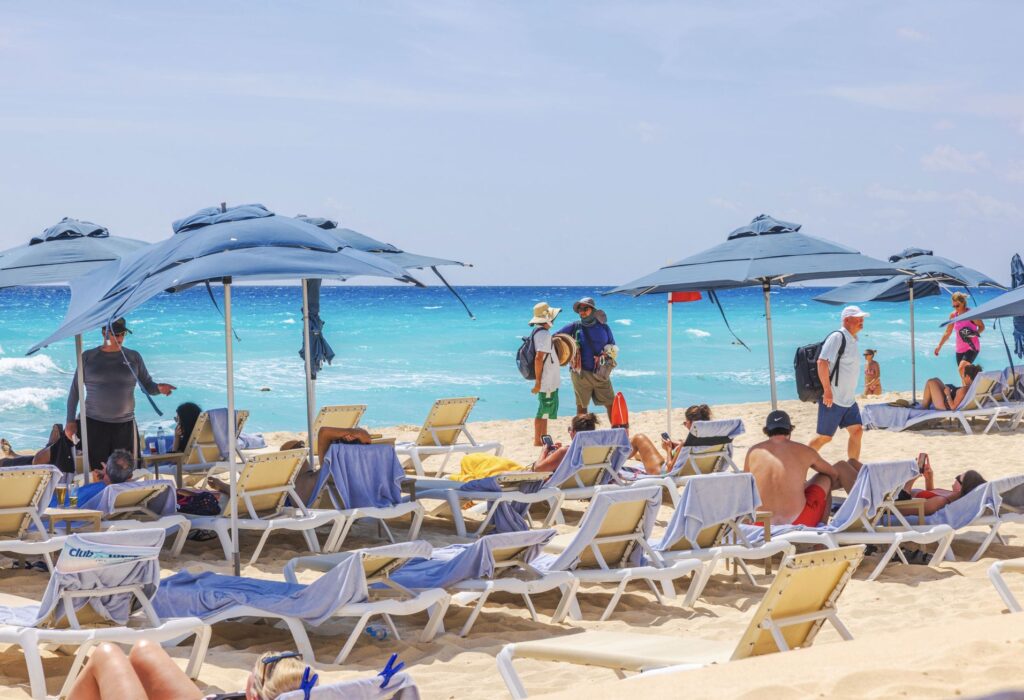
The Culprit: No-See-Ums (Sand Flies/Midges). Locals call them Chakistes. They are tiny gnats that live in the sand and are most active at dawn and dusk, especially when there is no wind. They are small enough to fly through standard window screens.
- The Fix: Standard bug spray often doesn’t work on them. Locals swear by a different barrier method: Baby Oil. Slathering your legs in oil creates a trap that the tiny flies can’t bite through. If you are already bitten, an antihistamine cream is your best friend.
3. The Stealth Mosquito
The Scenario: You have bites on your arms and neck, but you swear you never saw a mosquito land on you.
The Culprit: The Aedes Aegypti. Unlike the noisy mosquitoes in the US that buzz in your ear, the species common in the Yucatan is smaller, faster, and often silent. They are low-flyers, targeting ankles and legs under restaurant tables.
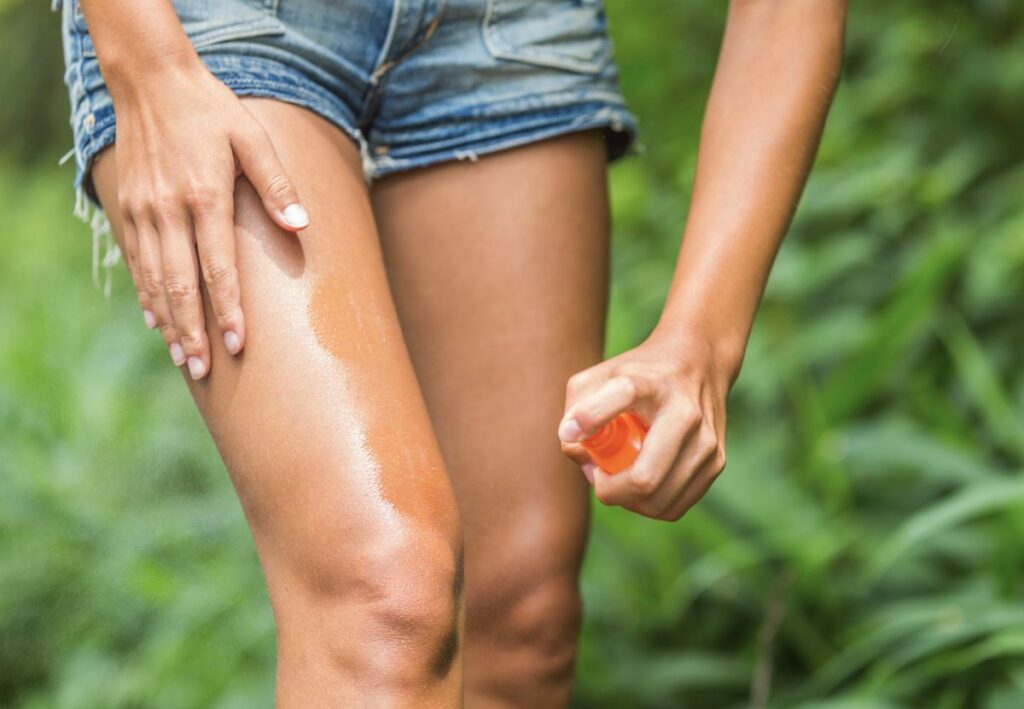
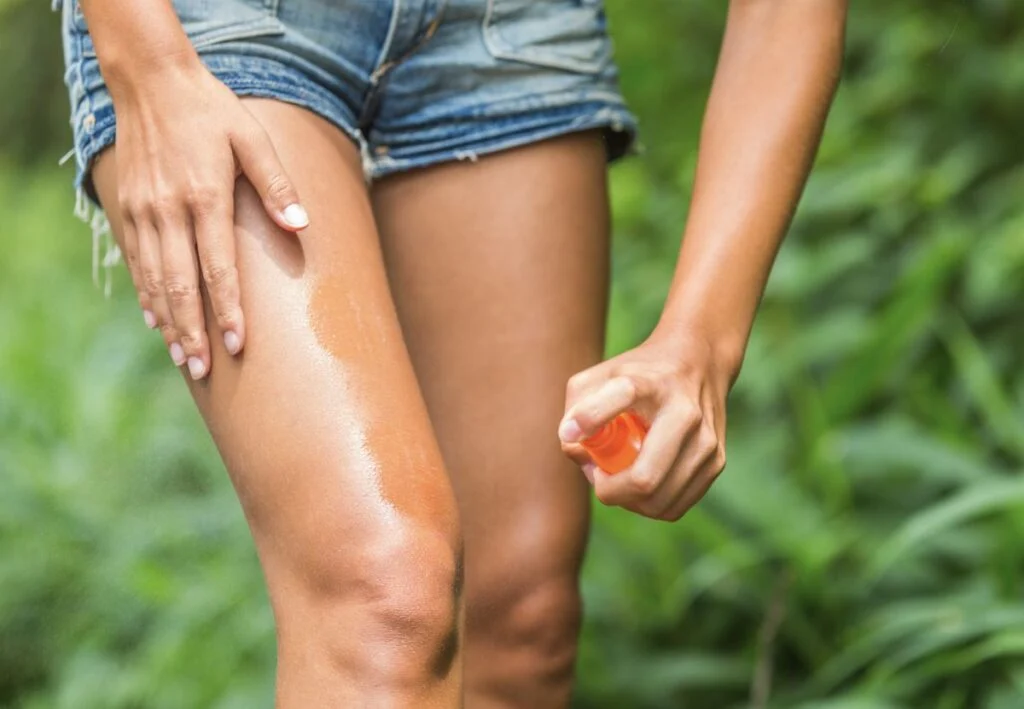
- The Risk: While most bites are just annoying, this species is the carrier for Dengue fever. As we reported recently regarding health alerts in the region, using repellent isn’t just about comfort; it’s a health necessity.
- The Prevention: Don’t rely on the “organic” stuff. You need DEET. Check our ultimate packing list for the specific brands that actually work in the jungle humidity.
4. The “Doctor Fly” (Horse Fly)
The Scenario: You are at a cenote or near the jungle. Suddenly, you feel a sharp, painful pinch that draws blood immediately.
The Culprit: Yellow Flies or Horse Flies. These aren’t subtle. They are aggressive, slow-moving flies with yellow or black bodies. They don’t sting; they bite. The pain is instant, but the itch usually fades faster than a mosquito bite.
- The Fix: These are visual hunters. They are attracted to dark colors (like blue or black swimsuits) and movement. Swatting them is usually effective, as they are slow.
5. Where To Get Relief (Safely)
If you are covered in bites, your first instinct might be to run to the nearest pharmacy sign. Be careful.
As we have warned repeatedly, many roadside “tourist pharmacies” are unregulated. Buying “strong creams” or painkillers from a souvenir shop can be dangerous.
- The Rule: Only buy hydrocortisone, Benadryl, or Calamine lotion from recognized chain pharmacies like Farmacias del Ahorro or Farmacia Guadalajara. Read our full warning on pharmacy safety to ensure you are getting the real deal.
The Verdict
If you have bites, don’t panic. It is extremely unlikely to be bed bugs (which bite in straight lines).
- Under the swimsuit? Sea Lice.
- On the ankles? No-See-Ums.
- Random itchy bumps? Silent Mosquitos.
Grab some cream, stop scratching, and get back to the pool. You’ll survive the itch.
The Ultimate Cancun Trip Planner
When’s the best time to go? Our powerful month-by-month guide breaks down the weather, crowds, sargassum, and prices for your perfect trip.
Find Your Perfect Cancun & Riviera Maya Resort In Seconds
This simple, powerful tool was built by our on-the-ground experts to match you with the ideal resort for your specific budget and travel style.
Subscribe to our Latest Posts
Enter your email address to subscribe to The Cancun Sun’s latest breaking news affecting travelers, straight to your inbox.
Andrew&Florence
Sunday 7th of December 2025
The best remedy for all insect bites is baking soda.
Buy some Arms & Hammer sodium bicarbonate (baking soda) from the supermarket and mix it with water to make a paste.
Apply the paste on the insect bite(s) and the pain & itch will stop within 10 minutes.
Within an hour or so, the redness & swelling will subside and often disappear.
George Nidzgorski
Saturday 6th of December 2025
Question: Was the fowl tasting and smelling water concentrated to the Garza Blanca resort only or were other resorts affected and what exactly caused this mid November 2025